
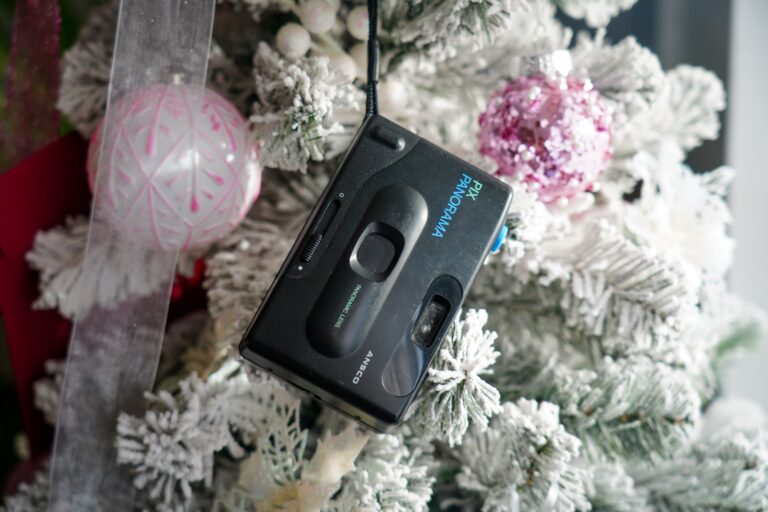
Intro & First Impressions of the Ansco Pix Panorama
The Ansco Pix Panorama is one of those cameras that doesn’t pretend to be more than it is. It’s small, plastic, lightweight, and very basic, and that’s exactly why I wanted to try it.
I picked it up knowing full well it wasn’t a “real” panorama camera in the traditional sense. There’s no swing lens, no special mechanics, no expanded negative. It’s essentially a simple 35mm box camera with a mask that crops the frame to give the illusion of a panoramic image. Cheap, straightforward, and a little deceptive in name, but interesting nonetheless.
For this test roll, I wasn’t looking for perfection or technical excellence. I wanted something easy to throw in a bag and forget about until I felt like shooting. The Pix Panorama fit that role immediately. It’s light enough that you barely notice it, which made it a natural companion for beach days and casual walks, the kind of situations where pulling out a “serious” camera can feel like overkill.
That simplicity does come with trade-offs. There’s no flash, no exposure control, no real safety net if the light isn’t right. As the sun dipped lower or I stepped into shade, results became unpredictable pretty quickly. Shooting in sunny Southern California helped, but even then, this camera is very much a hit-or-miss experience.
Still, there’s something refreshing about using a camera like this. You press the shutter, wind the film, and move on. No menus, no decisions, no second-guessing. What you get is what you get, grain, missed exposures, the occasional finger drifting into the frame and all.
Below are my notes, sample images, and overall thoughts after spending some time with the Ansco Pix Panorama, imperfections included.
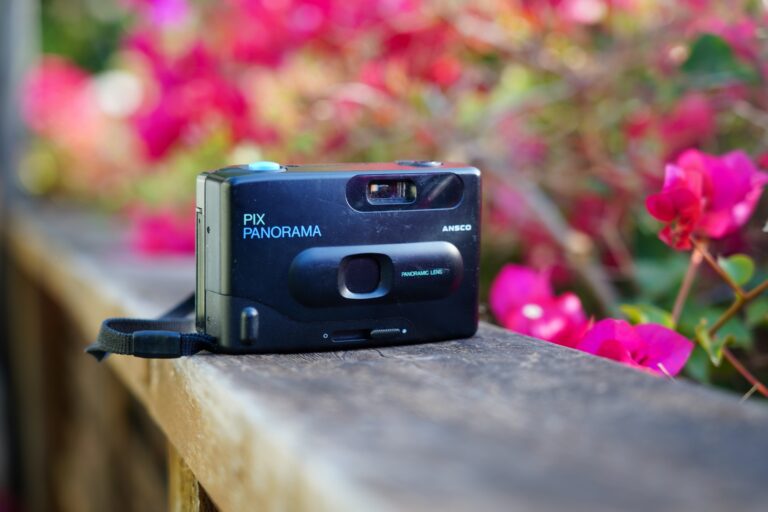
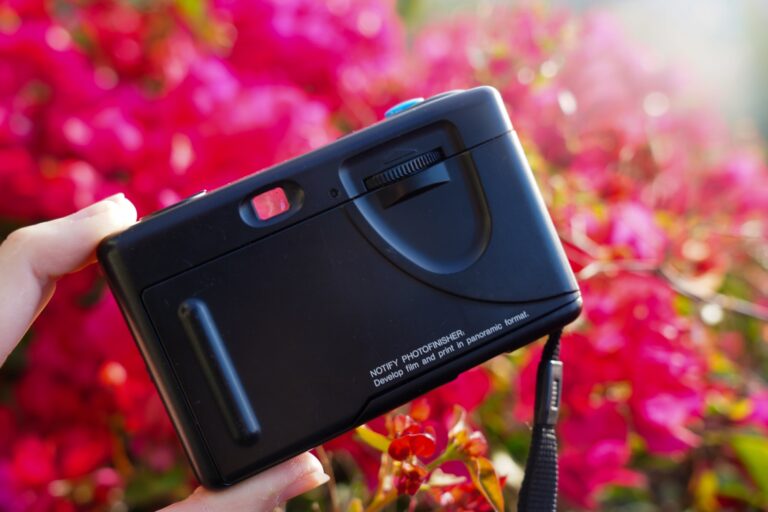
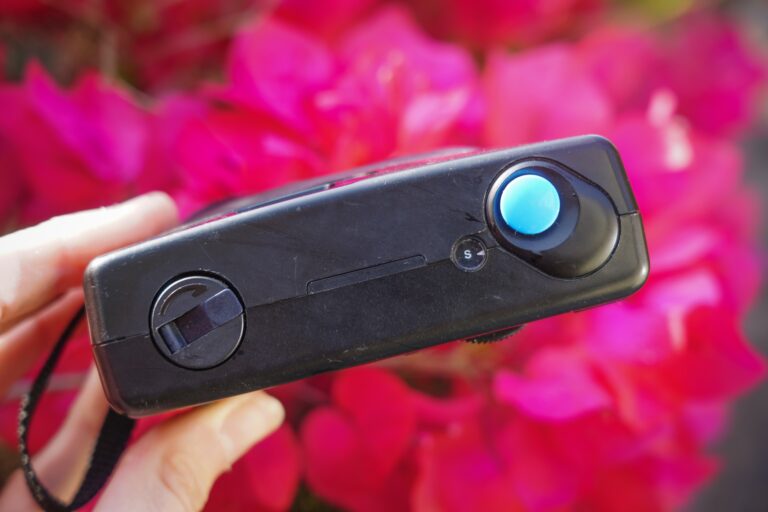
A Brief History and Context
Despite the name, the Ansco Pix Panorama has little connection to the original Ansco company best known for earlier American-made cameras. By the mid-1980s, the Ansco name had been sold and reused, and this camera was manufactured in China as part of a broader wave of inexpensive plastic point-and-shoots.
It also arrived during a period when panoramic photography was gaining popularity. True panoramic cameras used swing lenses or larger film formats to capture wide scenes across a bigger negative. The Pix Panorama took a much simpler approach.
Instead of expanding the image area, it crops it. A mask inside the camera limits the exposed portion of standard 35mm film to a narrow strip, roughly 13 by 36 millimeters. When printed, that cropped frame creates a wide, panoramic-looking image, even though it uses less film than a standard 35mm photo.
Because of this, the Pix Panorama is often described as a “faux” panoramic camera. The heavy cropping means the negatives need more enlargement, which contributes to increased grain and softer detail. The same camera was sold under several different brand names, but the design remained essentially unchanged.
Seen in this context, the Pix Panorama was never meant to be a precision tool. It was built to be affordable, simple, and easy to use, offering a taste of the panoramic look without the cost or complexity of true panoramic systems.
Camera Design and Technical Specs
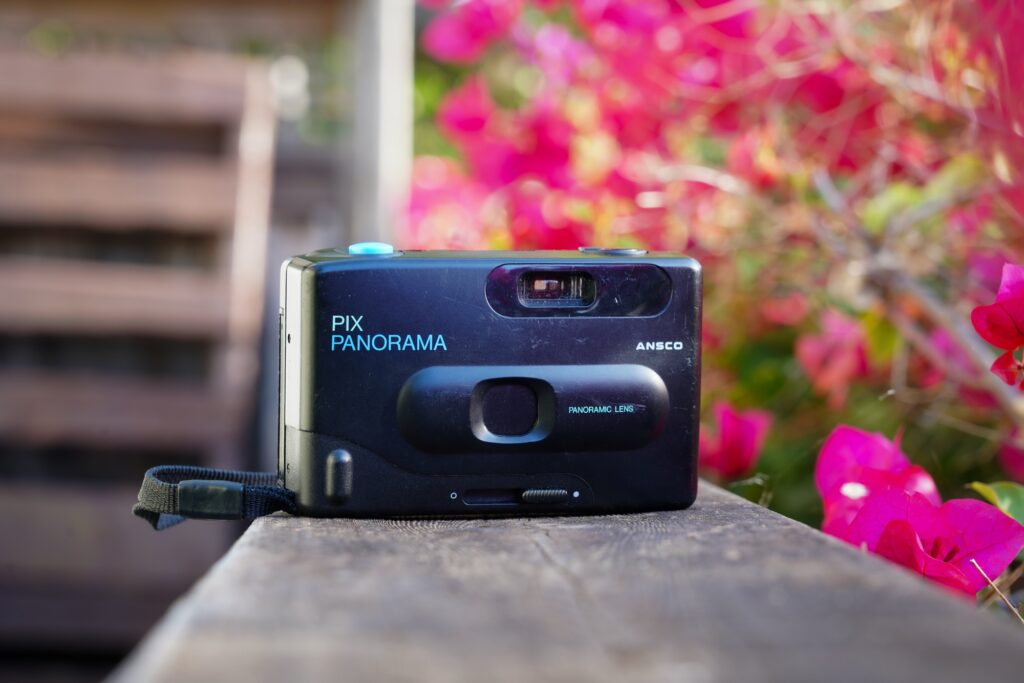
The Ansco Pix Panorama is about as simple as a 35mm camera can get. It’s an all-plastic, box-style camera with no exposure controls, no flash, and no light meter. Everything about it is fixed, which means it works best when the light is doing most of the work for you.
Operation is straightforward. You load a roll of 35mm film, slide open the lens cover, press the shutter, and wind to the next frame. The viewfinder is a direct optical finder, not through the lens, and it’s cropped to match the panoramic format. If you’re used to TTL viewfinders, there’s a small adjustment period.
The panoramic look comes from a mask inside the camera that crops the standard 35mm frame down to a narrow strip. The resulting negatives require heavier enlargement when printed, which naturally increases grain and softness in the final images.
Technical Specs:
- Lens: Approx. 28mm, fixed focus
- Shutter Speed: 1/125
- Aperture: f/11
- Film: 35mm
- Image Size: Approx. 13 × 36 mm (cropped via internal mask)
- Flash: None
- Exposure Controls: None
One small but notable detail is the built-in double-exposure prevention mechanism, a design commonly patented and used in the mid-1980s. It’s not something you’ll ever think about while shooting, but it shows that even a camera this basic had some mechanical consideration behind it.
Overall, the Pix Panorama is intentionally limited. It’s light, inexpensive, and easy to use, with just enough structure to make shooting feel uncomplicated.
Shooting Experience and Film Choice
For this test roll, I loaded the Ansco Pix Panorama with Fujifilm Fujicolor Superia X-TRA 400. I intentionally chose a cheaper, readily available film since this felt like the kind of camera meant for experimentation rather than careful, precious shooting.
In use, the Pix Panorama is very much a grab-and-go camera. I found myself tossing it into a beach bag without thinking twice about it, which is probably the highest compliment I can give a camera like this. It’s light, unobtrusive, and simple enough that you’re never debating whether it’s “worth” bringing along.
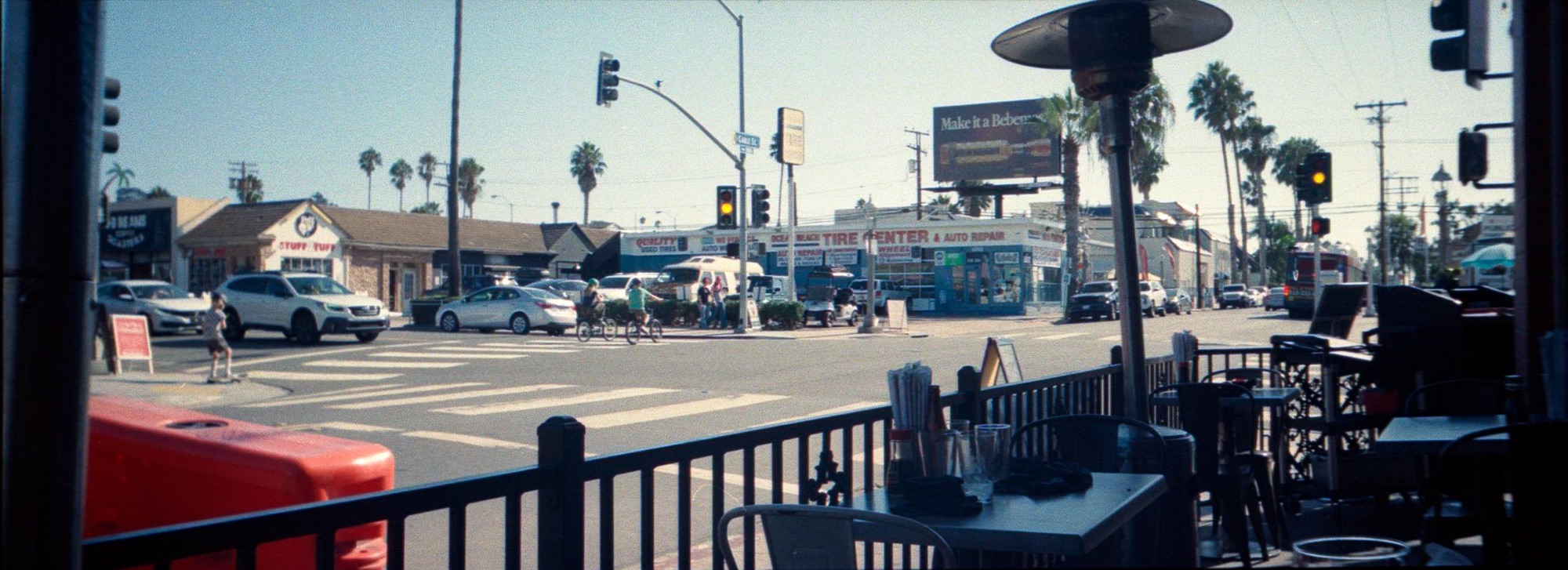
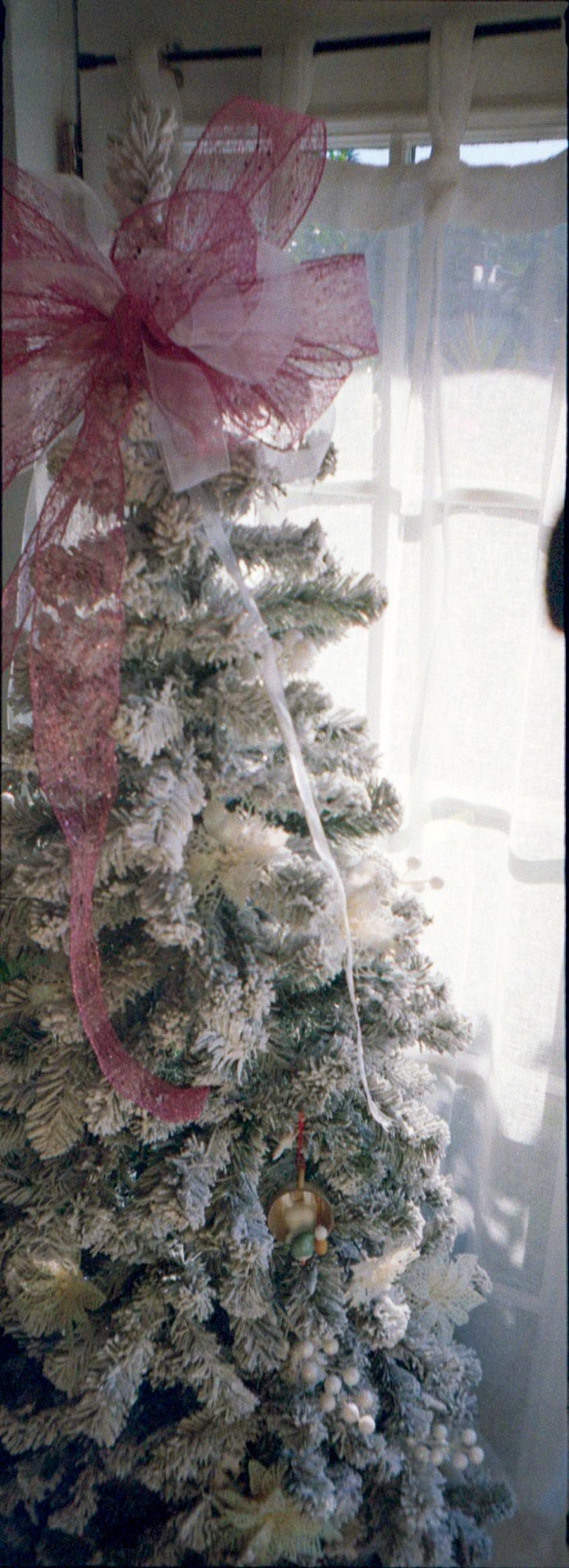
That simplicity also defines the shooting experience. There’s no flash and no exposure control, so lighting becomes the deciding factor in whether a frame works or not. In bright, direct sunlight, the camera performs reasonably well. As the sun dropped lower or when I stepped into shaded areas, results became much more inconsistent. Shooting in sunny Southern California helped, but even then, this is a camera that demands good light.
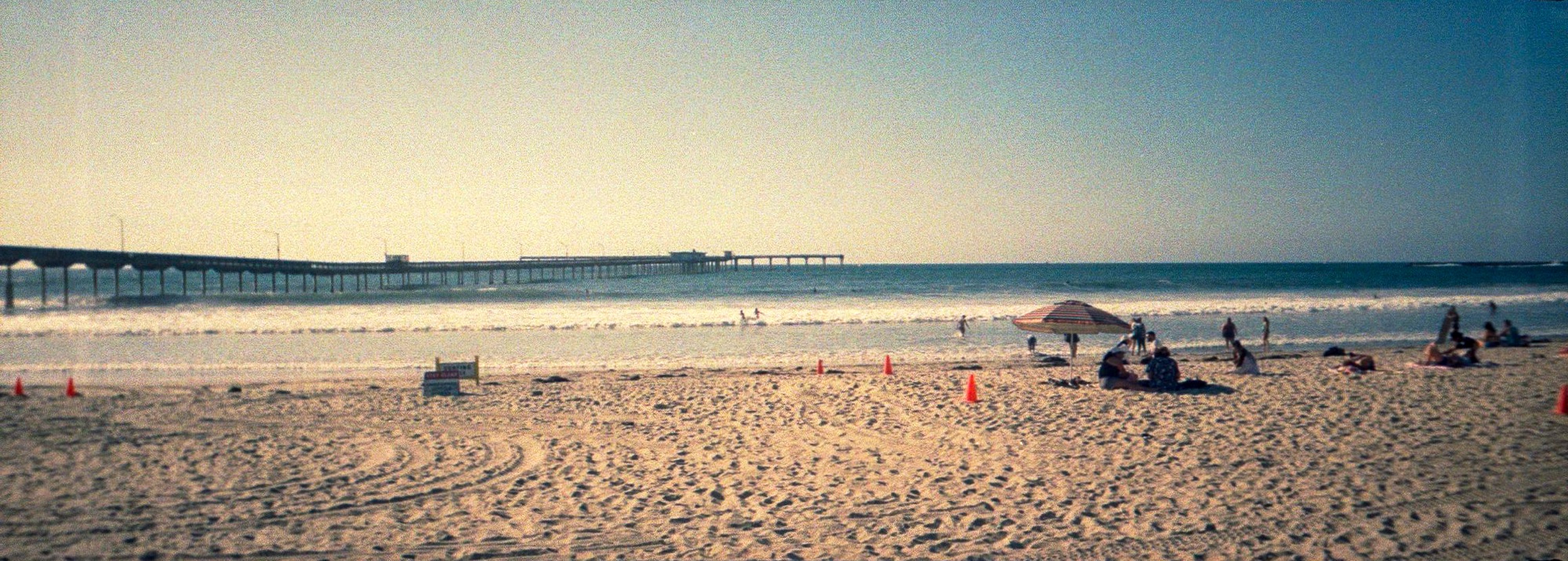
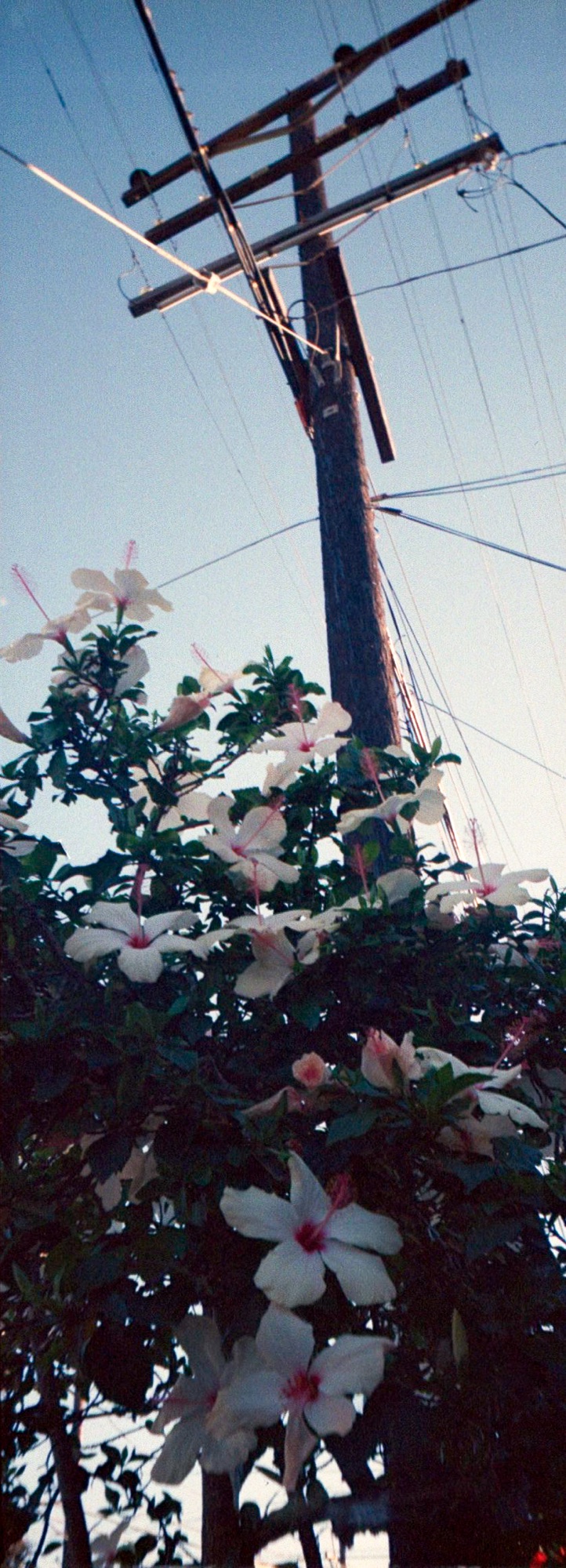
The cropped frame has a noticeable impact on image quality. Because such a small portion of the negative is being enlarged, the final images are grainier than standard 35mm shots. Personally, I don’t mind this. The grain feels baked into the character of the camera rather than a flaw to be corrected.
One small learning curve was the viewfinder. Since it’s not through the lens, framing takes a bit of recalibration, especially if you’re used to modern cameras. I definitely caught my finger creeping into the frame more than once without realizing it, a reminder that this camera asks you to slow down and pay attention in a different way.
Overall, shooting with the Pix Panorama feels casual and slightly unpredictable. Some frames worked, some didn’t, and that was kind of the point. You press the shutter, wind the film, and move on, knowing you won’t really know what you got until the roll is developed.
Quick Note: Scanning the Film & Post-Processing
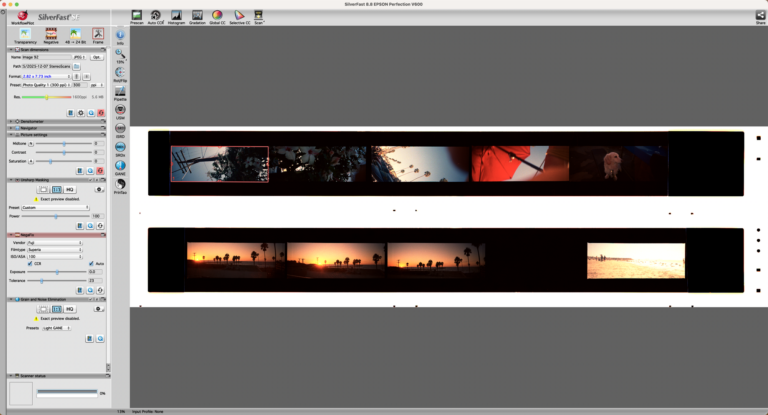
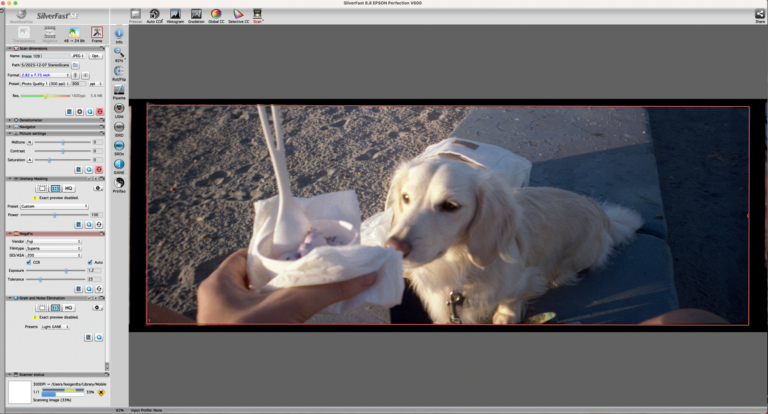
My scanning software didn’t automatically detect these as panoramic images (Epson V600 + SilverFast software), so the scans came in small and need to be cropped manually. Once cropped down to the exposed area, the images start to make sense and match what I saw through the viewfinder.
Because the camera uses such a small portion of the negative, grain becomes more noticeable after scanning. That’s expected and part of the trade-off with faux panoramic cameras like this.
The image above shows what the negatives look like straight out of the scanner, before any cropping or adjustments.
Sample Photos
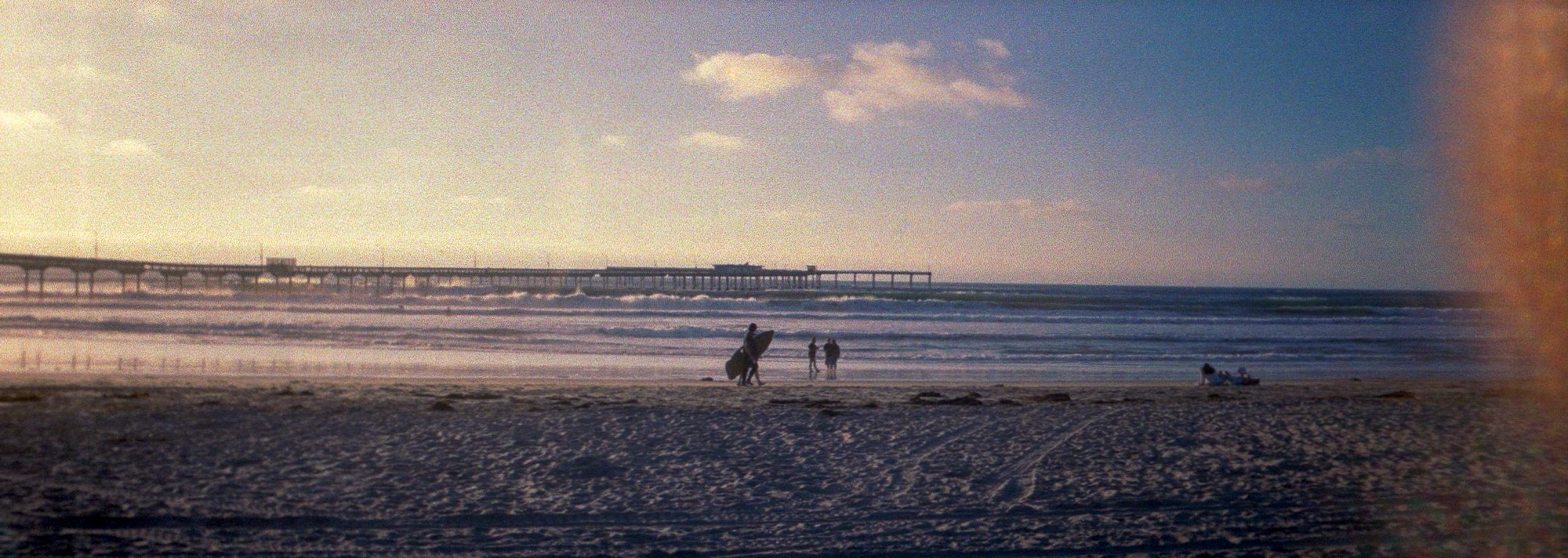
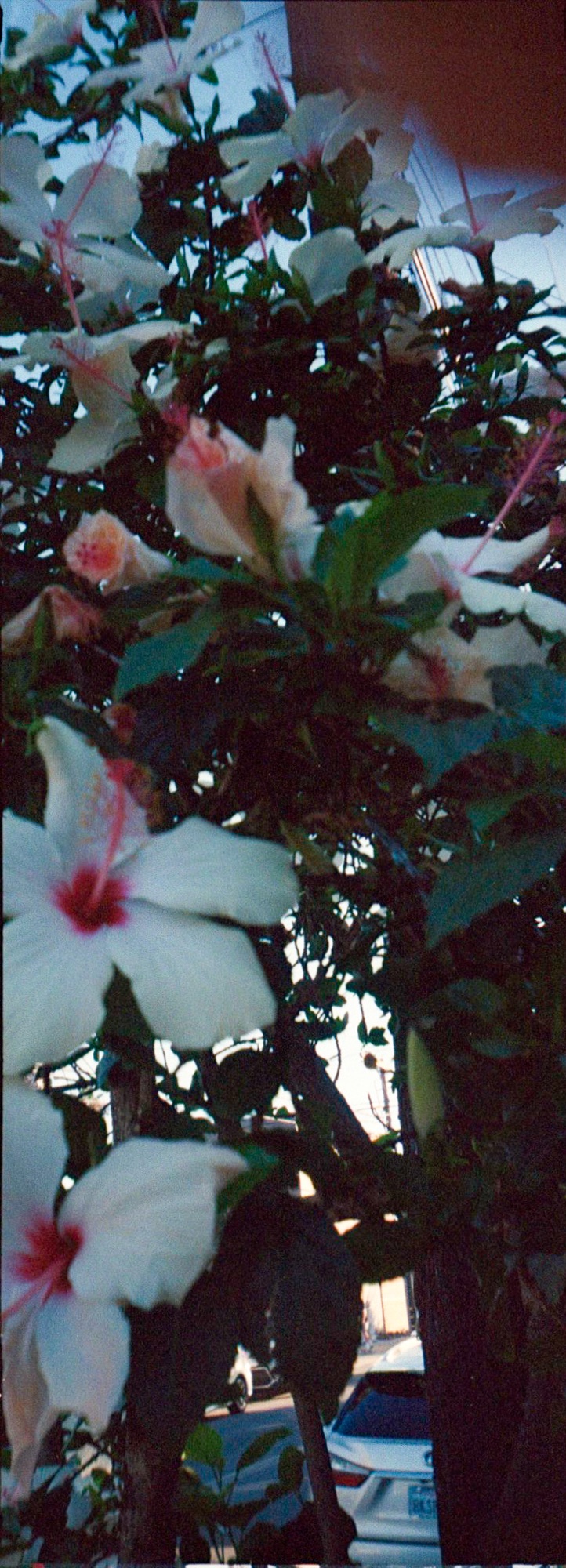
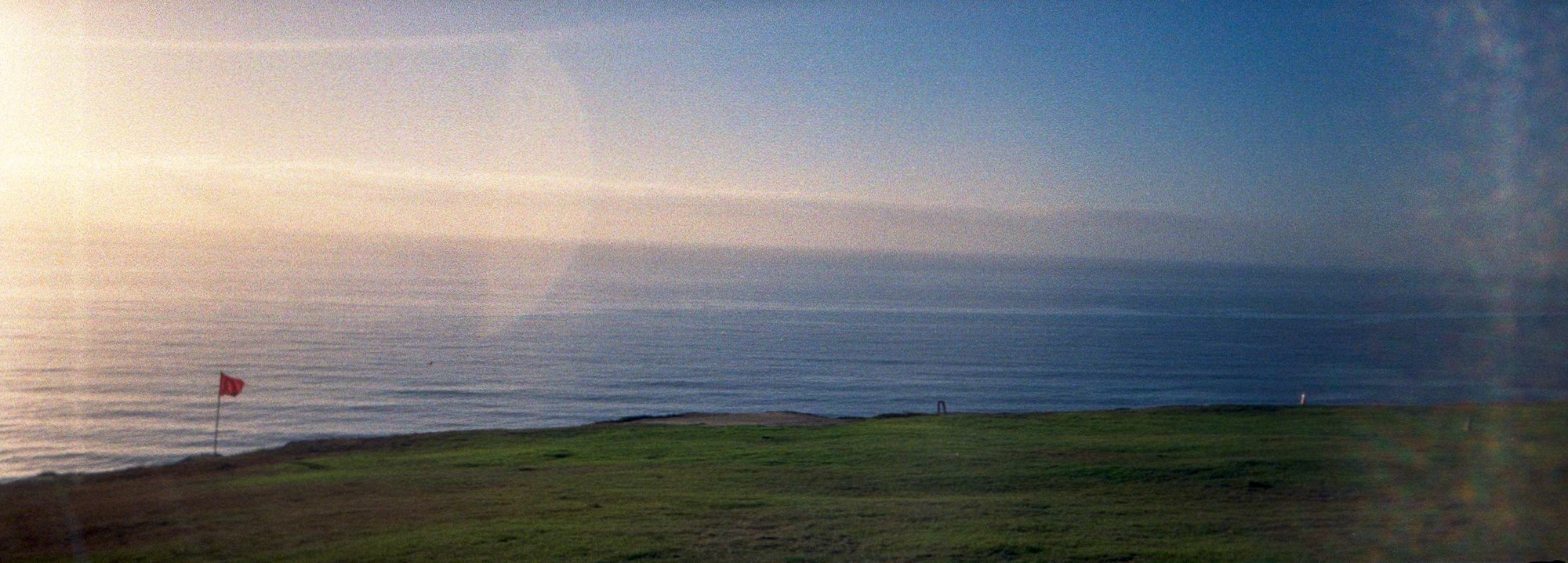
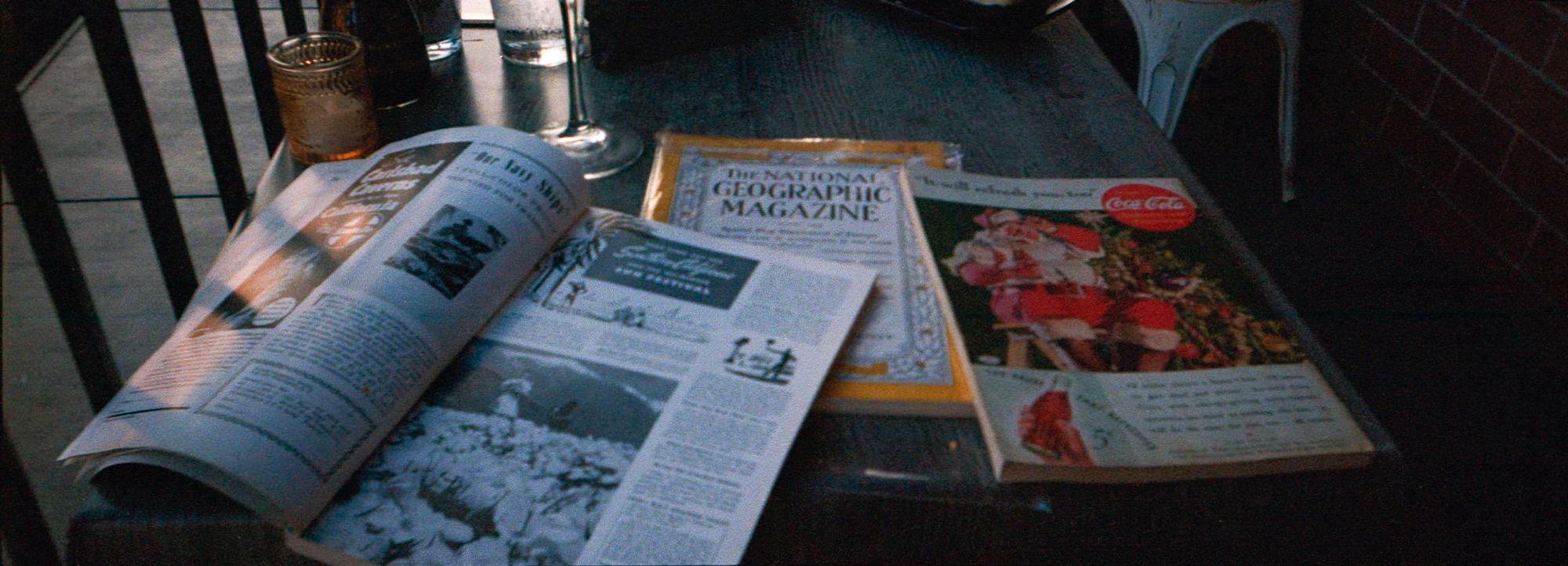
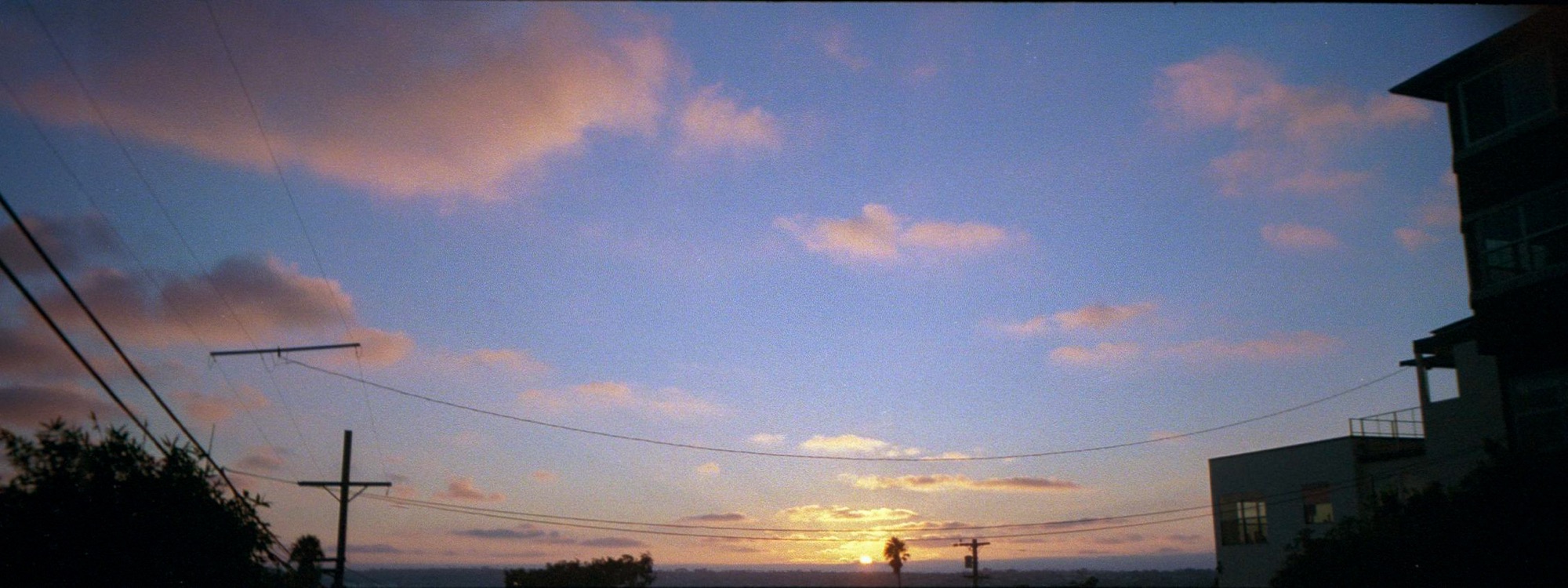
Below are the images from my test roll with the Ansco Pix Panorama. I’ve included everything, both the frames that worked and the ones that didn’t. This feels like the most honest way to show what this camera actually produces.






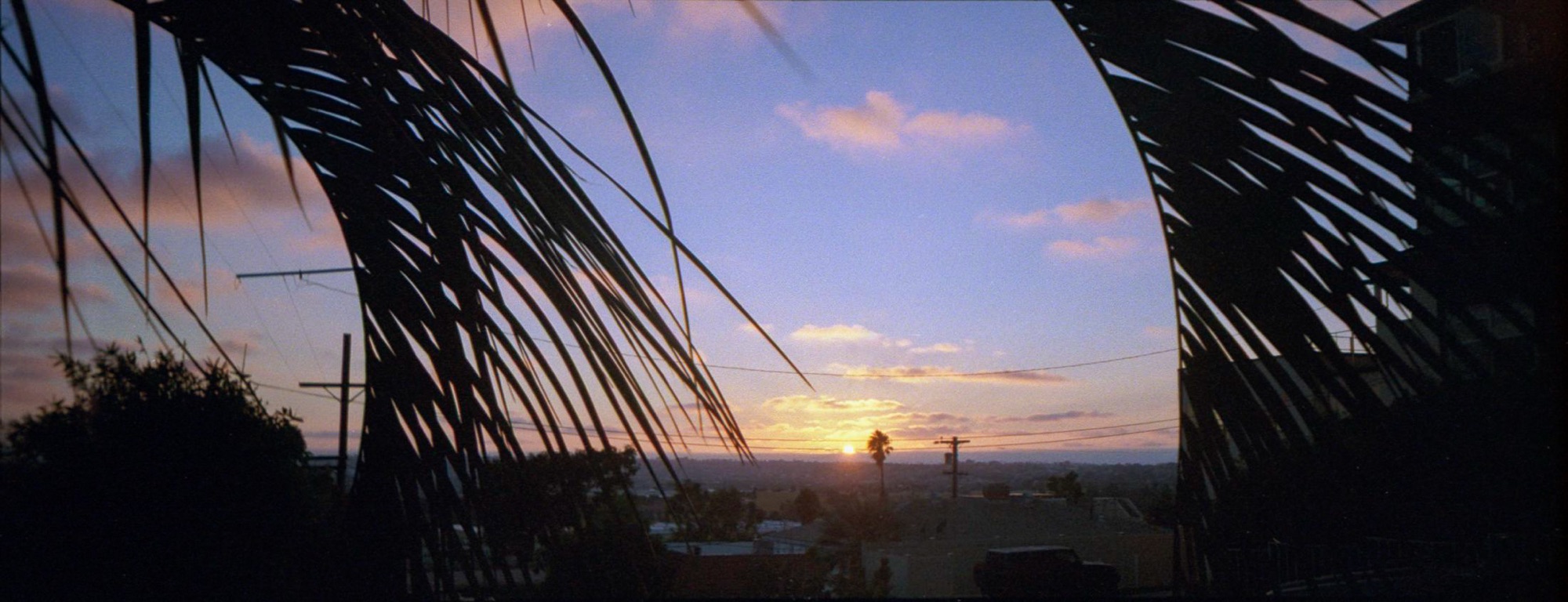

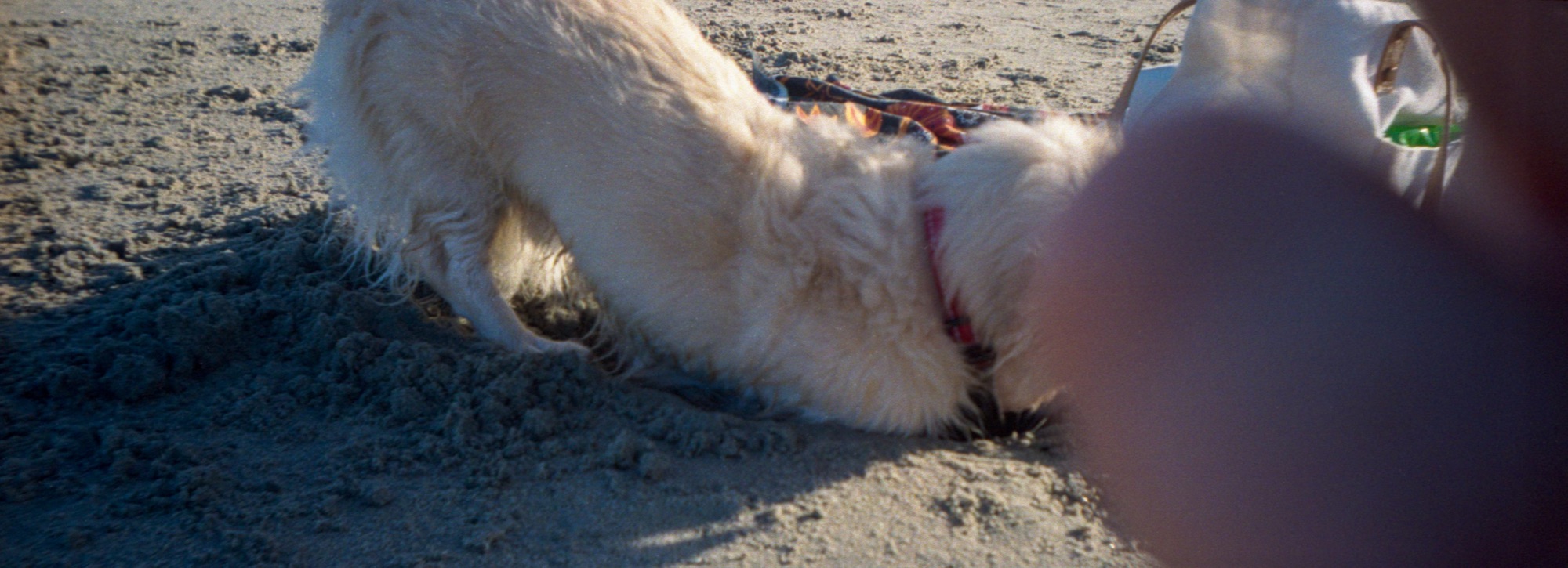



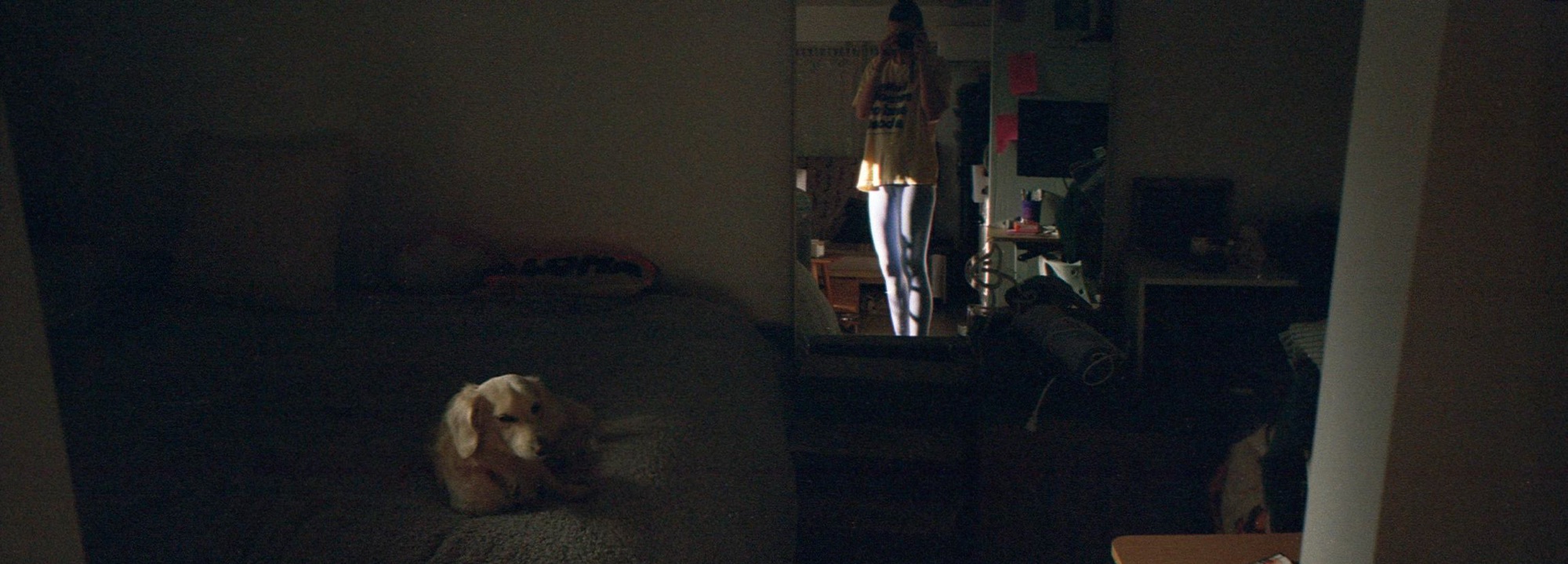


Final Thoughts on the Ansco Pix Panorama
The Ansco Pix Panorama is a simple, inexpensive camera that delivers exactly what you should expect from it. It’s limited, unpredictable, and very dependent on good light. If you go into it expecting precision or consistency, it will probably disappoint you.
That said, it’s a genuinely fun camera to use. Its biggest strength is how easy it is to bring along. It’s light, cheap, and unassuming, which makes it easy to shoot without overthinking. You load the film, press the shutter, and accept the results for what they are.
The “panoramic” look is more of an illusion than a technical achievement, but it still changes how you see and frame a scene. Combined with the grain and softness that come from the heavy crop, the images have a distinct look that feels honest to the camera’s design.
I’d happily shoot the Pix Panorama again, especially in bright conditions and casual settings where I don’t want to think too hard about the outcome. It’s not a camera that demands attention or care, and that’s part of its appeal. It works best when you meet it at its level and let go of control.
If you’re curious about faux panoramic cameras or just want something inexpensive to experiment with, the Ansco Pix Panorama is easy to recommend, as long as you know what you’re getting into.
Warm regards,
Lexi
Resources & Further Reading
If you want to dig deeper into the Ansco Pix Panorama, its history, quirks, and creative possibilities, these were the most helpful references I found during my research:
- Lomopedia: Ansco Pix Panorama (Lomography) – A solid general overview of the camera, including basic specs, background, and how it fits into the broader Lomography ecosystem.
https://www.lomography.com/magazine/282165-lomopedia-ansco-pix-panorama - Ansco Pix Panorama (Camera-Wiki) – A more technical and historical breakdown, useful for understanding manufacturing details and variations. https://camera-wiki.org/wiki/Ansco_Pix_Panorama
- Ansco Pix Panorama Manual (via Flickr / Camera-Wiki) – Scans of the original instruction manual, helpful for understanding intended operation and design choices.
https://www.flickr.com/photos/camerawiki/5719172580/in/photostream/ - “The Ansco Pix Panorama – Not Really Ansco, Not Really a Panorama” (Shoot Film Ride Steel) – A thoughtful, critical look at the camera’s origins and naming, with real-world shooting insight. https://shootfilmridesteel.com/the-ansco-pix-panorama-not-really-ansco-not-really-a-panorama/
- “It’s Patently Obvious: Ansco Pix Panorama” (Random Photo Blog) – A deep dive into the patent history and design lineage behind the camera. https://randomphoto.blogspot.com/2022/02/its-patently-obvious-ansco-pix-panorama.html
- Ansco Pix Panorama Review (DigitofilM) – A straightforward shooting review with sample results and practical observations. https://digitofilm.blogspot.com/2017/04/ansco-pix-panorama-review.html
- Faux Panoramic Camera Mods with the Ansco Pix Panorama (EMULSIVE) – A creative guide exploring modifications and experimental approaches to push the camera beyond its original intent. https://emulsive.org/articles/guides/faux-panoramic-camera-mods-with-the-ansco-pix-panorama