Explore my personal collection of vintage cameras, Polaroids, analog photography gear, and camera manuals, along with sample photos I’ve taken. Some cameras are still in use, while others are simply here to admire.
Functional & Operating
- Burke & James Press Camera (Large Format, 1950's)
- Stereo Realist (35mm, 1950's)
- Yashica Electro 35 (35mm, 1960's)
- Vest Pocket Kodak (127, 1910's)
- Asahi Pentax ME (35mm, 1970's)
- Mamiya RZ67 (Medium Format)
- Argus & Cosina 706 Super 8 Movie Camera (1970's)
- Ansco Pix Panorama (35mm, 1990's)
- Polaroid Autofocus 660 (Polaroid 600, 1980's)
- Kodak Duaflex III (620 roll film, 1950's)
- Argus Argoflex Seventy-Five (620 roll film, 1950's)
Untested, or Testing in Progress
- Yashica 8 E-3 8mm Movie Camera (8mm Movie Film, 50's-60's)
- Bell & Howell 16mm Magazine Camera 200-TA (16mm movie film, 1950's)
- Minolta 16 Spy Camera (16mm film, 50's-70's)
- Kodak Stereo Camera (35mm, 1950's)
- Polaroid SX-70
- Polaroid flashgun #268 (for 100 Series)
- Kodak Brownie Hawkeye (620 Roll film, 1950's)
- Jiffy Kodak Six-16 (616 Roll film, 1930's)
- No. 3A Folding Pocket Kodak (122 Roll film, 1903)
Shelf Trophies (Not Functional / No Film)
- Original Polaroid Land Camera, Model 95 (1940's)
- Polaroid Land Camera, Model 80A (1950's)
- Polaroid Land Camera, Model 80B (1950's)
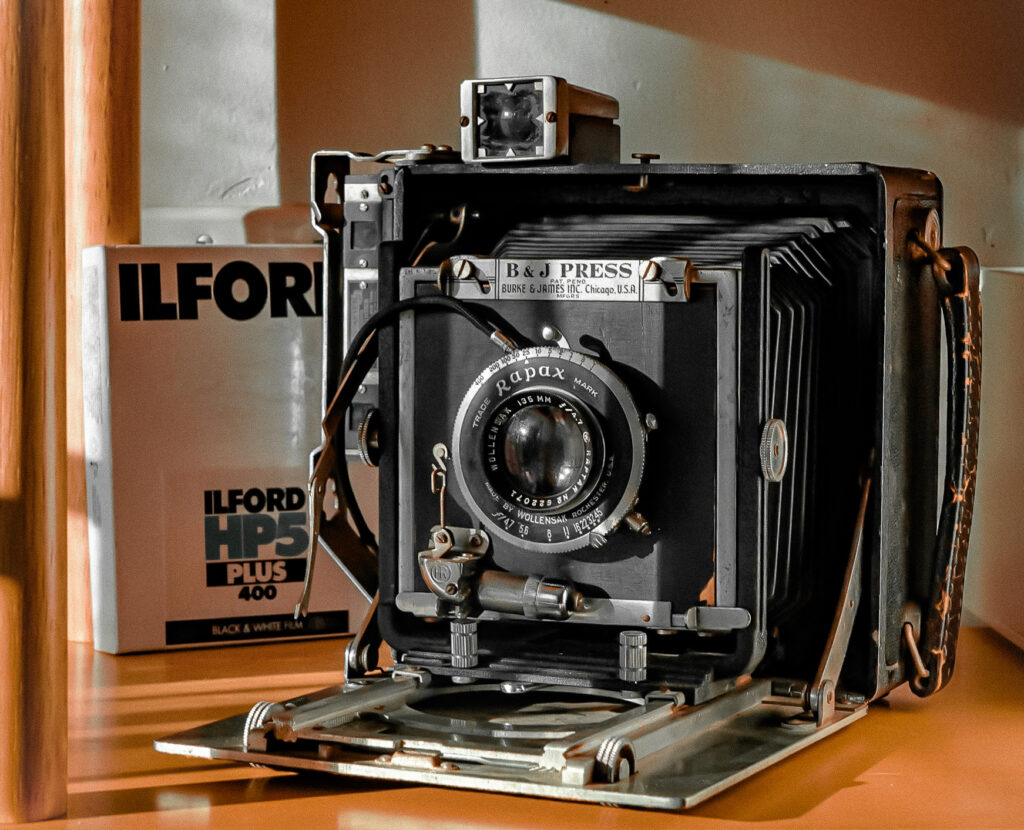
Burke & James Press Camera
The Burke & James Press Camera was a workhorse for photojournalists in the mid-20th century, known for its sturdy build and large-format negatives that delivered incredible detail. My model dates to the 1950s and is currently being cleaned and refurbished. The seller I purchased it from confirmed it’s still in working condition, and I’m excited to eventually put it back into use with fresh film and see what kind of results it can produce.
Check out my blog post(s) about this camera:
Discovering the 1950s Burke & James 4×5 Press Camera
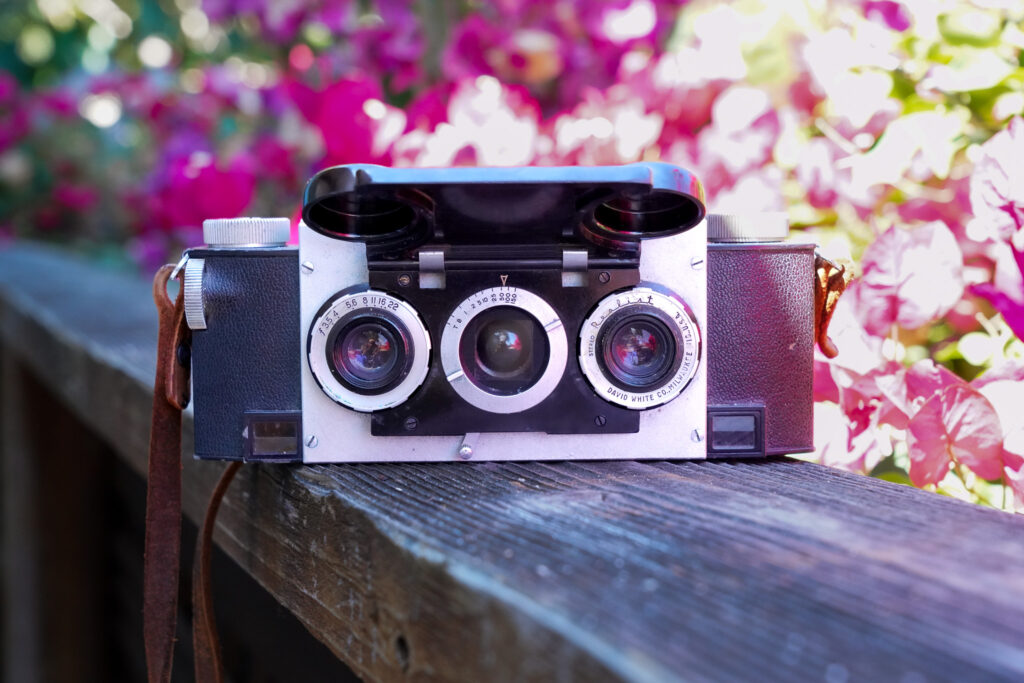
Stereo Realist
The Stereo Realist, introduced in the early 1950s, became one of the most iconic 3D cameras of its time. It used 35mm film to capture paired images that, when viewed through a stereoscope, created a striking sense of depth and realism. My model is still fully functional, and I love how its dual lenses capture small, everyday scenes in vivid detail — turning simple moments into immersive 3D memories.
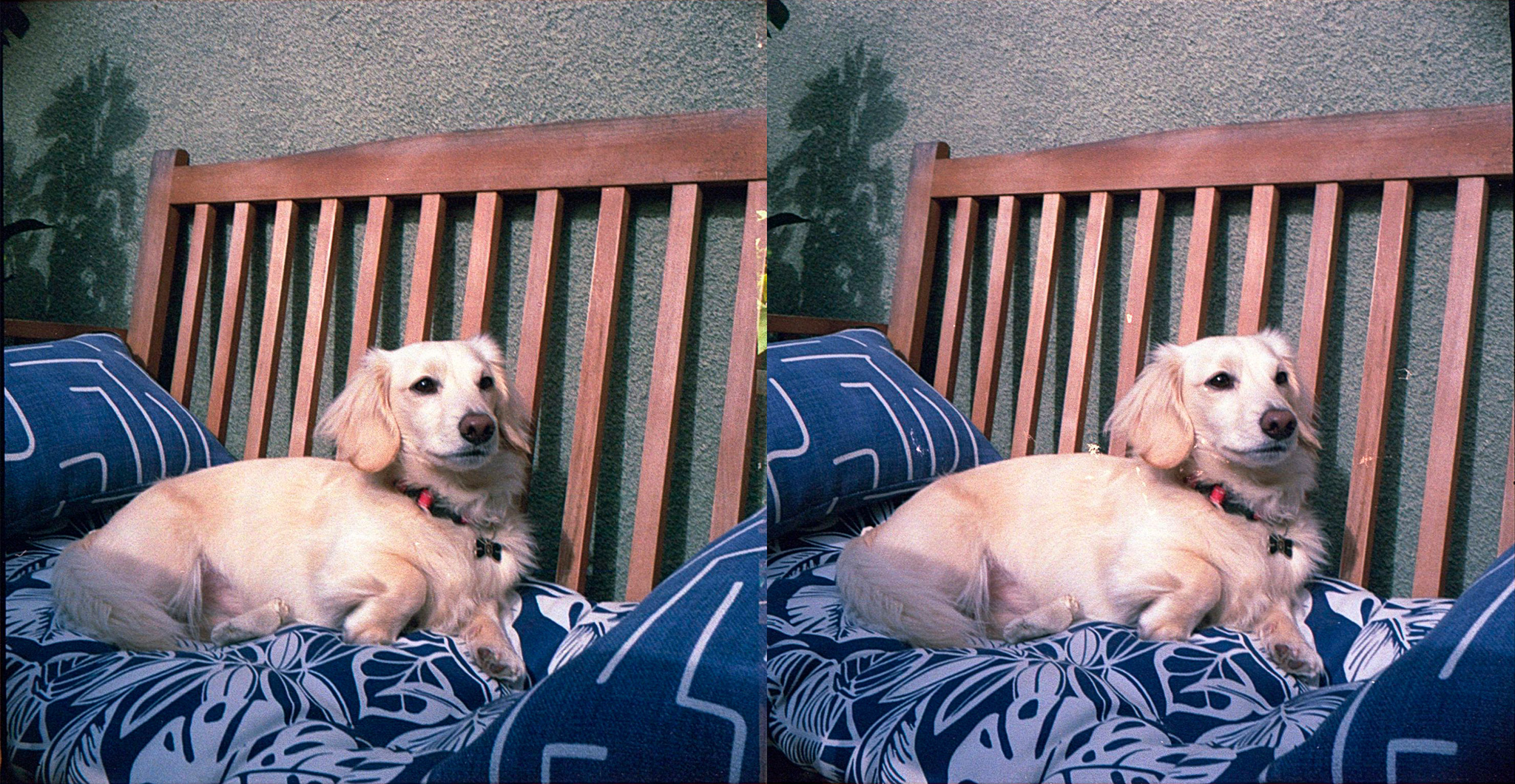
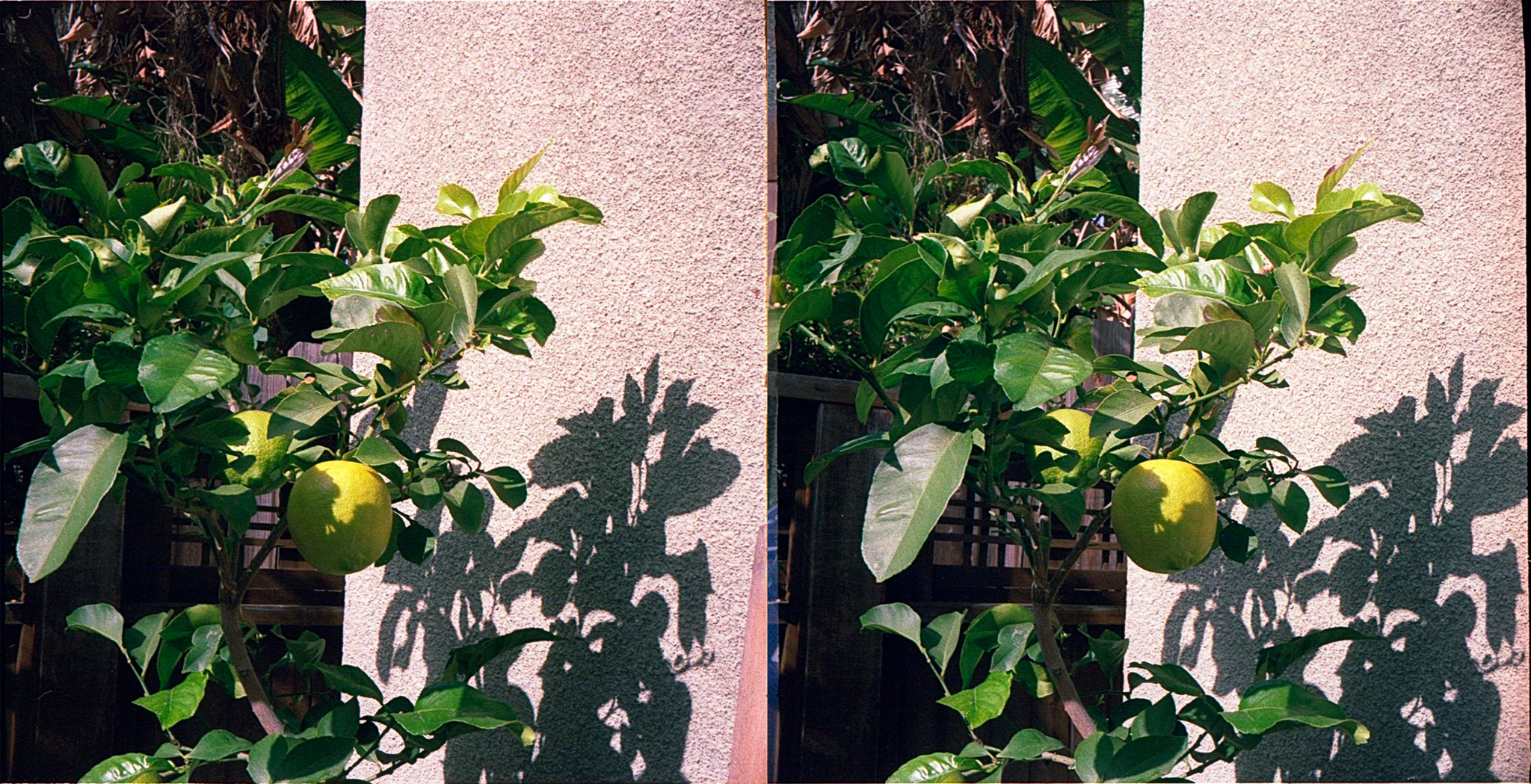
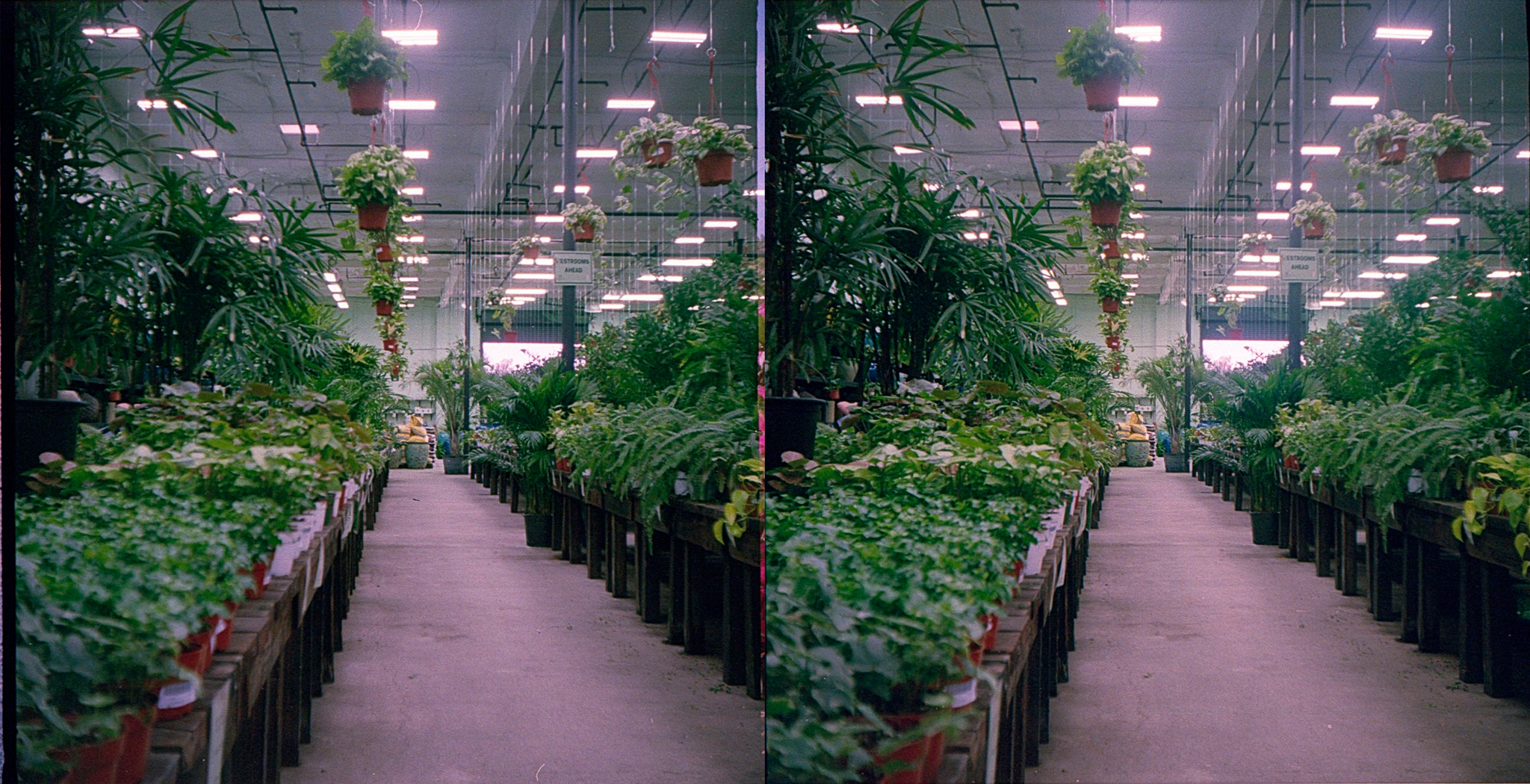
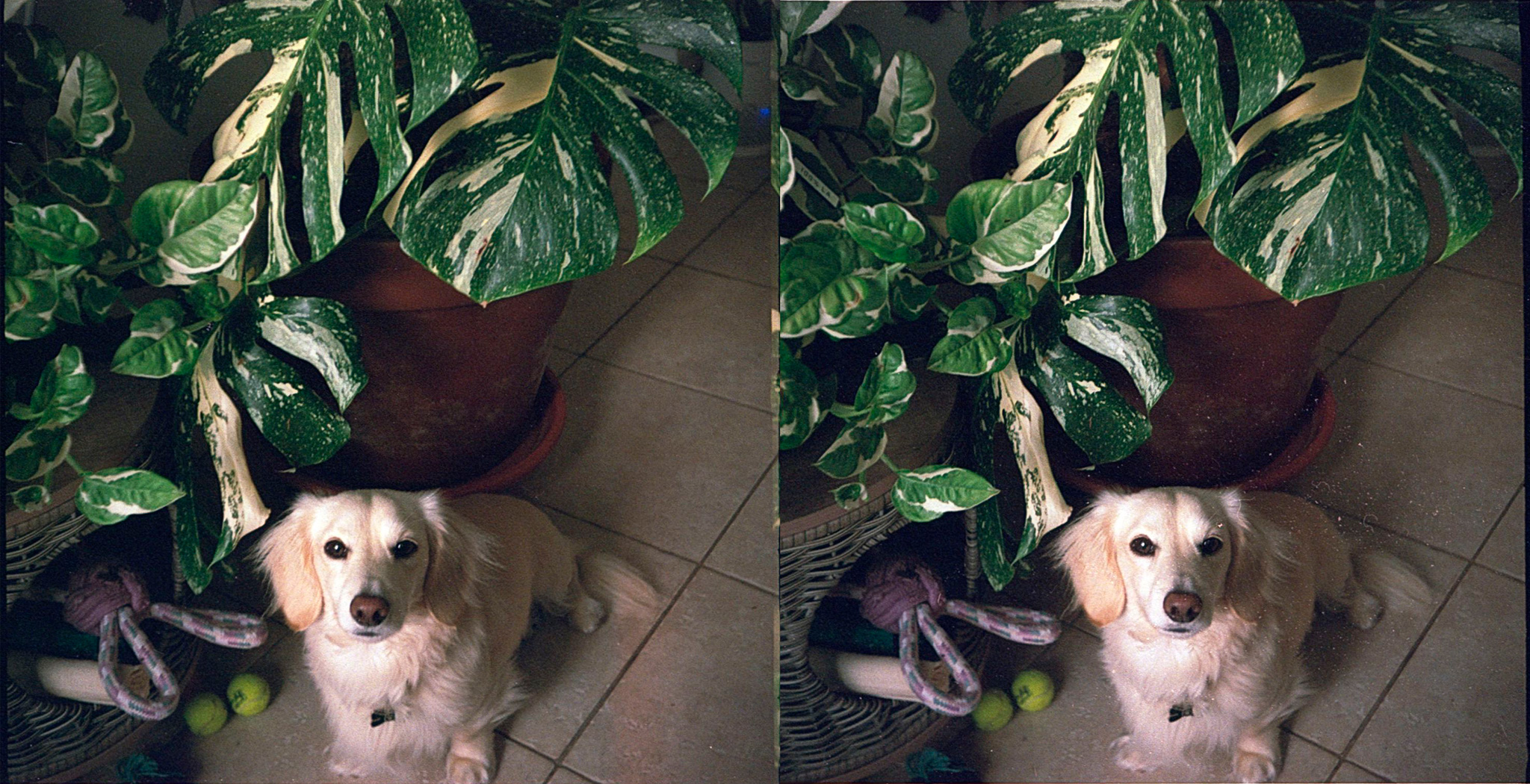
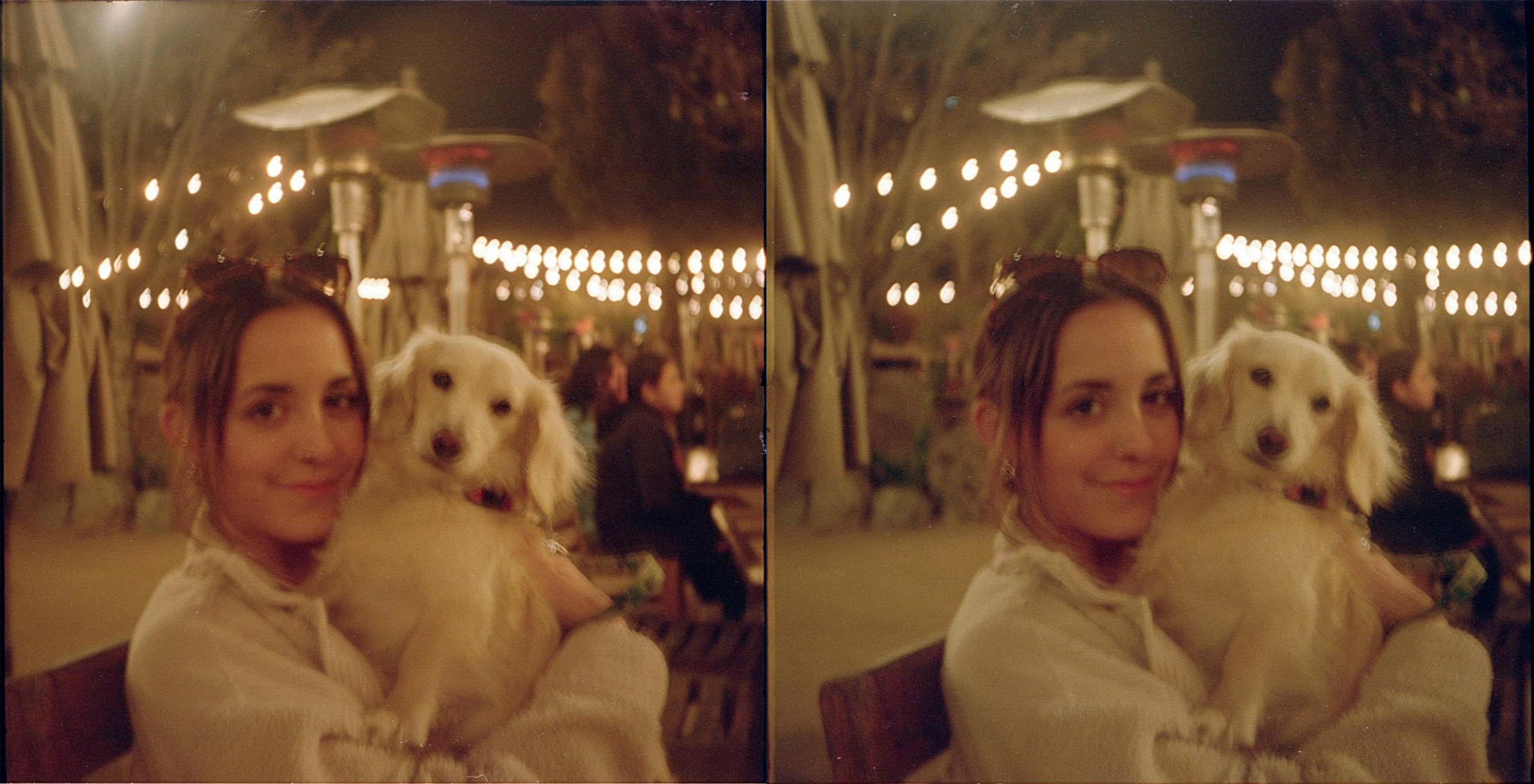
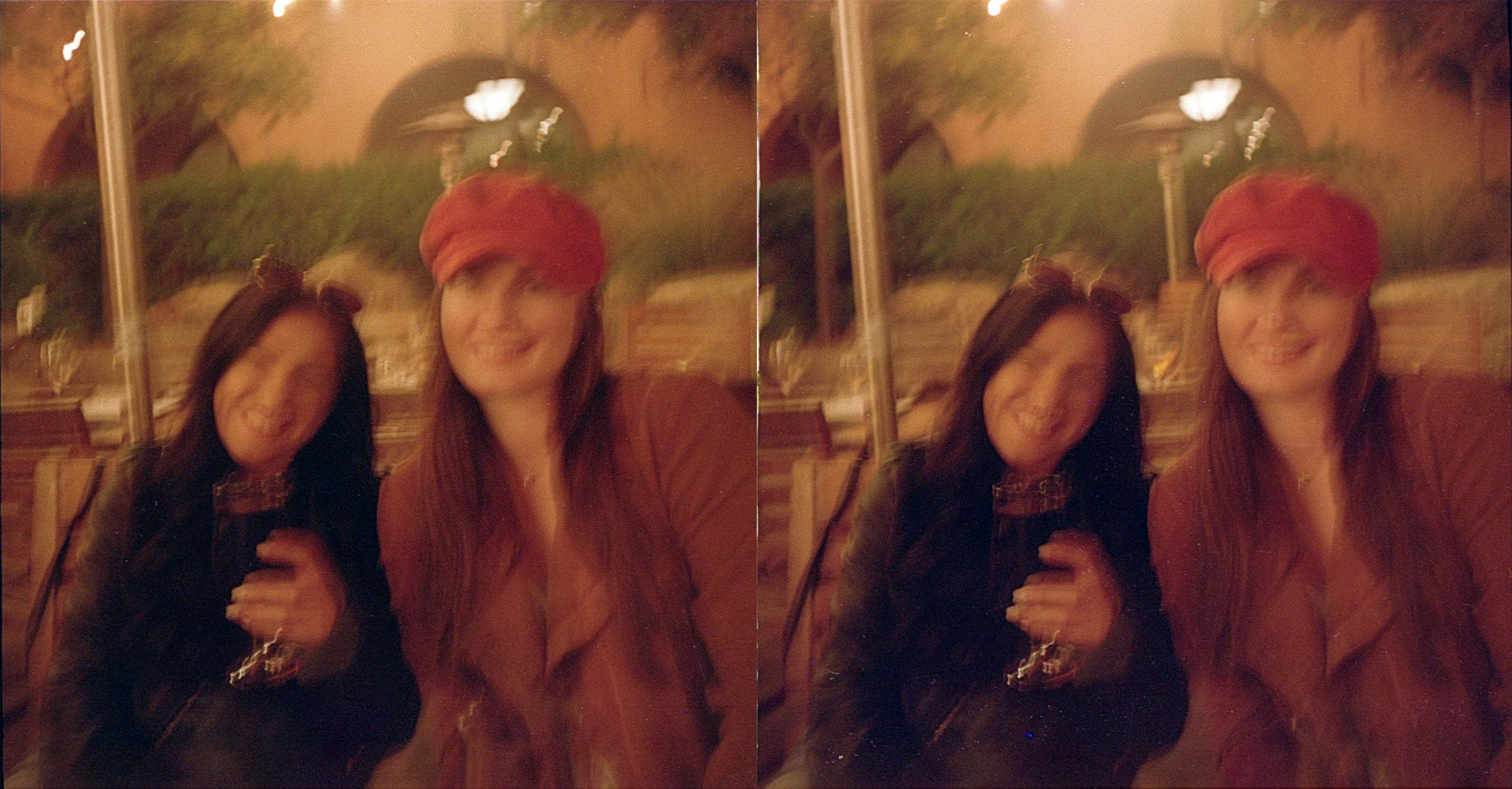
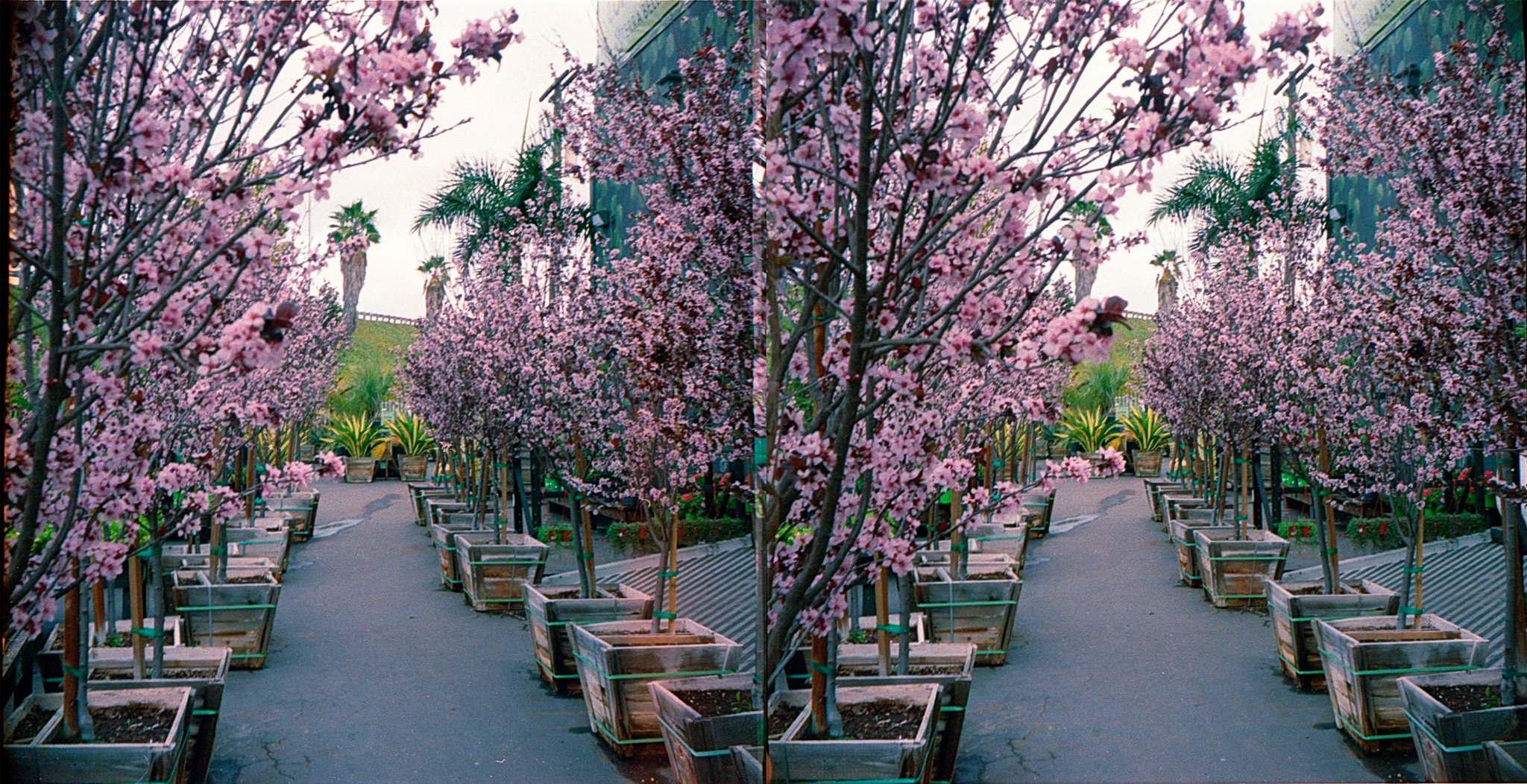
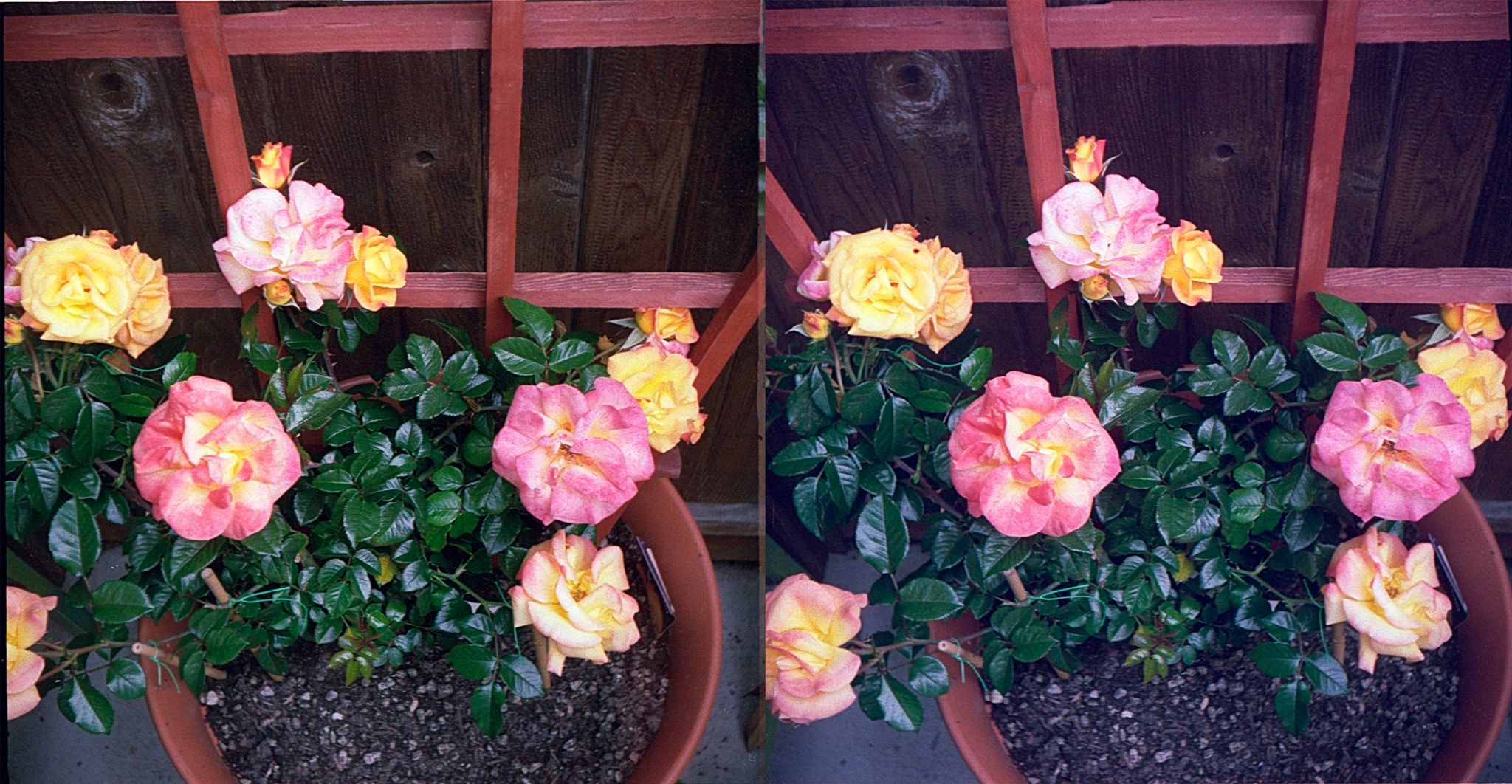
Check out my blog post(s) about this camera:
Exploring the Stereo Realist: Vintage 3D Stereoscopic Film For Beginners
Yashica Electro 35
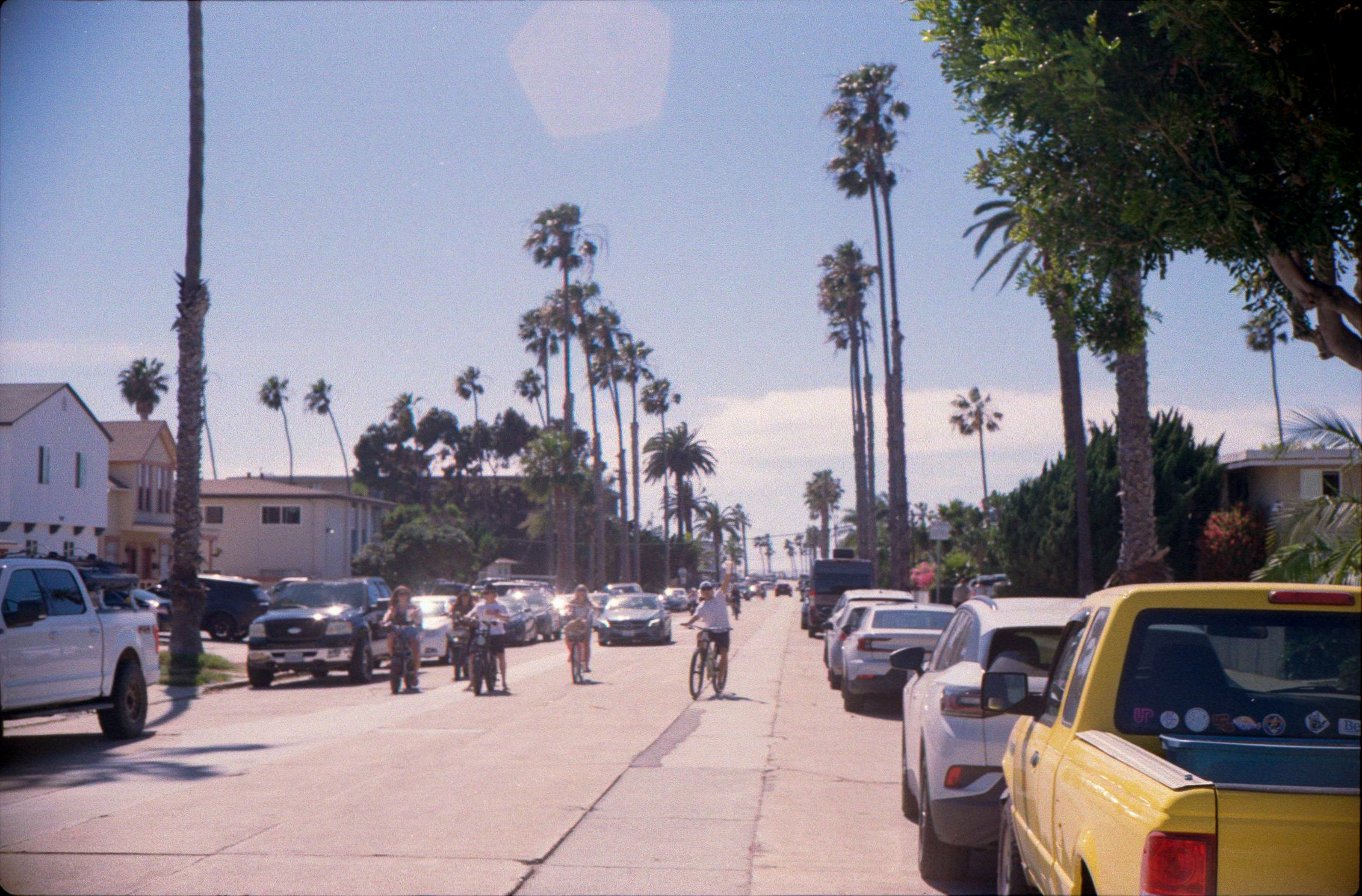
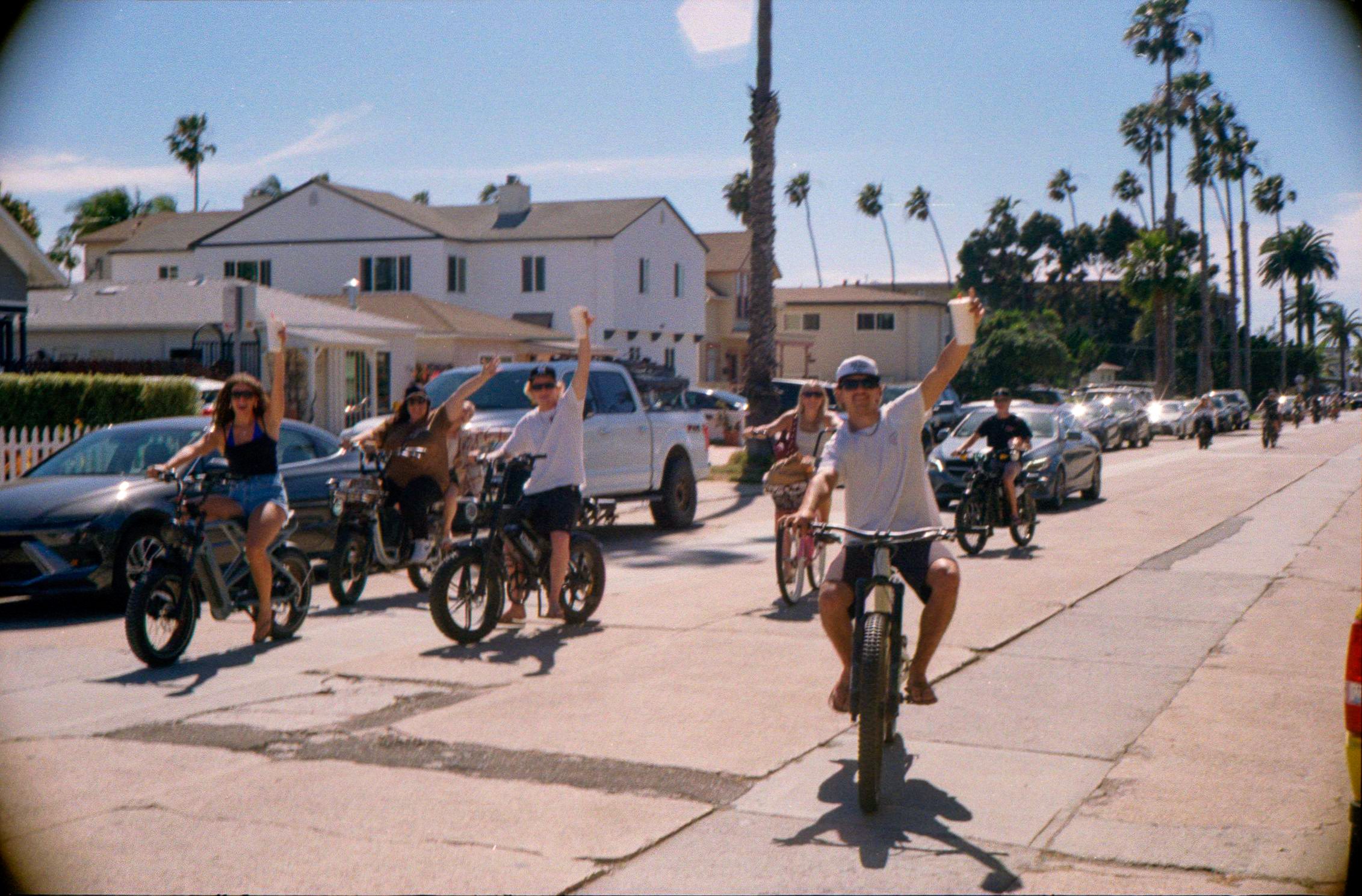
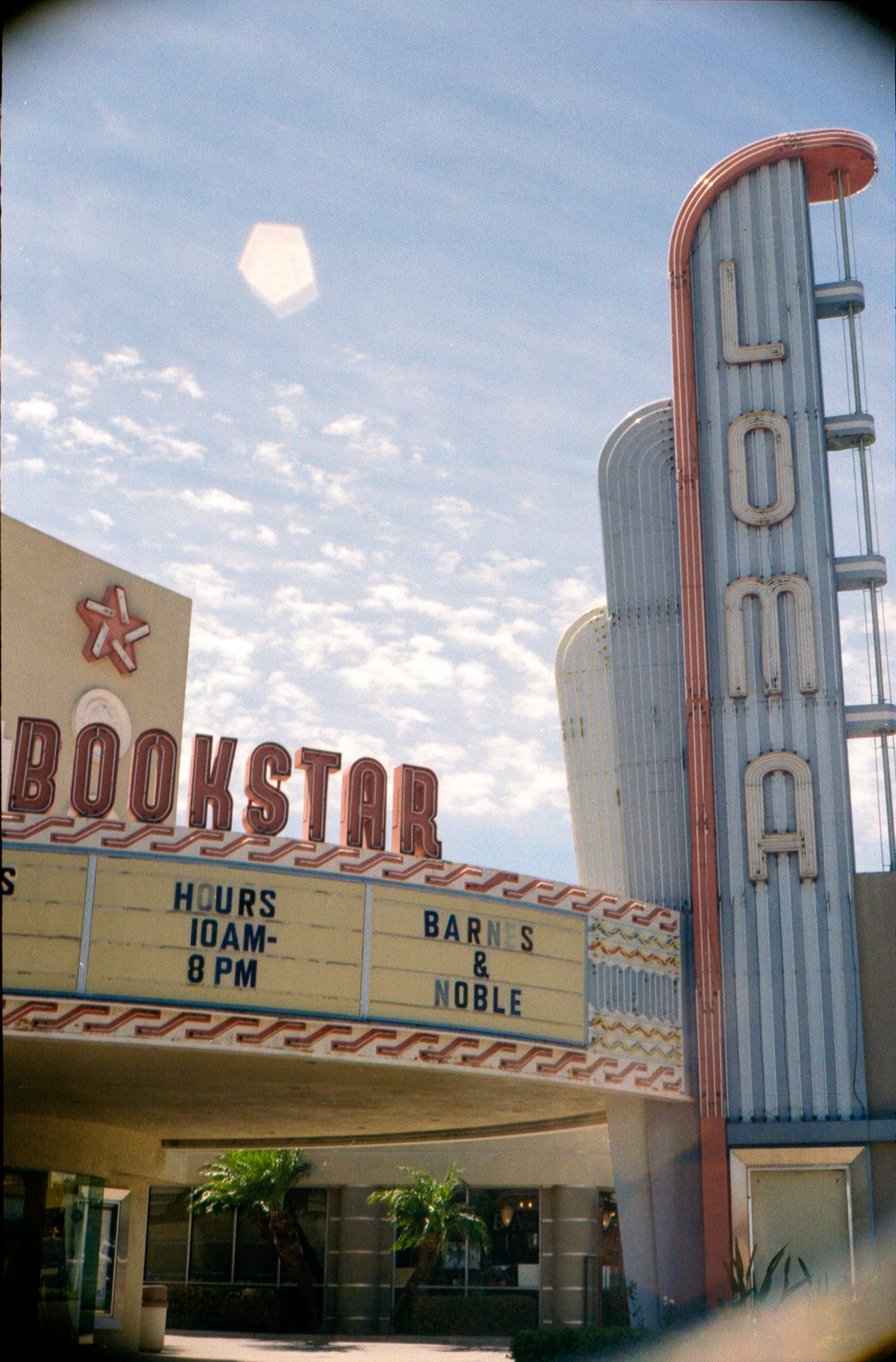
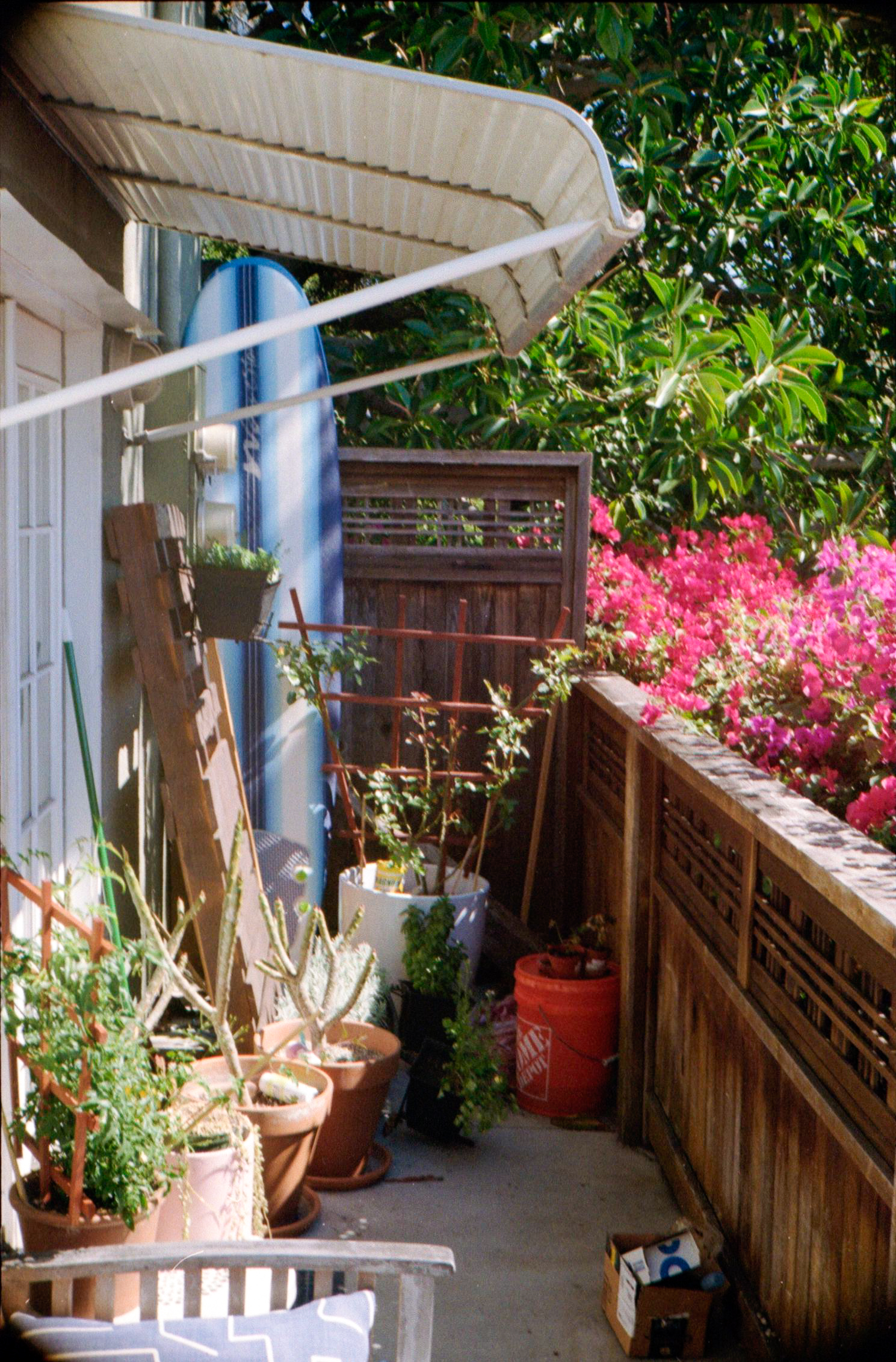
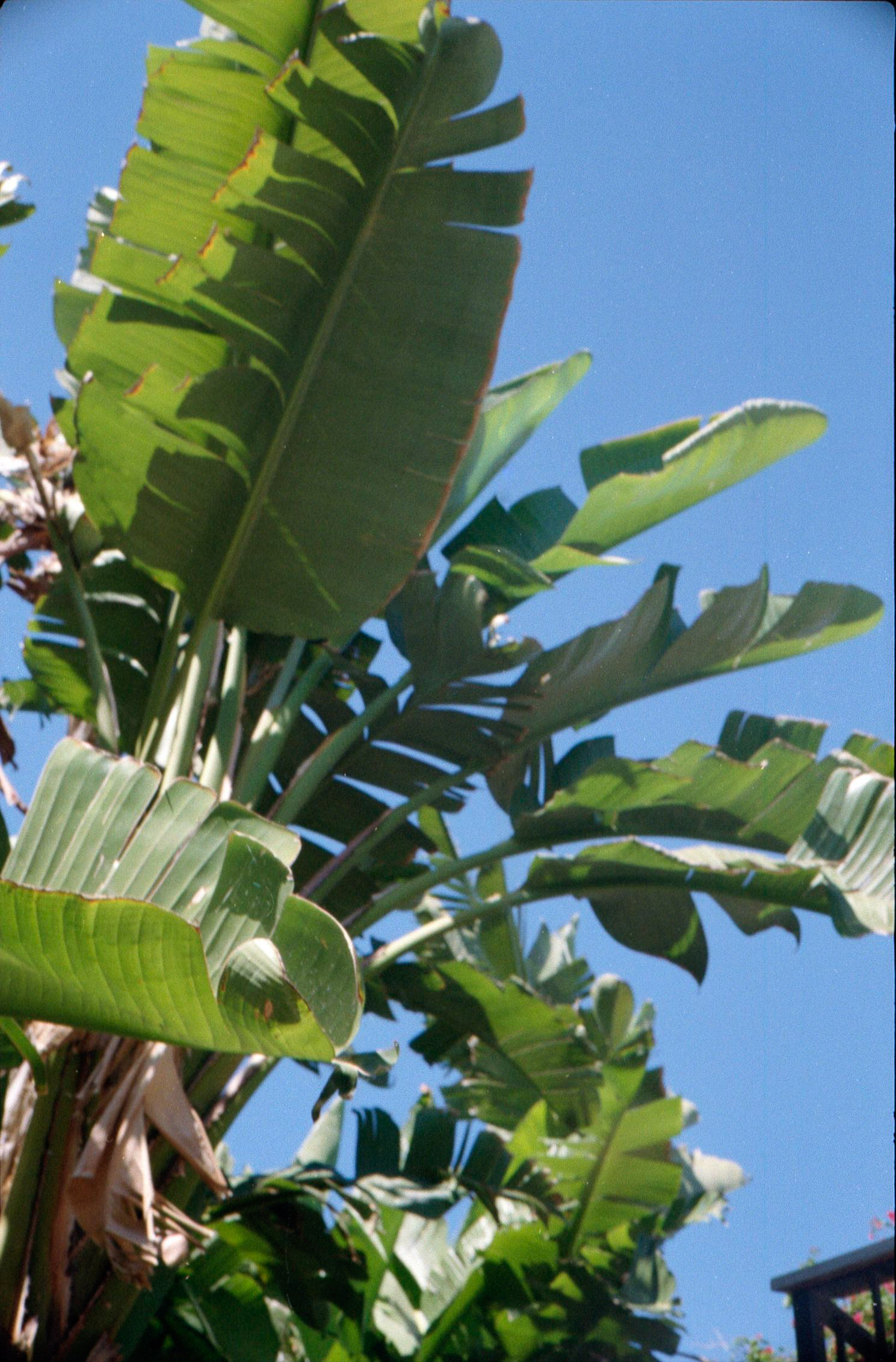
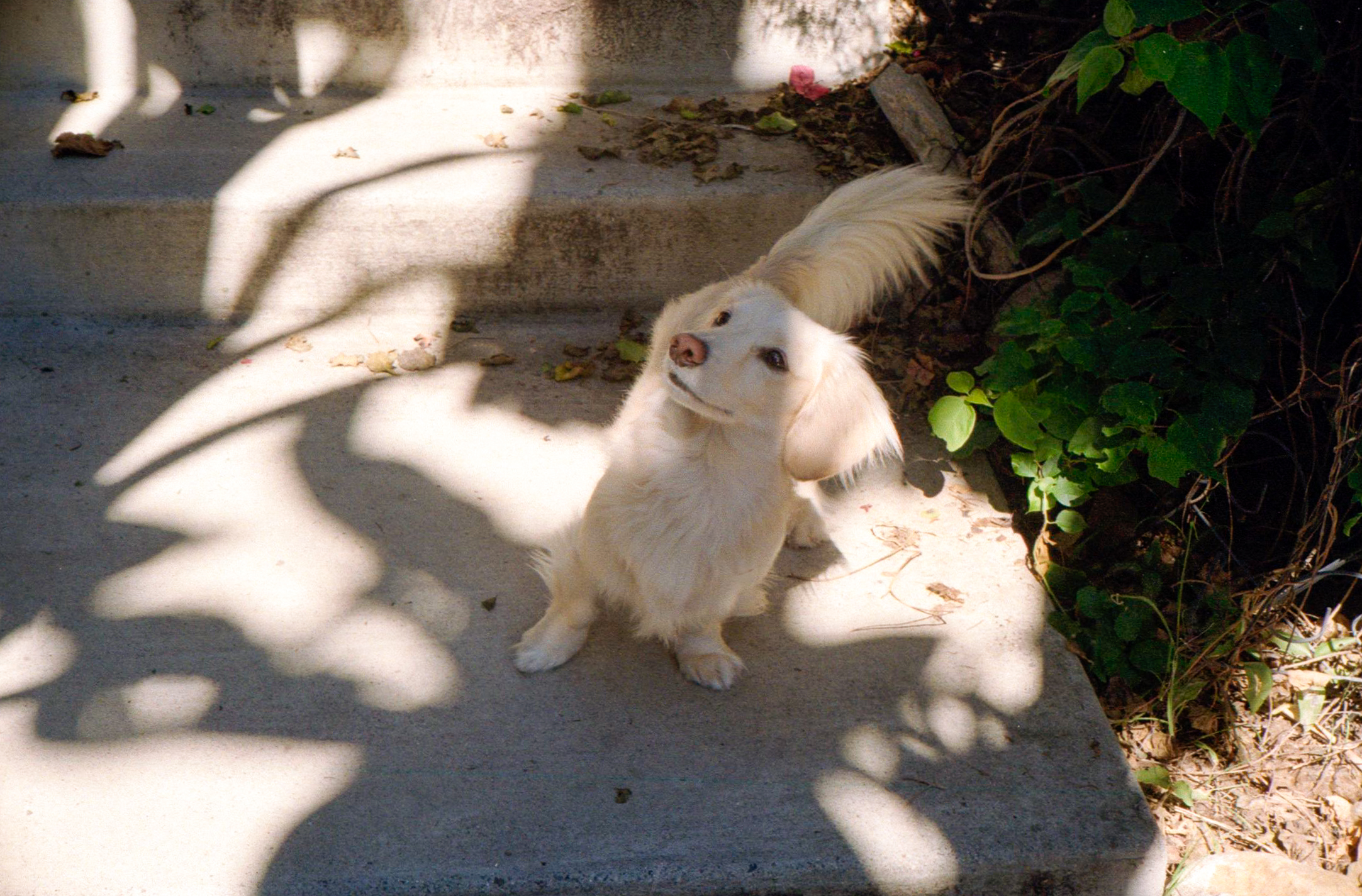
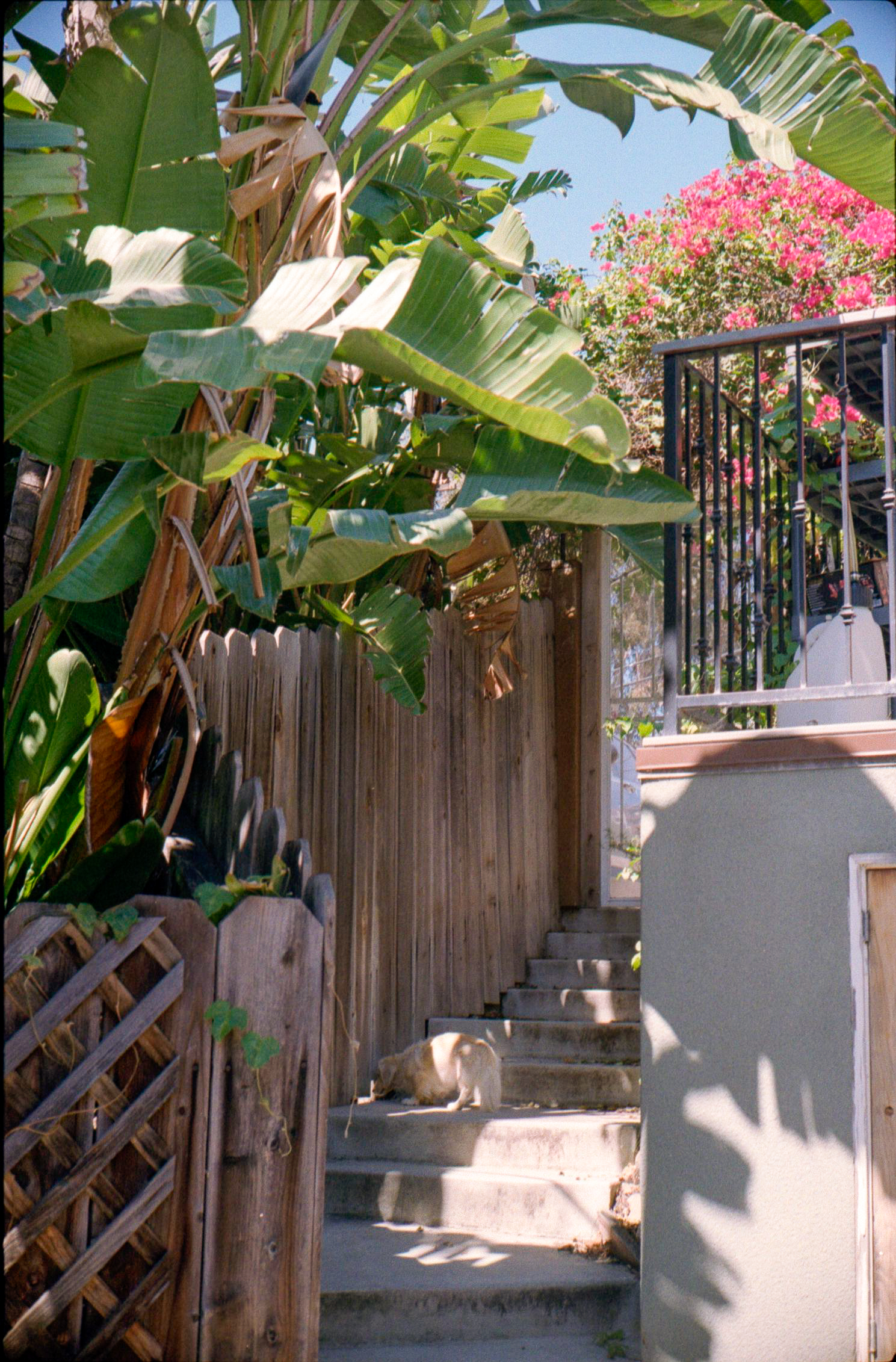
The Yashica Electro 35, introduced in the late 1960s, was one of the first cameras to use electronic exposure control and quickly earned a reputation as a sharp, reliable rangefinder that could compete with models twice its price. Its fast 45mm f/1.7 lens made it a favorite for low-light shooting, and its satisfying mechanical feel gave it a cult following that’s still going strong. Mine is fully functional, and I love how effortlessly it handles available light.
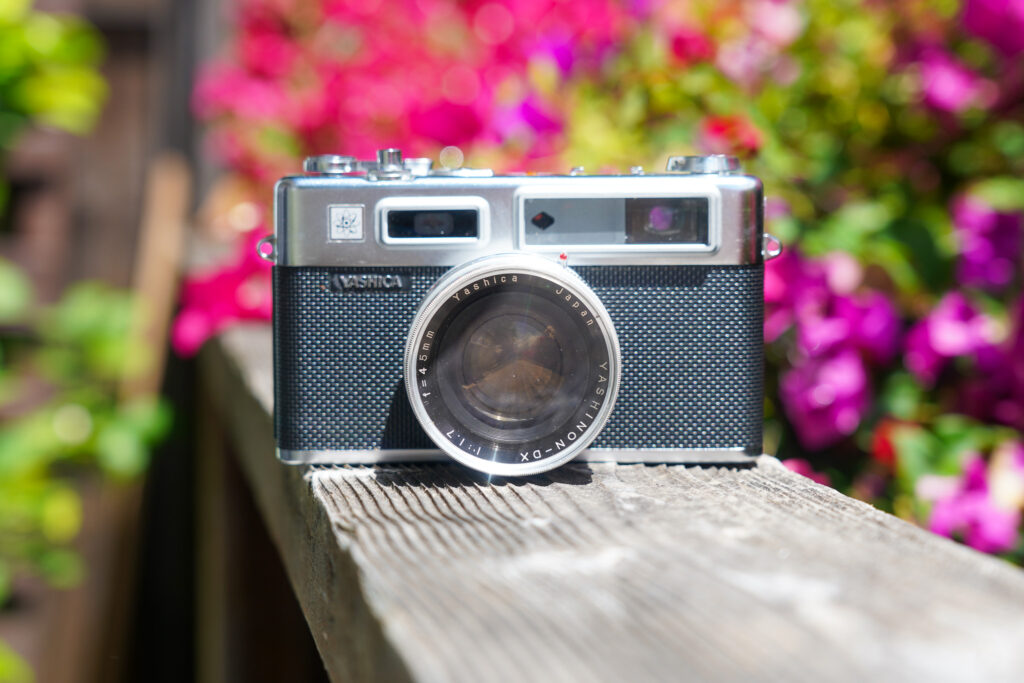
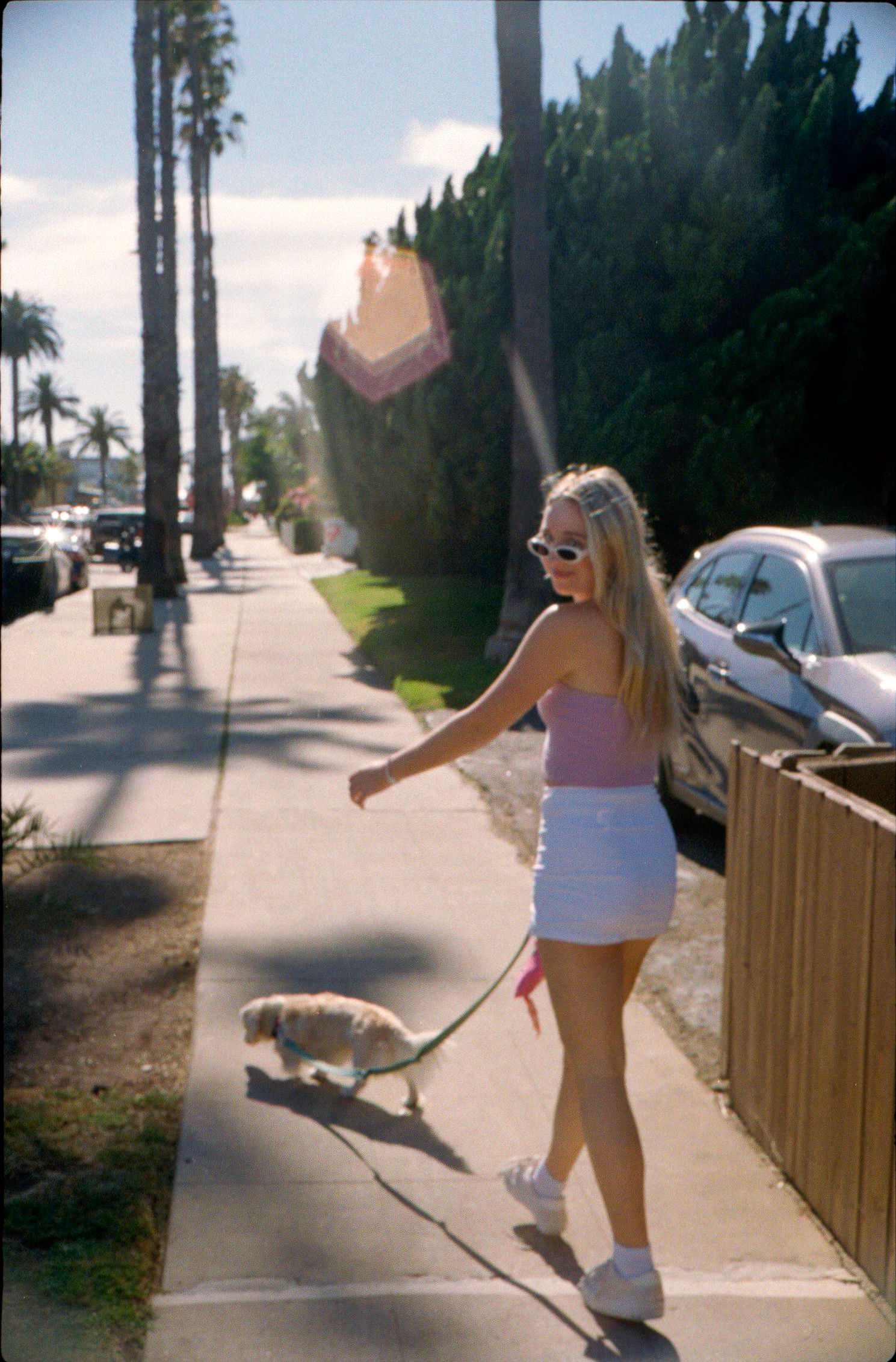
Check out my blog post(s) about this camera:
The Yashica Electro 35 Makes Every Shot Look Like a Memory (Initial Review, Specs + Sample Photos)
Vest Pocket Kodak
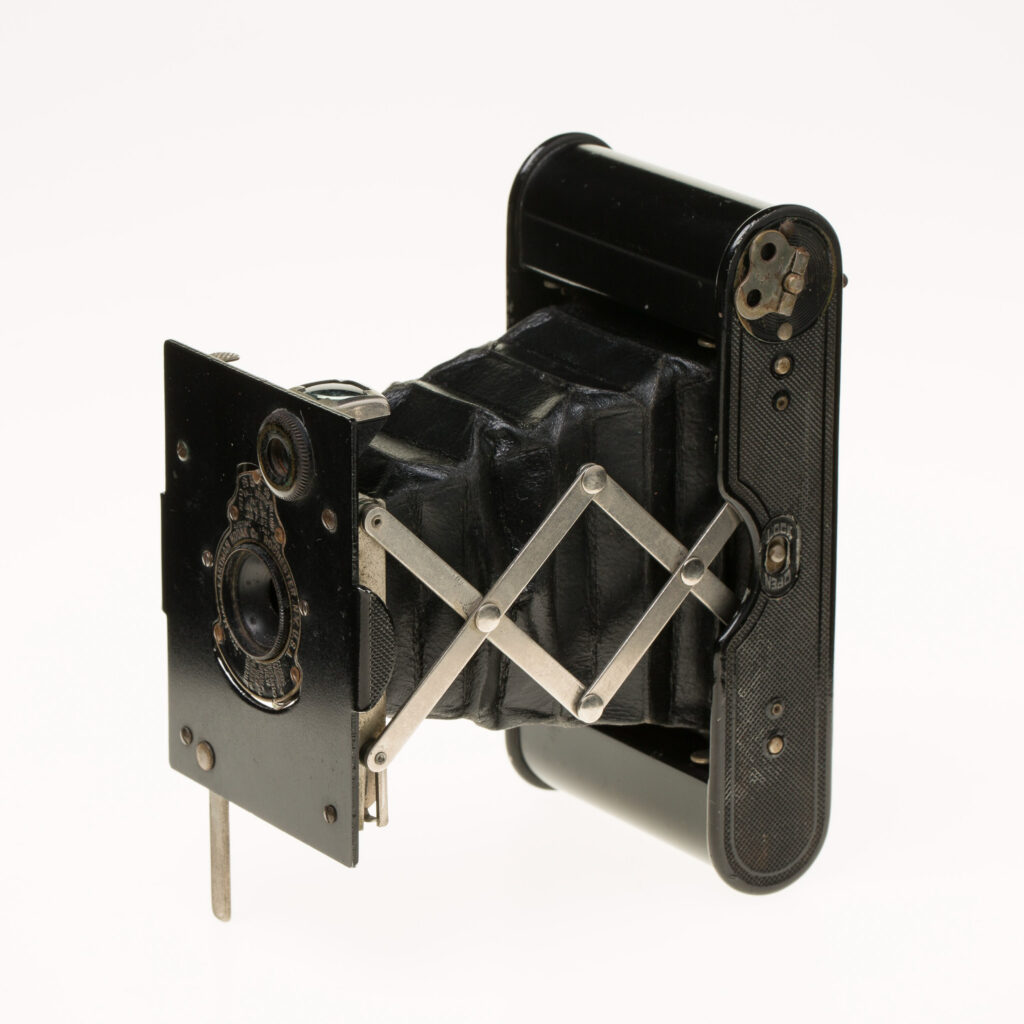
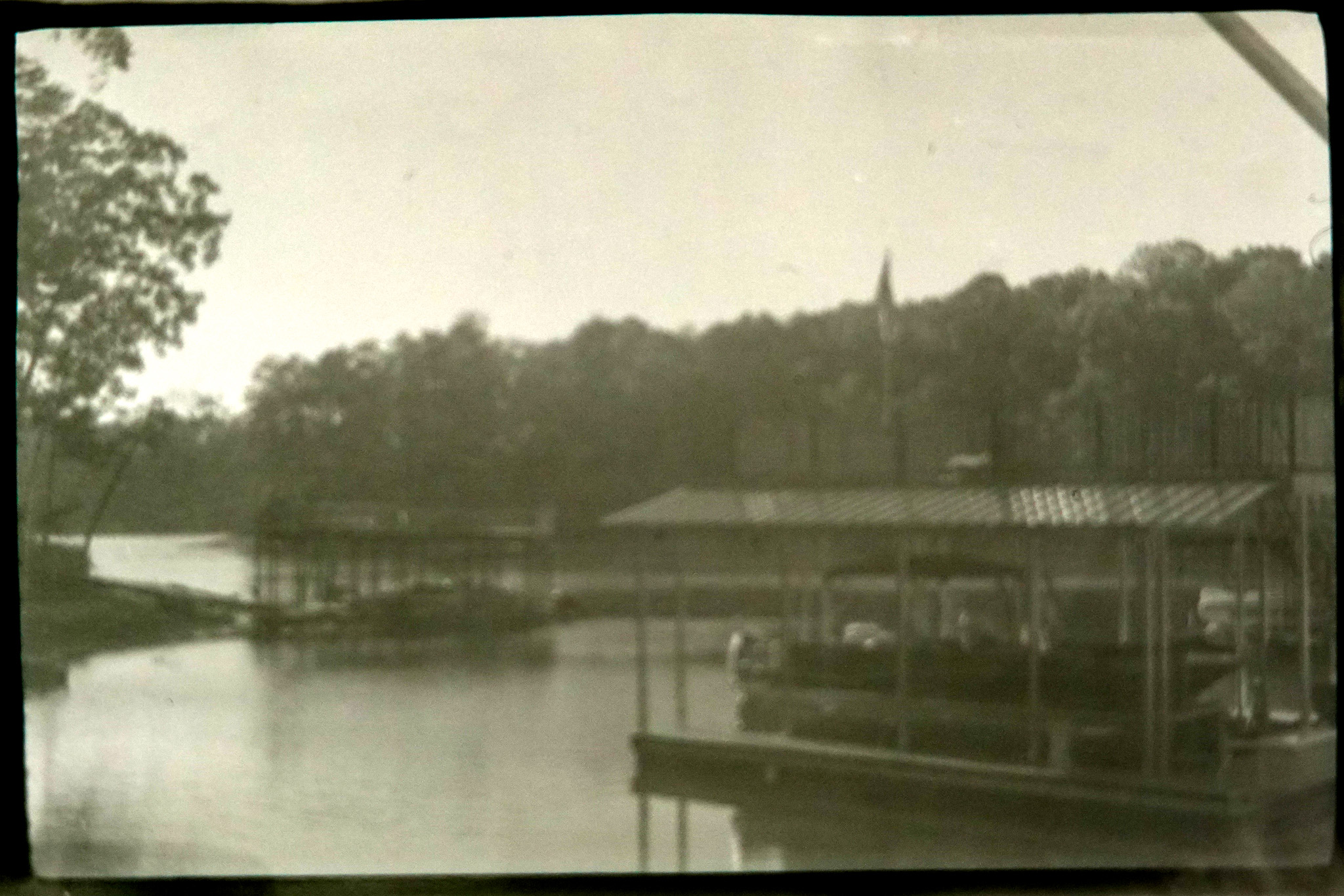
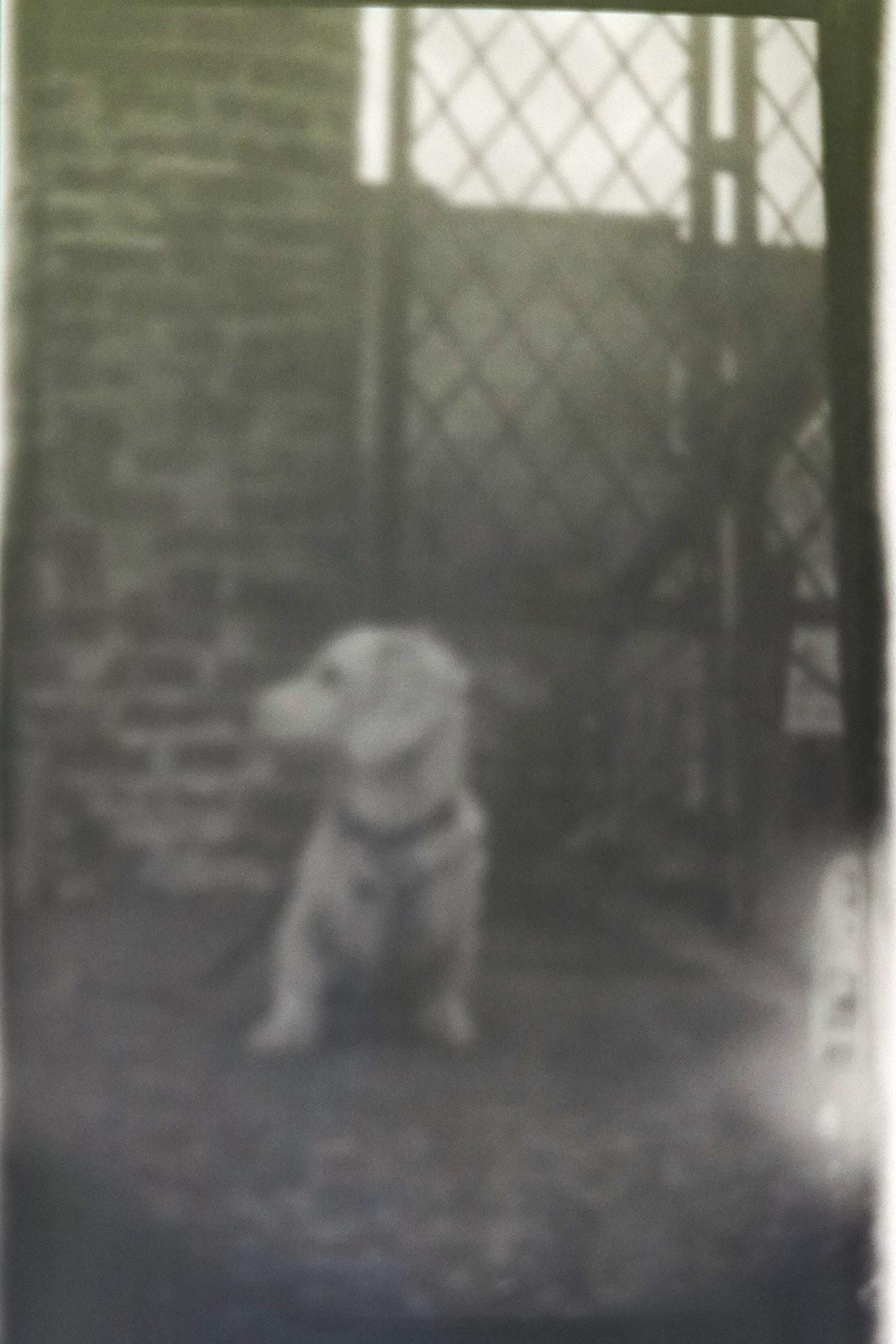
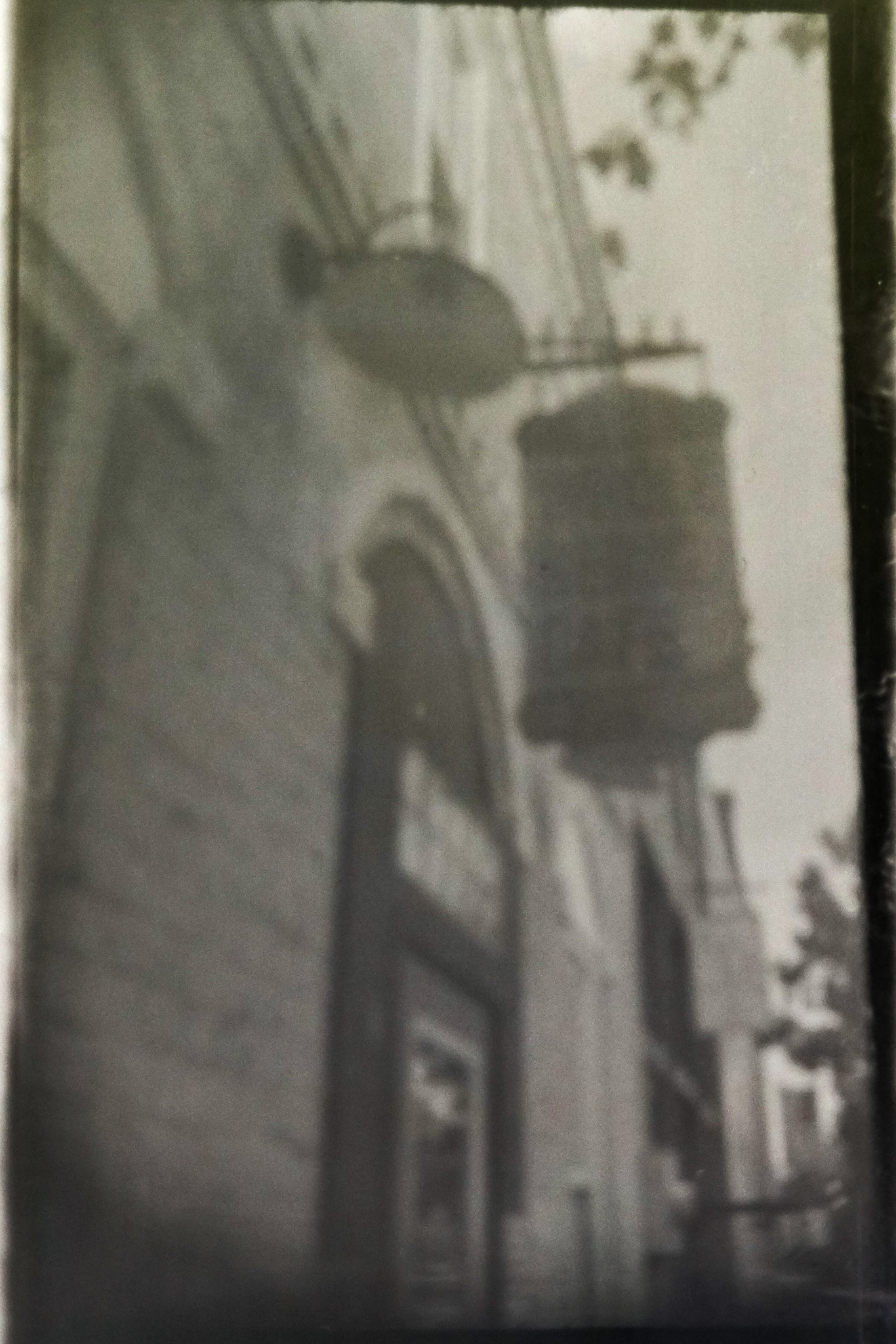
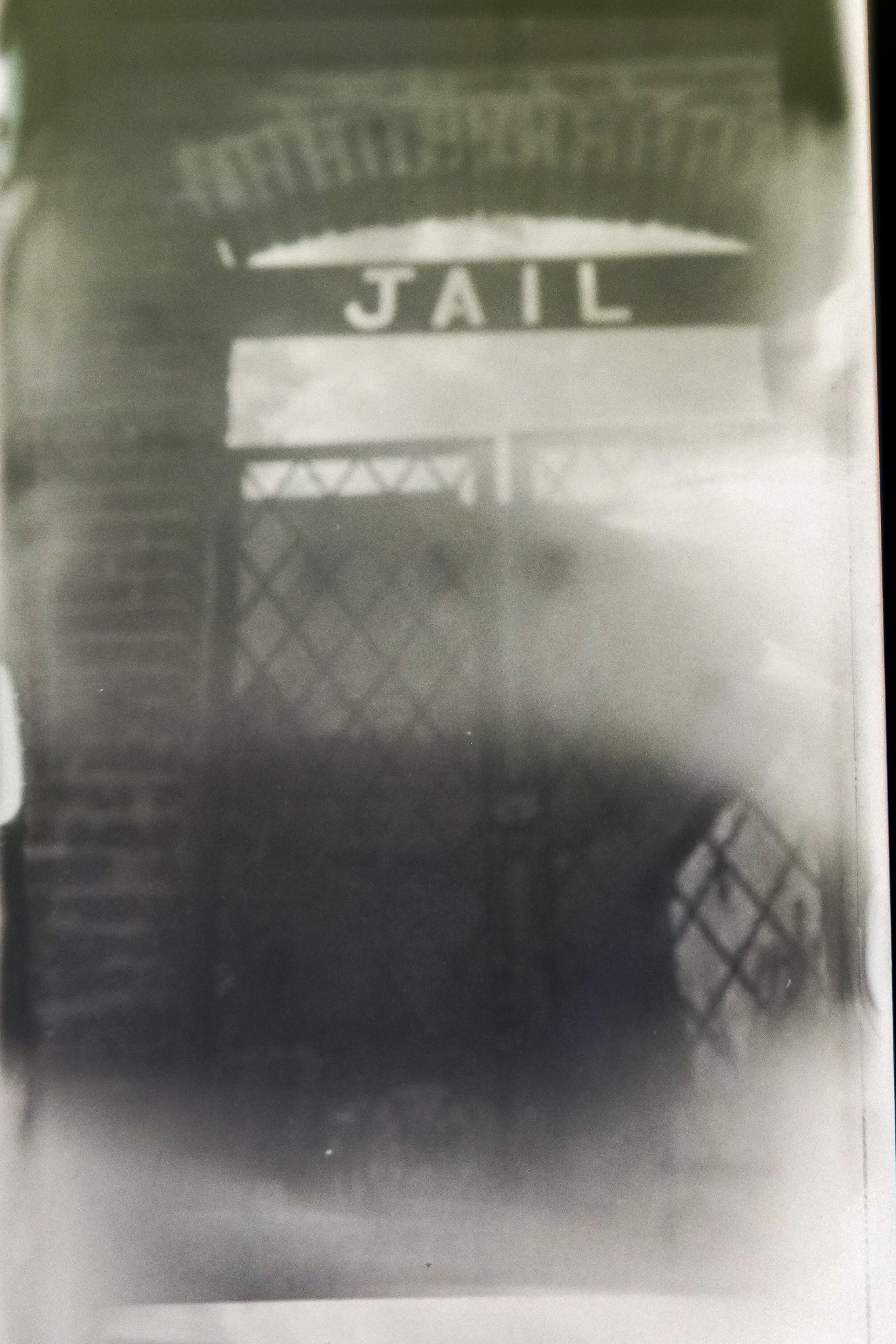
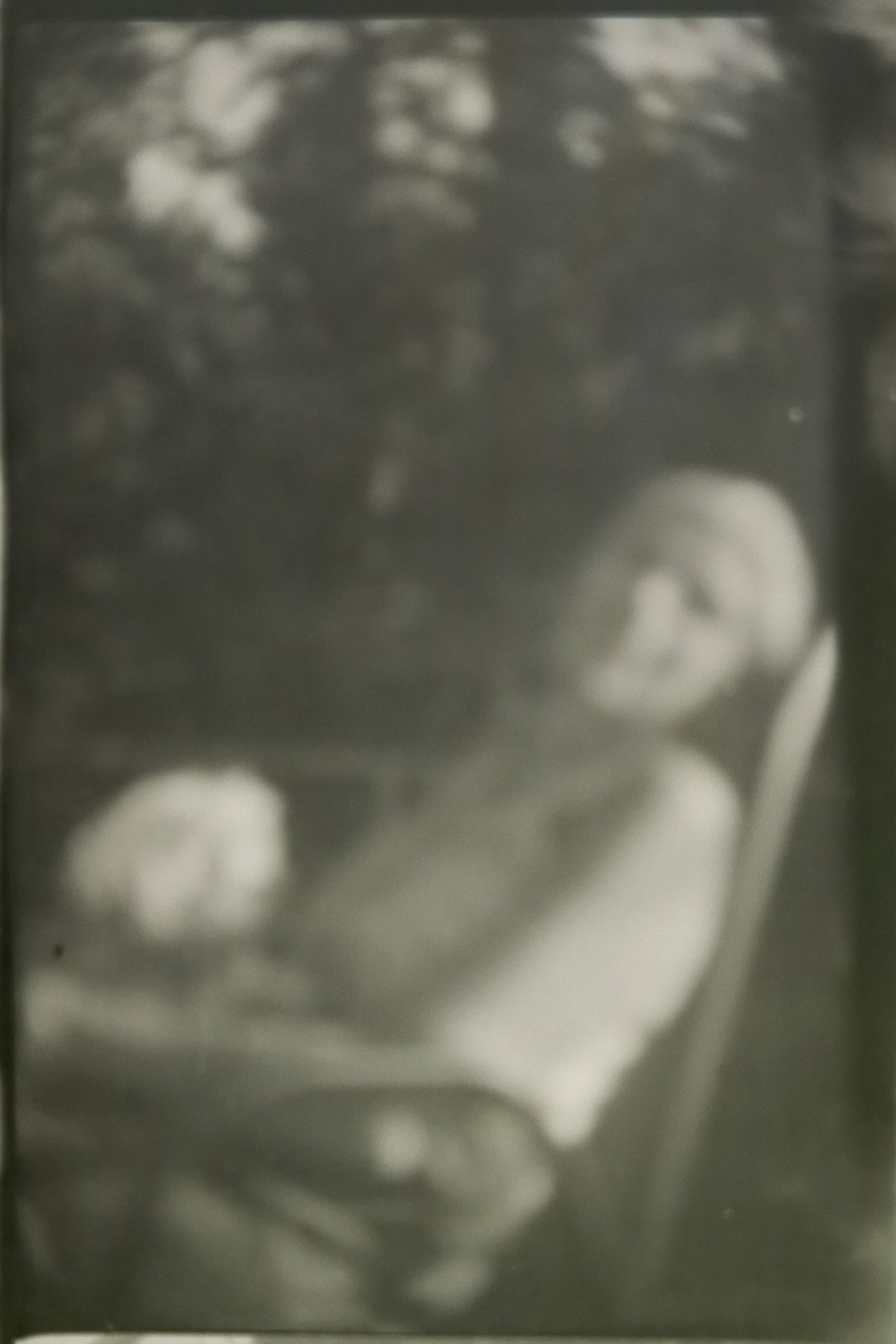
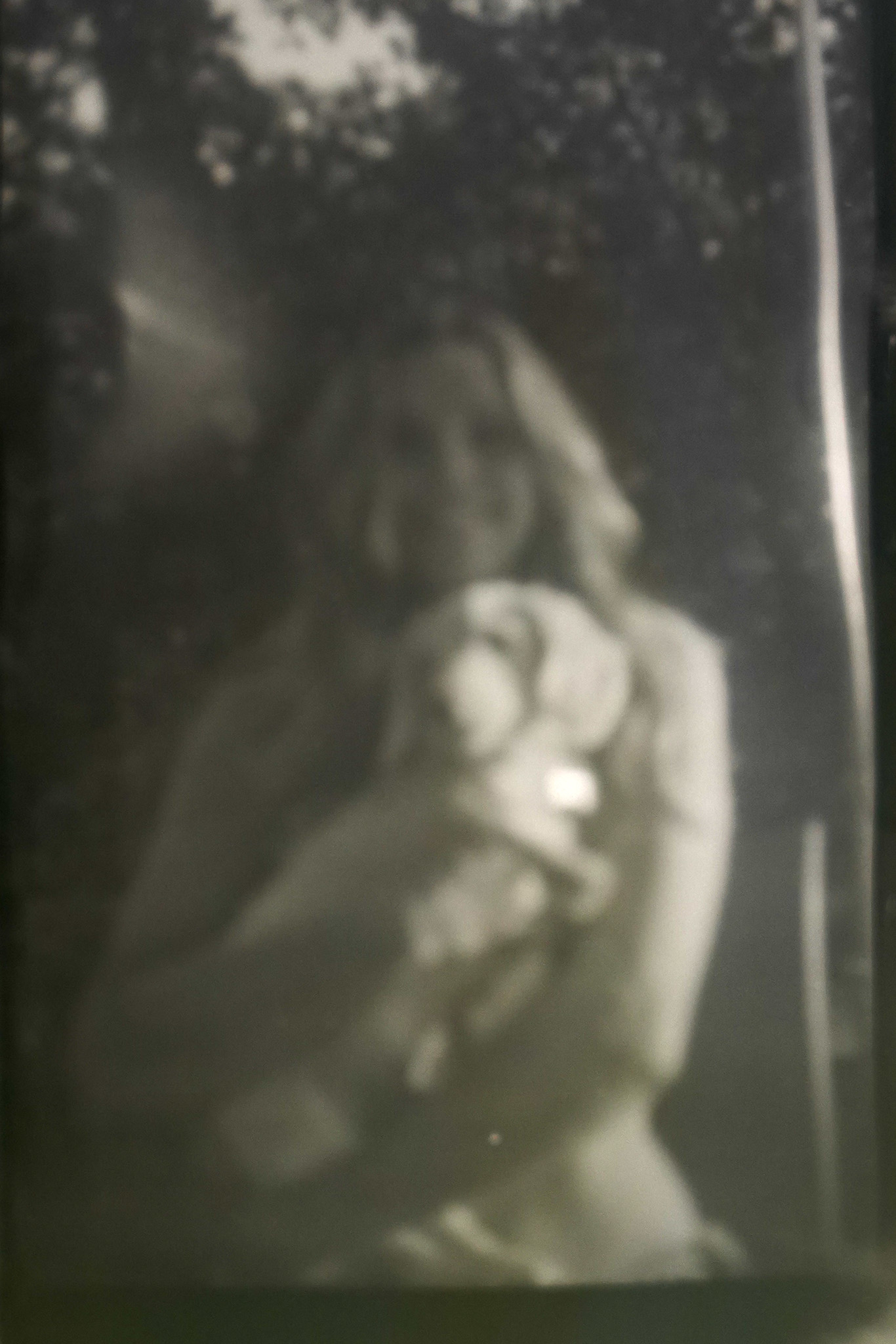
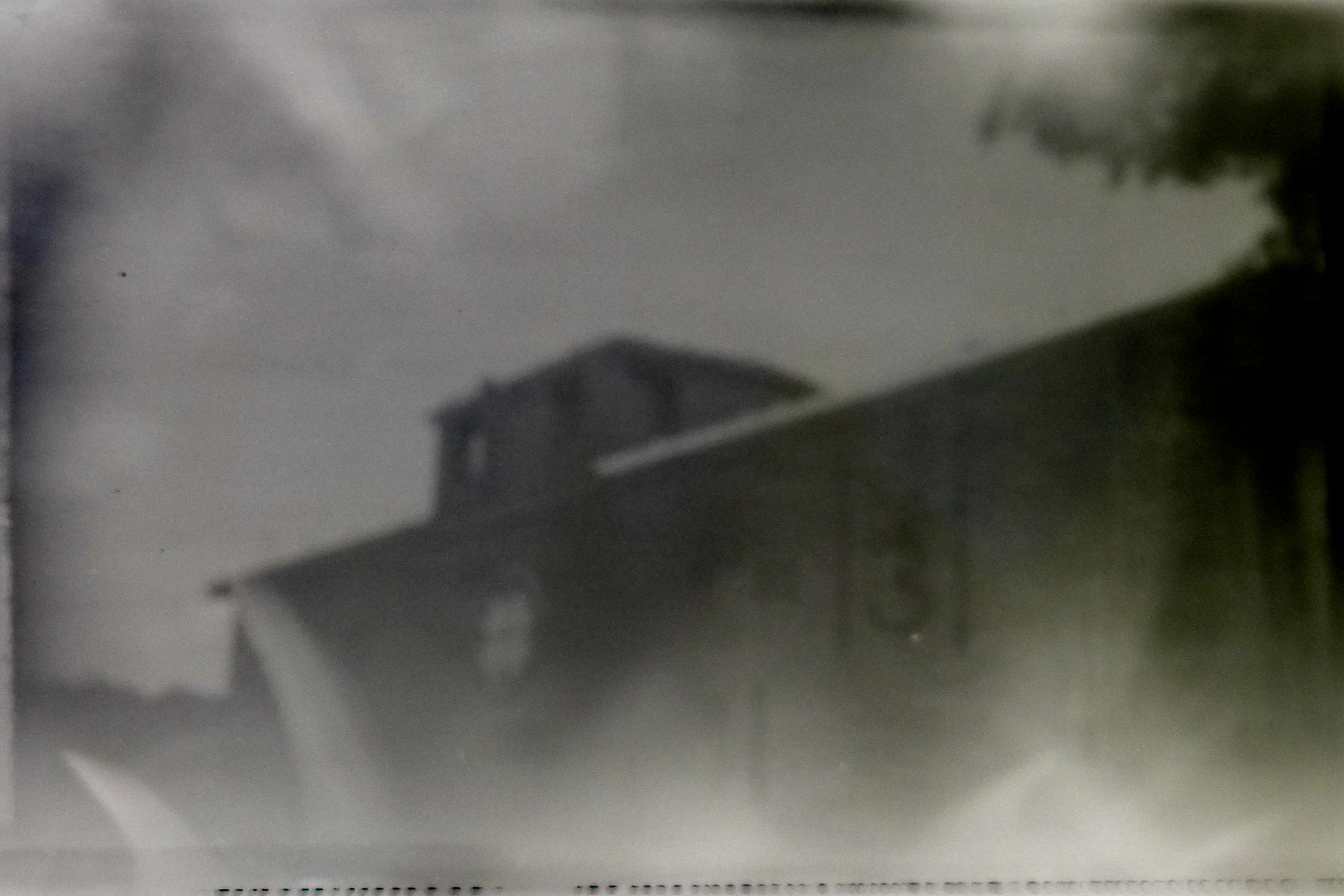
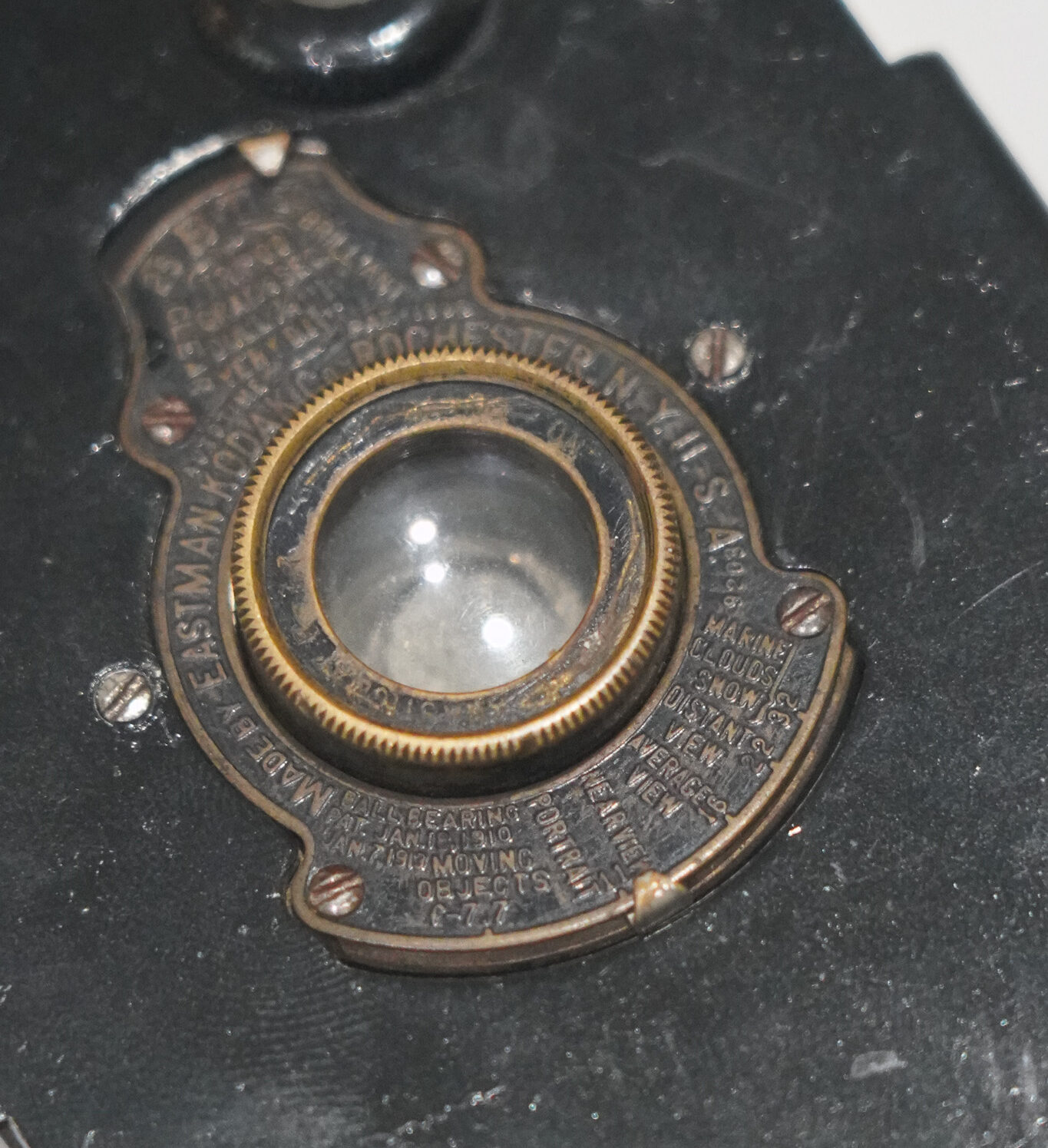
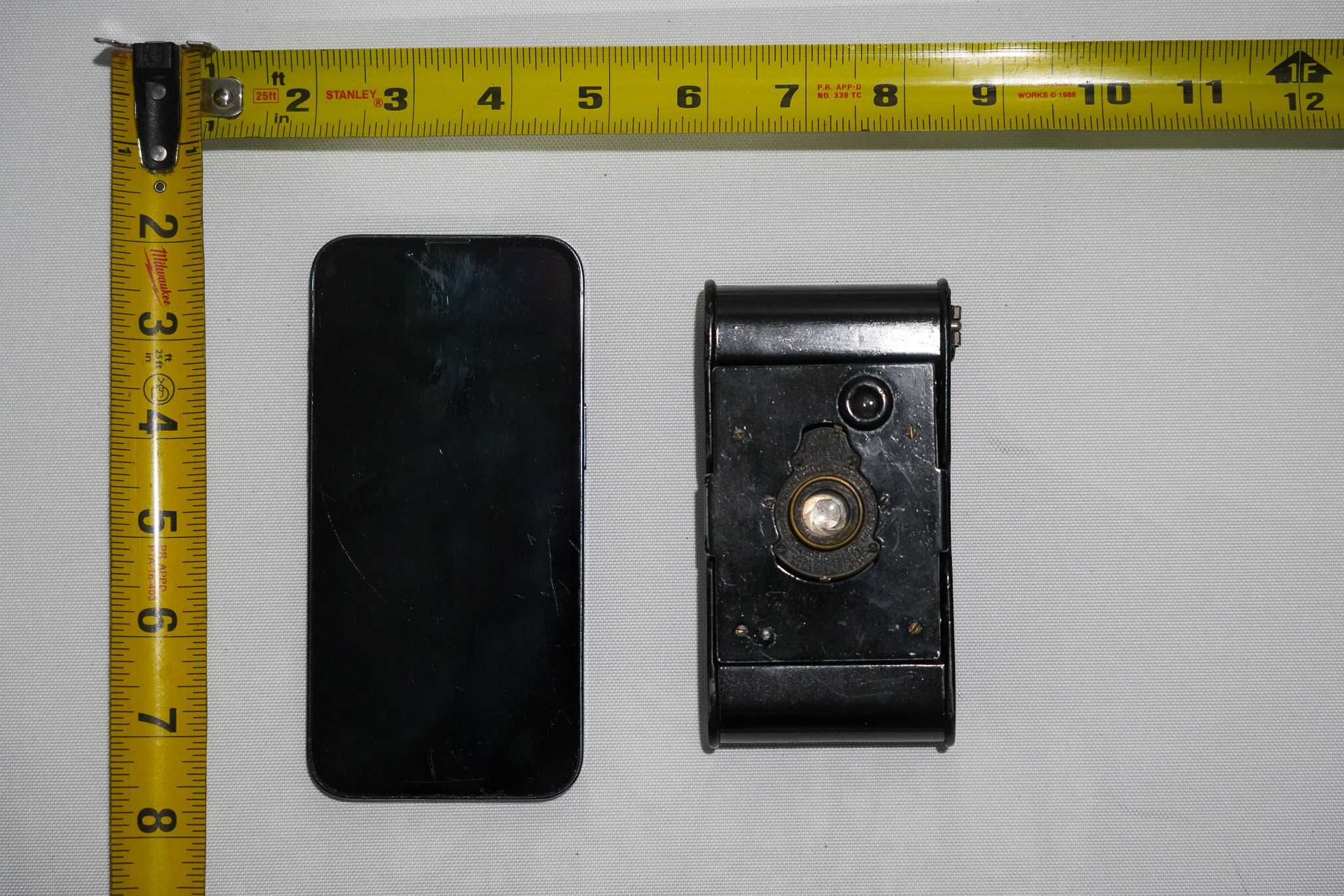
The Vest Pocket Kodak, introduced in the 1910s, was one of Kodak’s most popular cameras at the time and helped make photography truly portable. Designed to fold down small enough to fit in a coat pocket (smaller than an iPhone!), it was often carried by soldiers and travelers during World War I. My model still folds and clicks beautifully, and I love how its simple mechanism captures soft, ghostly images that feel both fragile and timeless.
Check out my blog post(s) about this camera:
The 1916 Vest Pocket Kodak Autographic Camera History, Review & Sample Photos
Asahi Pentax ME
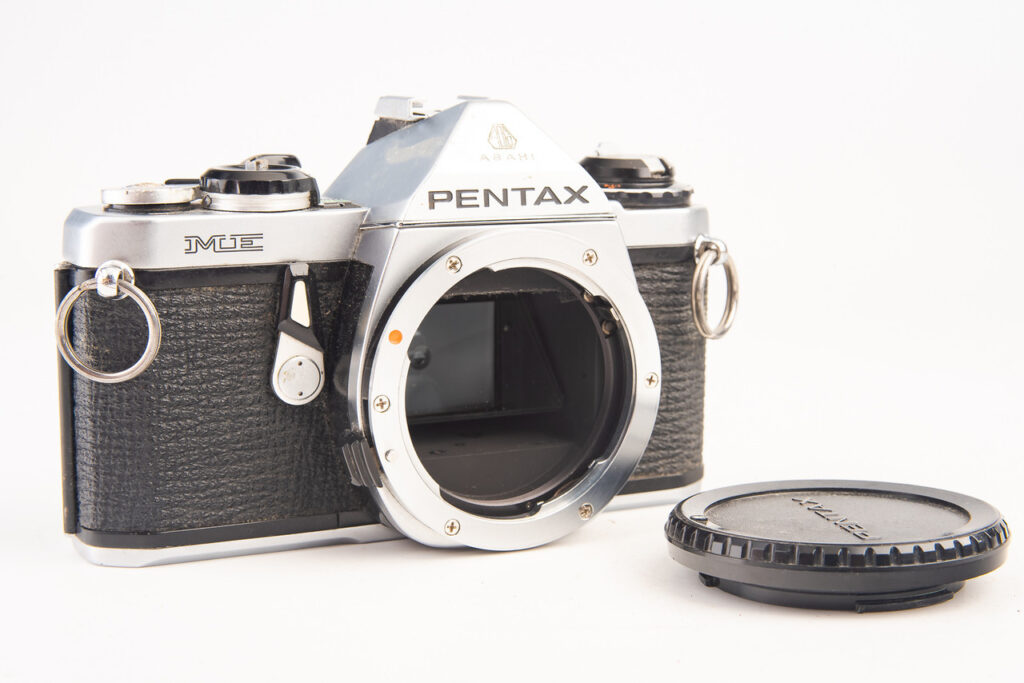
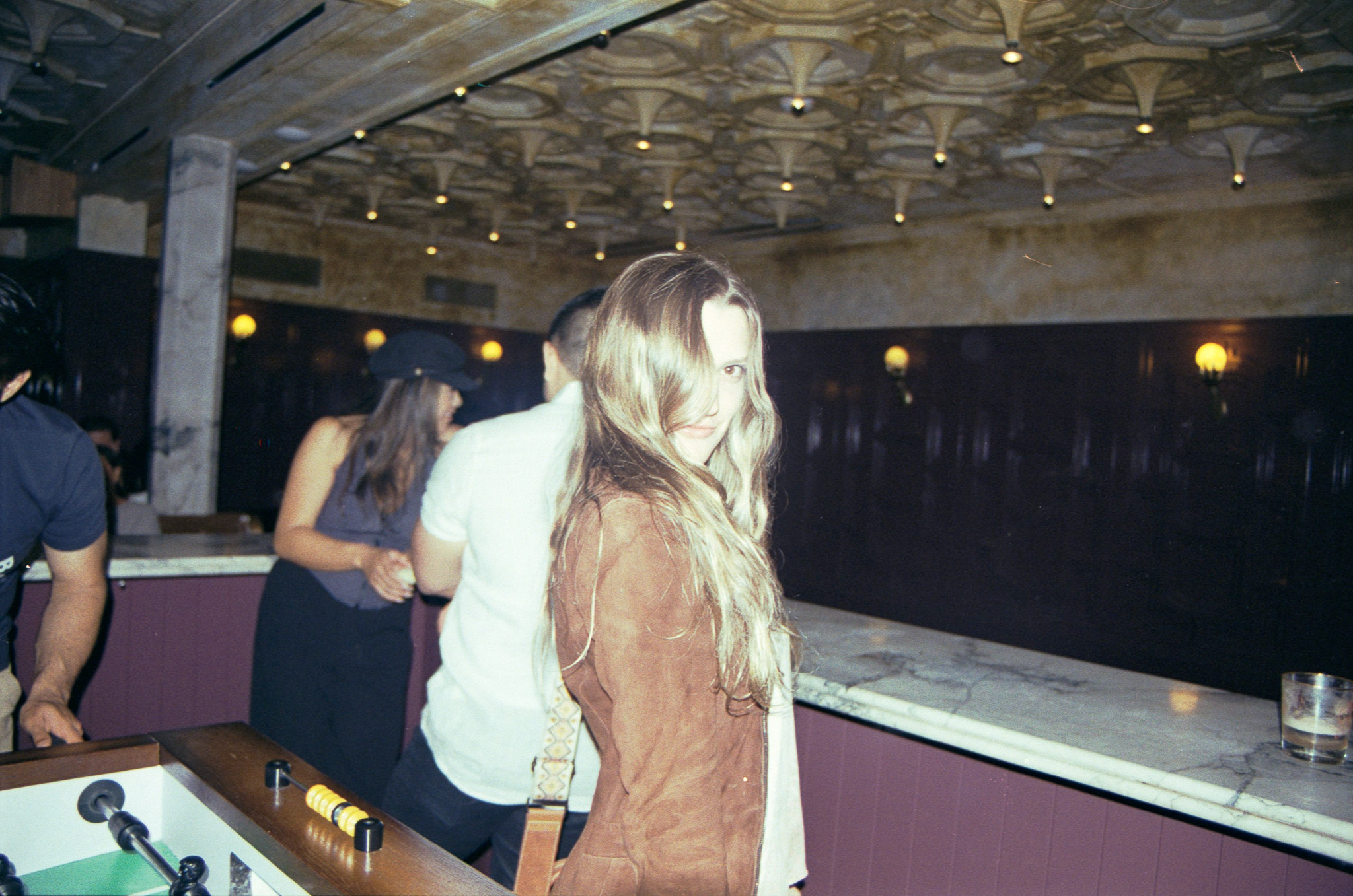
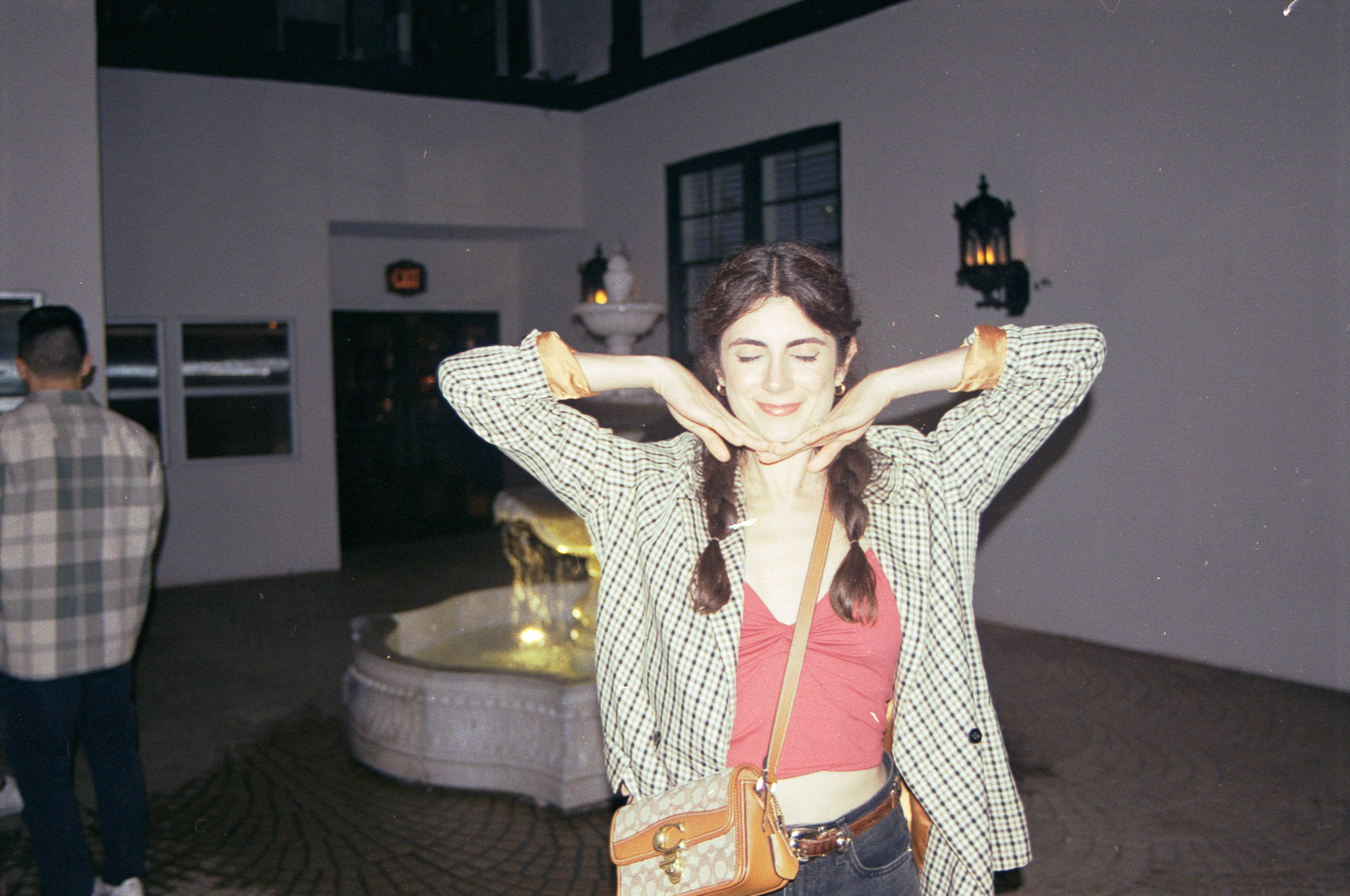
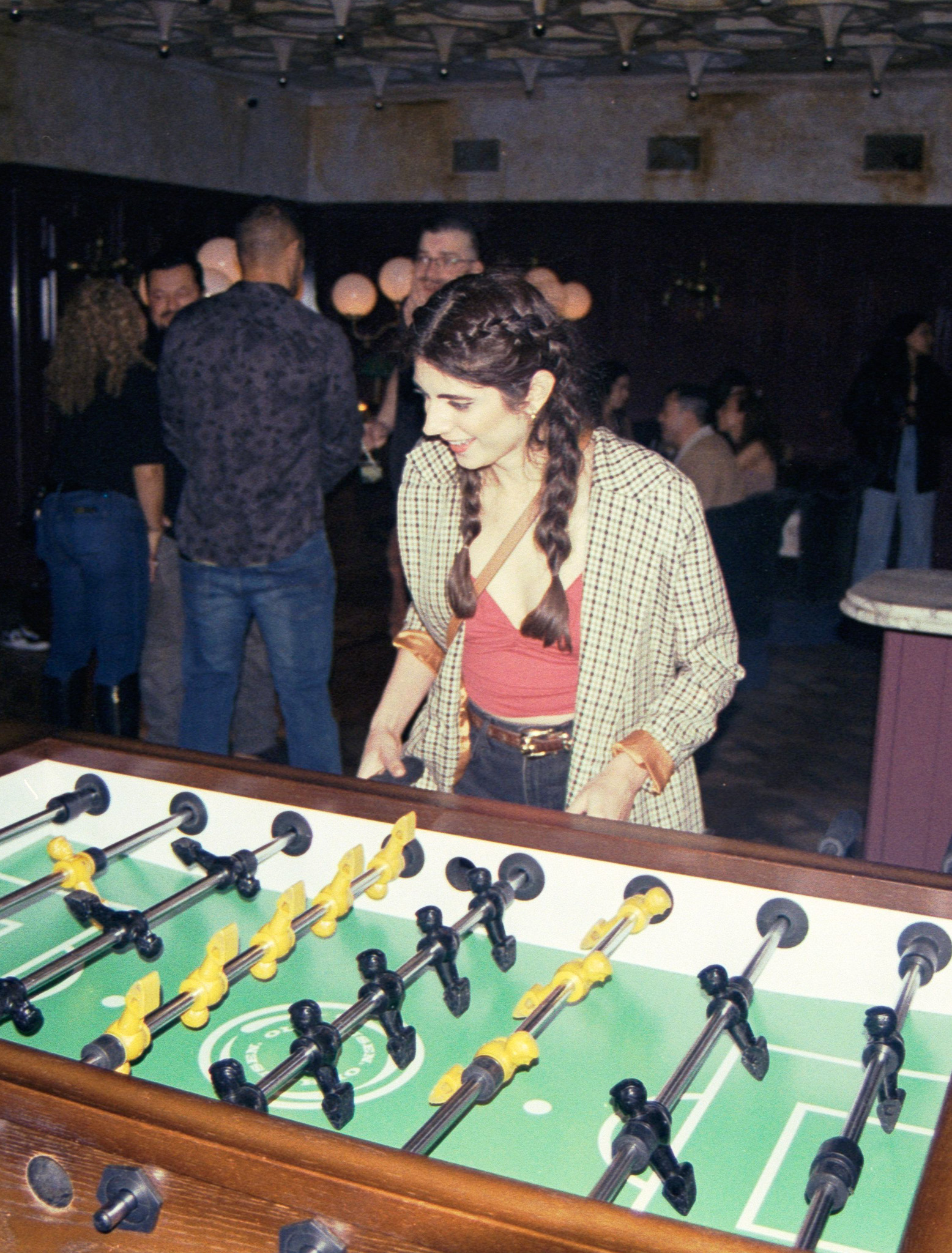
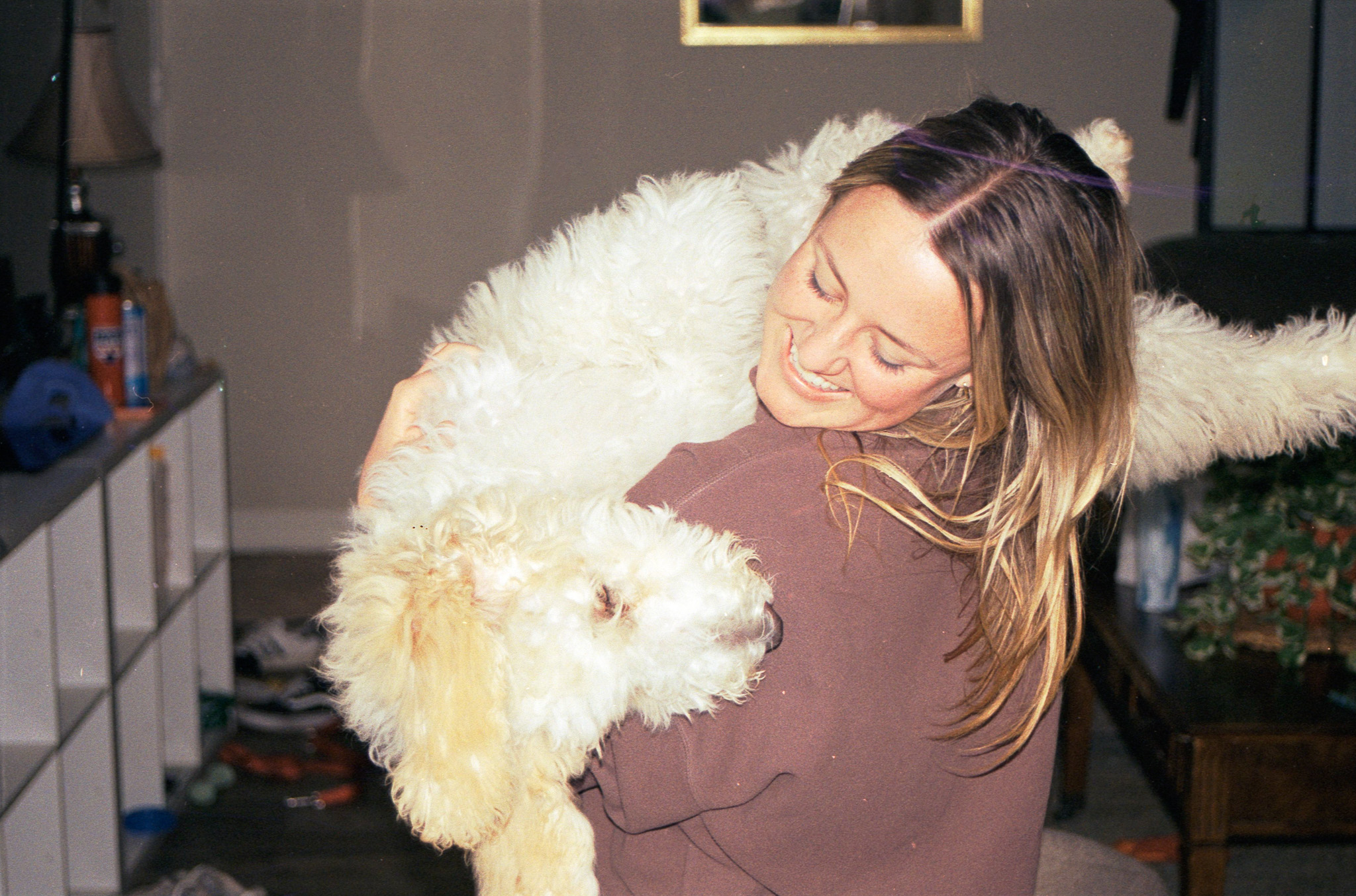
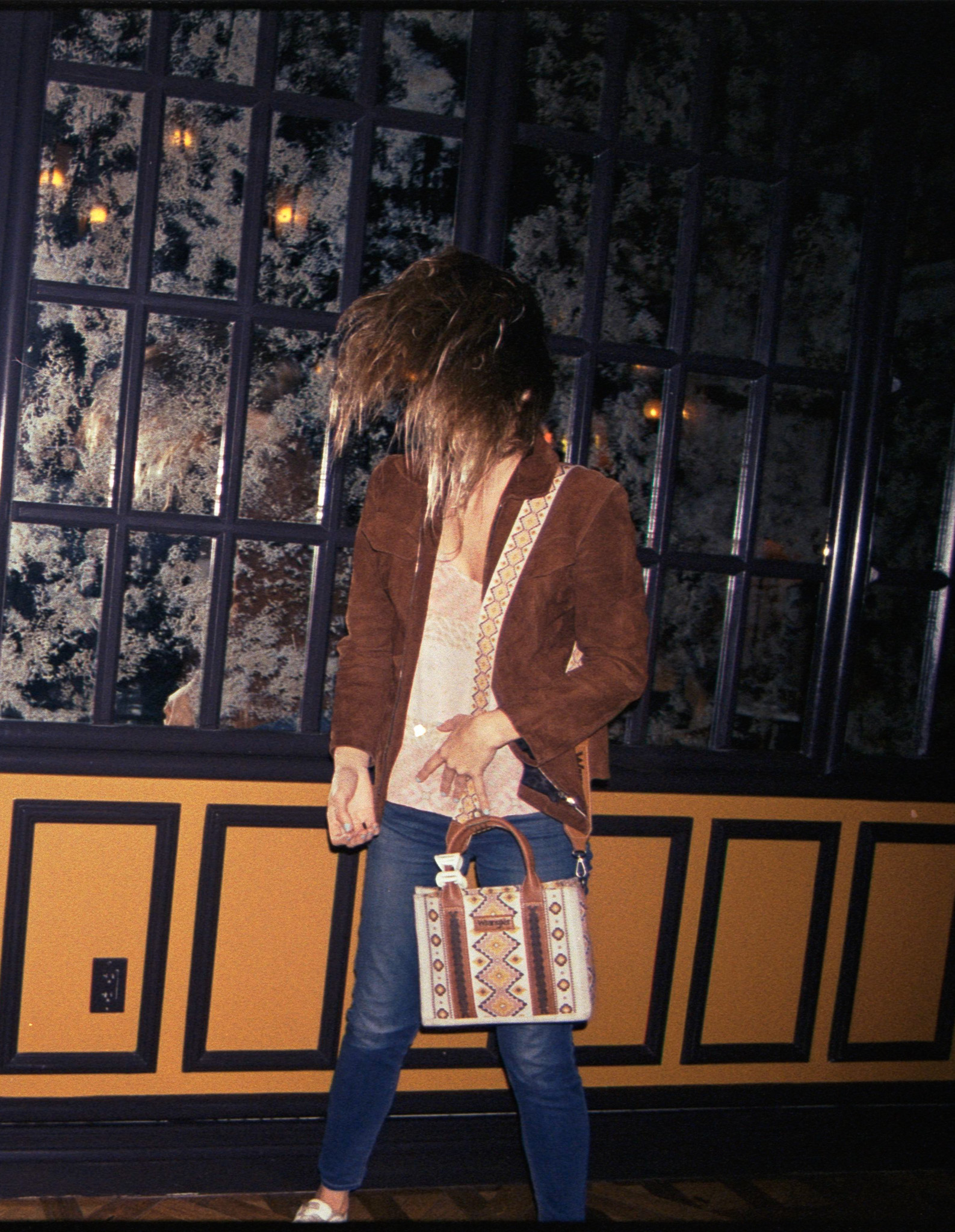
The Asahi Pentax ME, released in the late 1970s, was a compact 35mm film SLR known for its simplicity and reliability. With its aperture-priority automation and lightweight metal body, it became a favorite among both hobbyists and street photographers. Mine is still fully functional, and I love how intuitive it feels to shoot with. It bridges the gap between classic mechanical cameras and the modern era of film design.
Mamiya RZ67
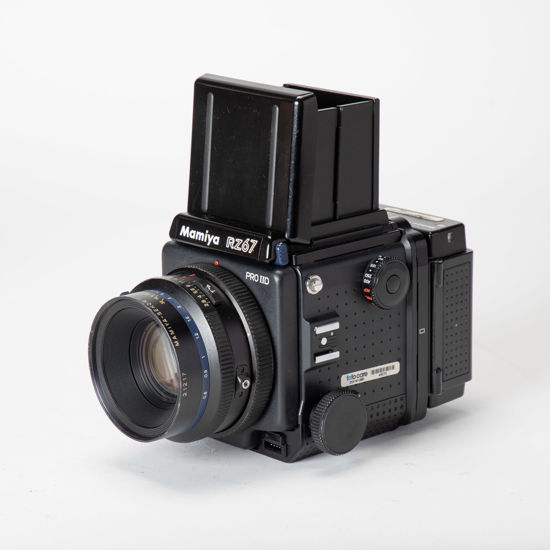
The Mamiya RZ67 (I call mine “the Brick”), introduced in the early 1980s, is a professional medium-format camera known for its sharp lenses, modular design, and precise control. It became a studio favorite for portrait and fashion photography but also produces stunning landscape and still-life images. Mine is fully operational and continues to deliver beautifully detailed negatives that remind me why film photography still holds such a special place in my process.

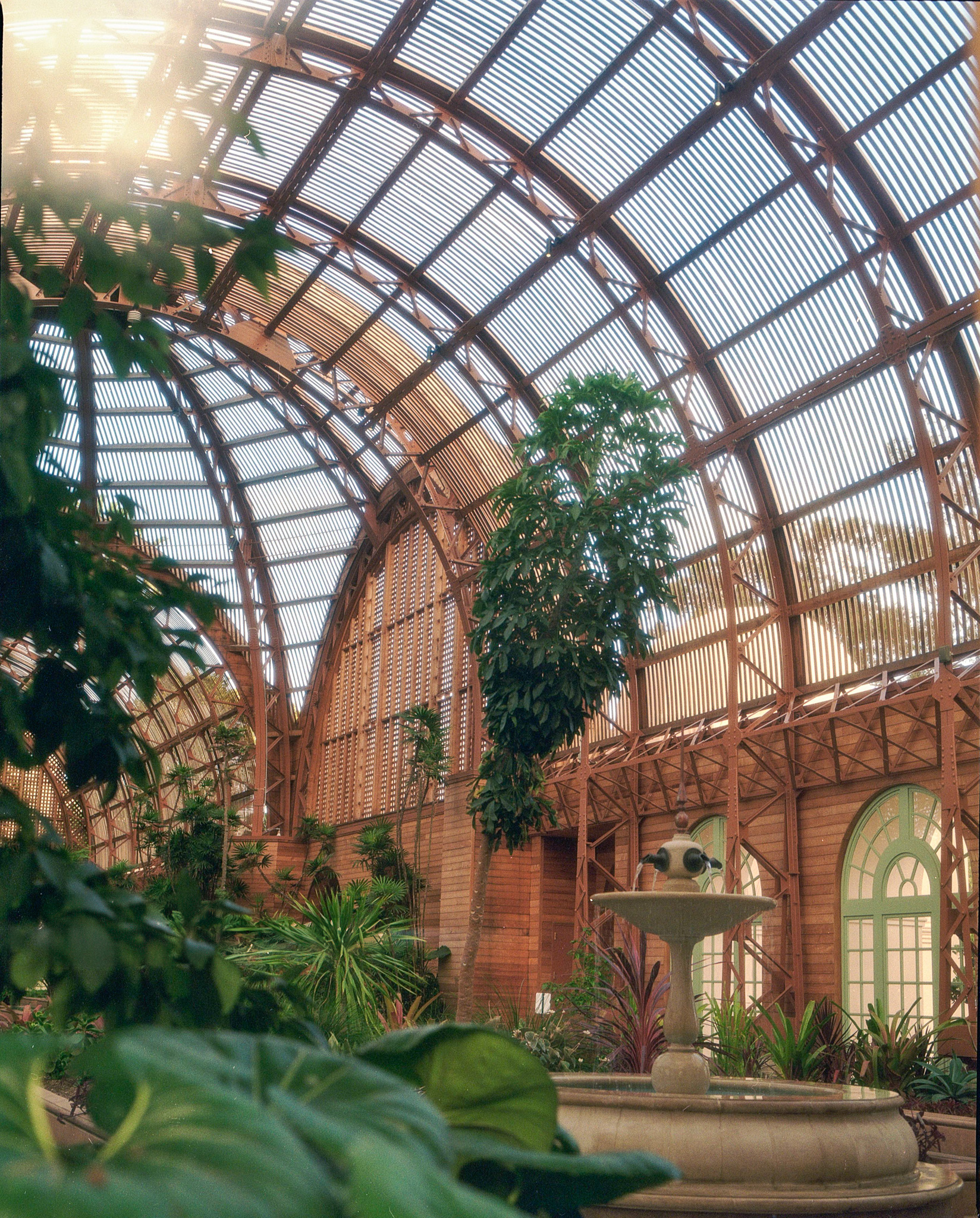
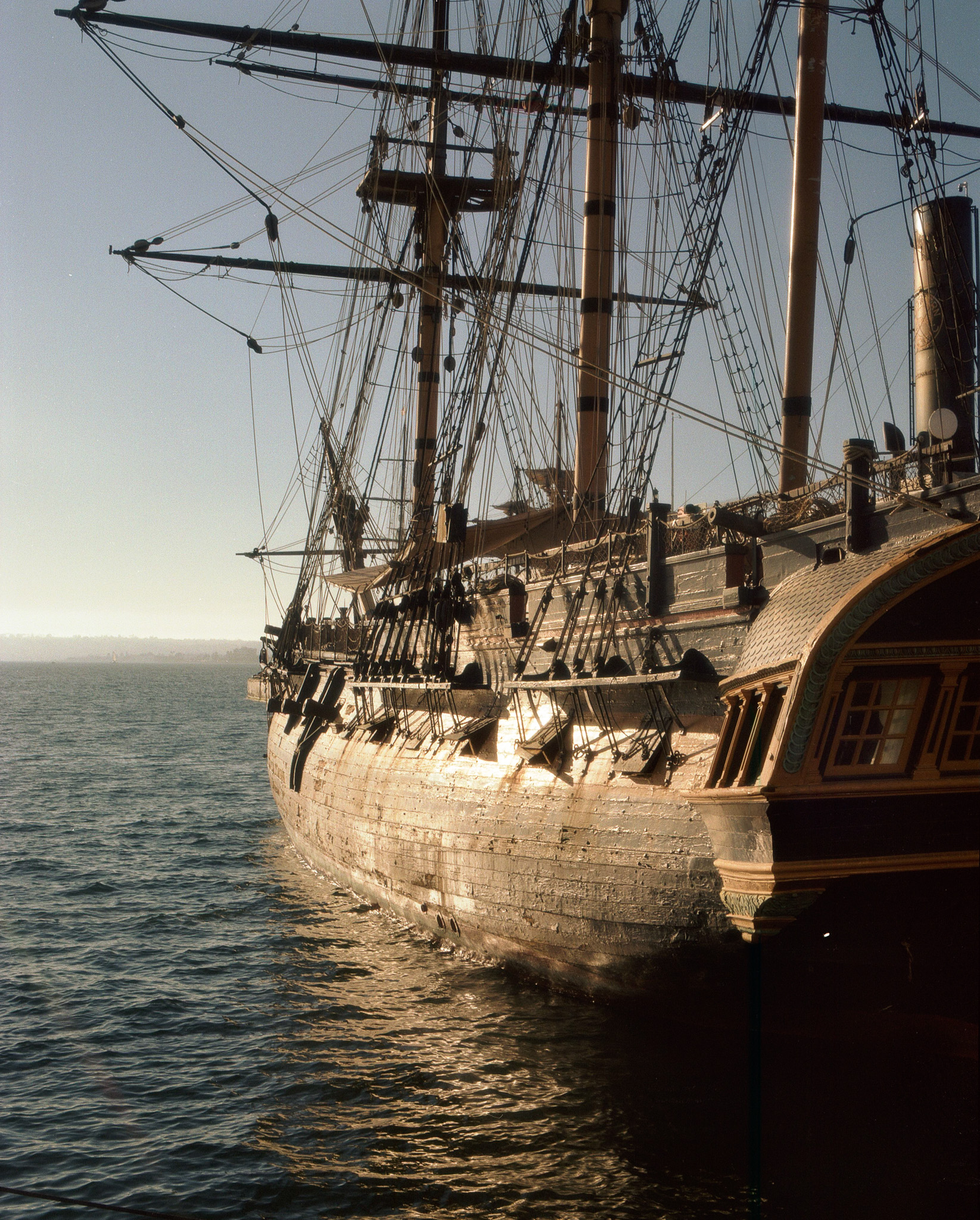
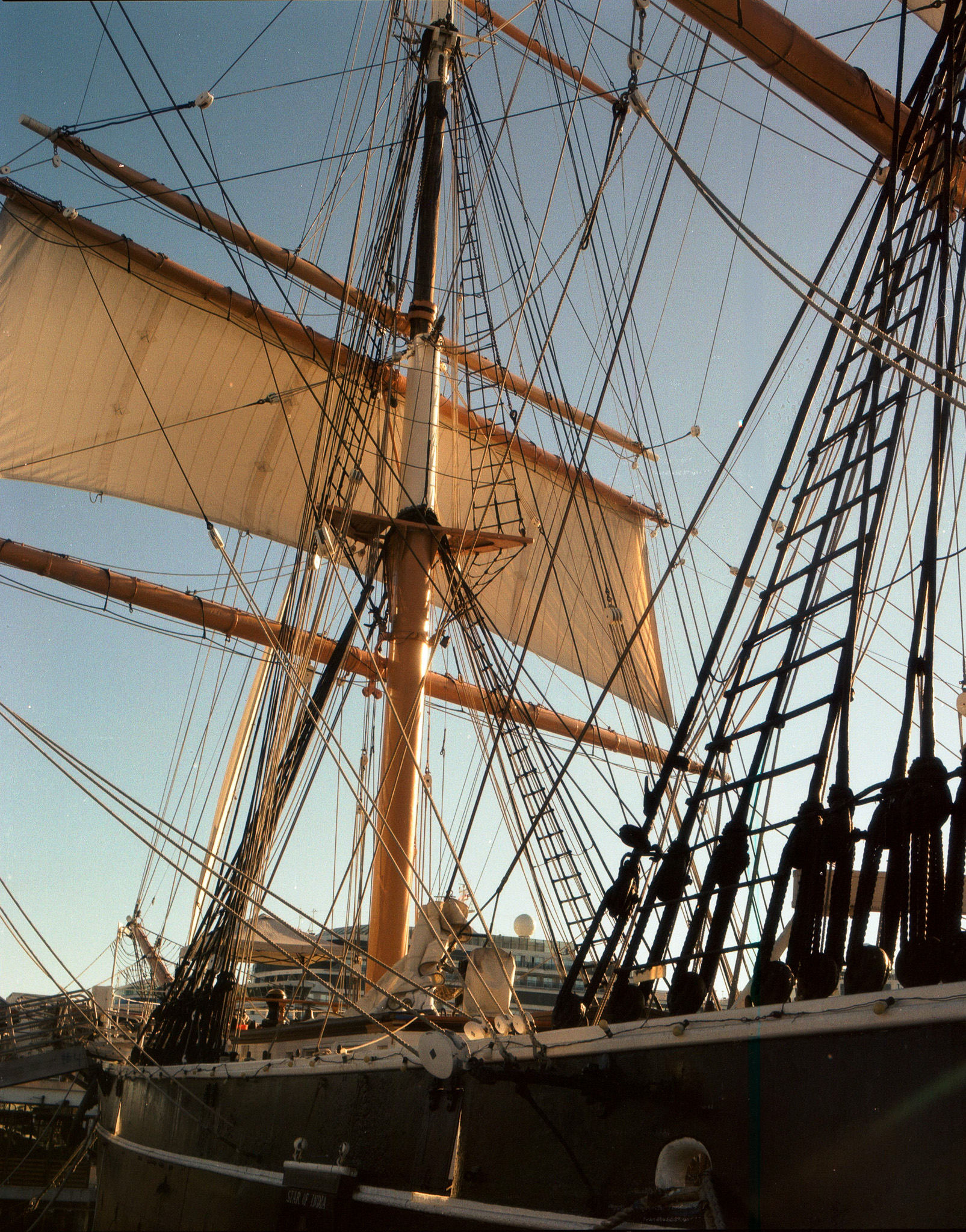
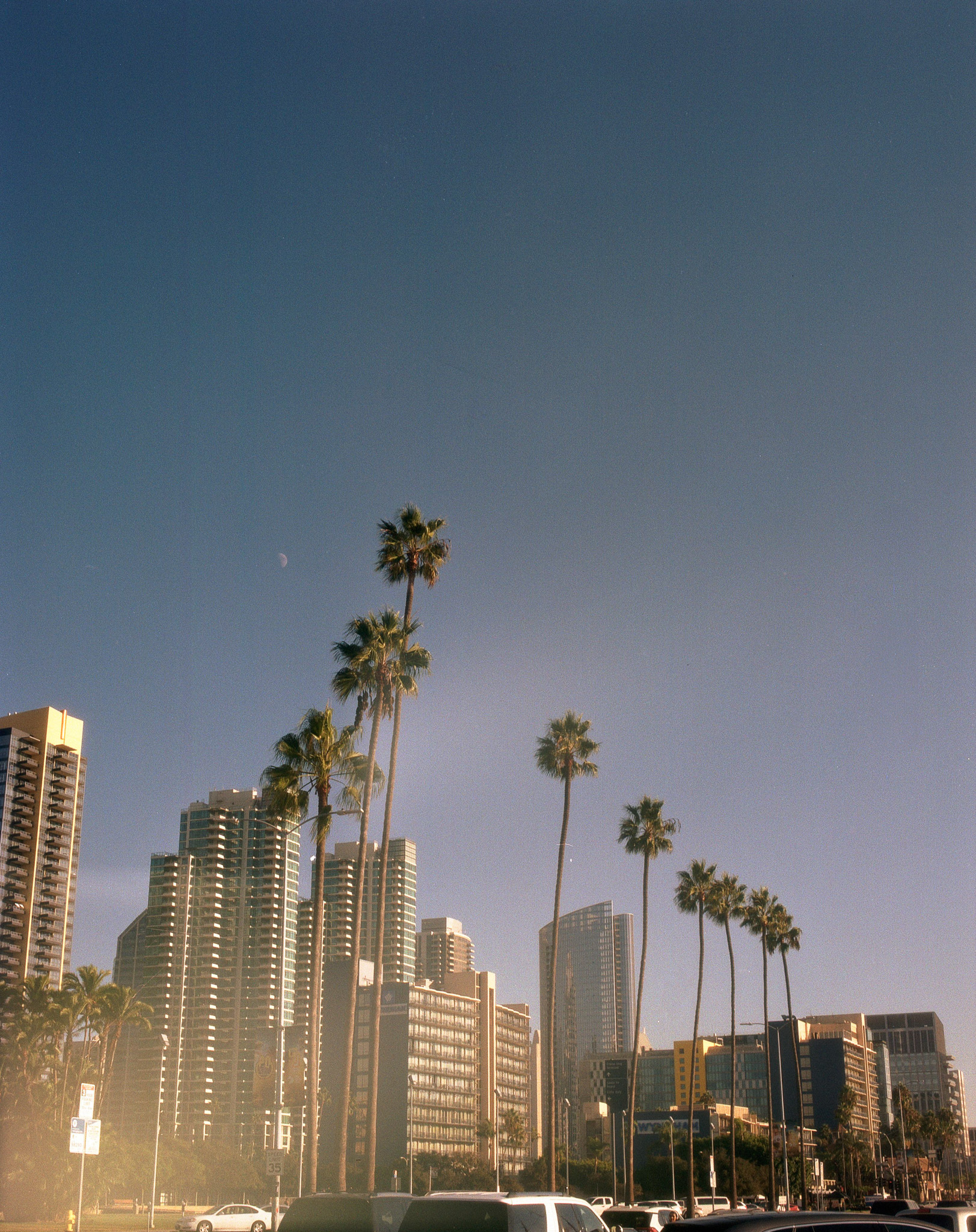
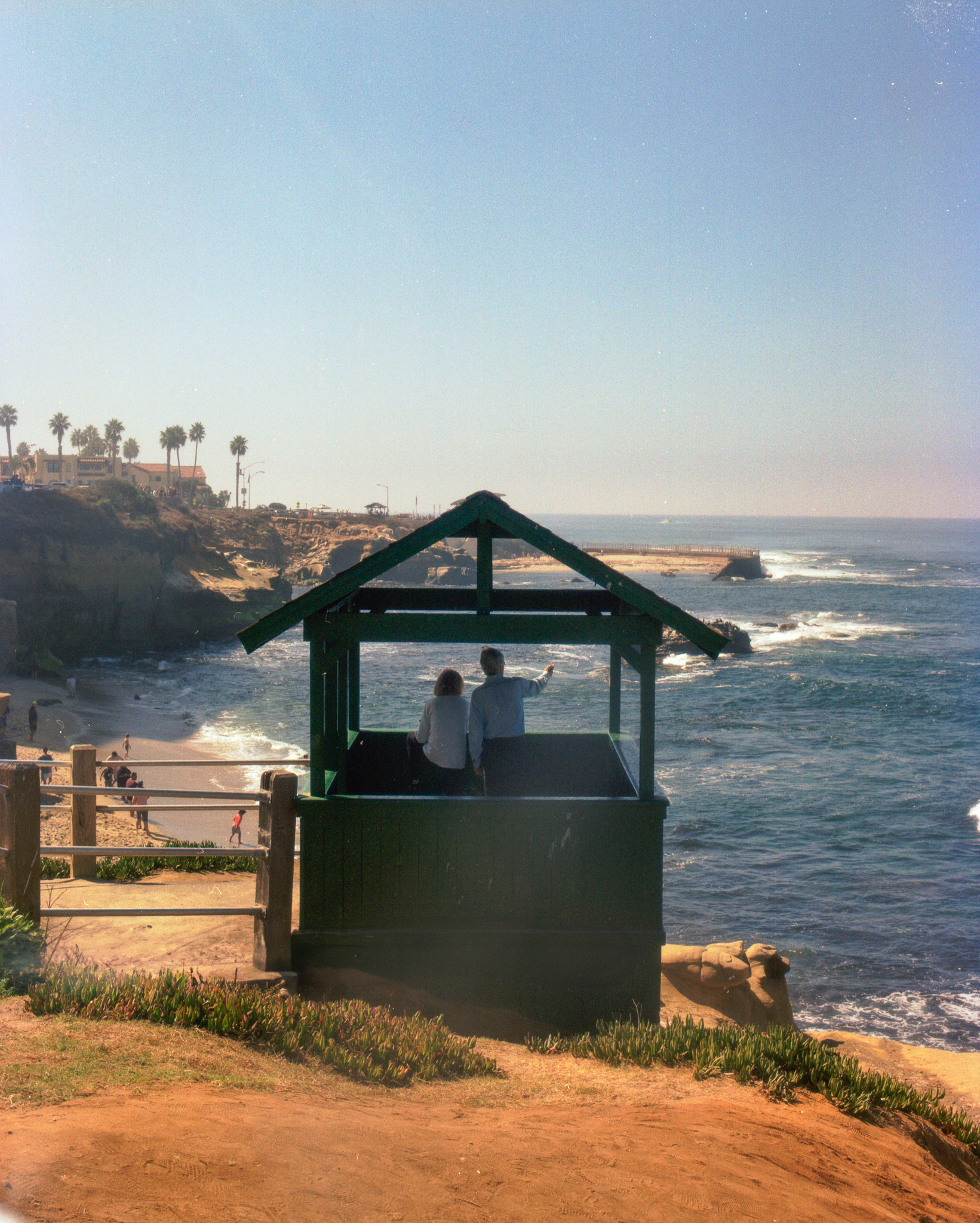
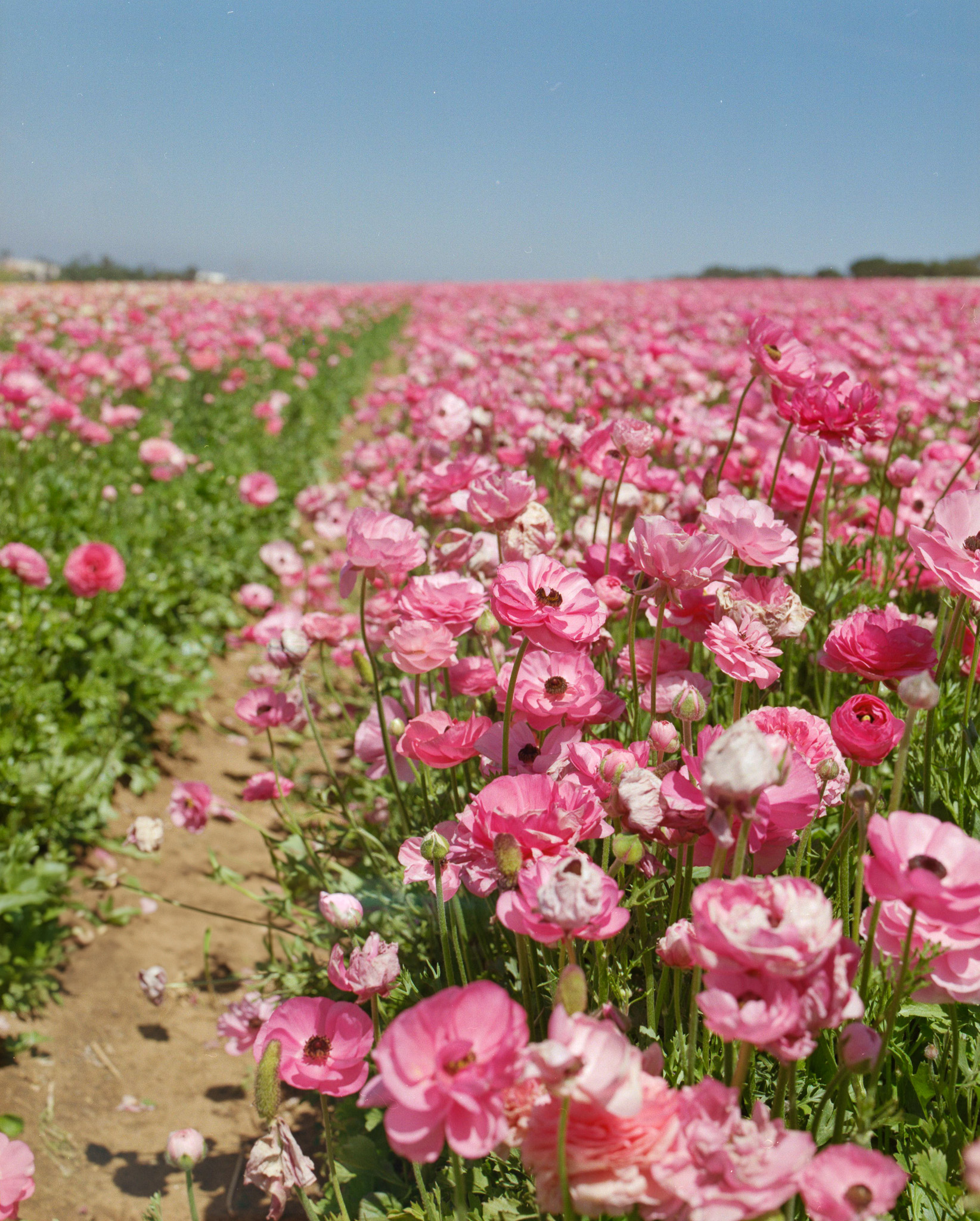
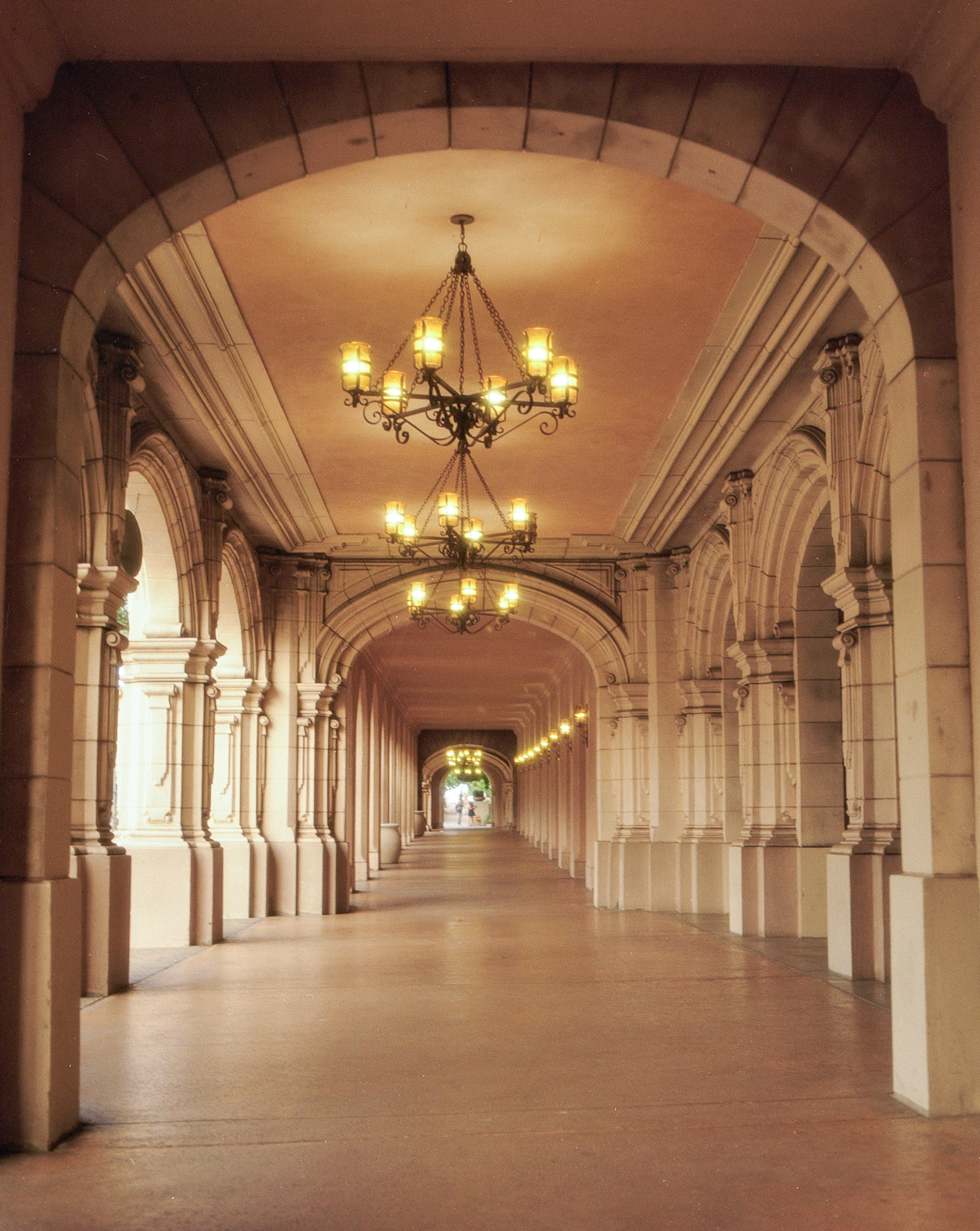
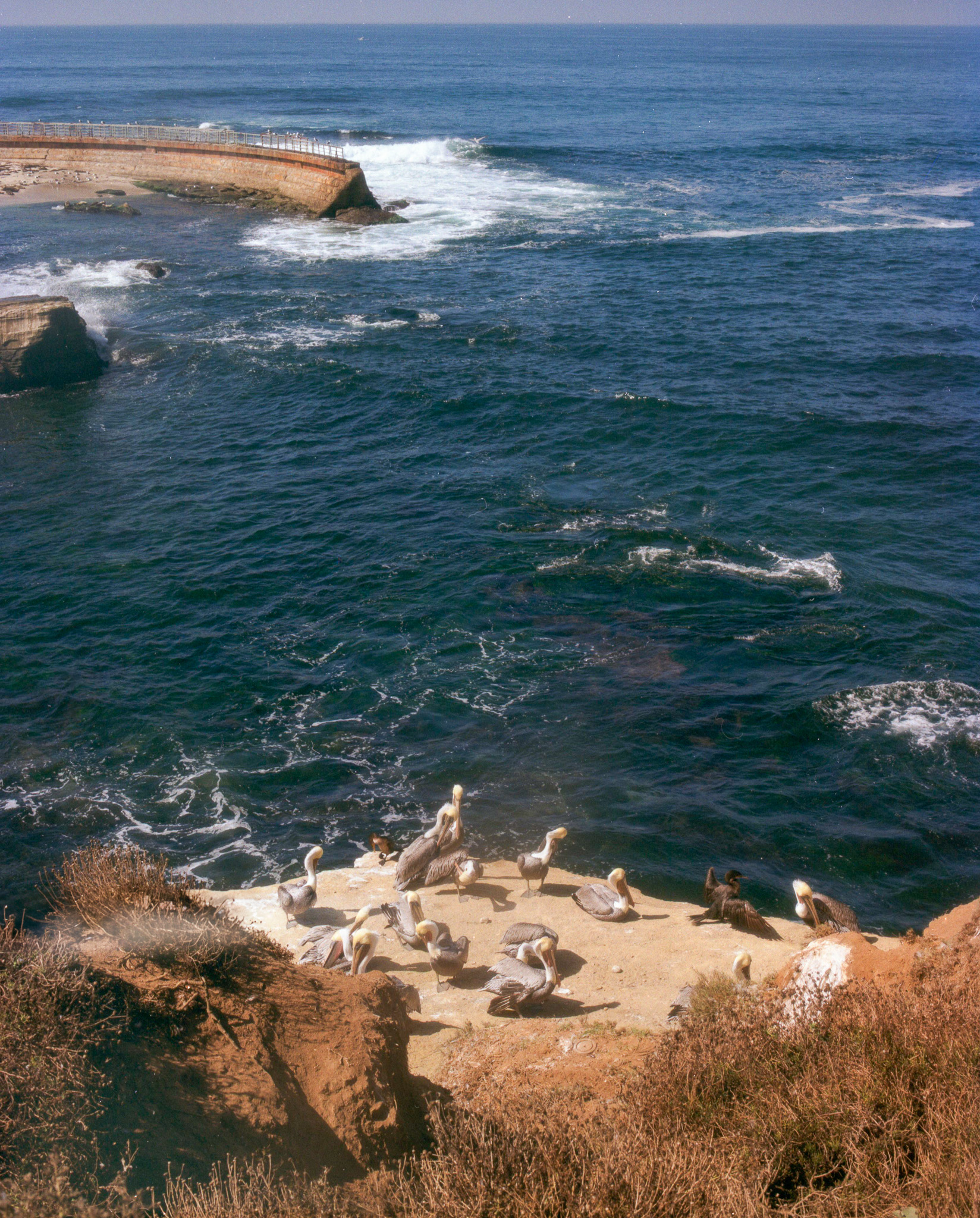
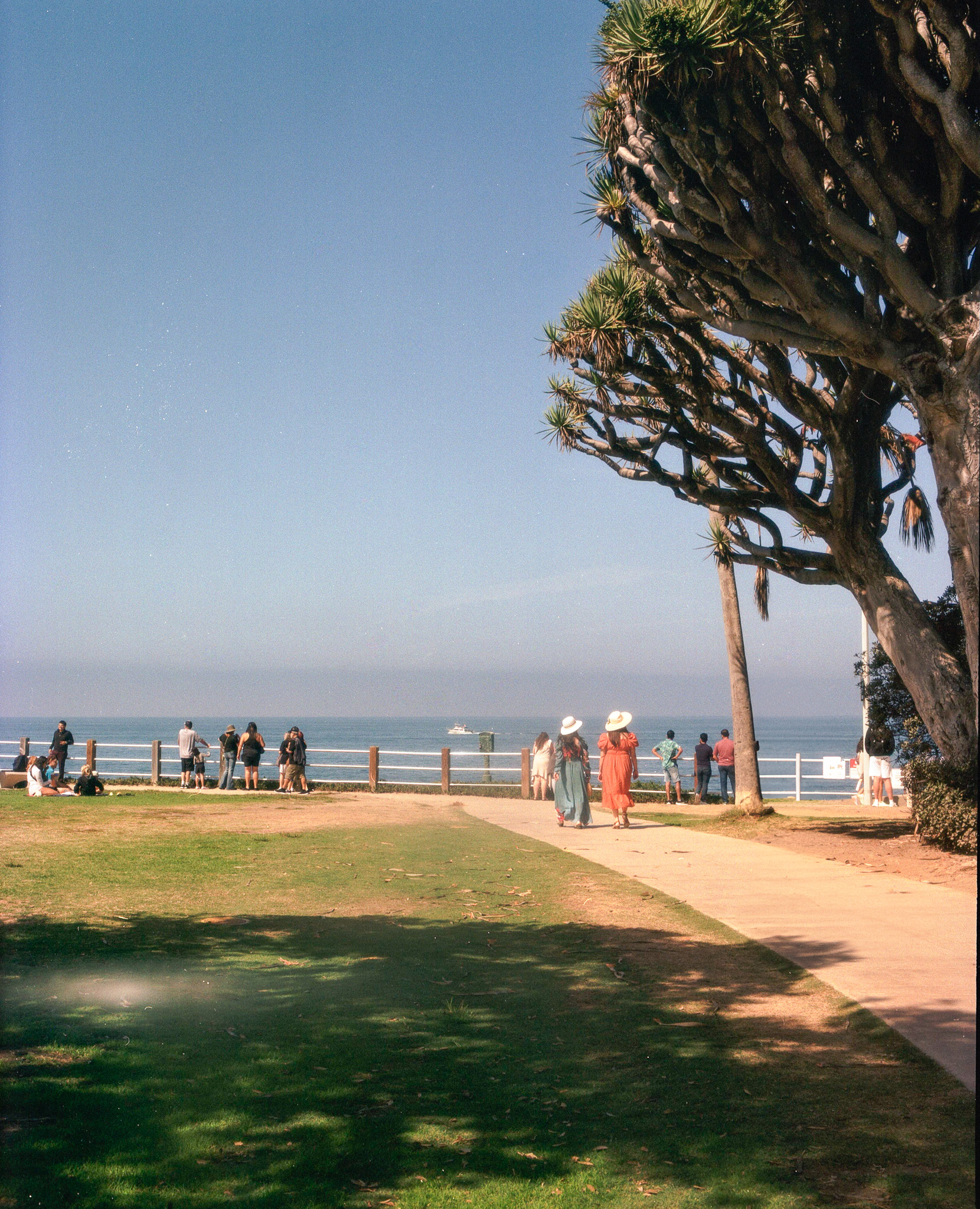
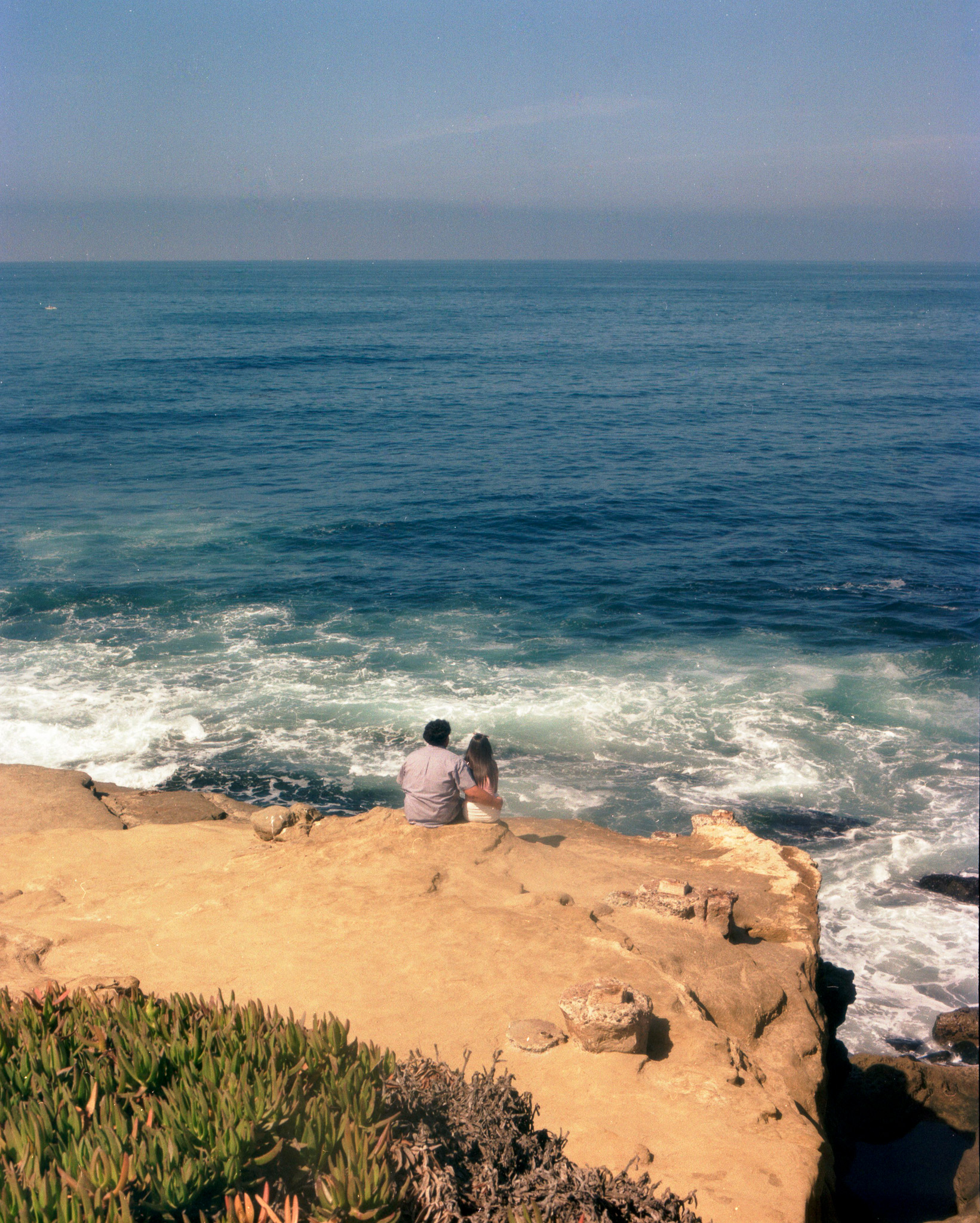
Check out my blog post(s) about this camera:
From Digital Ease to Manual Mastery: Tips & Tricks for Mamiya RZ67 Beginners
Argus & Cosina 706 Super 8 Video Camera
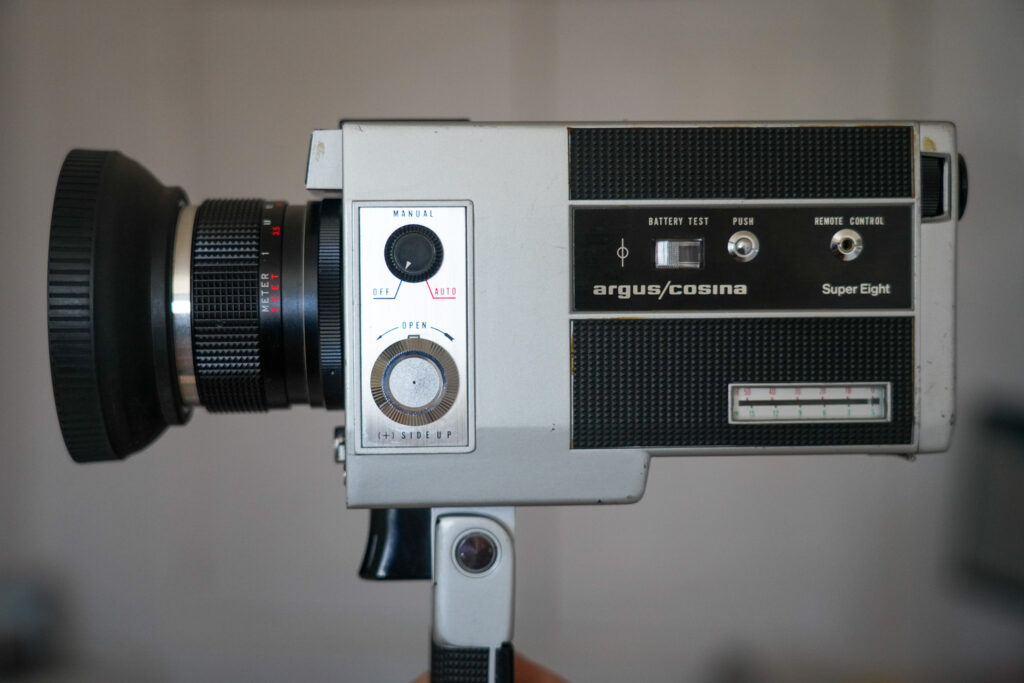
The Argus & Cosina 706, made in the 1970s, was a compact Super 8 movie camera built for hobbyists who wanted an easy way to capture home movies and personal projects. With its simple pistol-grip design and built-in zoom lens, it made filmmaking feel approachable without sacrificing quality. Mine is fully functional, and I’ve had a blast shooting Super 8 footage with it — there’s something about the grain and warmth of motion film that still photography just can’t replicate.
Playlist

3:21

1:21
Check out my blog post(s) about this camera:
Argus Cosina 706 Super 8 Vintage Camera Review: Test Footage + First Impressions
Ansco Pix Panorama
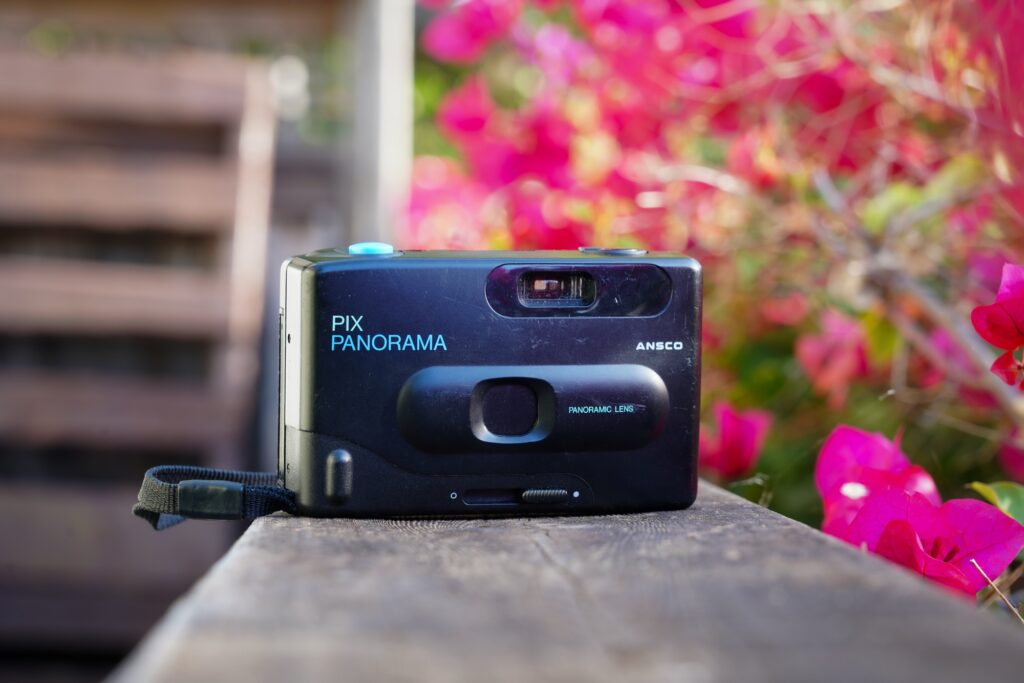
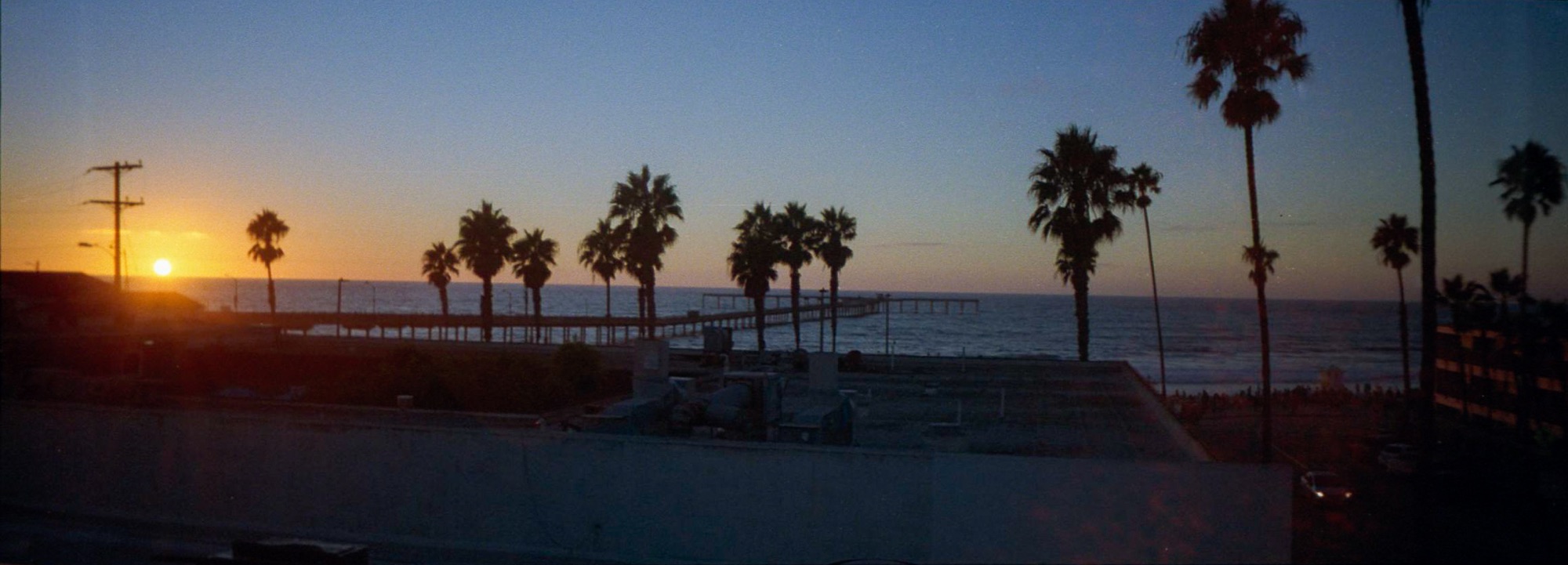
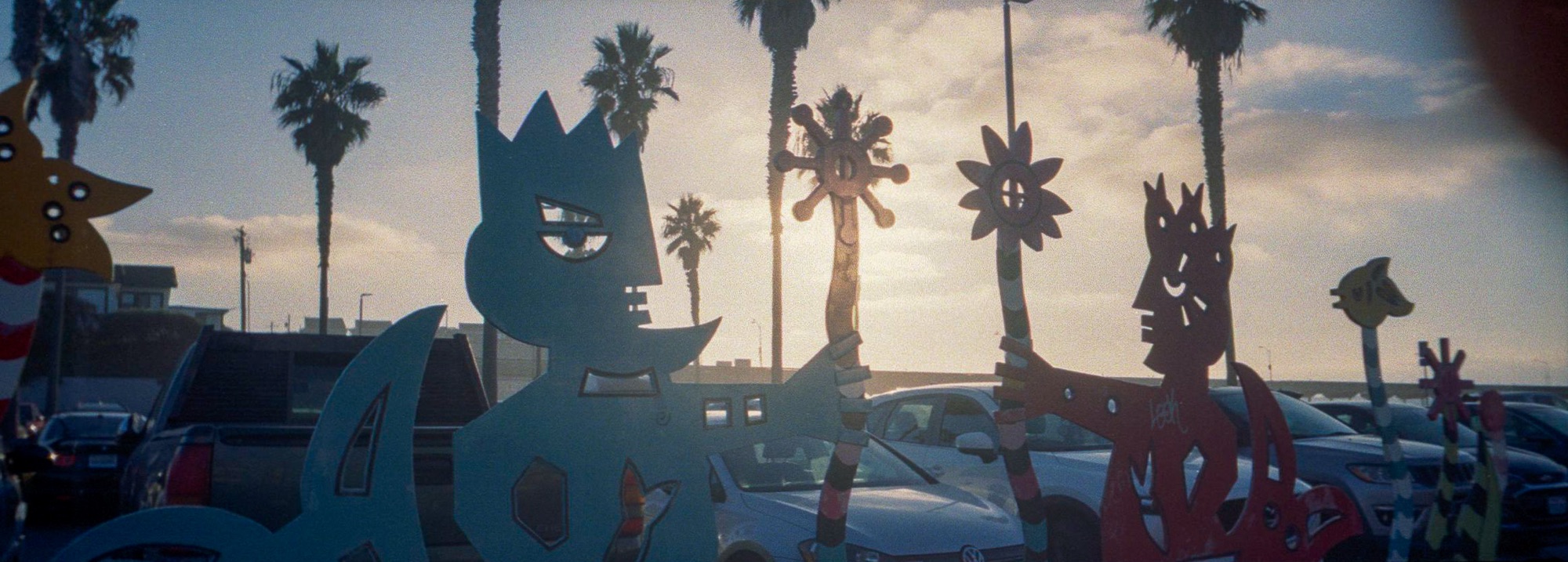
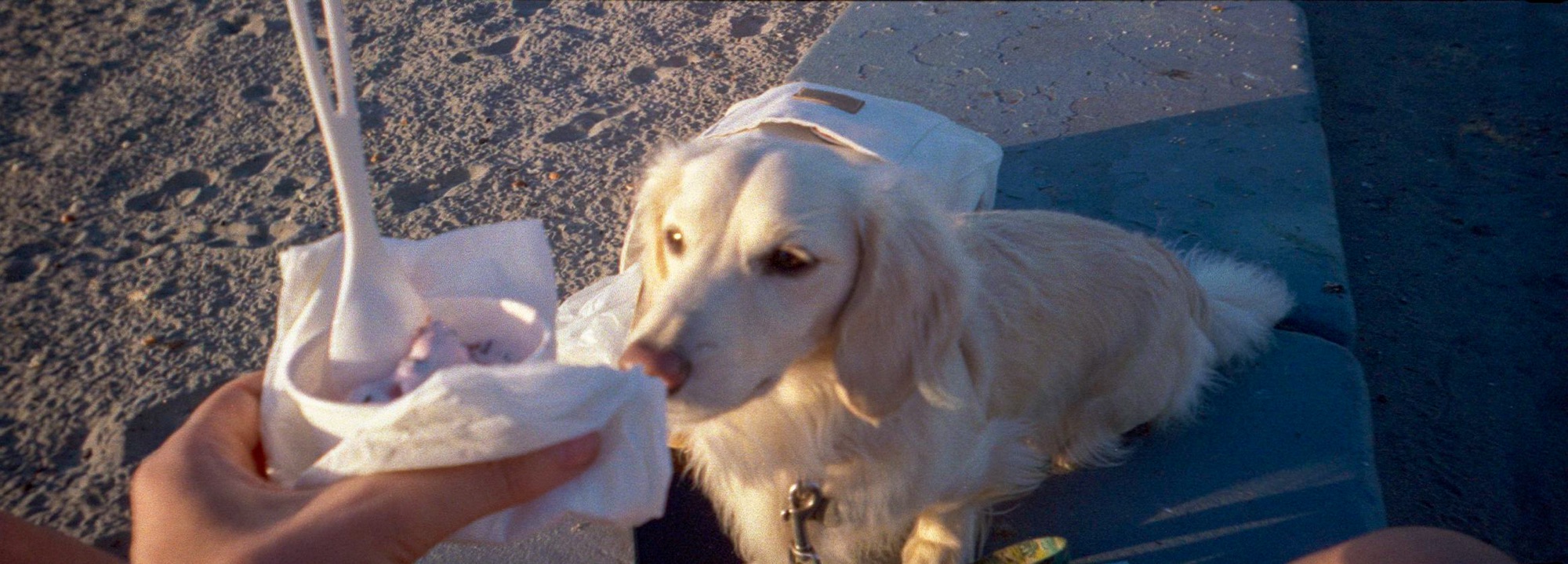
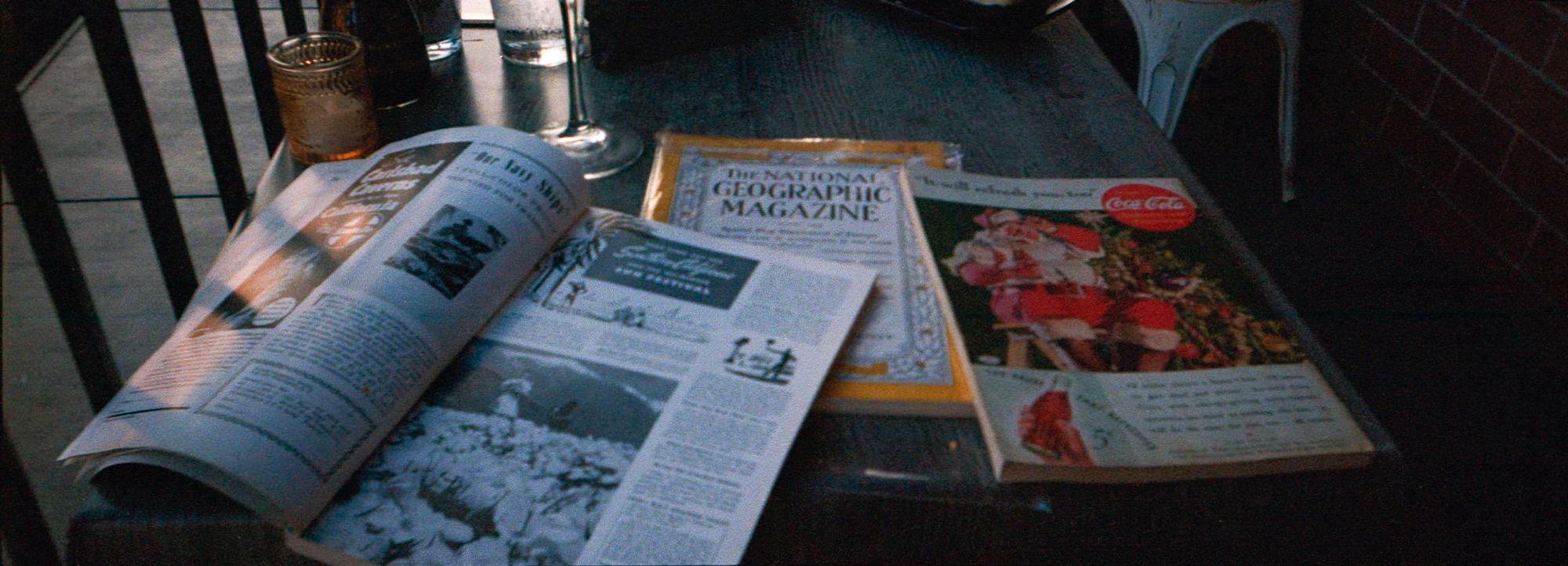
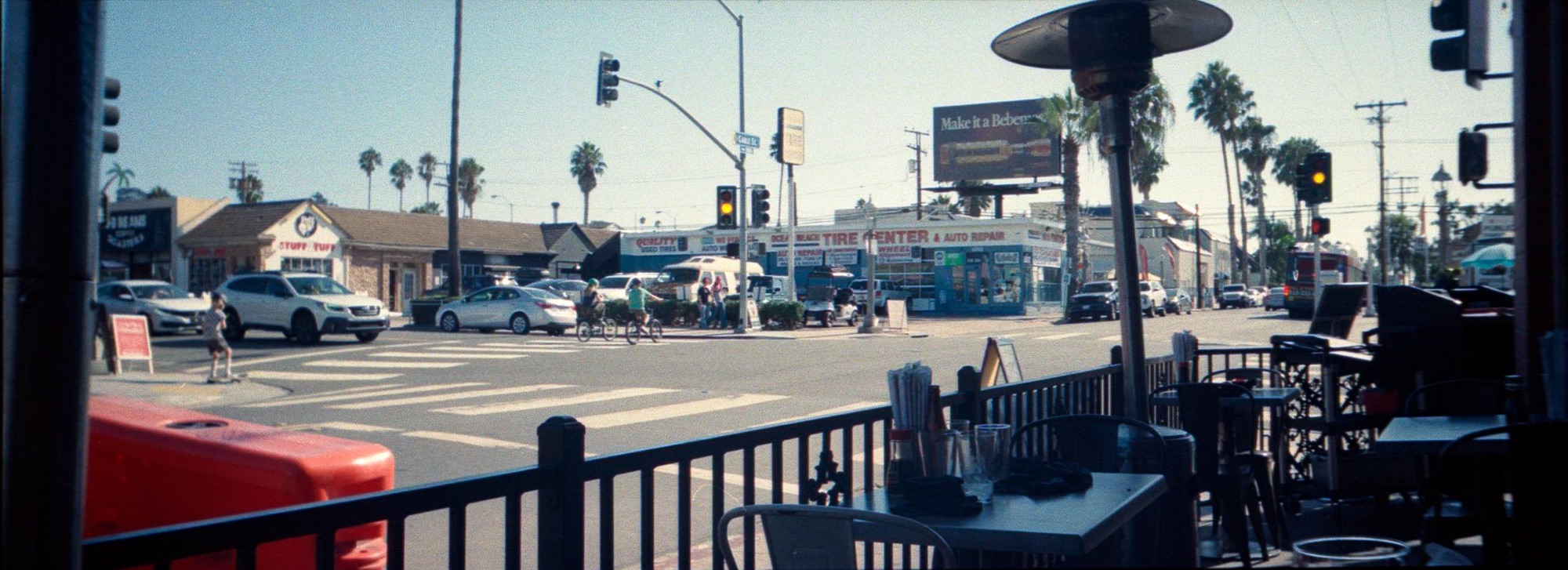
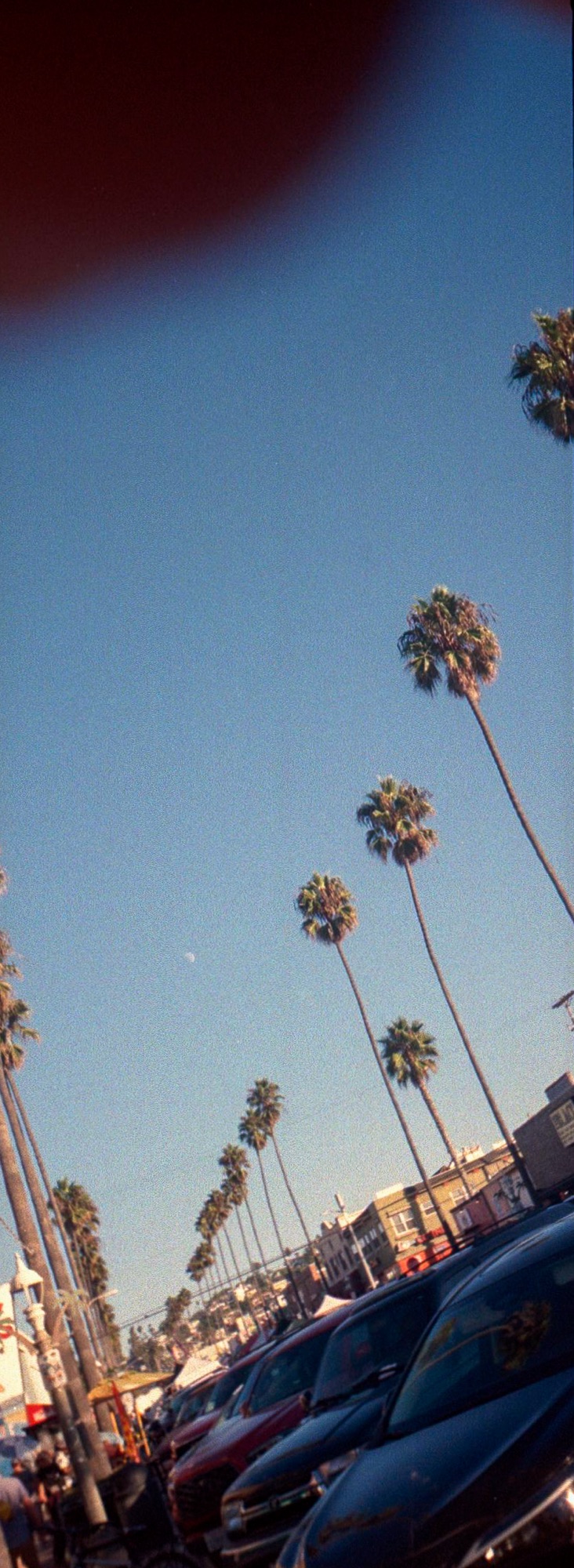
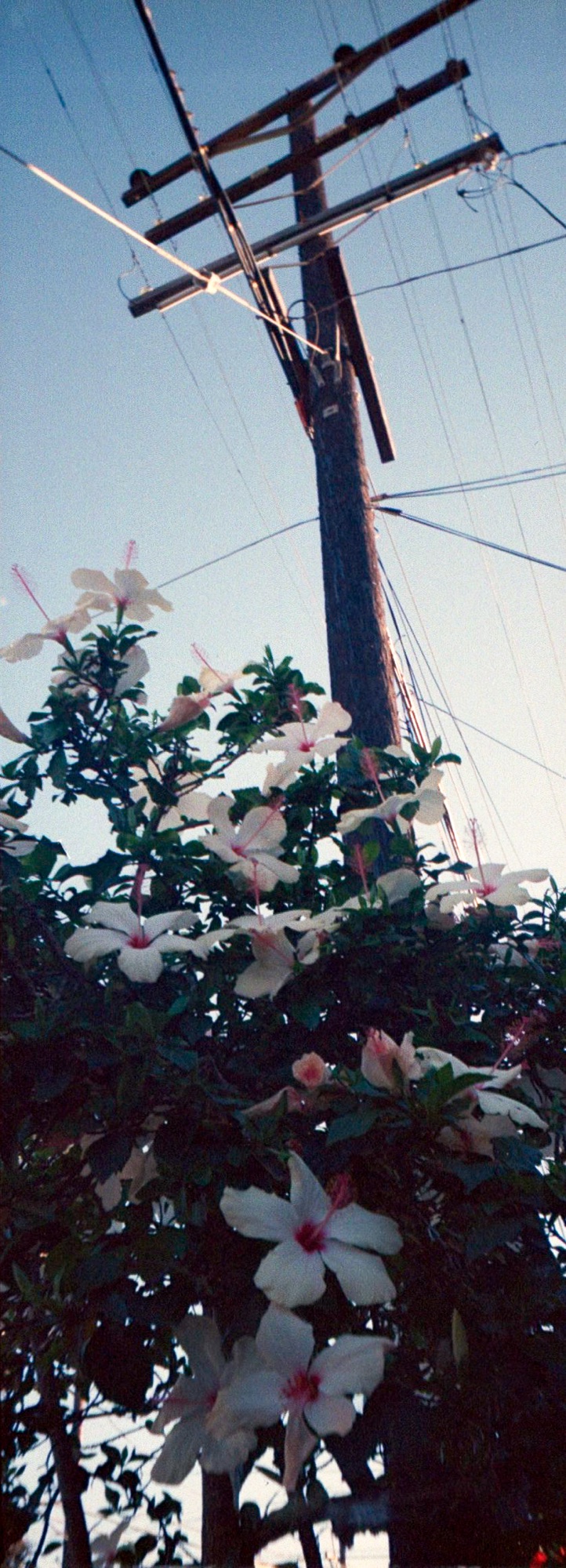
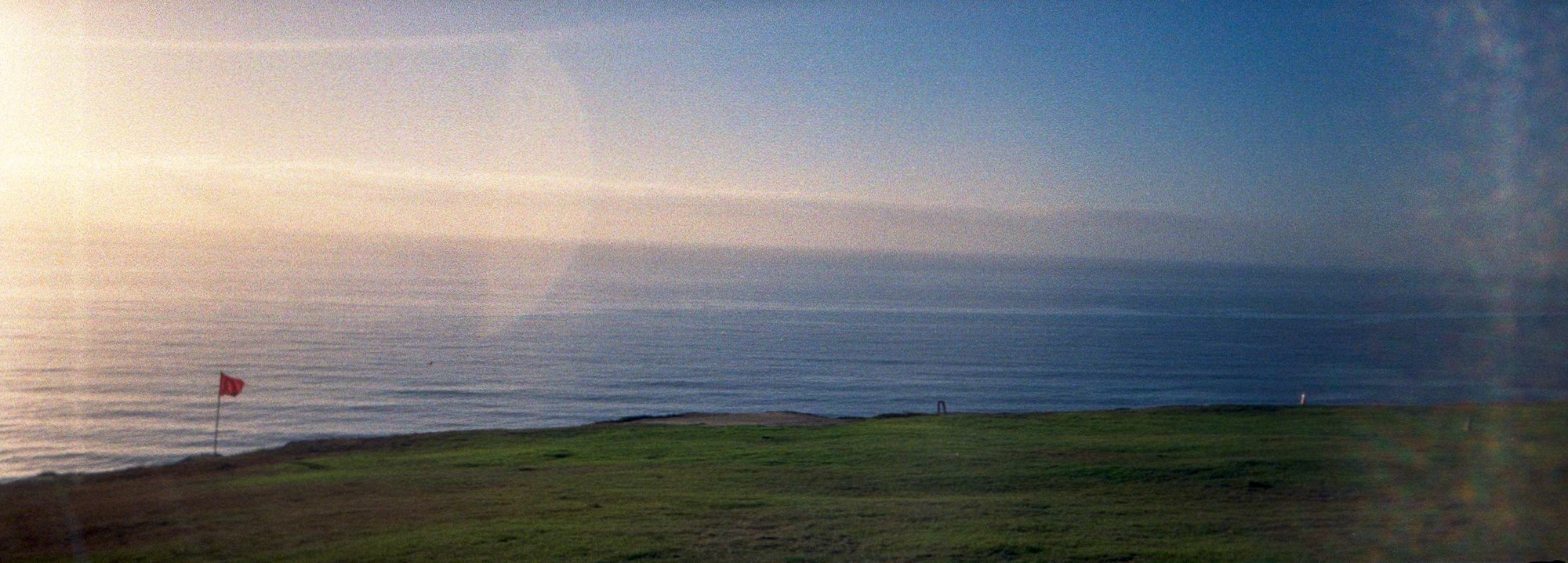
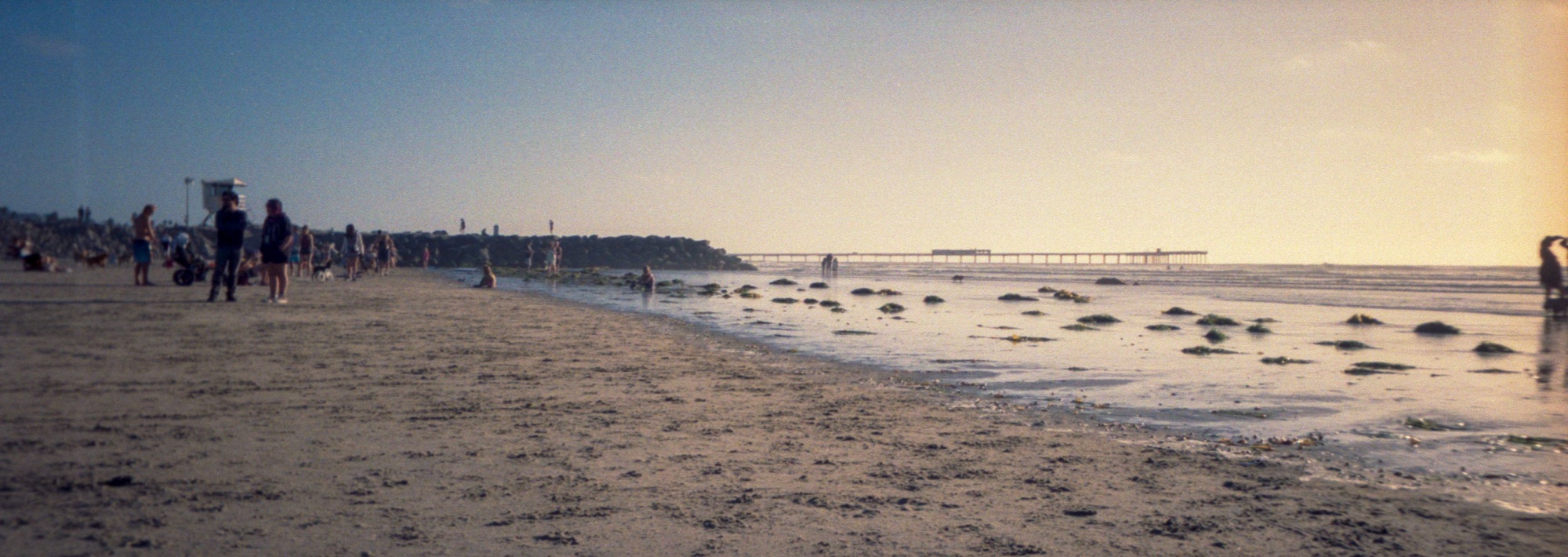
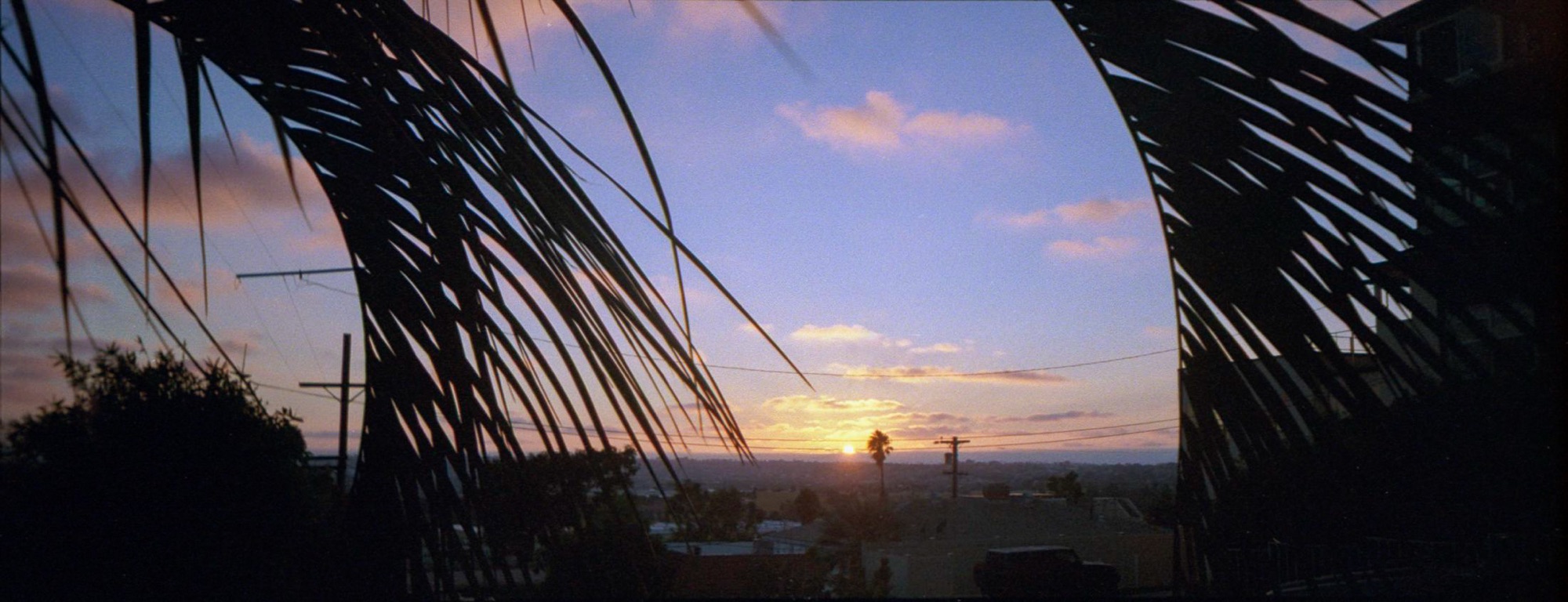
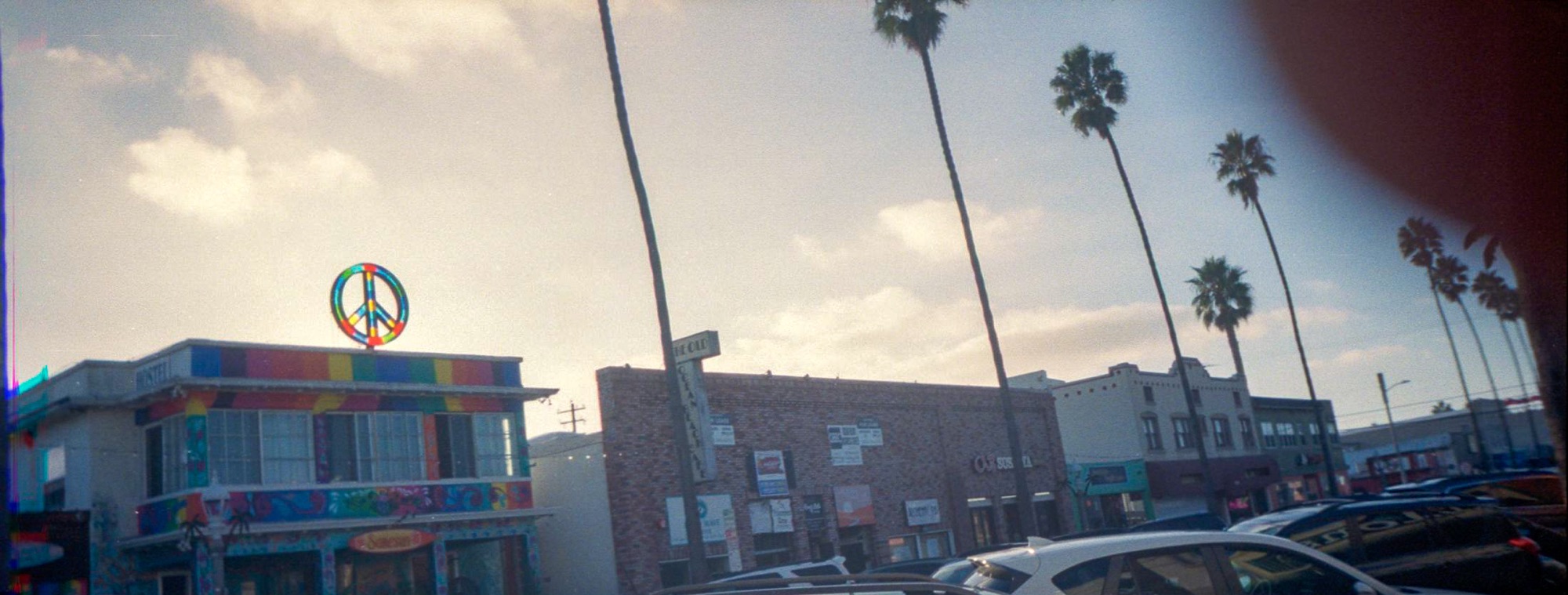
The Ansco Pix Panorama was a budget-friendly point-and-shoot from the 1990s that used a fixed wide-angle lens to create a panoramic crop on standard 35mm film. It wasn’t exactly high-end, but that’s kind of the charm — it’s the definition of “just point it and go.” Mine hasn’t been tested yet, but I love the idea of seeing what kind of wide, lo-fi panoramic shots it can pull off.
Check out my blog post(s) about this camera:
The Ansco Pix Panorama: A Fun, Faux-Panorama 35mm Camera Test
Polaroid Autofocus 660
The Polaroid Autofocus 660, released in the early 1980s, was part of Polaroid’s 600 series and one of the first instant cameras to feature a built-in autofocus system and sonar sensor. It made getting a sharp instant print almost foolproof, which was a big deal at the time. Mine is fully functional, and there’s still nothing quite like hearing that motor whir and watching a Polaroid develop in your hand — it’s instant gratification in the most literal sense.

Kodak Duaflex III
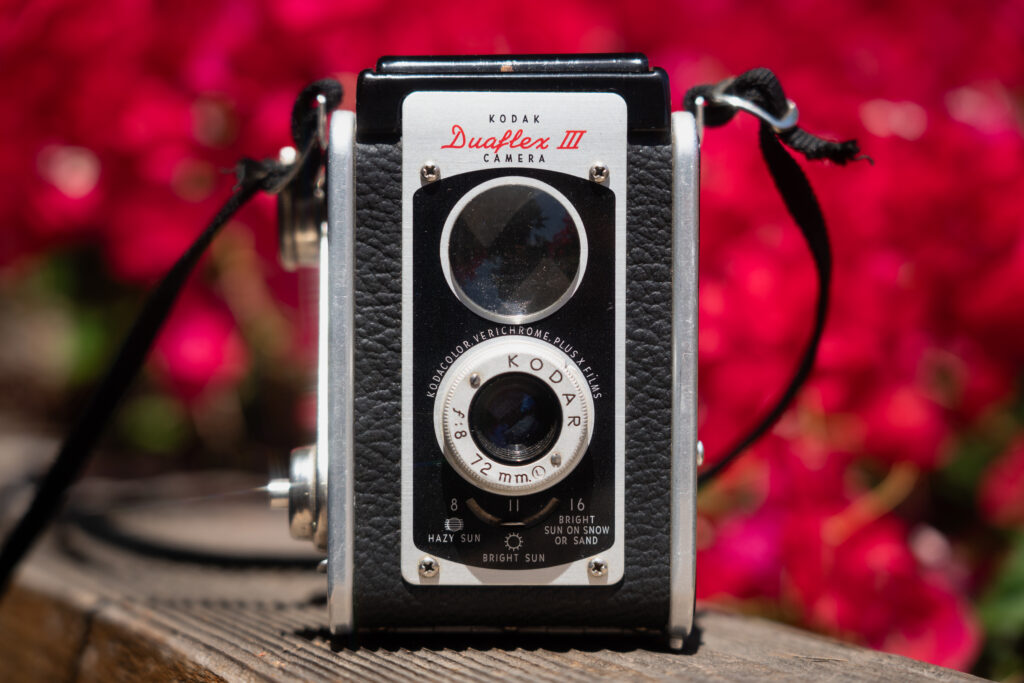
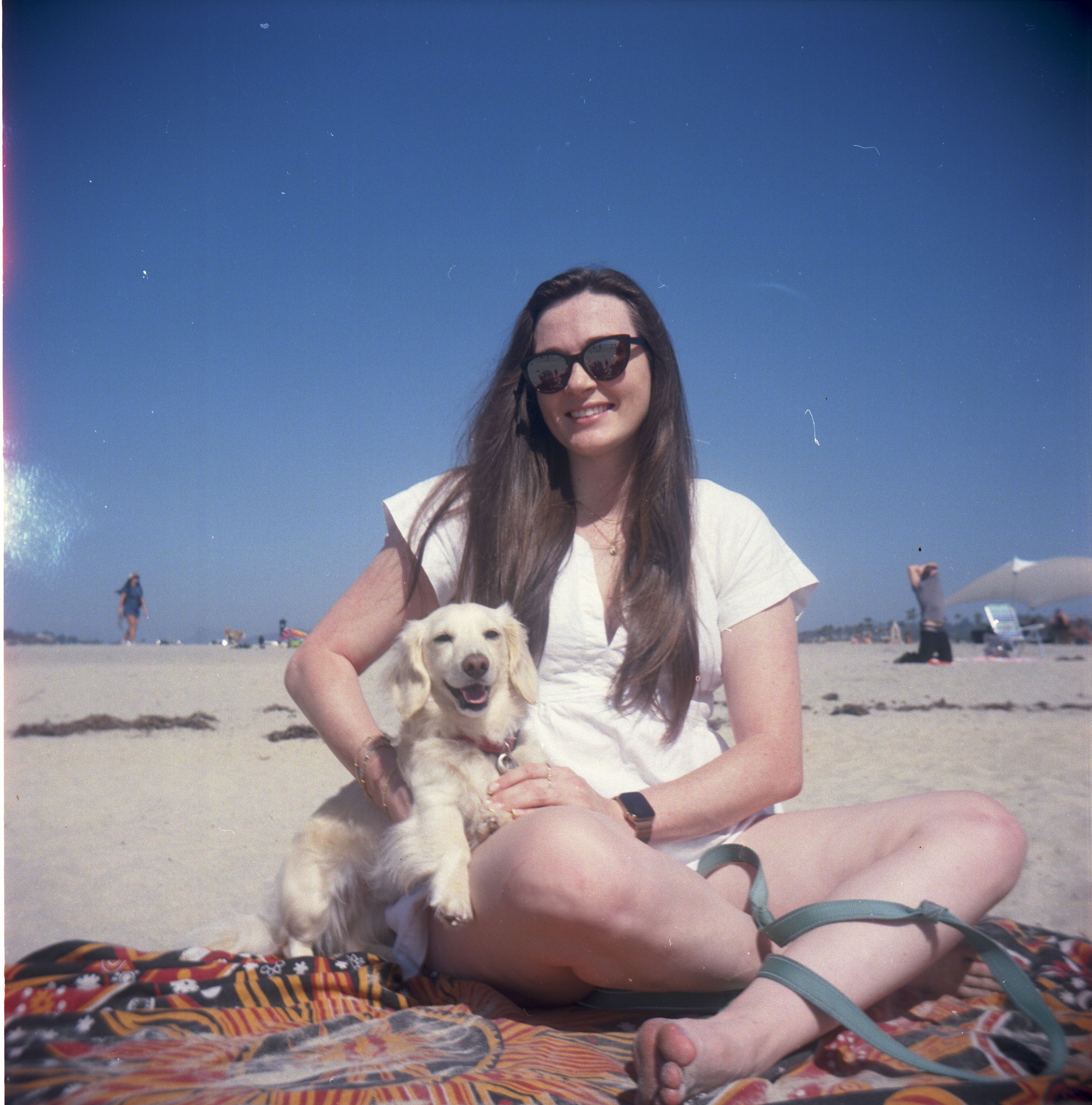
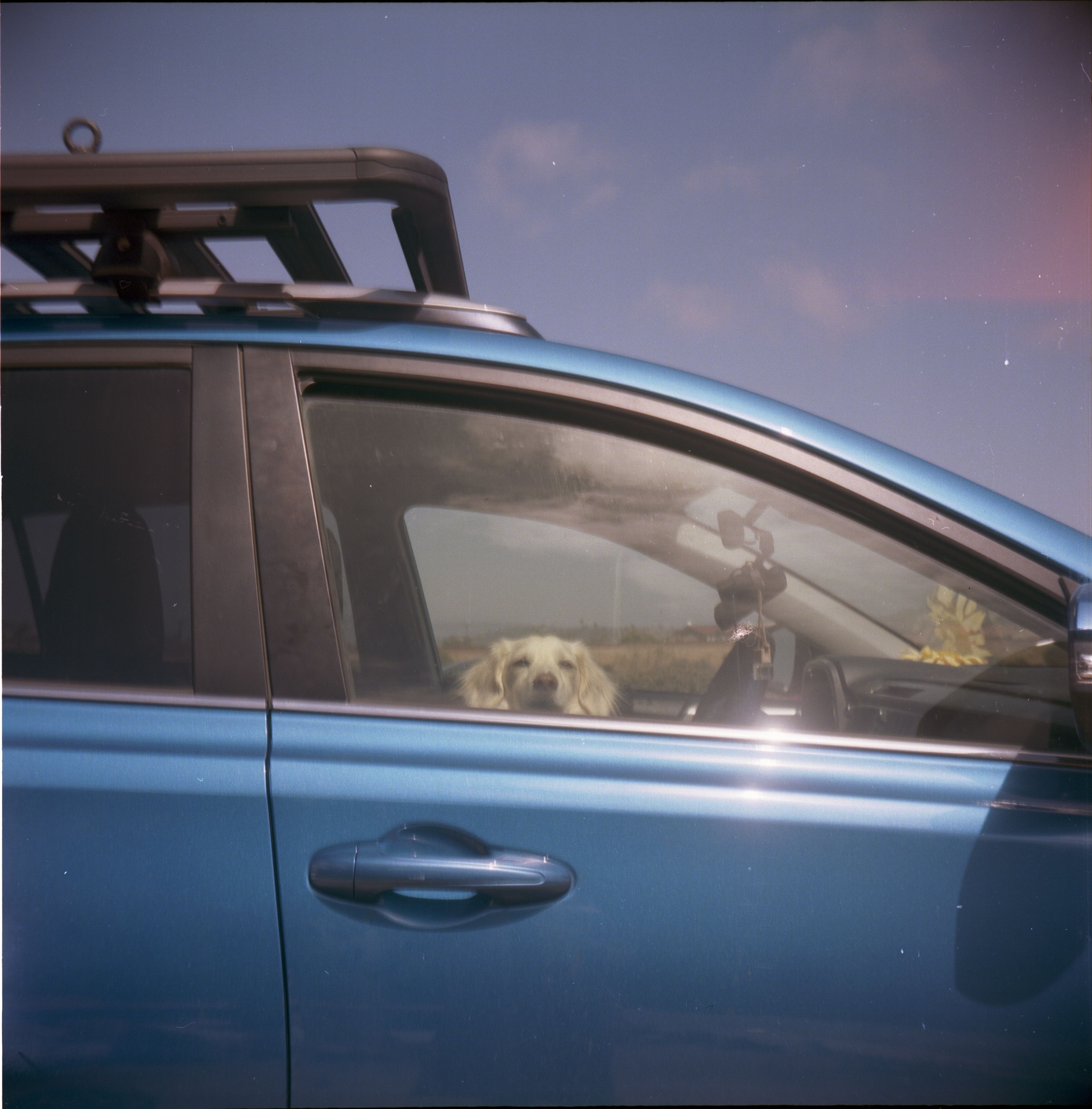
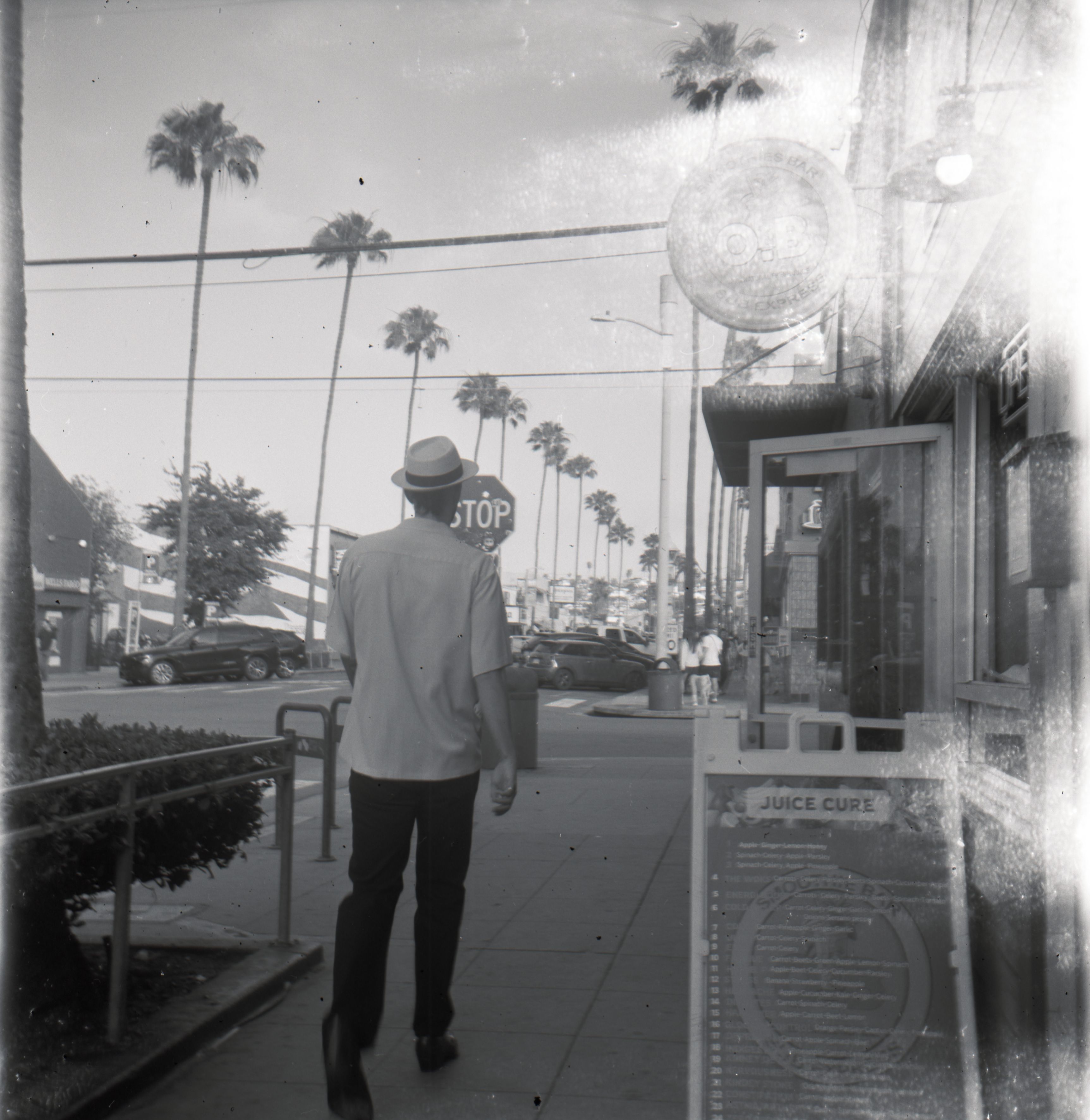
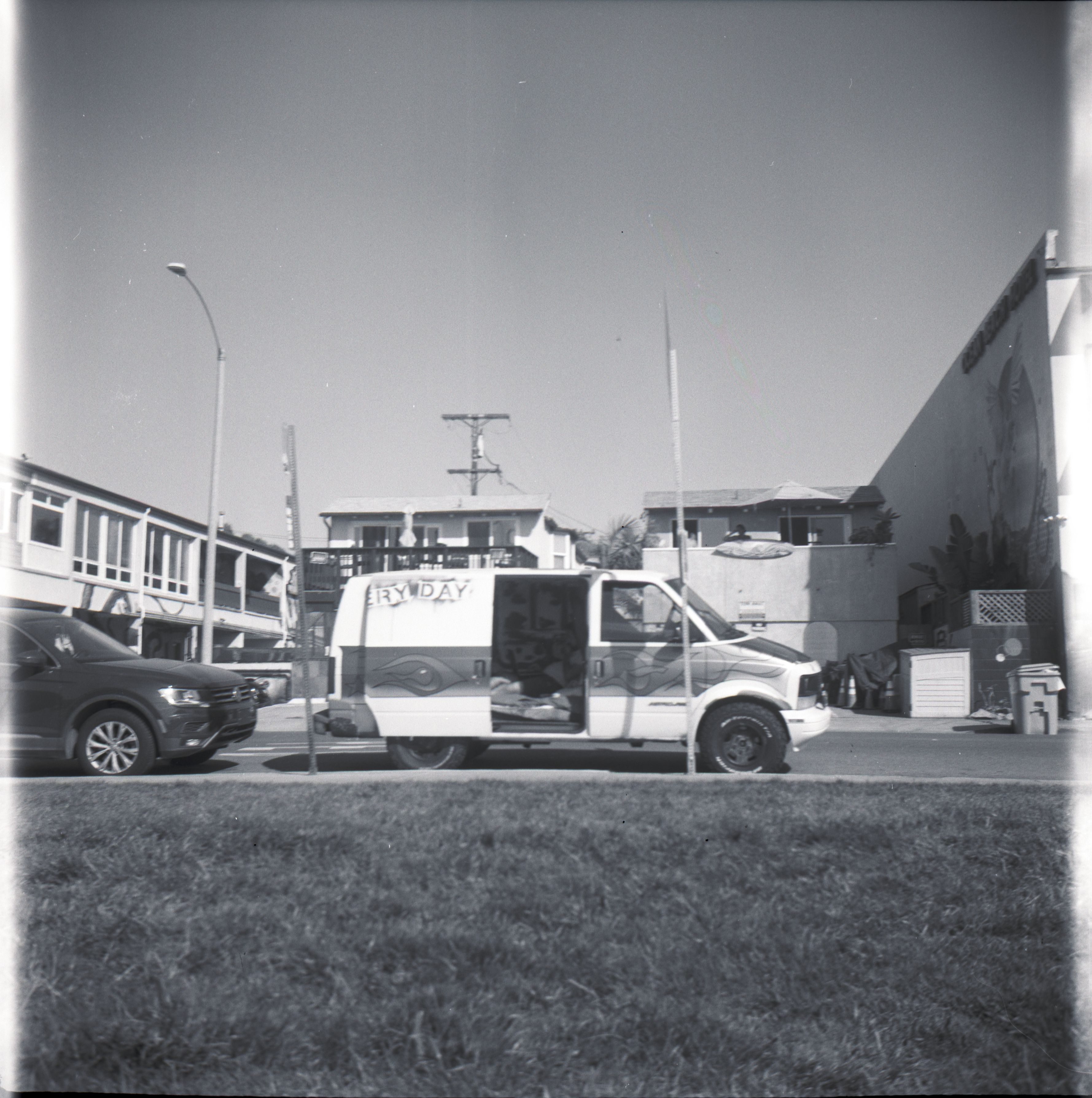
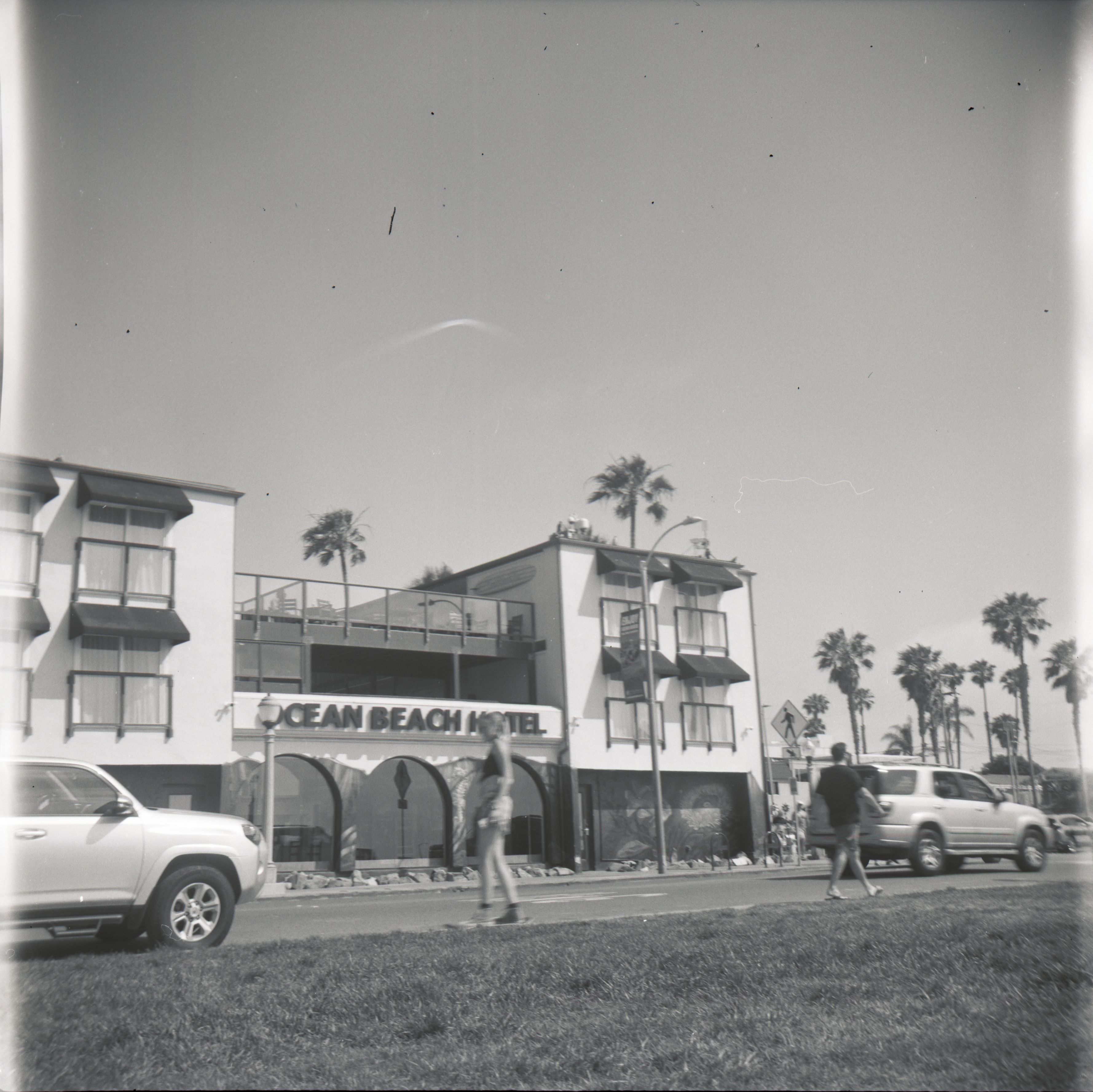
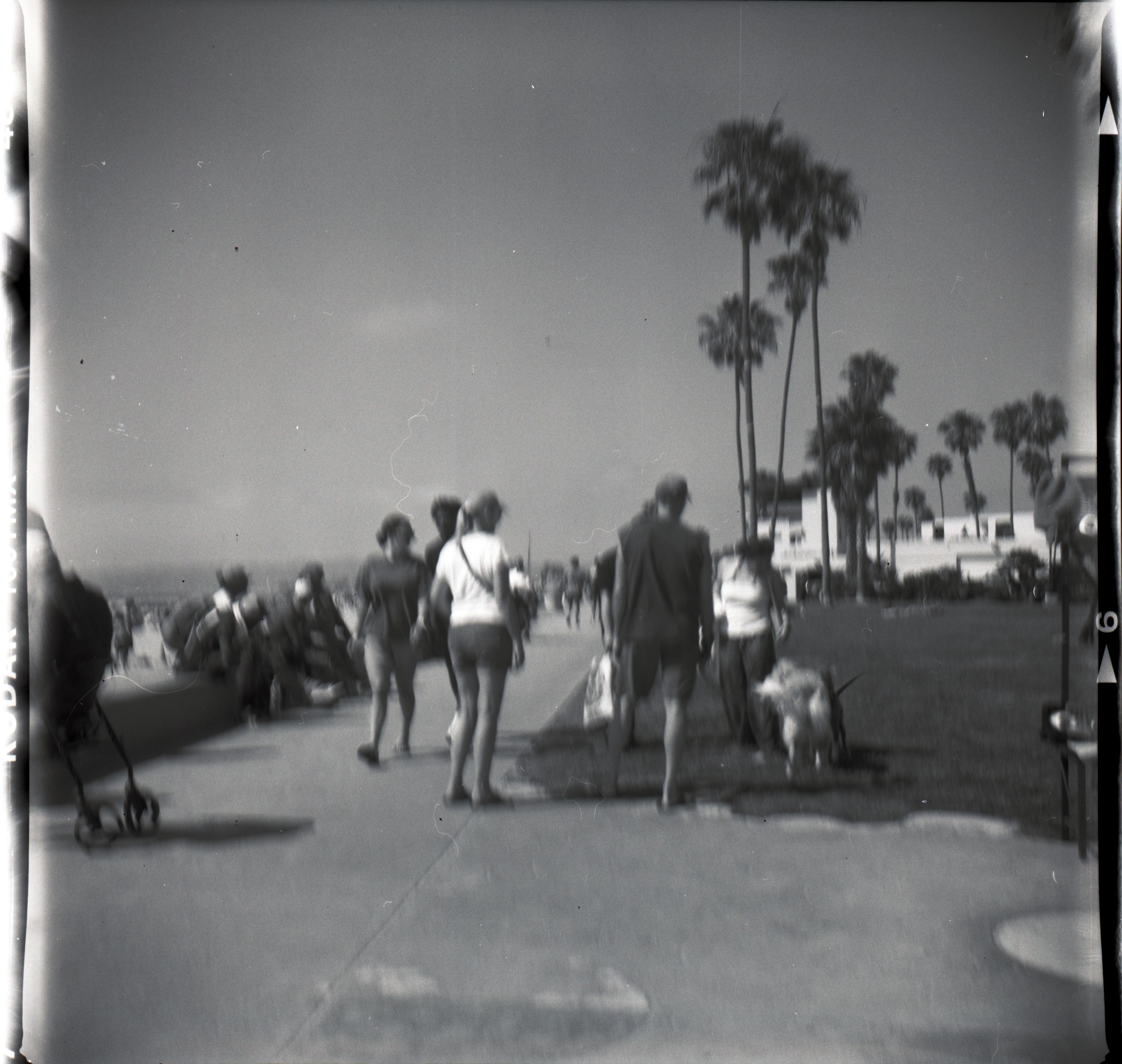
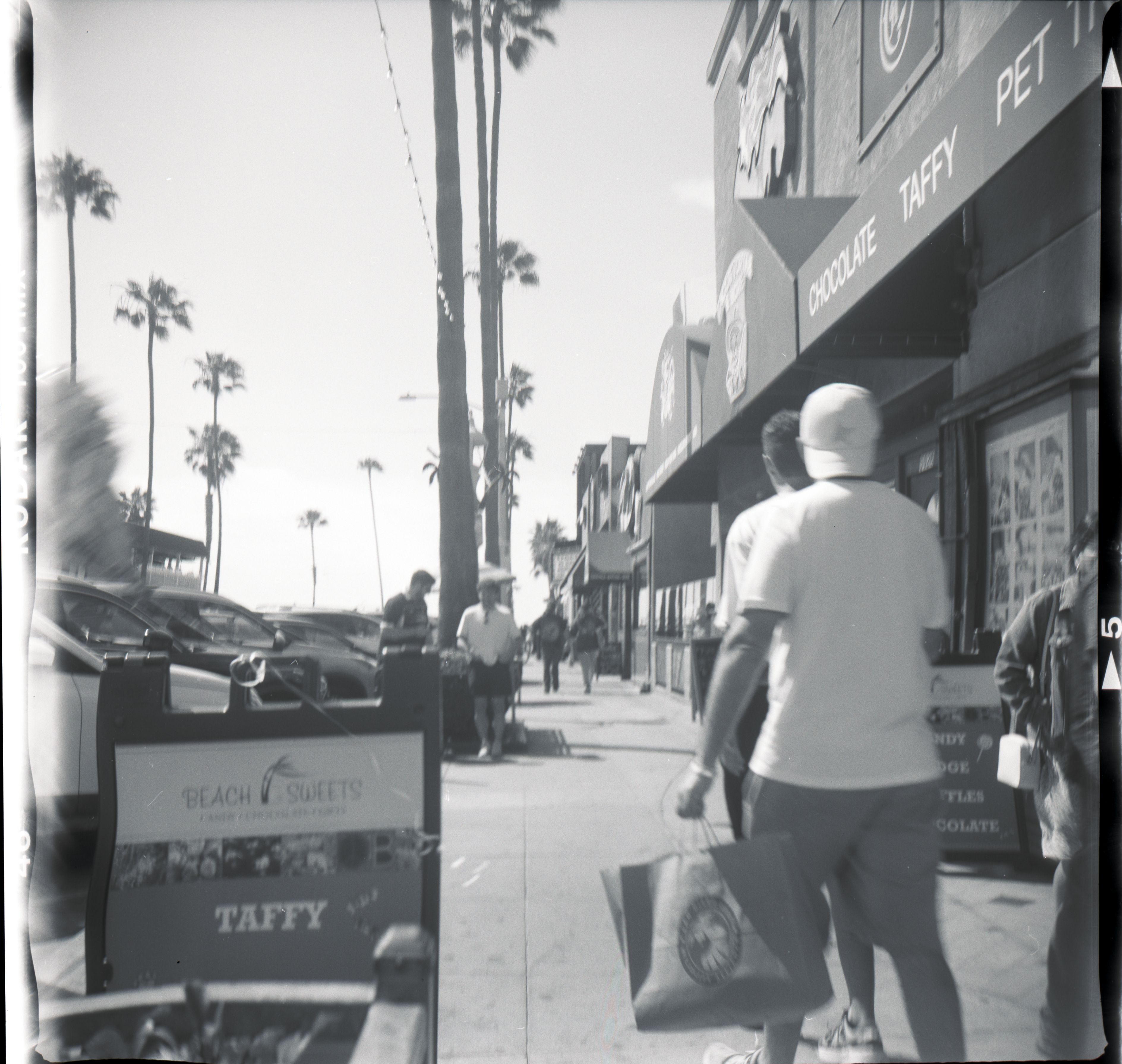
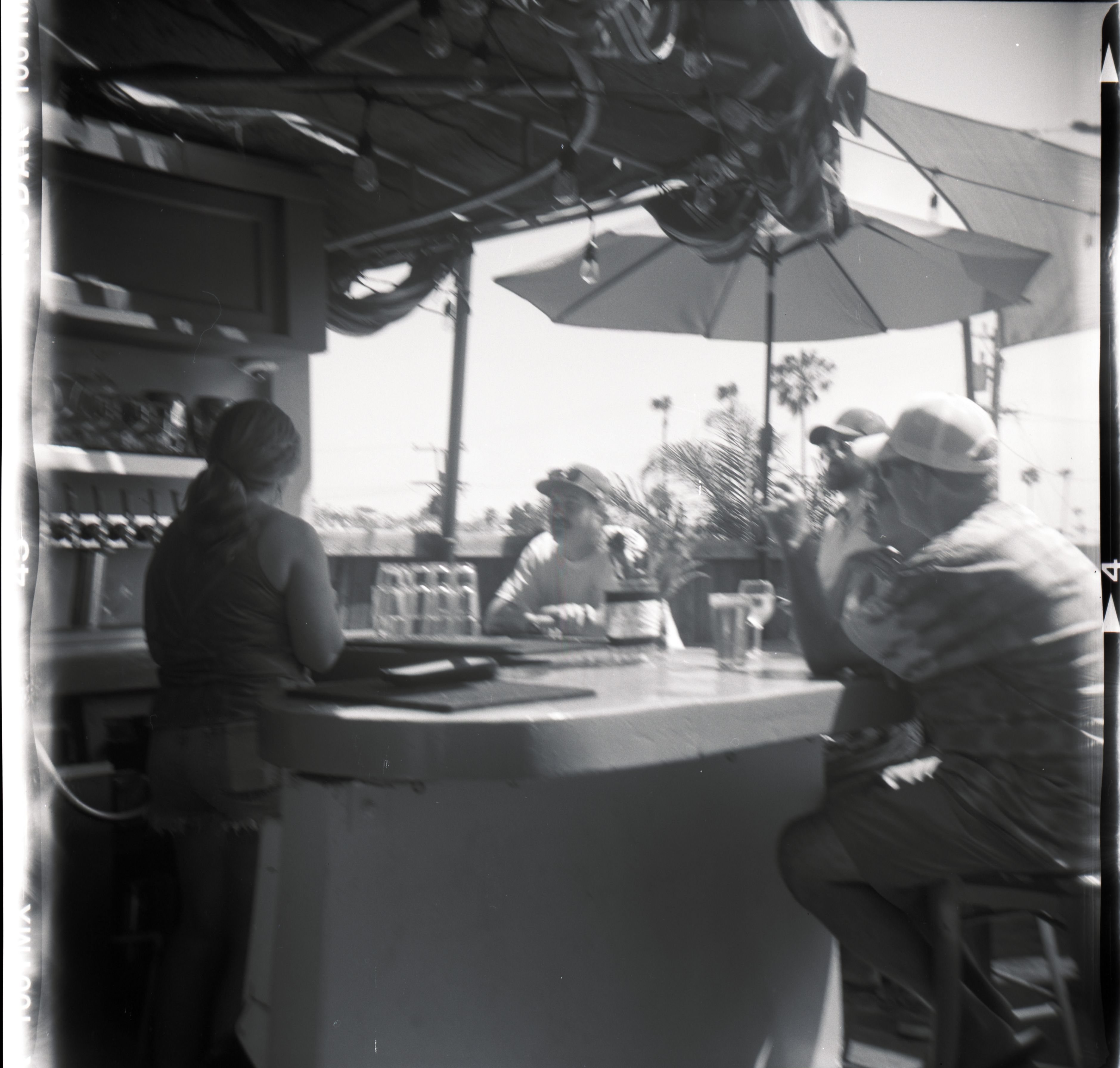
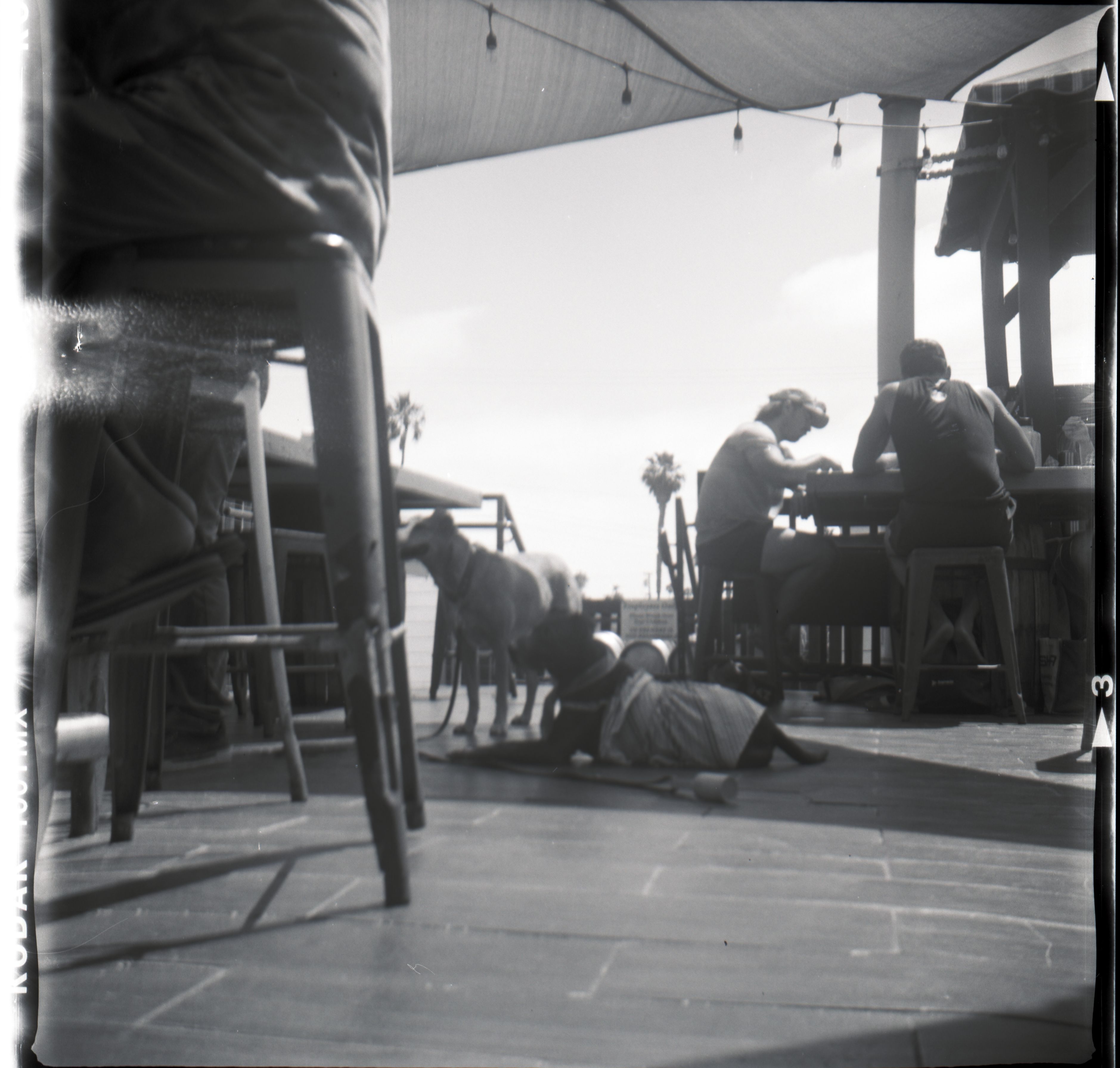
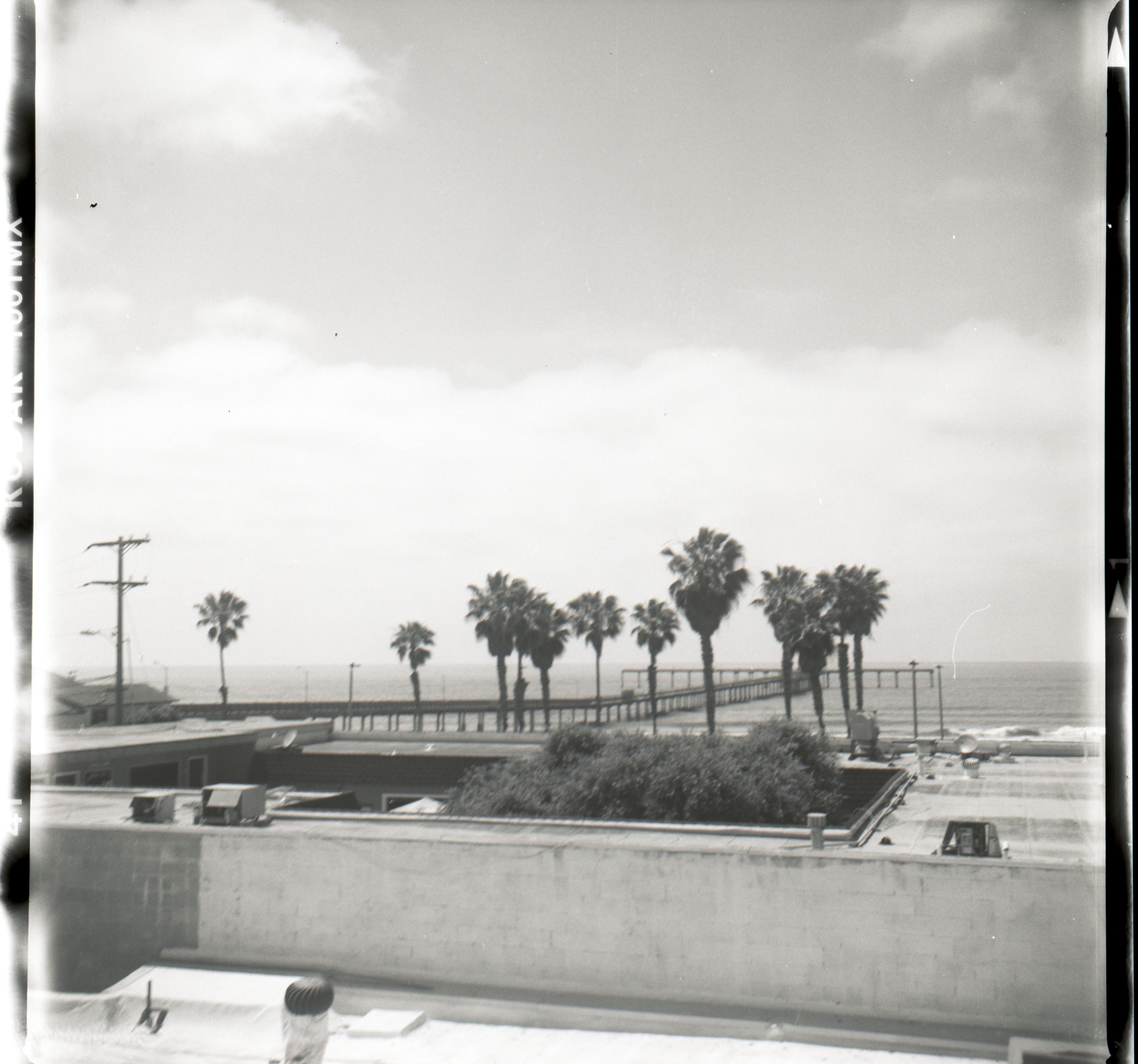
The Kodak Duaflex III, produced in the early 1950s, was a twin-lens reflex-style box camera designed to make medium-format photography accessible to everyday shooters. Its waist-level viewfinder and straightforward controls made it a hit with hobbyists who wanted something a step up from basic point-and-shoots. Mine is fully functional, and I love the dreamy, soft quality of the images it produces — there’s a simplicity to shooting with it that feels refreshing.
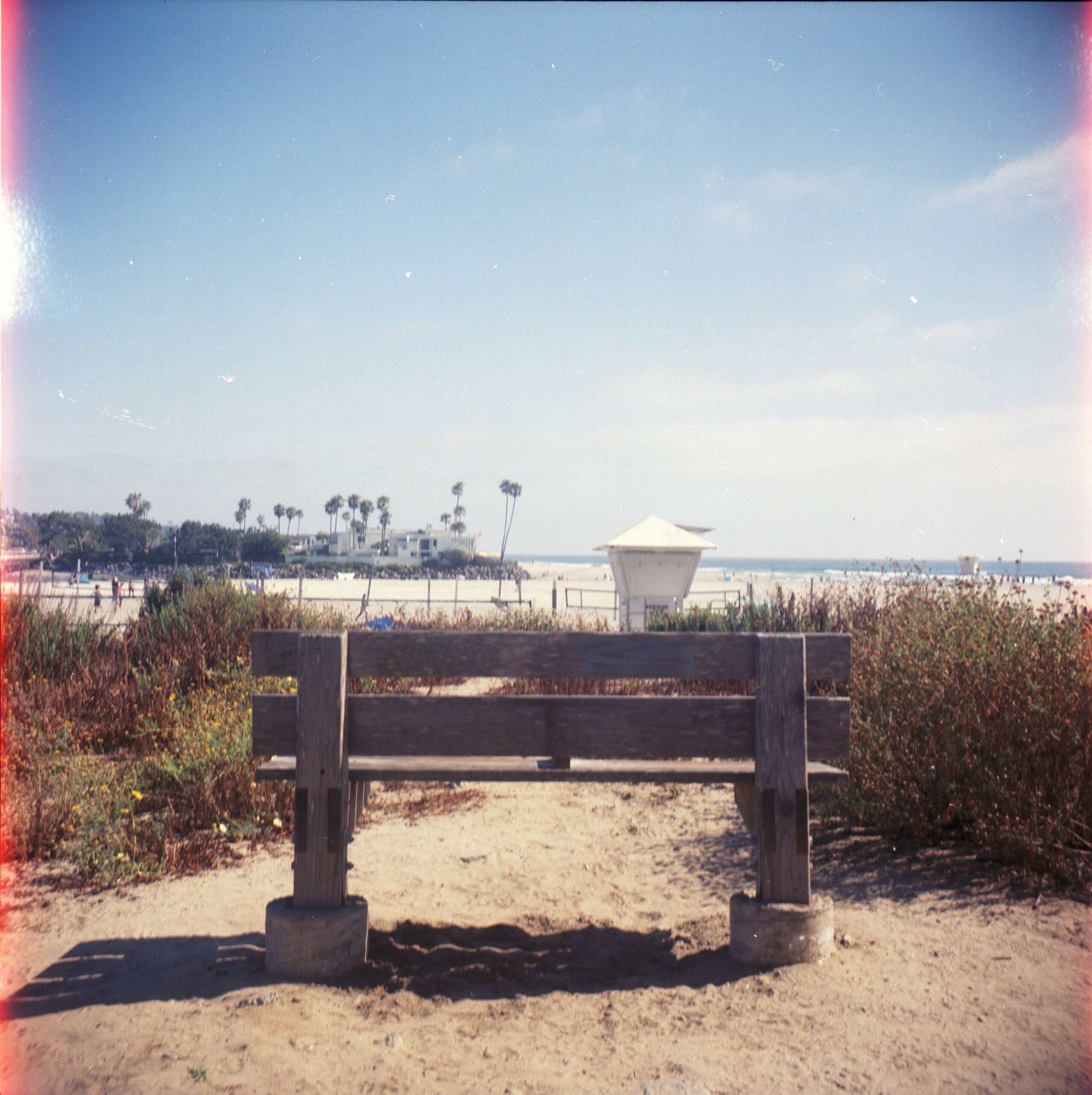
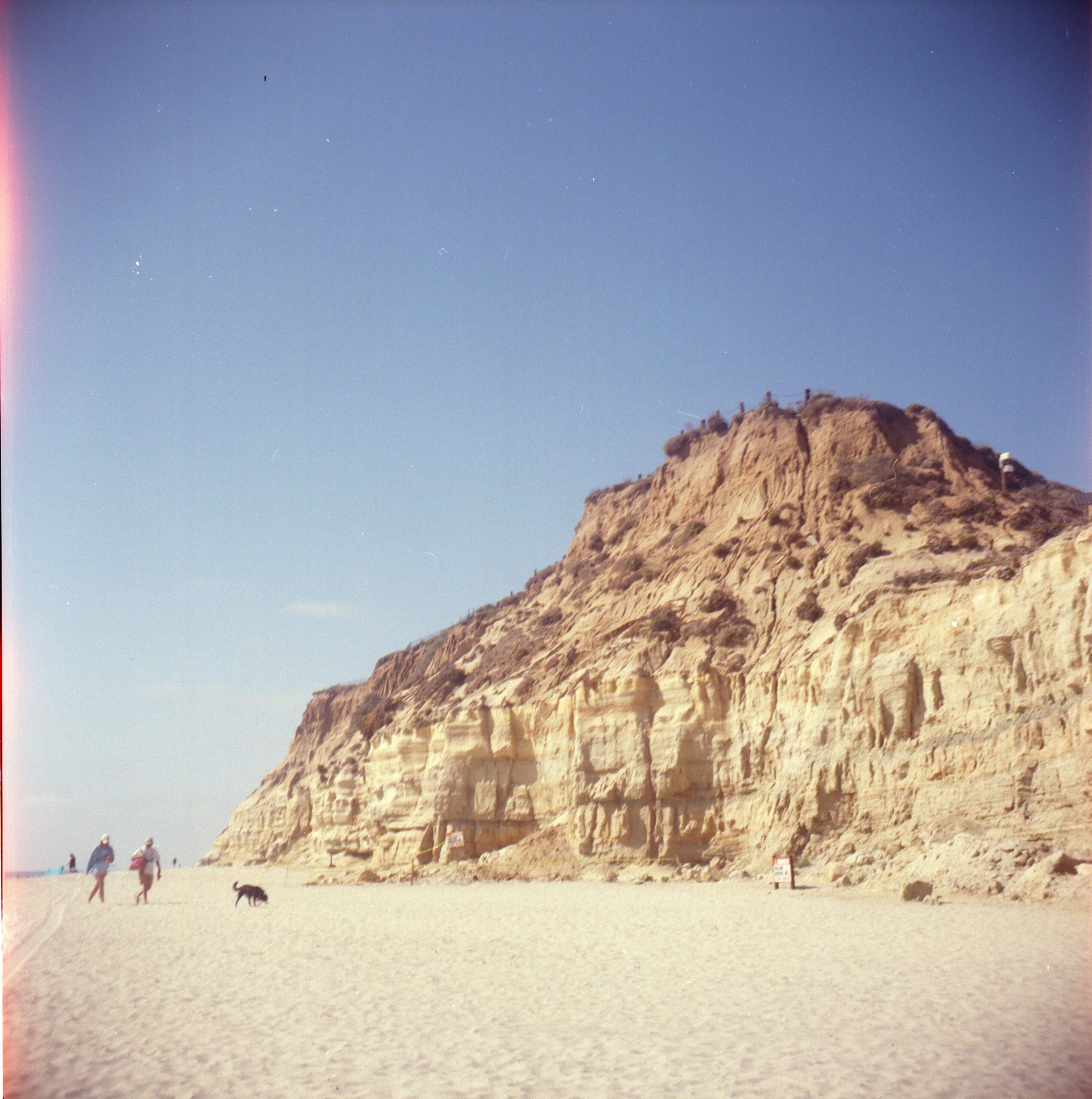
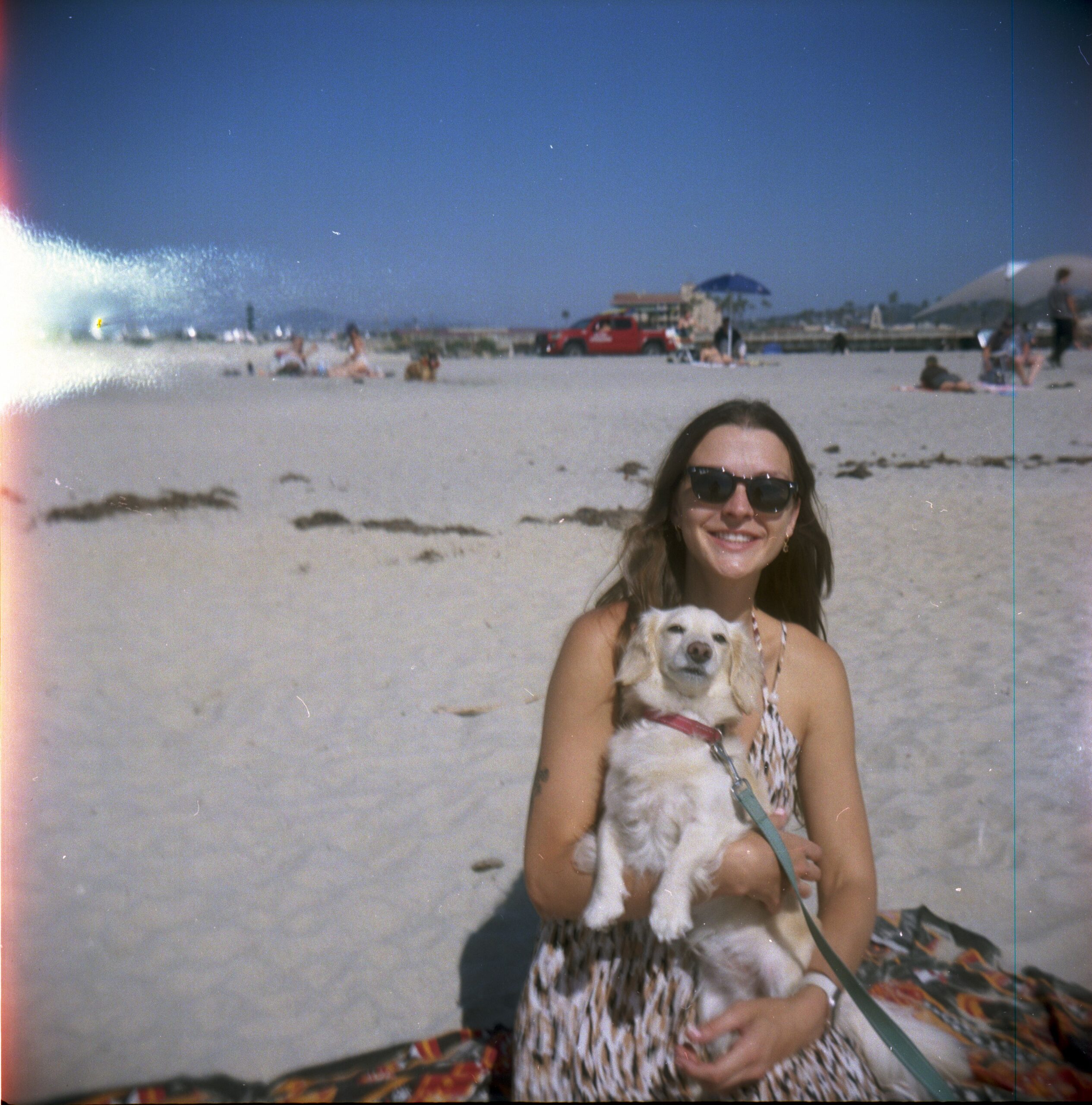
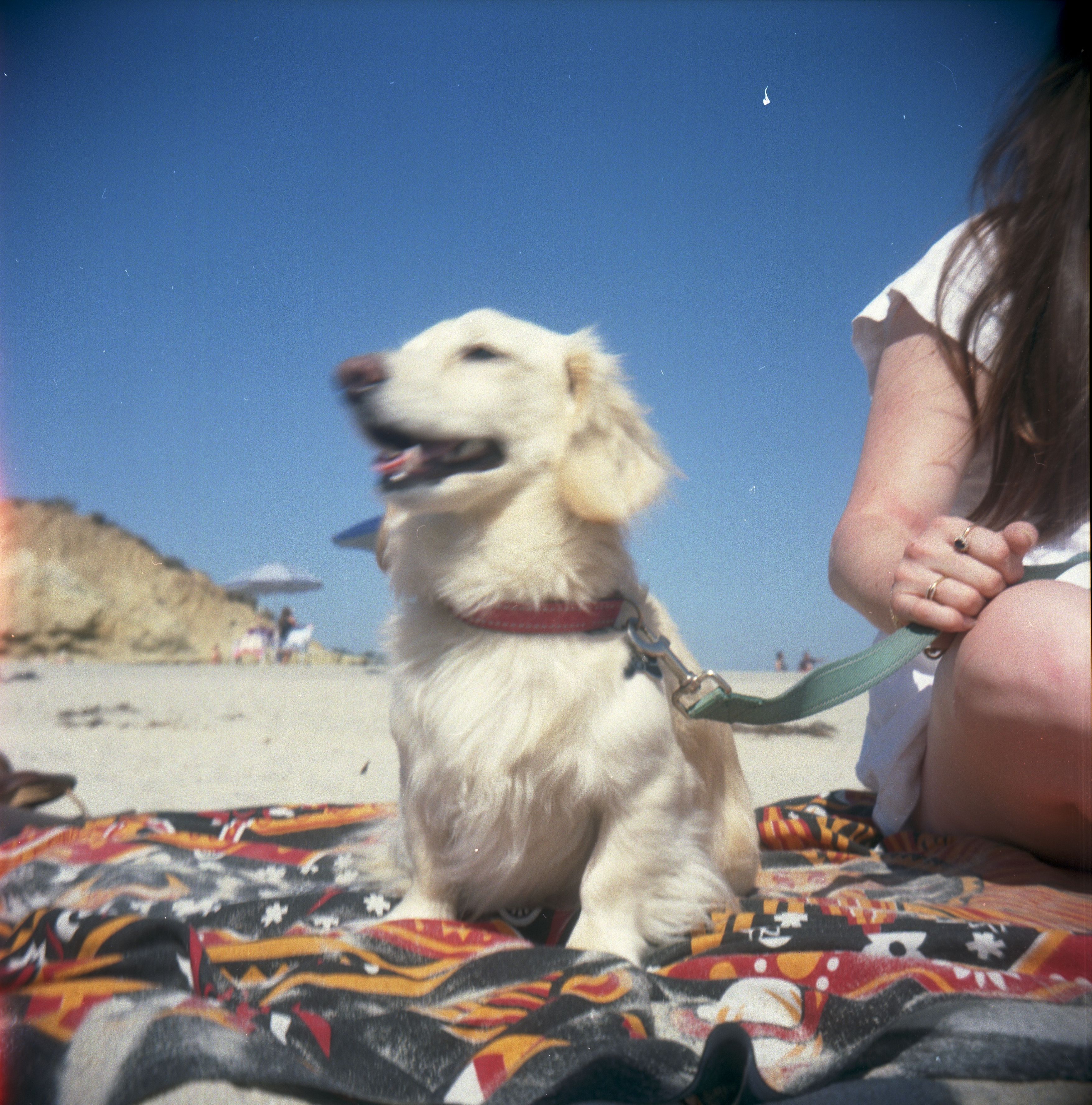
Check out my blog post(s) about this camera:
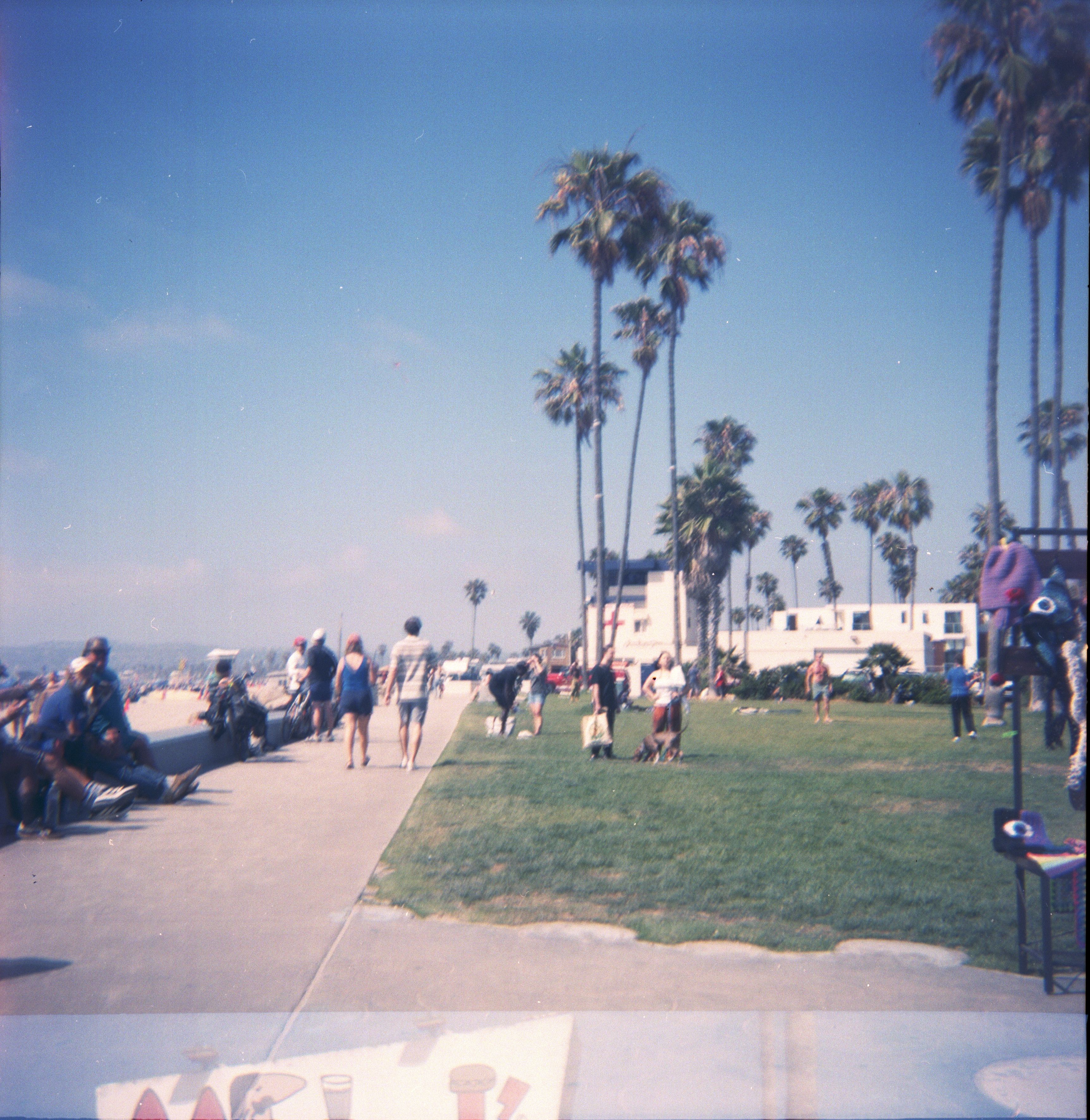
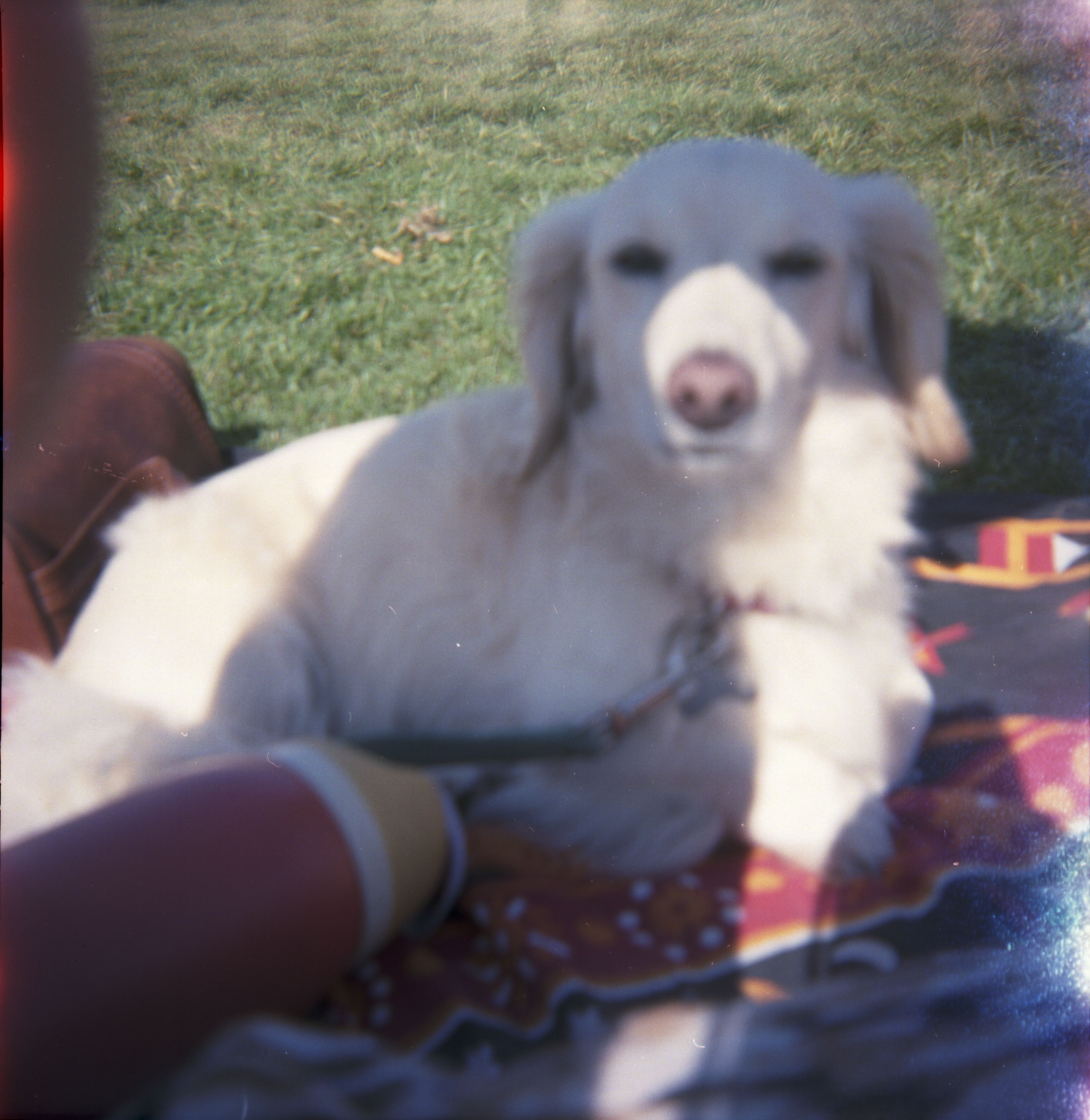
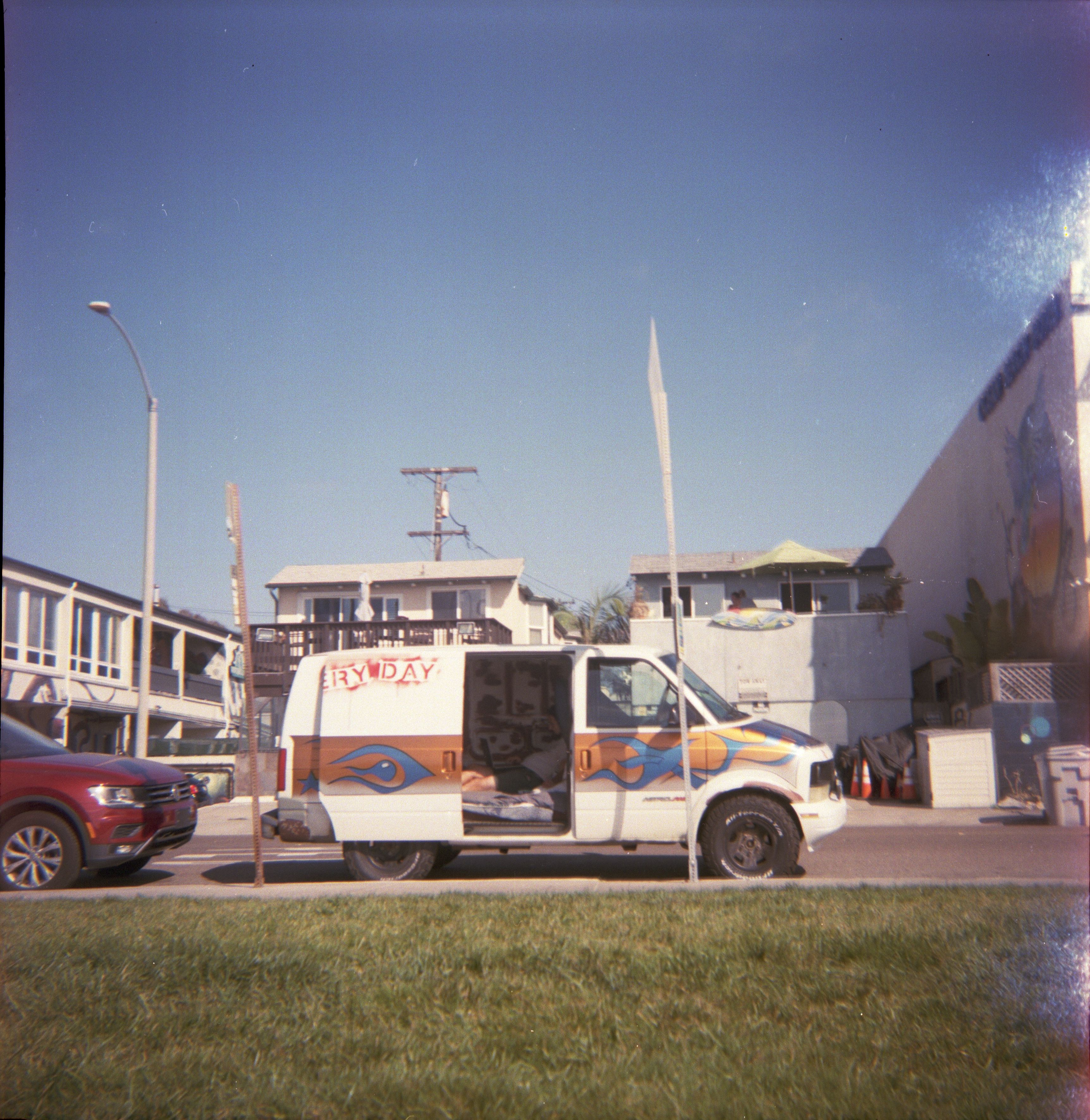
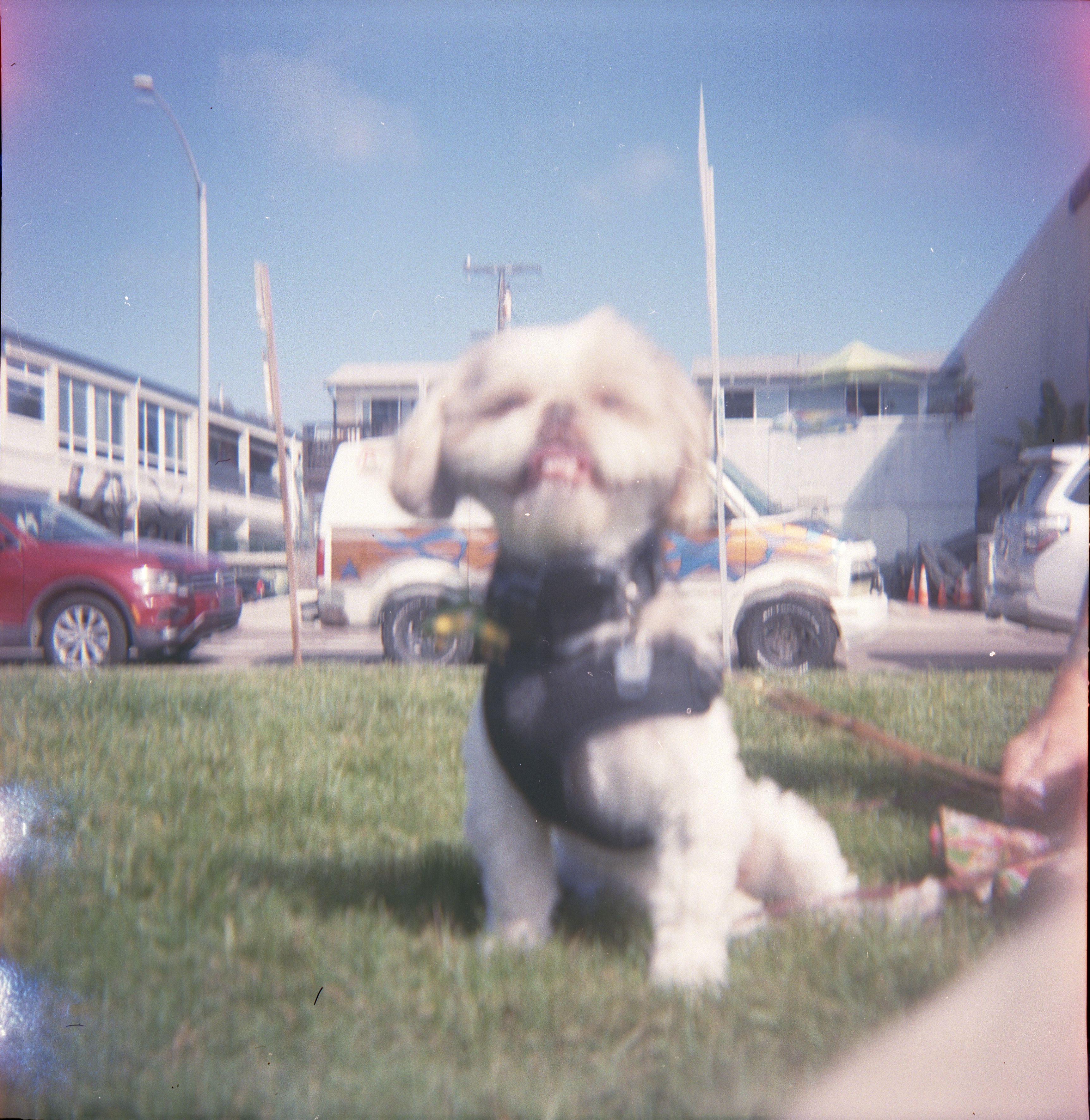
Kodak Duaflex III & Argus Argoflex 75: Shooting 620 Film in Two 1950s Box Cameras (Review + Sample Photos)
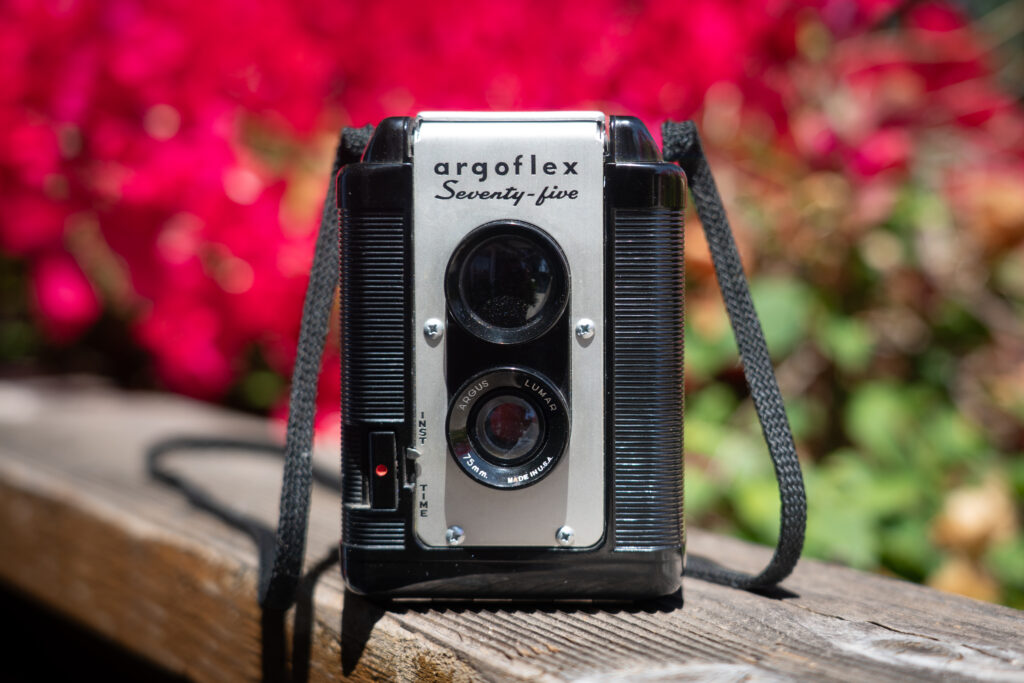
Argus Argoflex Seventy-Five
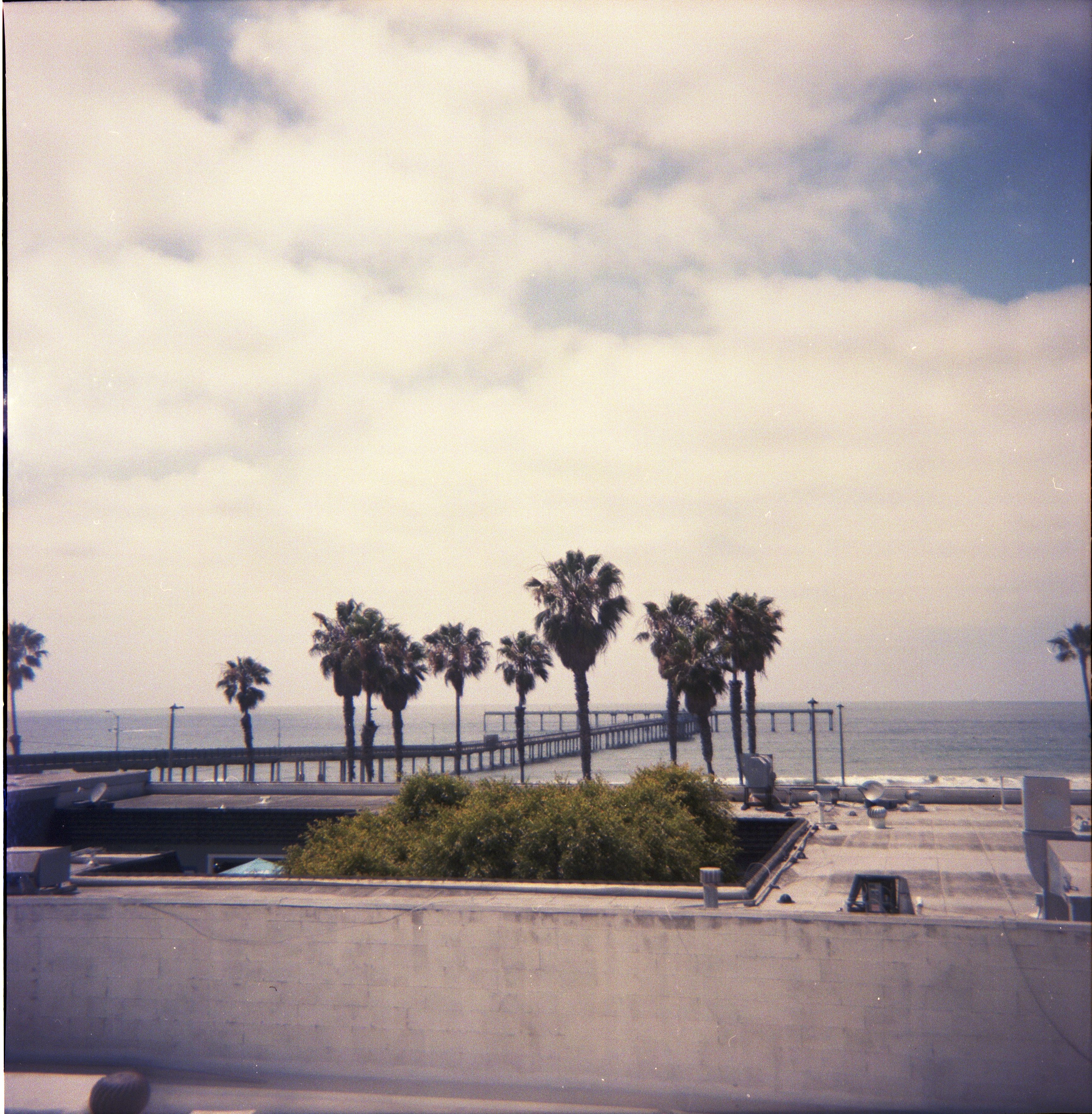
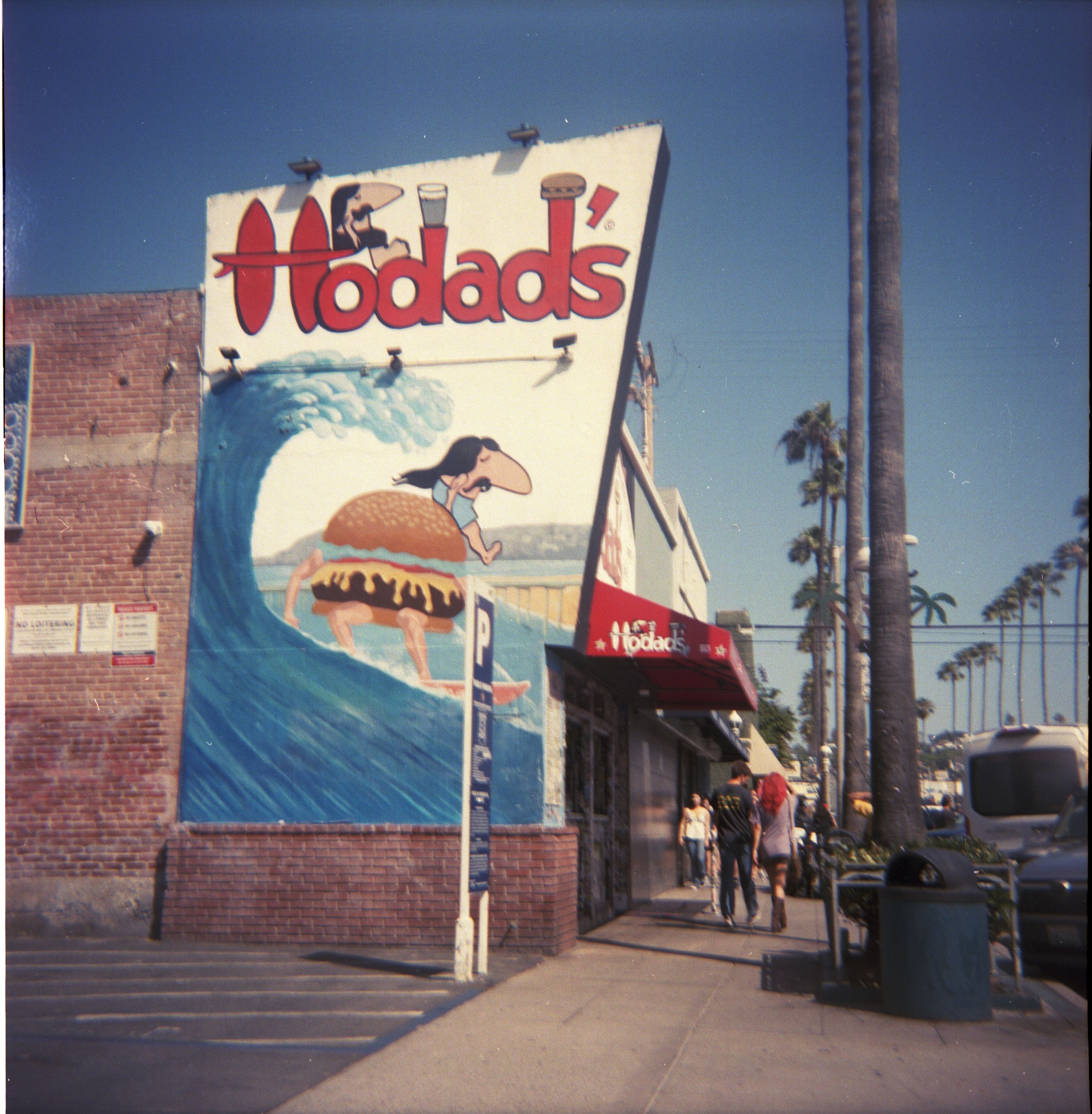
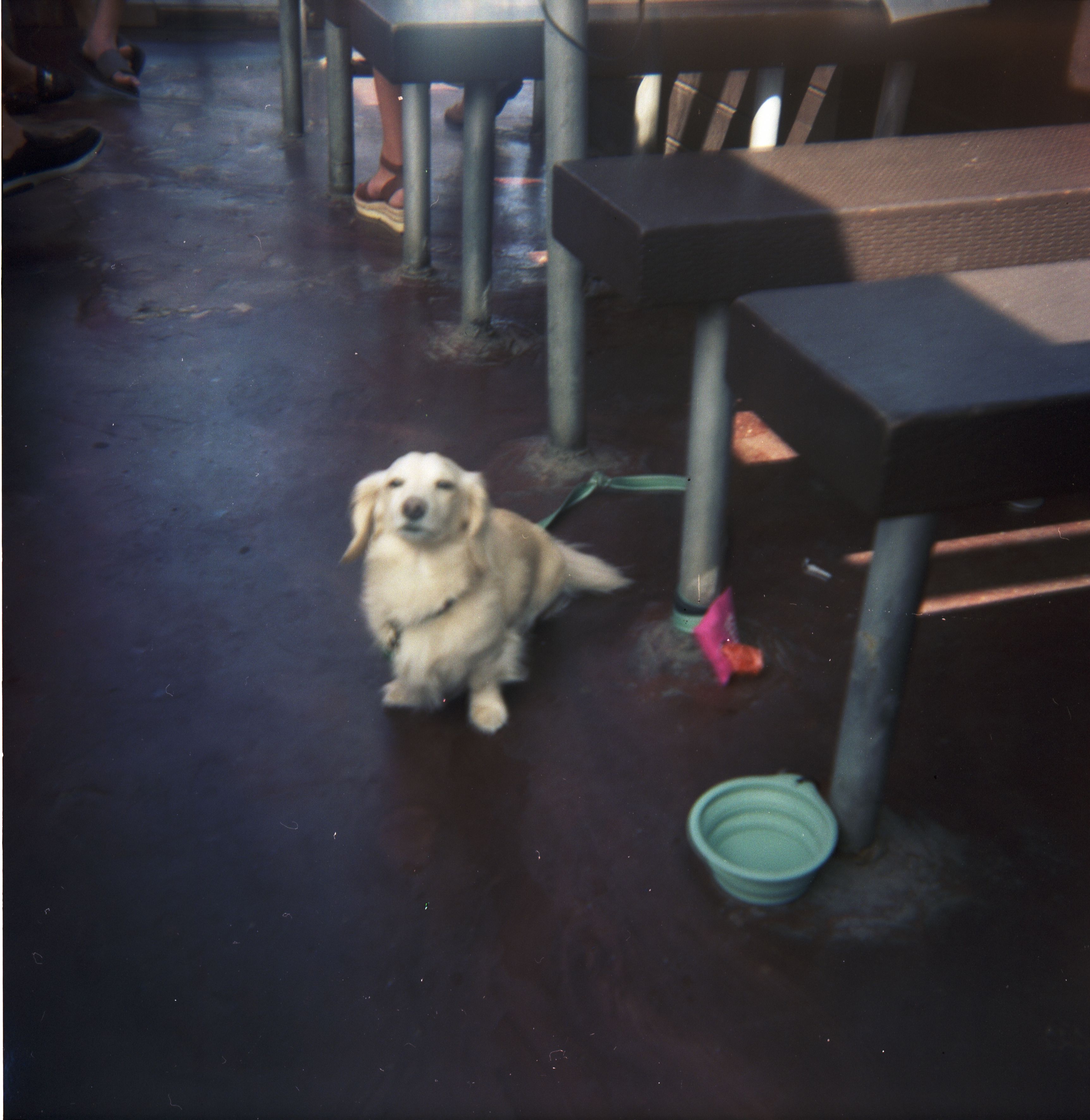
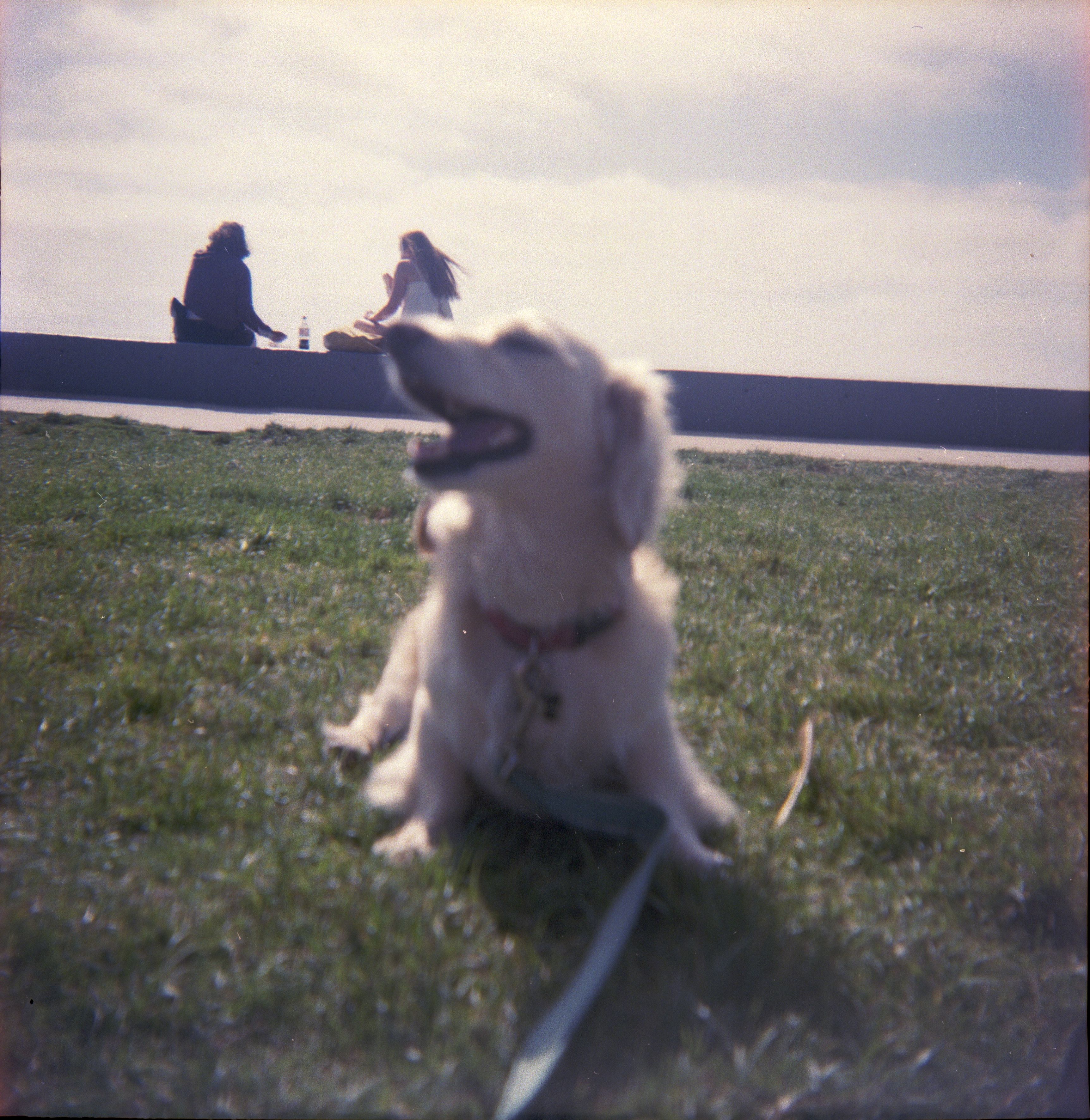
The Argus Argoflex Seventy-Five, introduced in the late 1940s, was one of the more affordable twin-lens reflex cameras of its era and became a popular choice for casual photographers. Its body and simple fixed-focus design made it very durable, which is probably why so many of them are still floating around today. Mine is fully functional, and I love how its fixed-focus simplicity forces you to just trust the camera and focus on the moment instead.
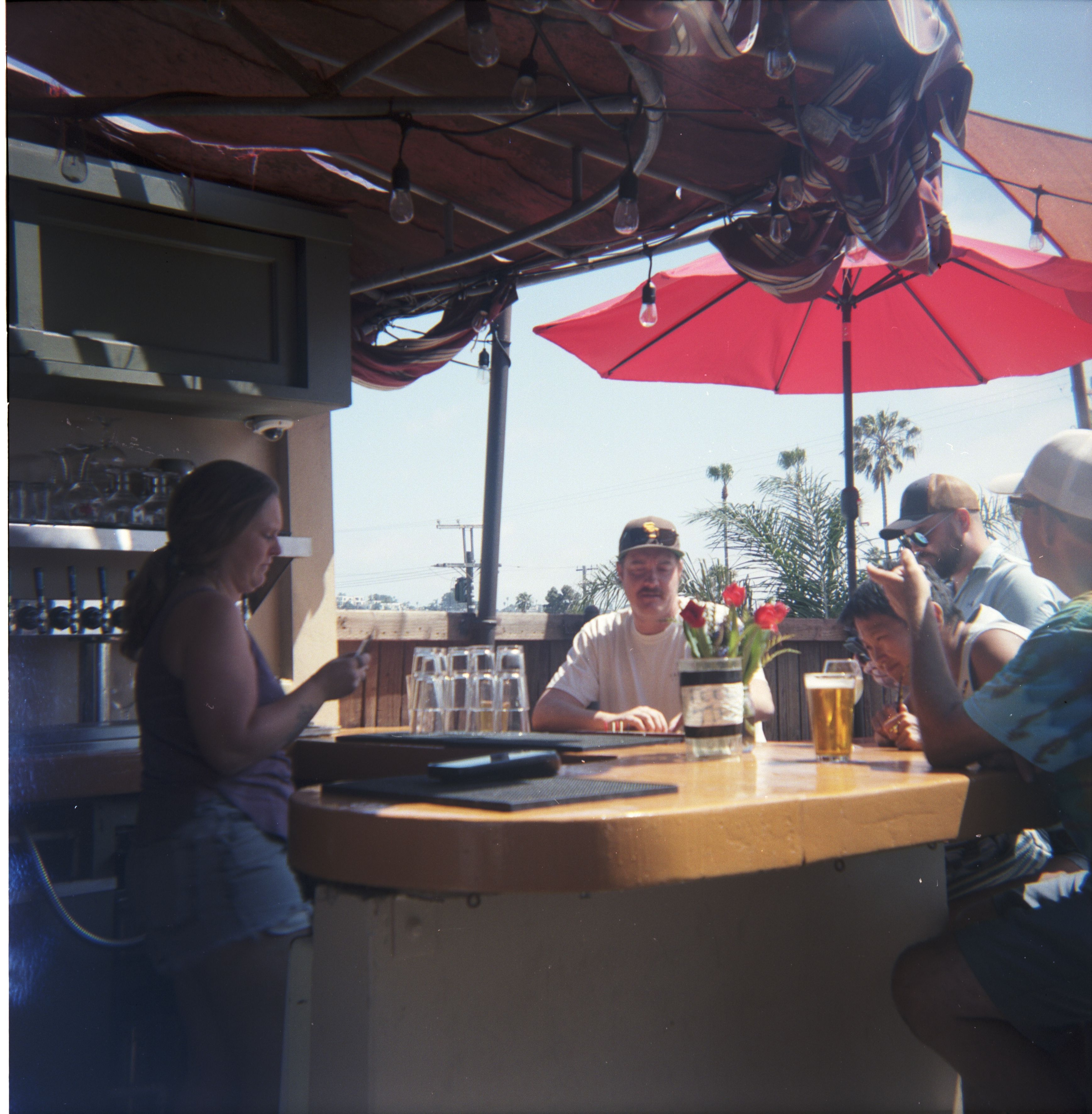
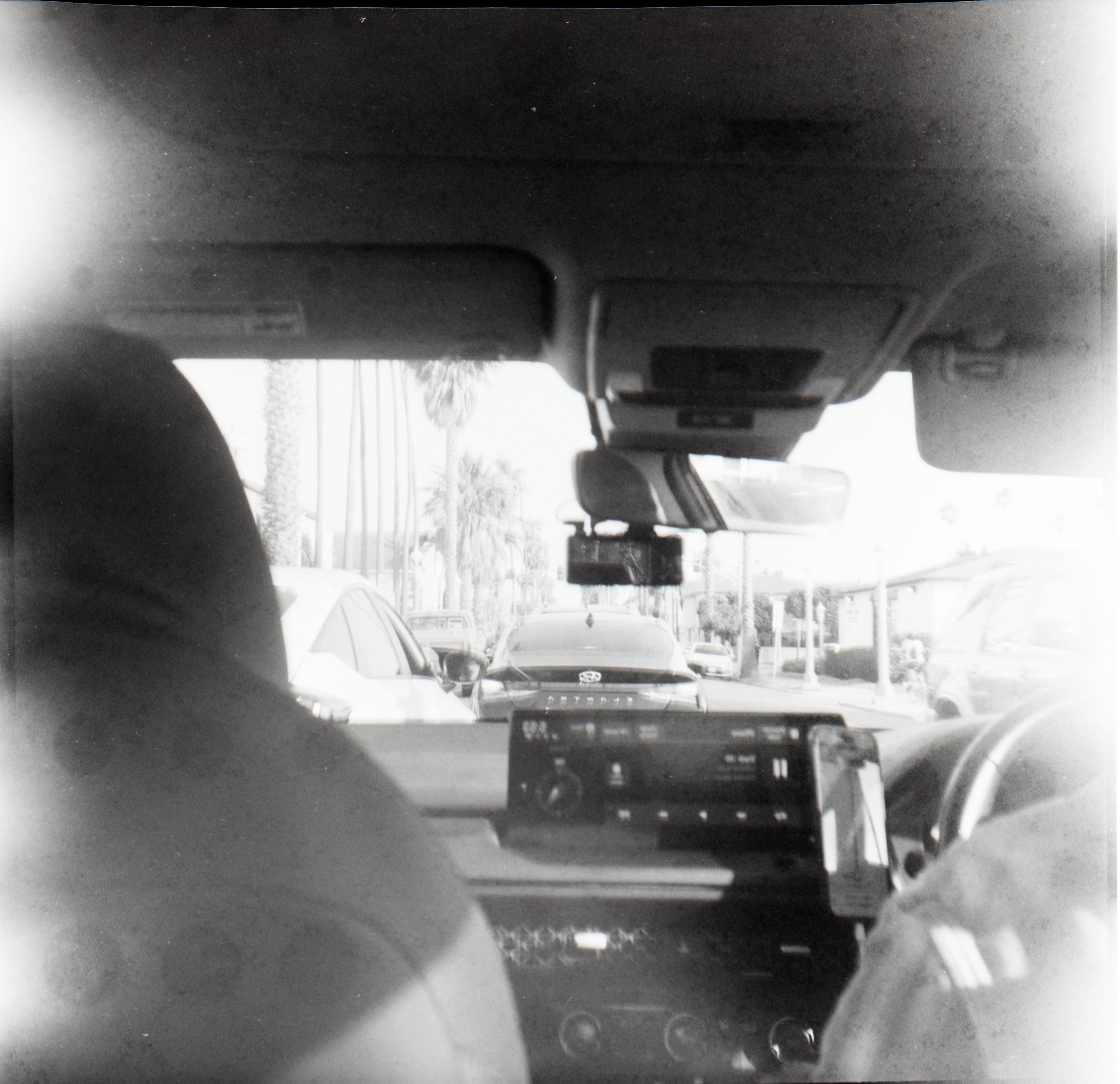
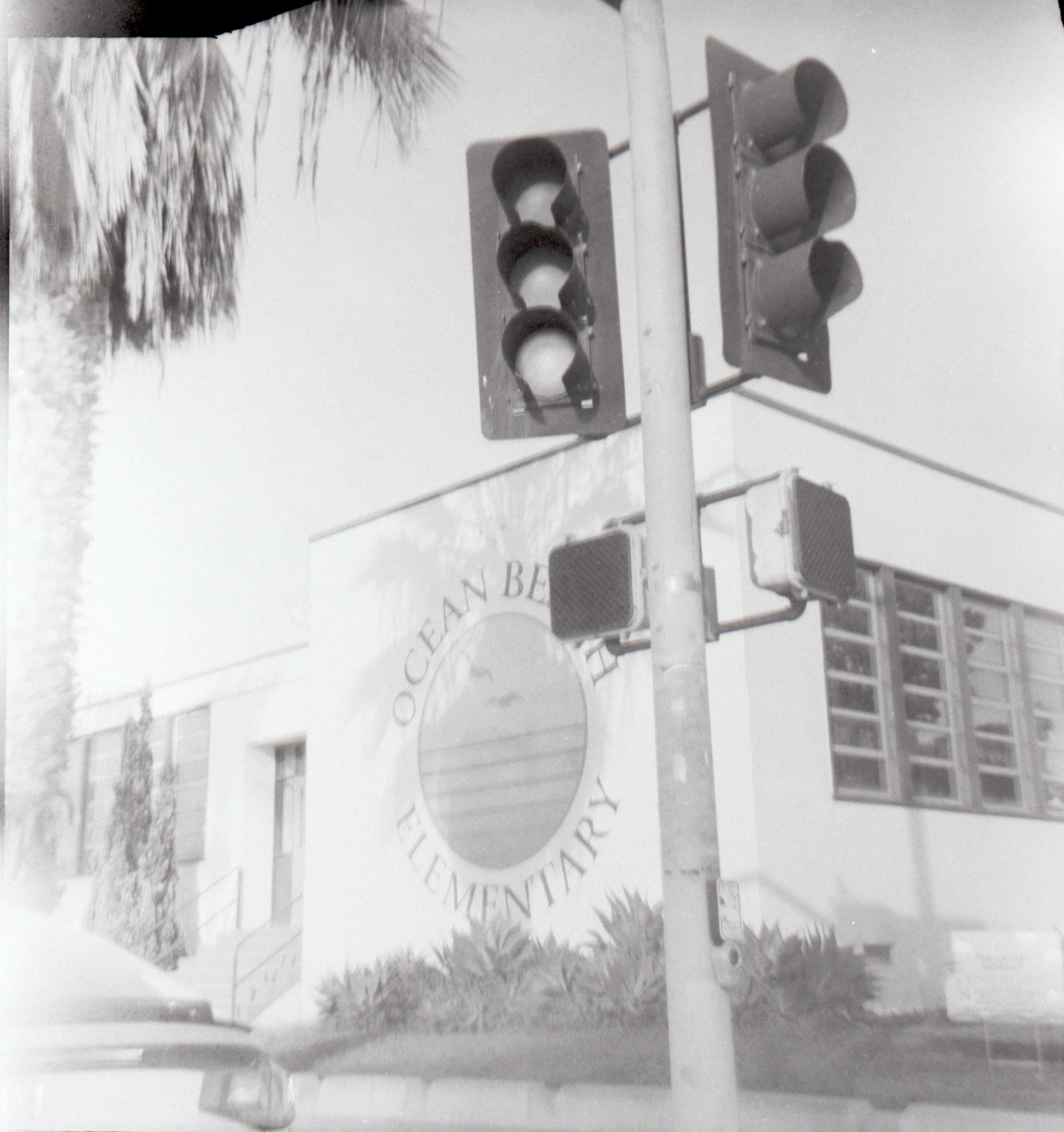
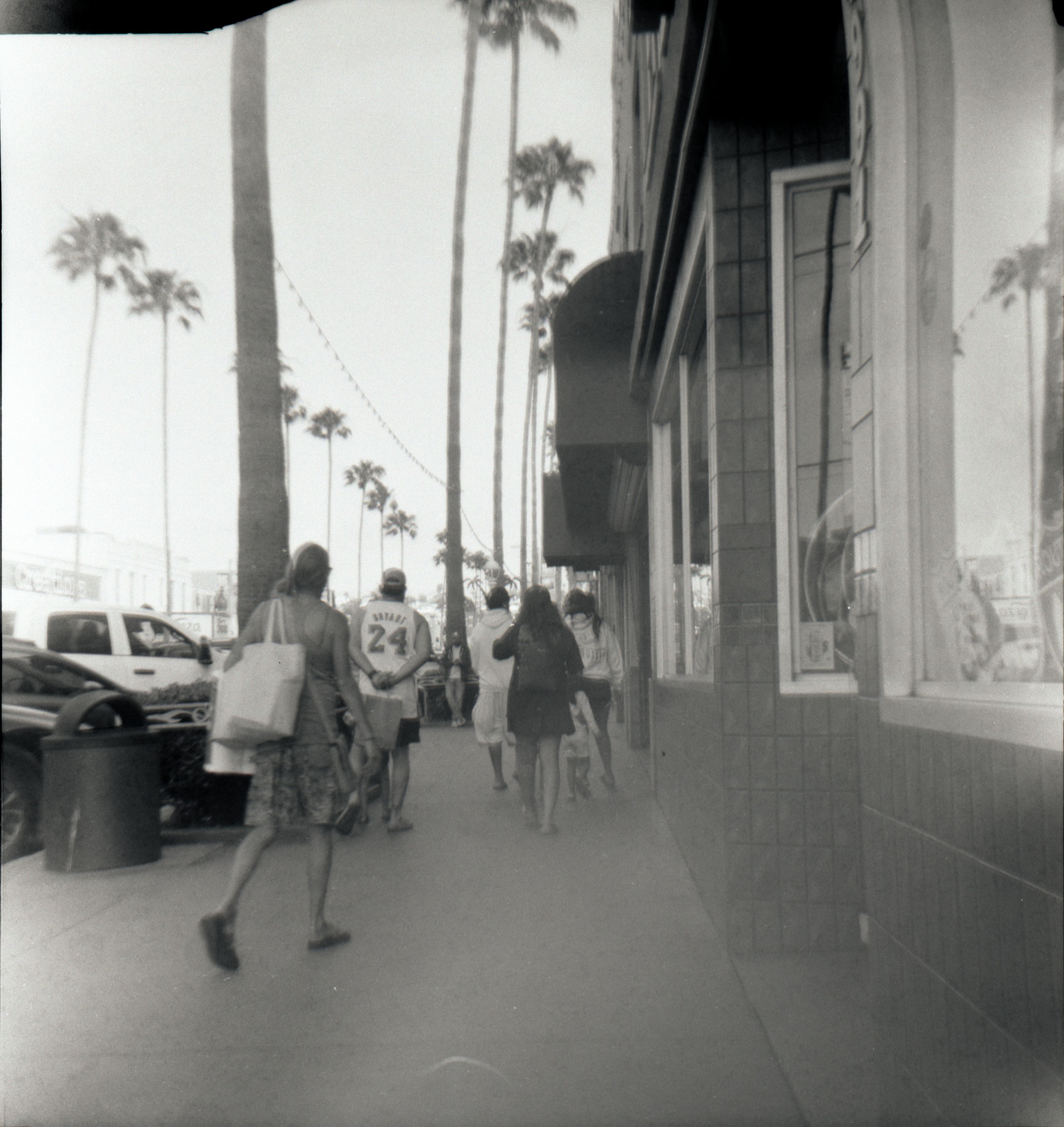
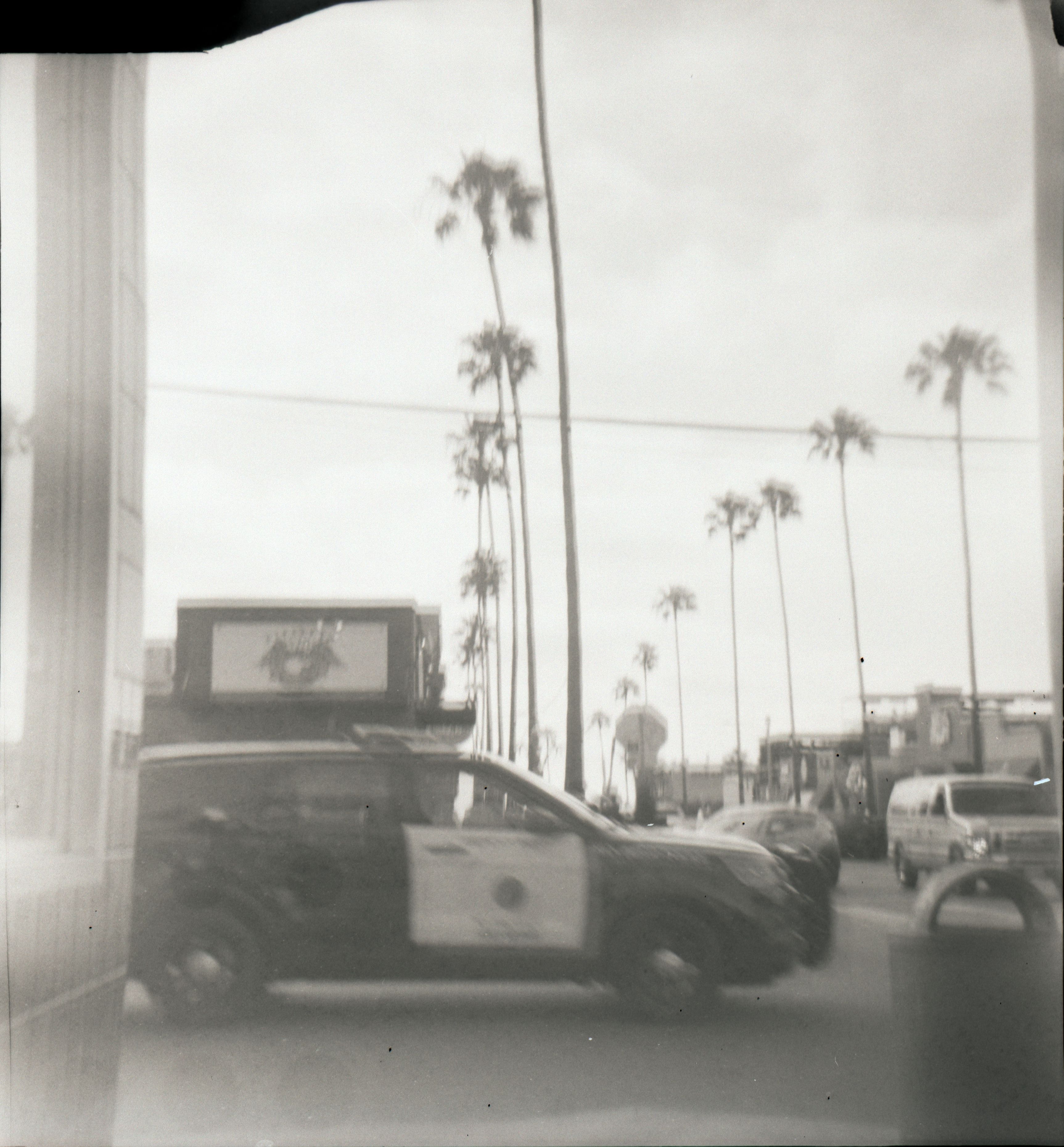
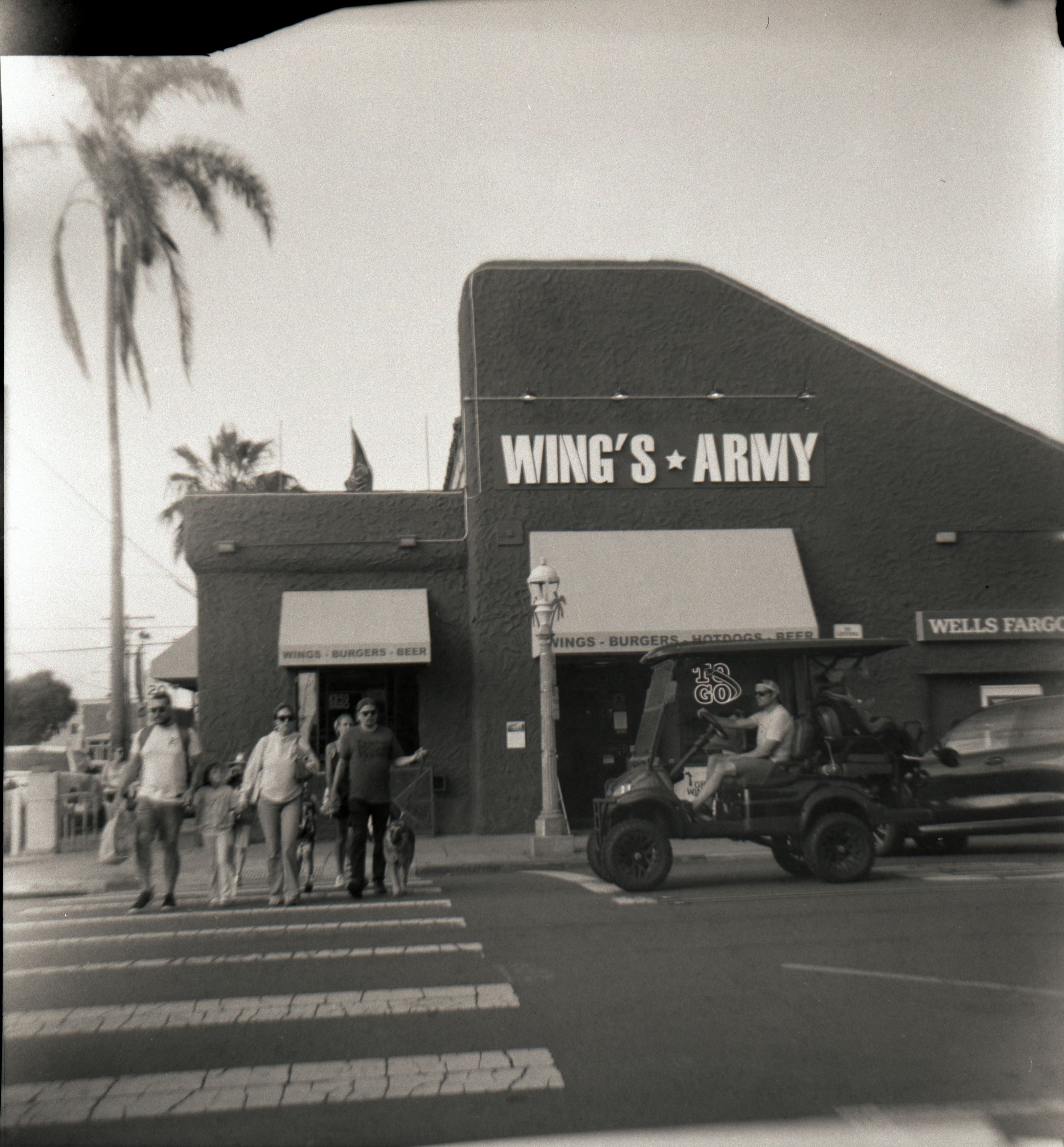
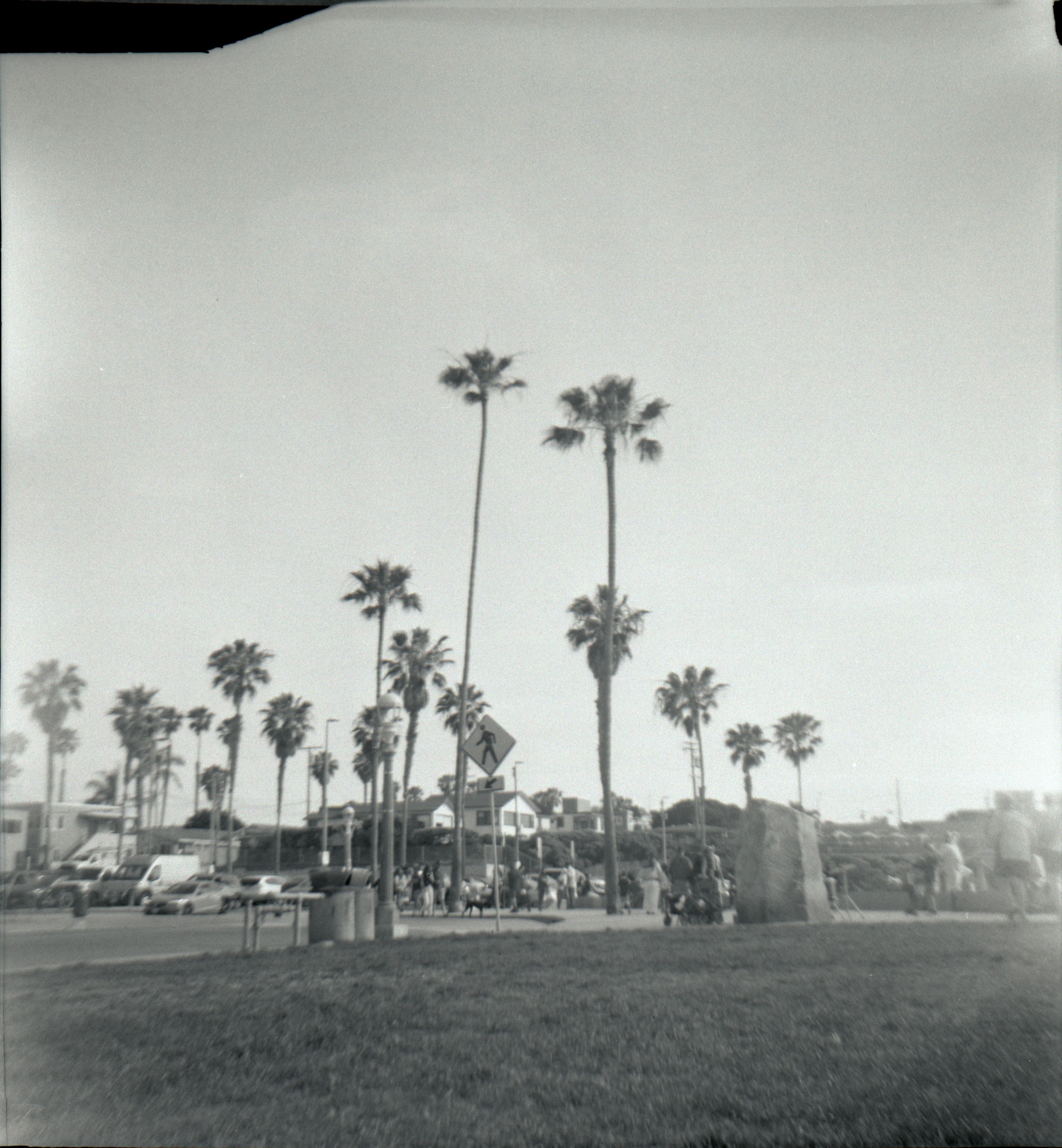
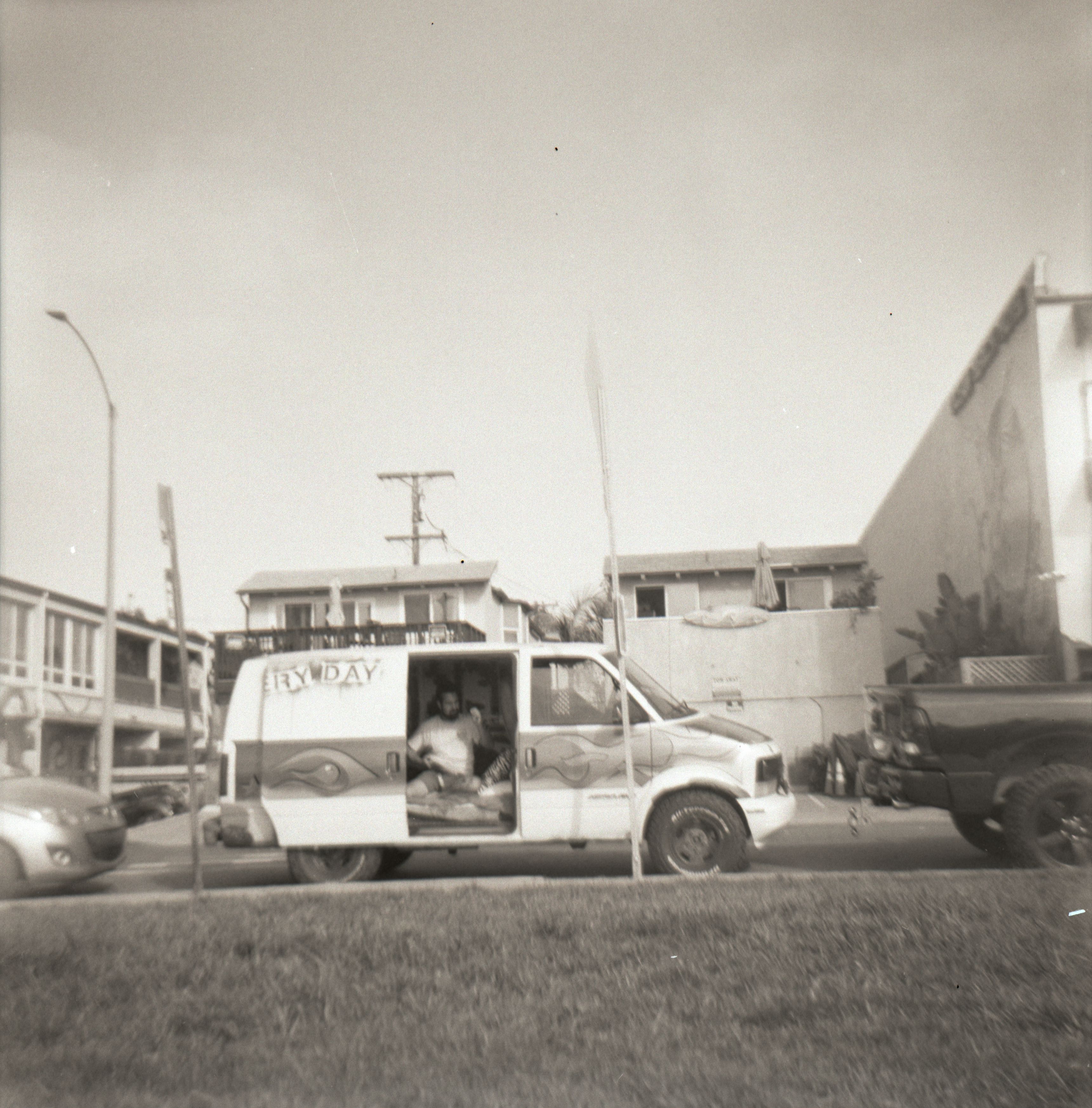
Check out my blog post(s) about this camera: