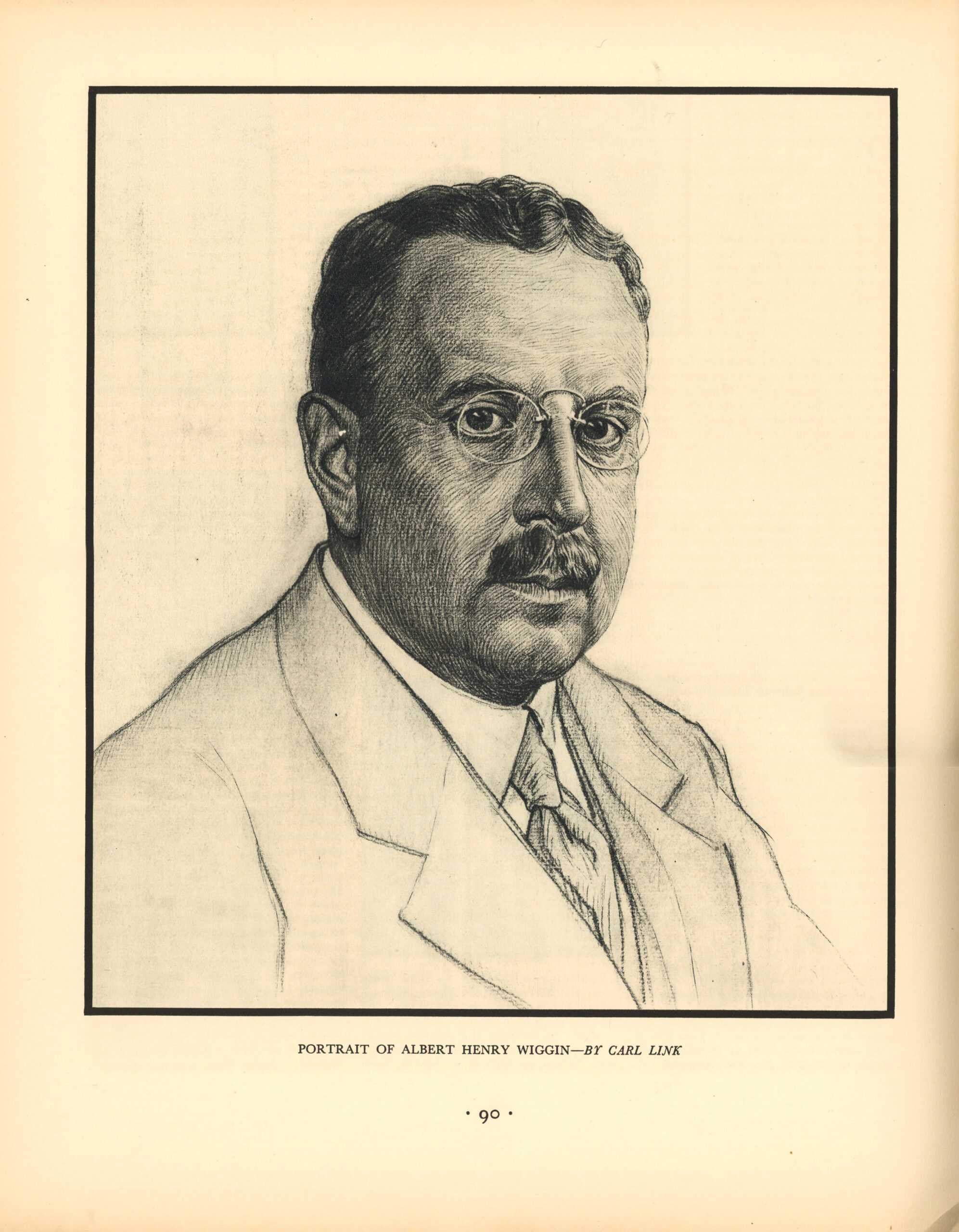
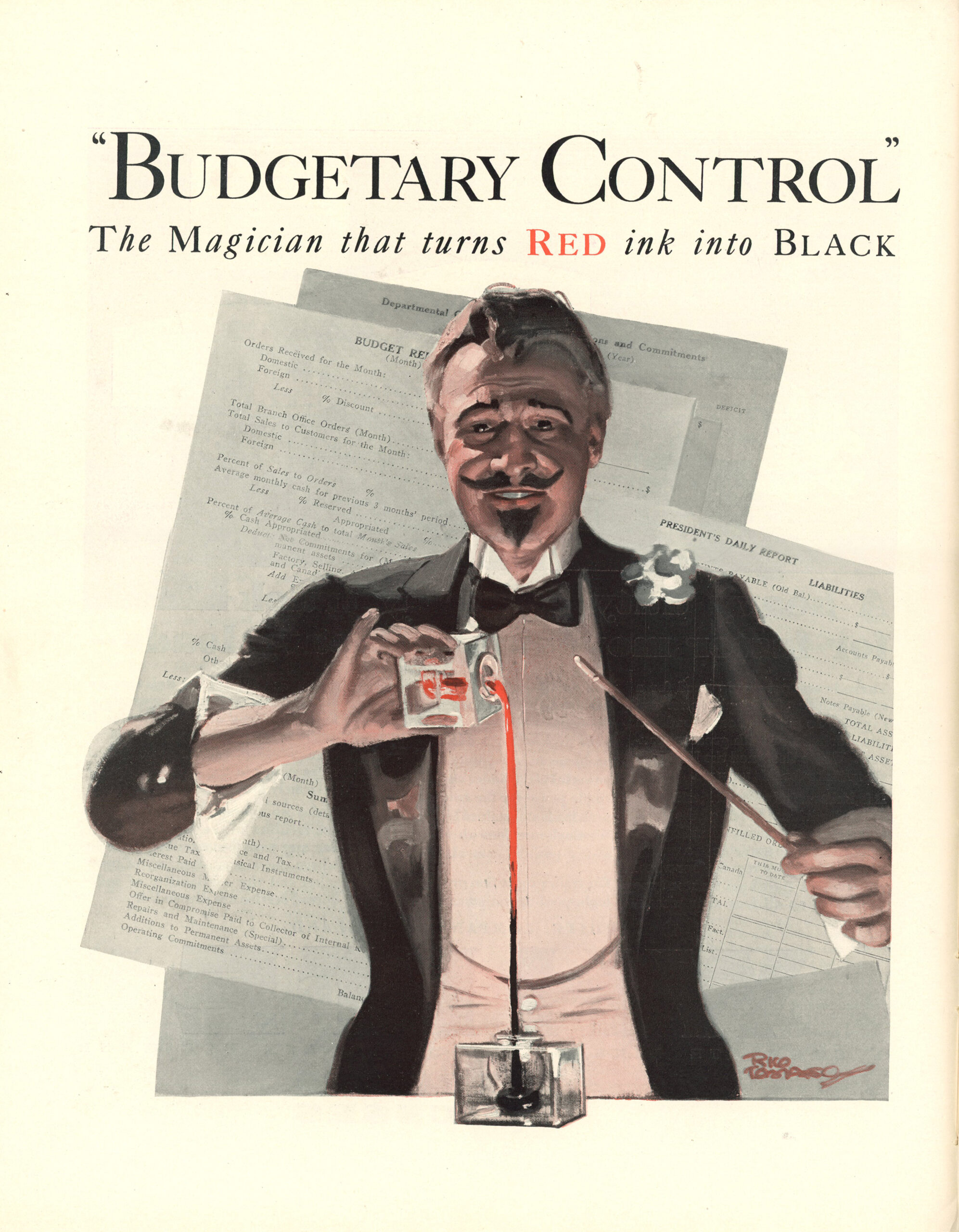
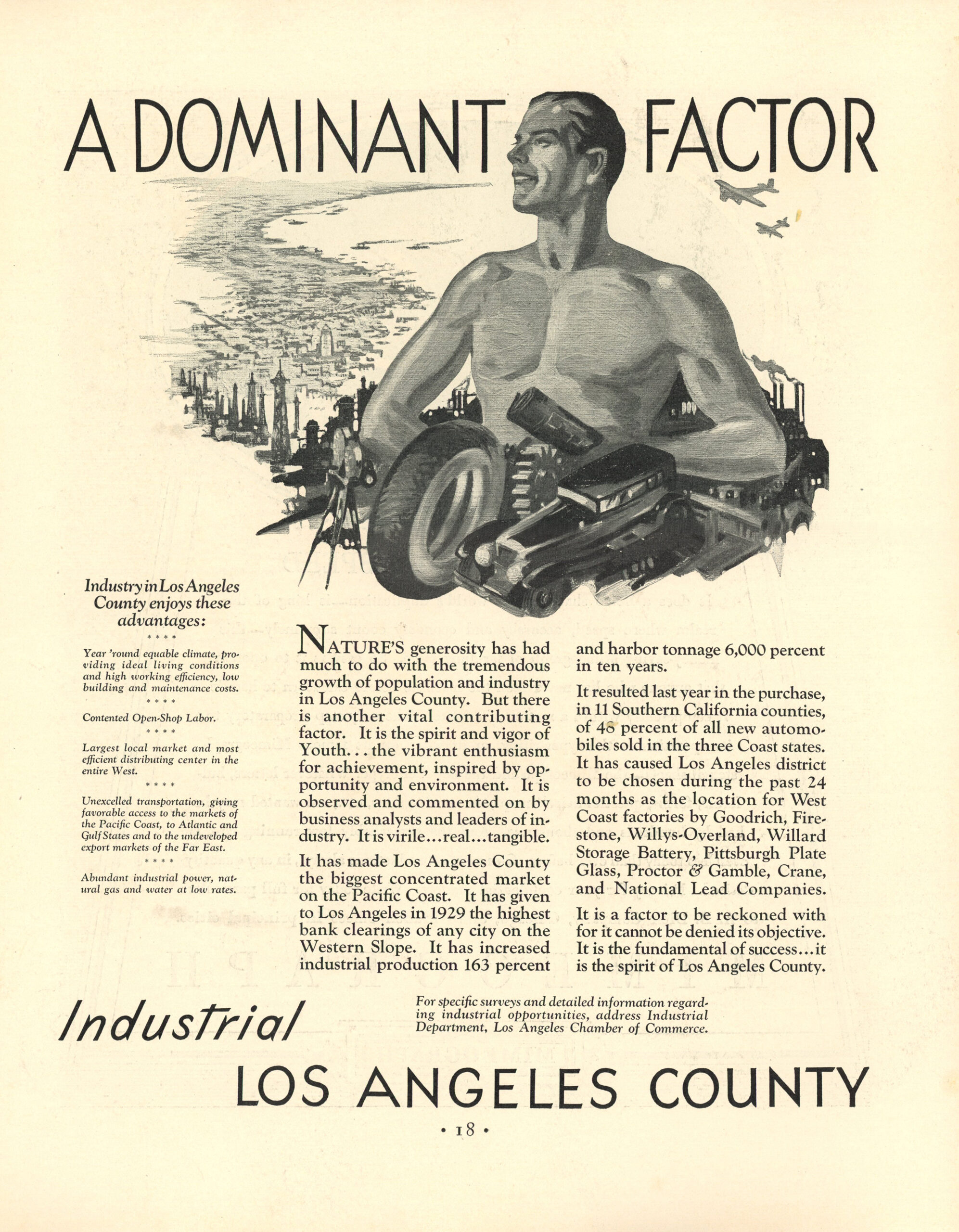
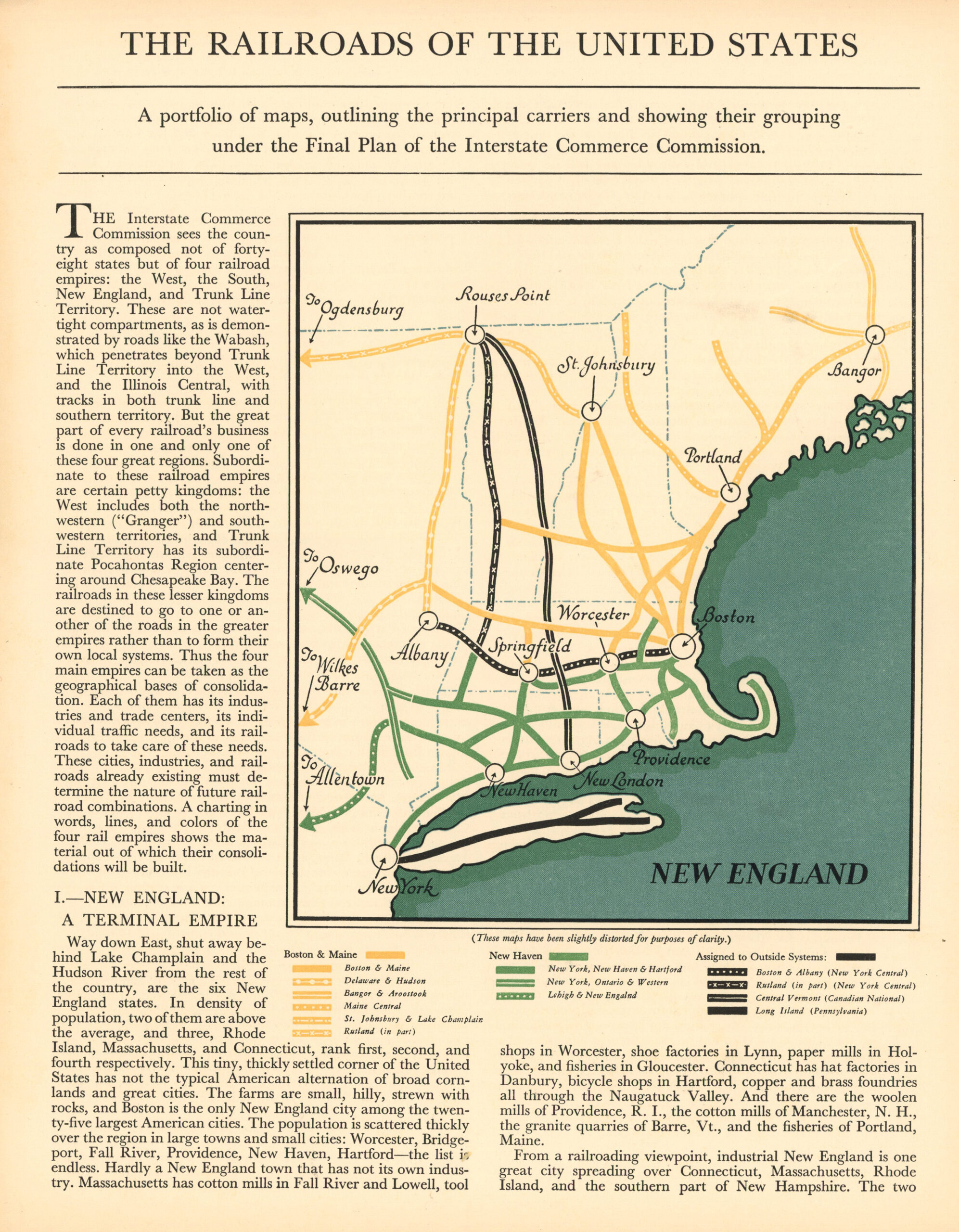
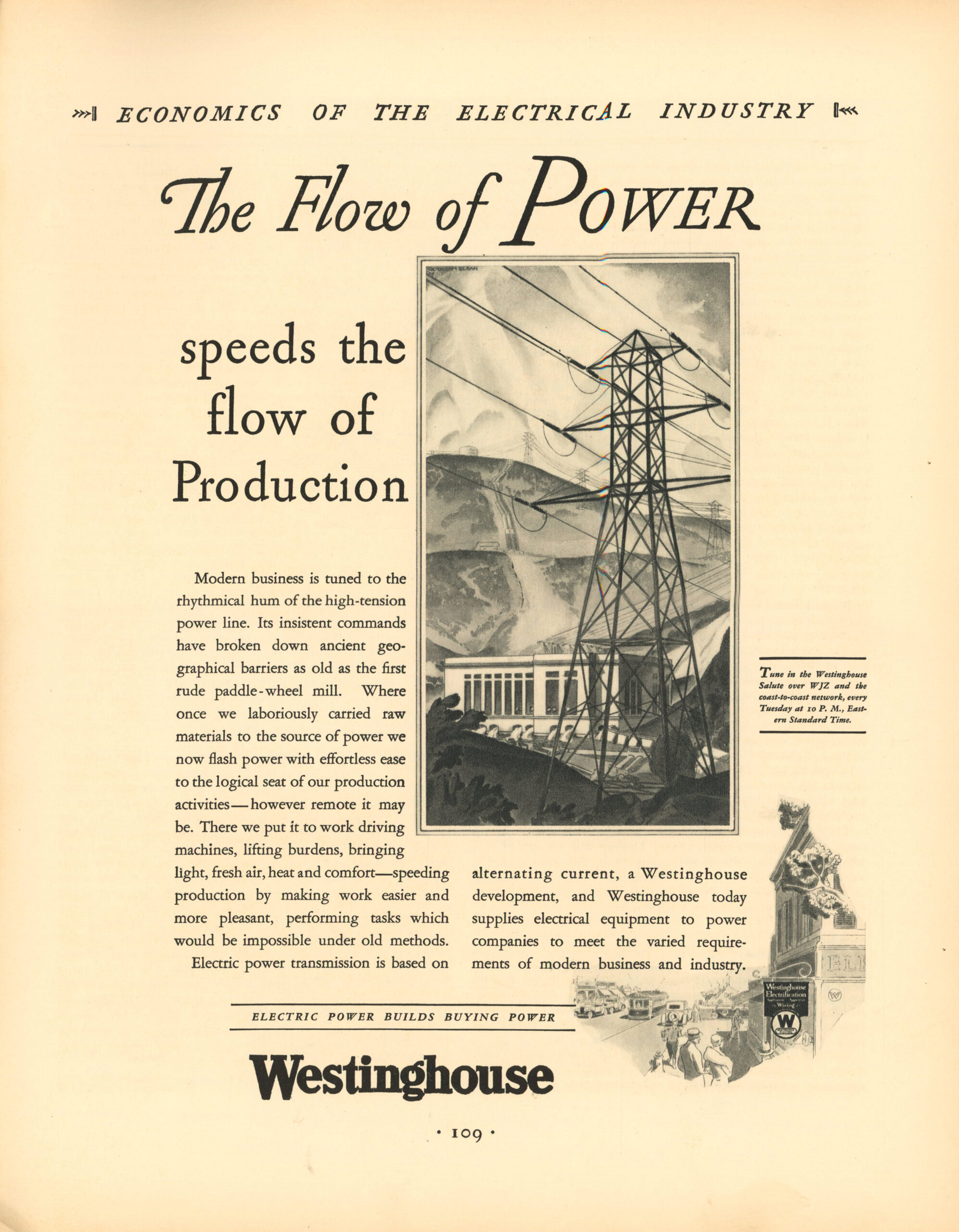
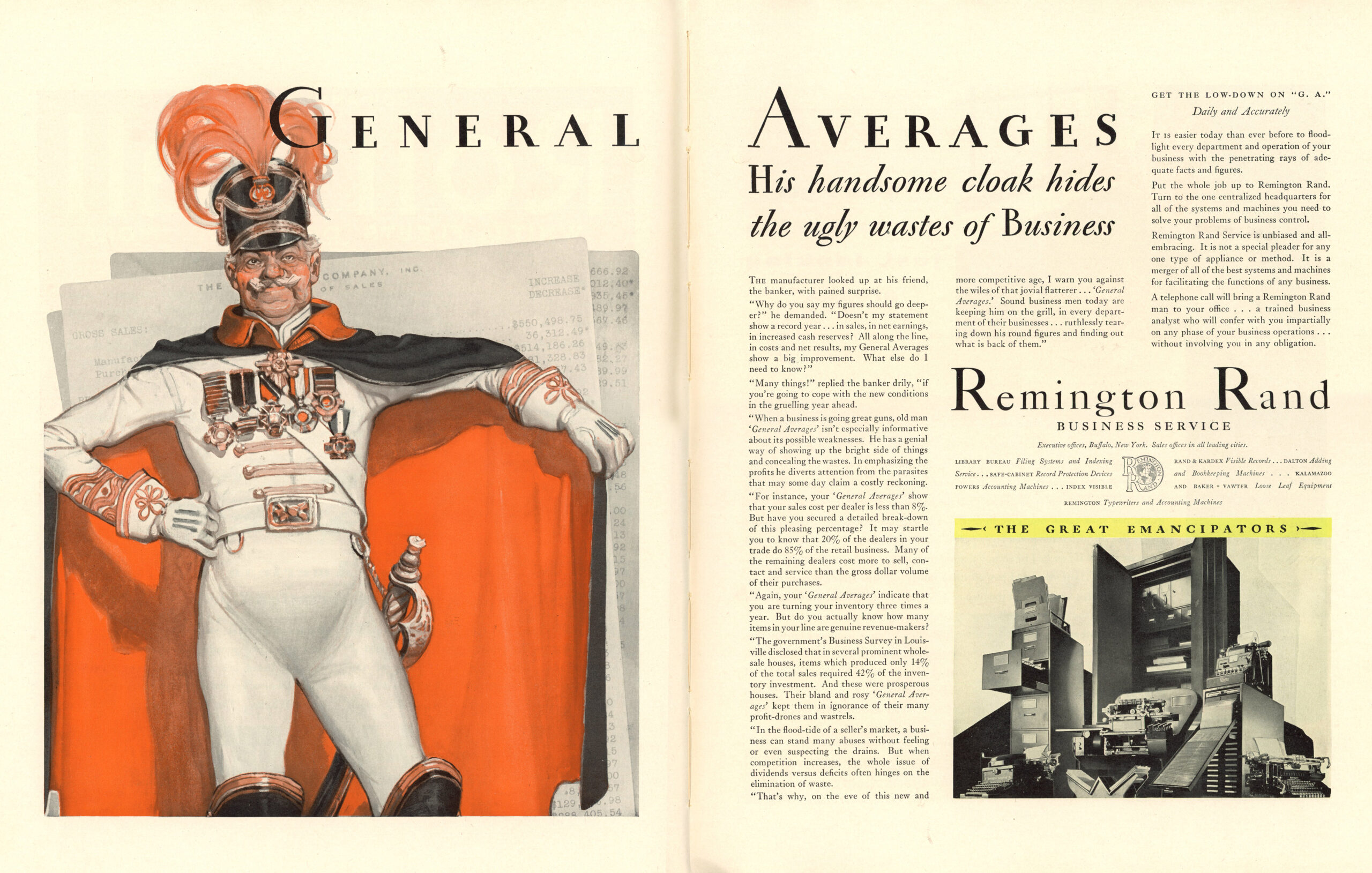
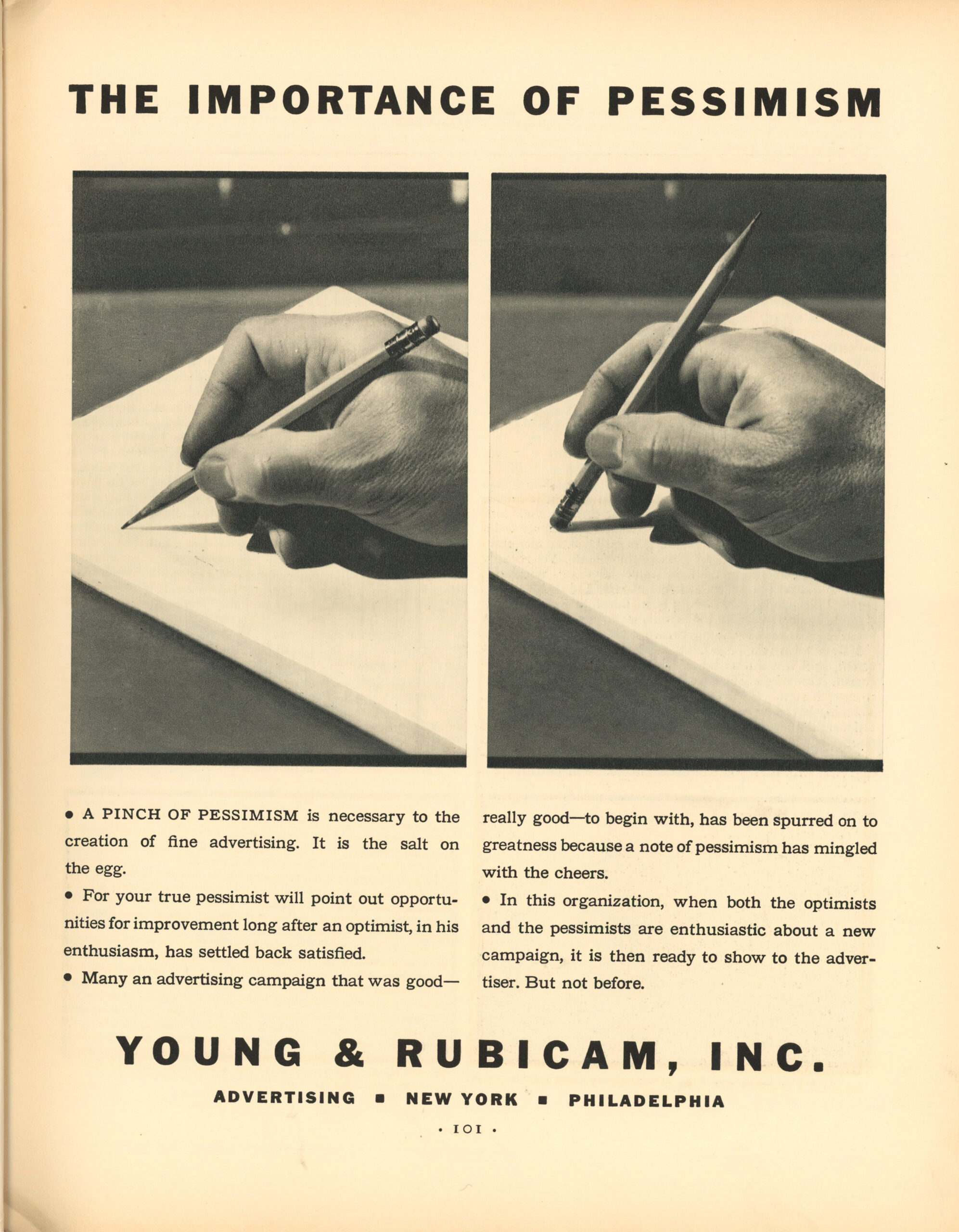
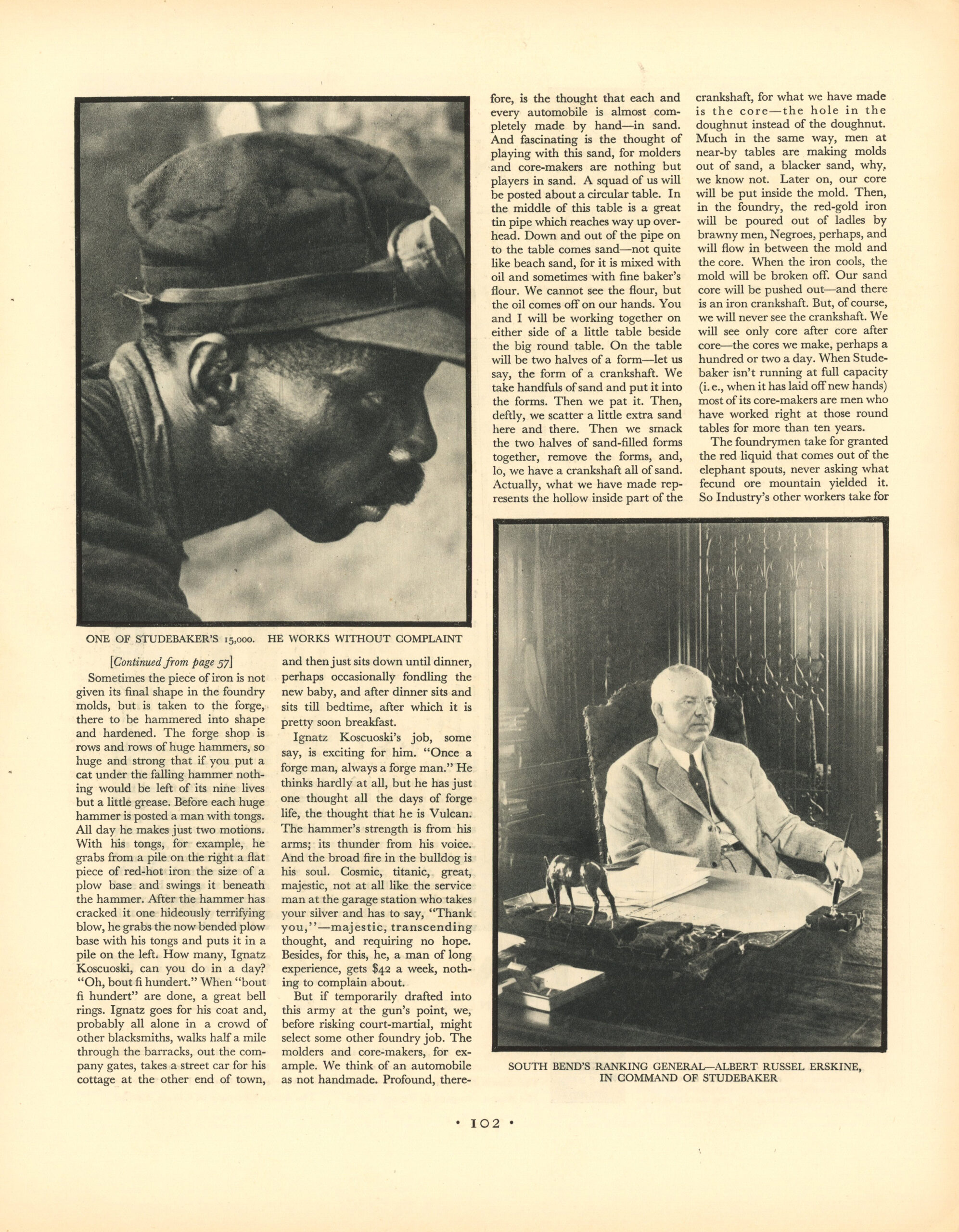
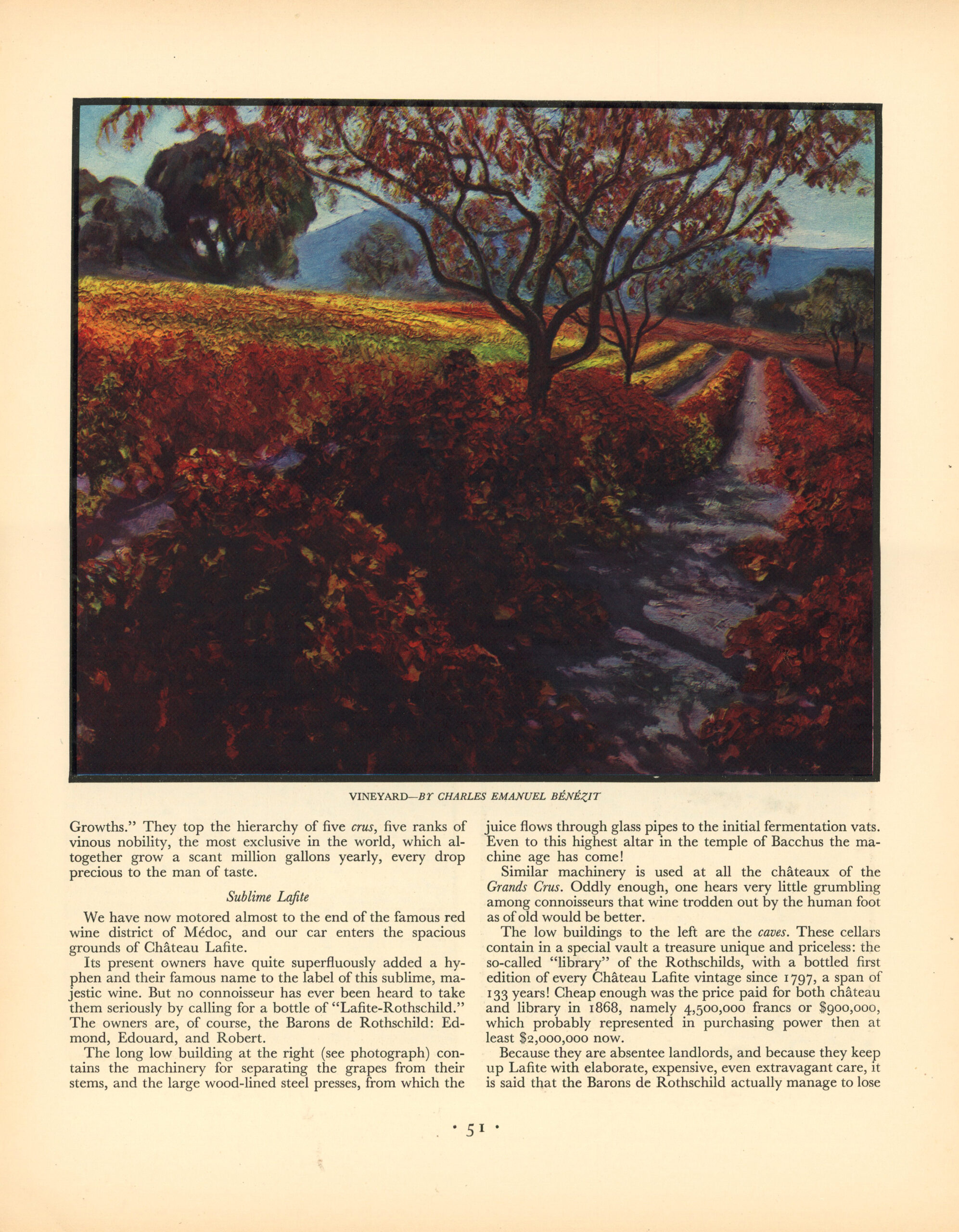
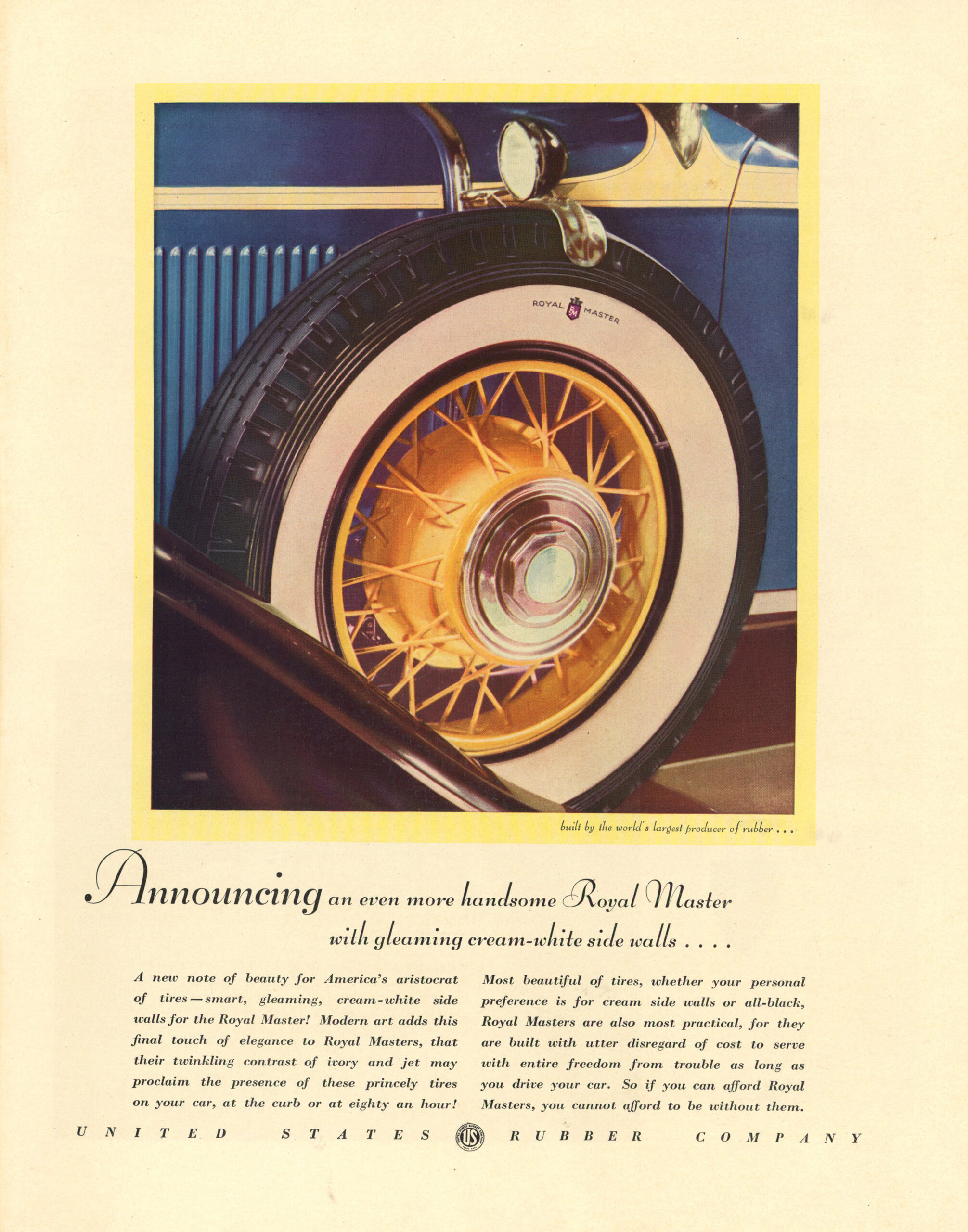
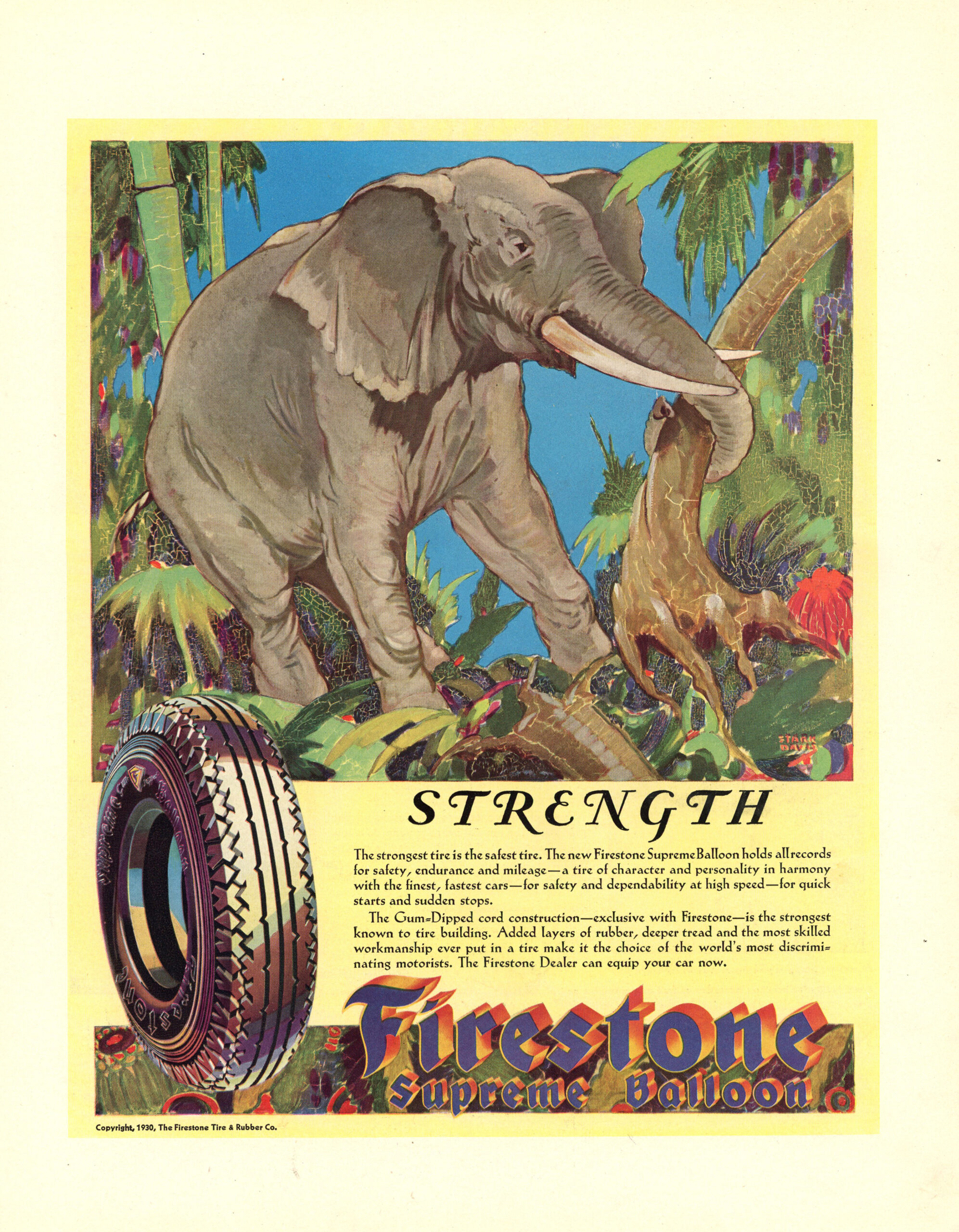
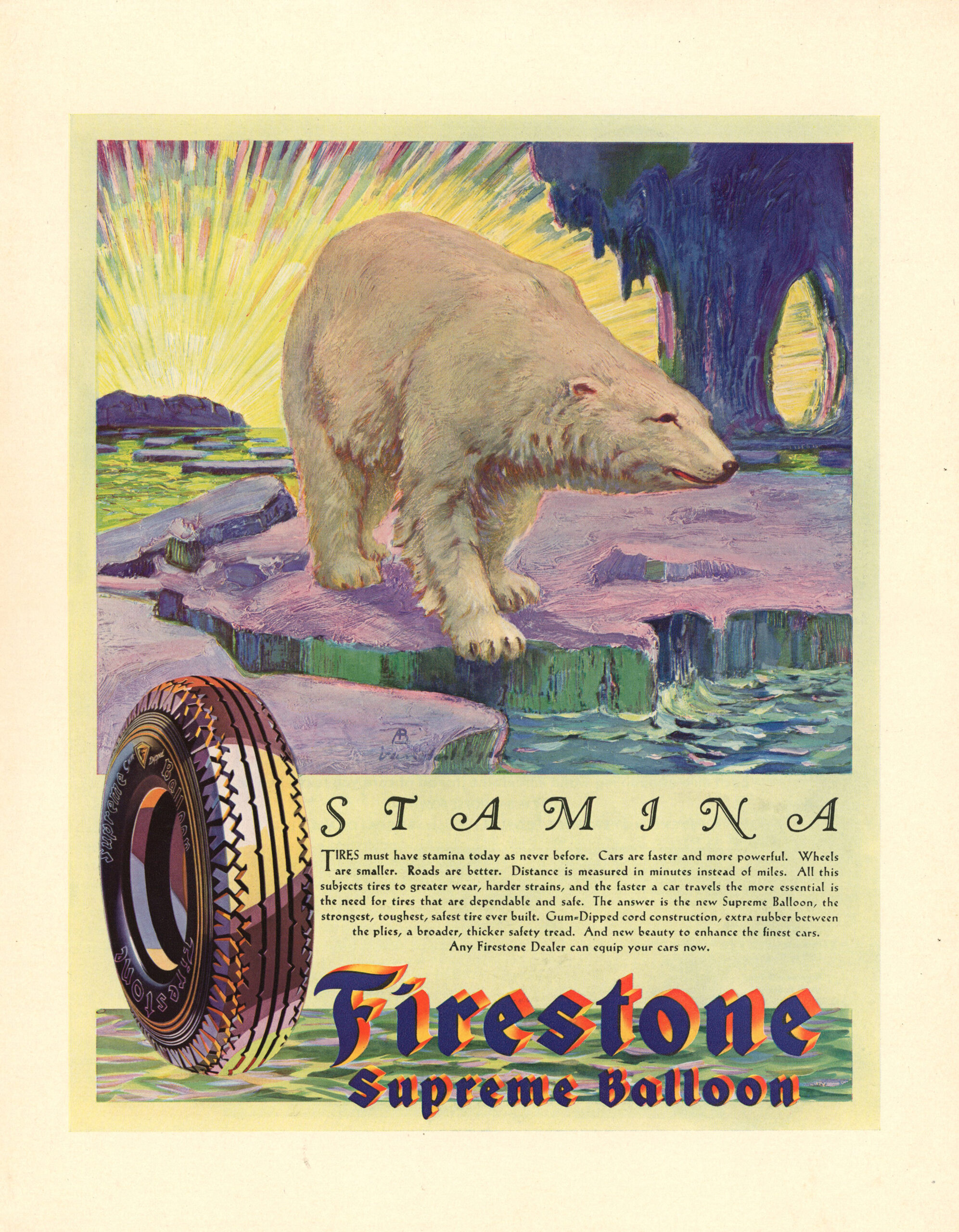
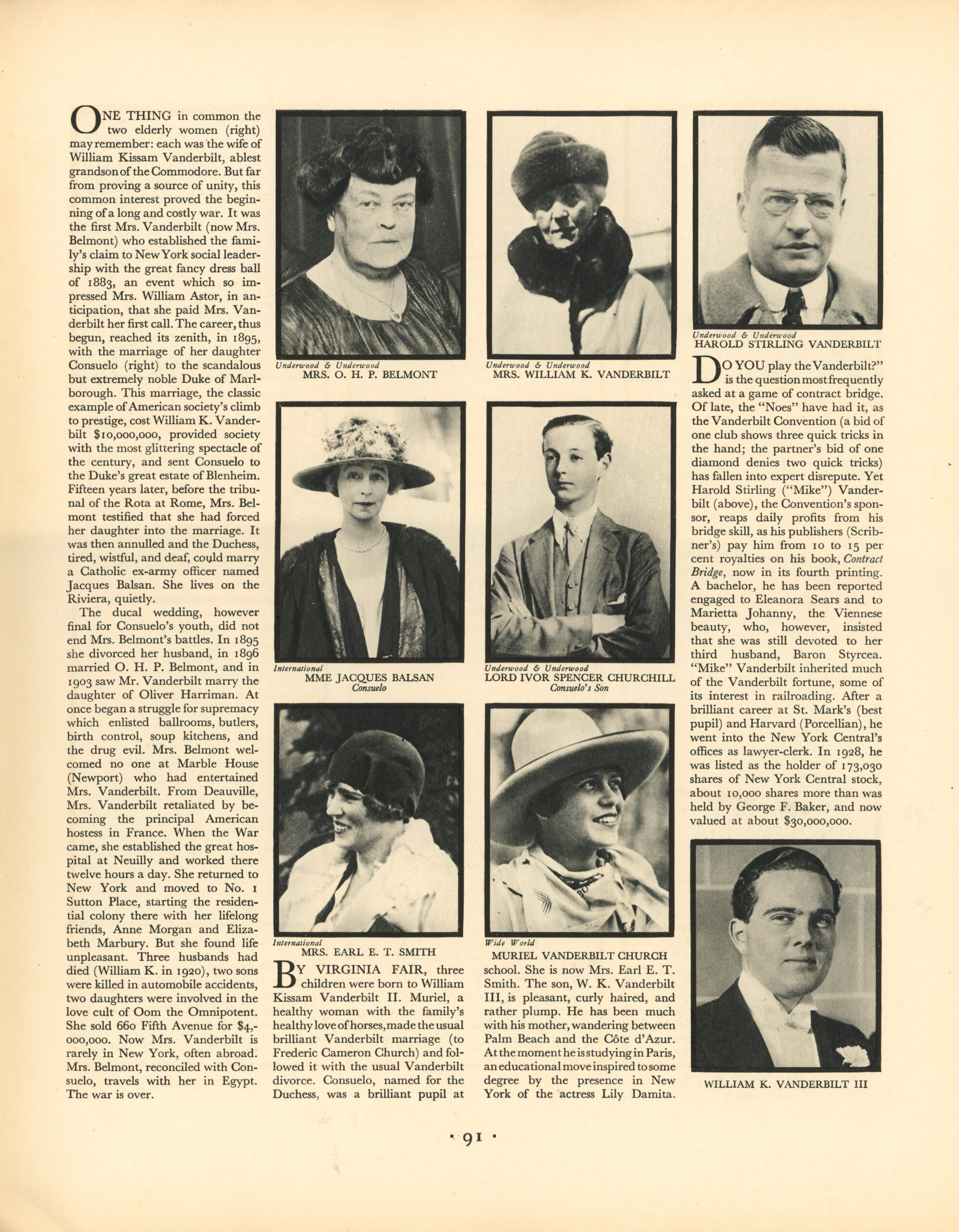
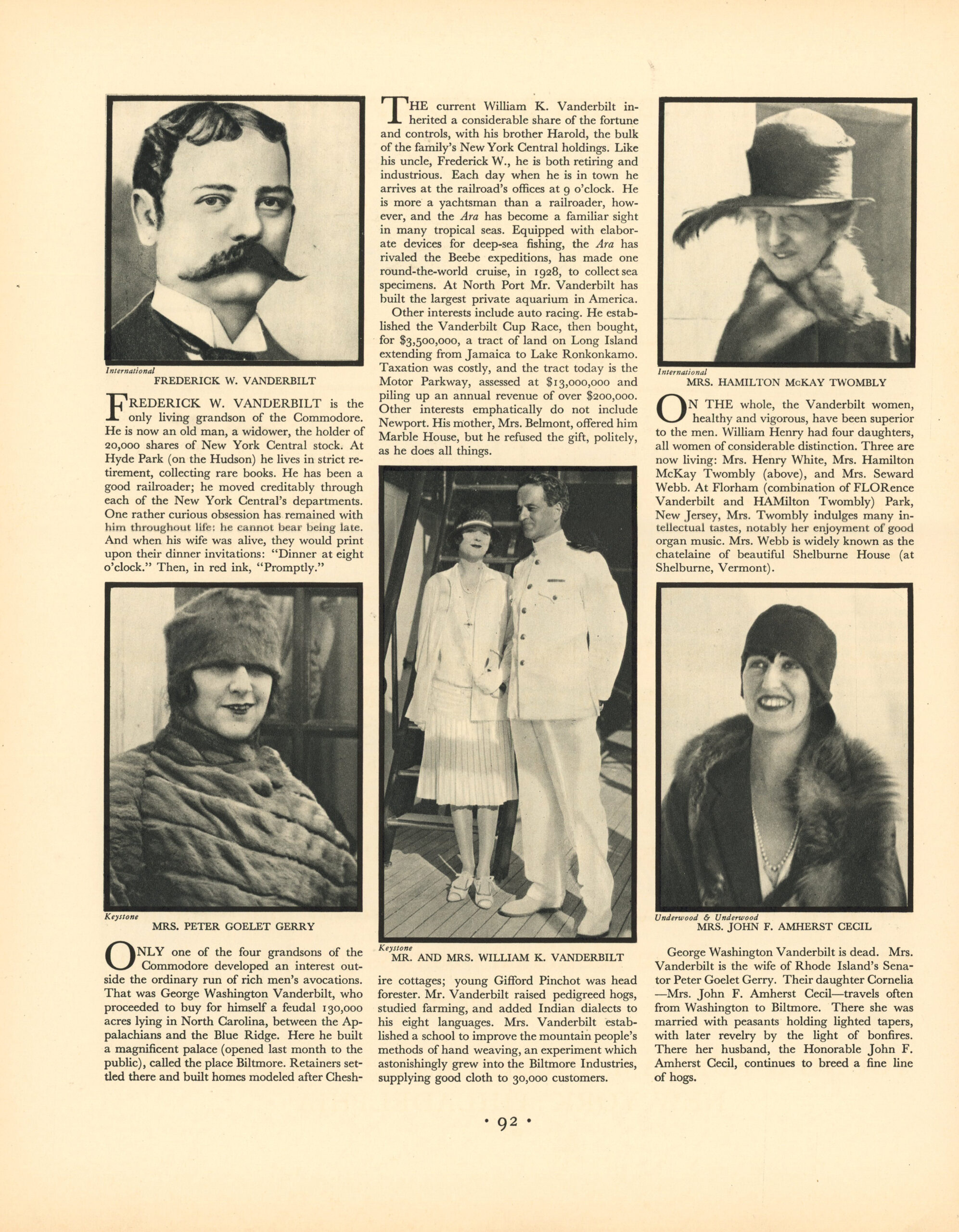
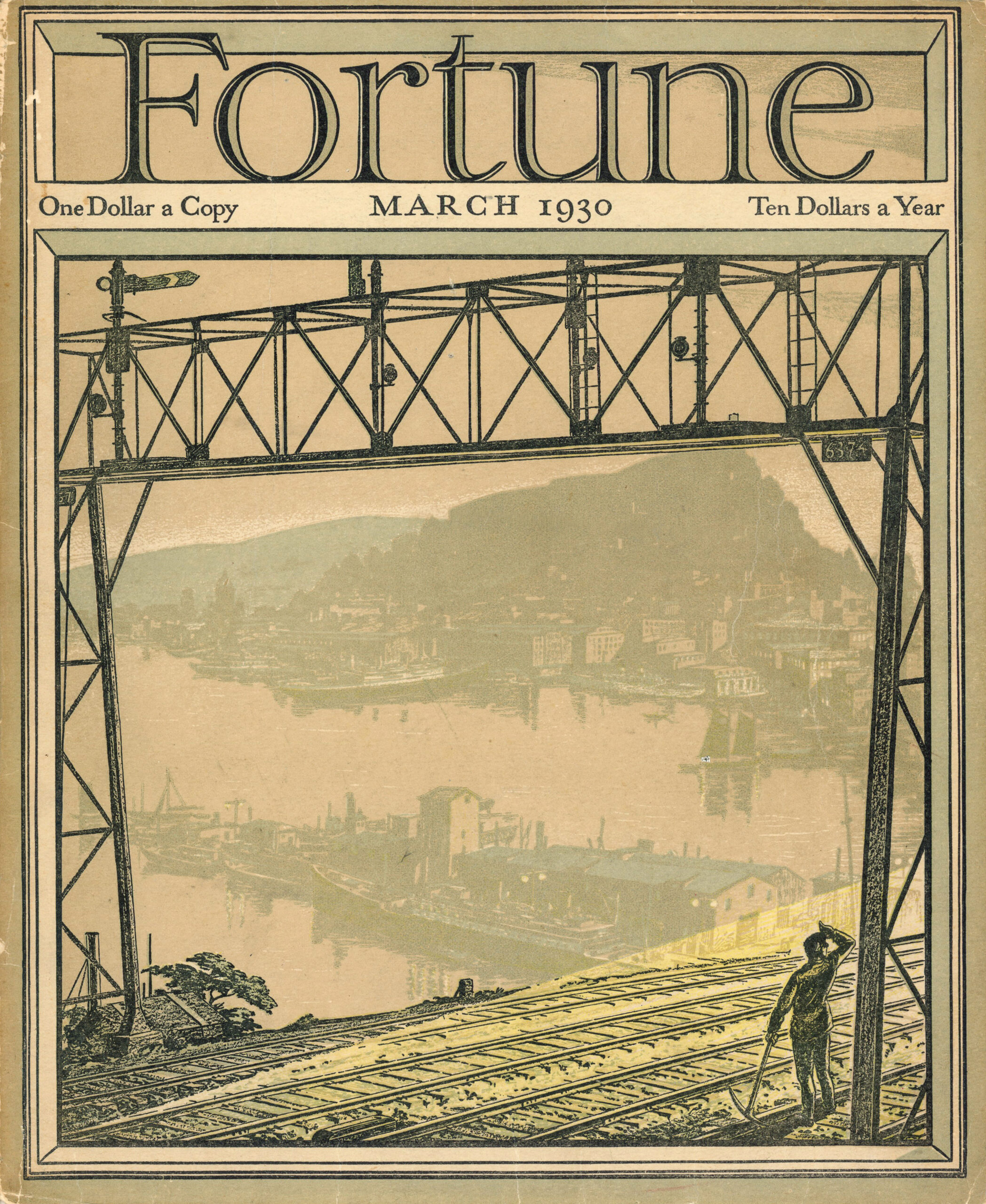
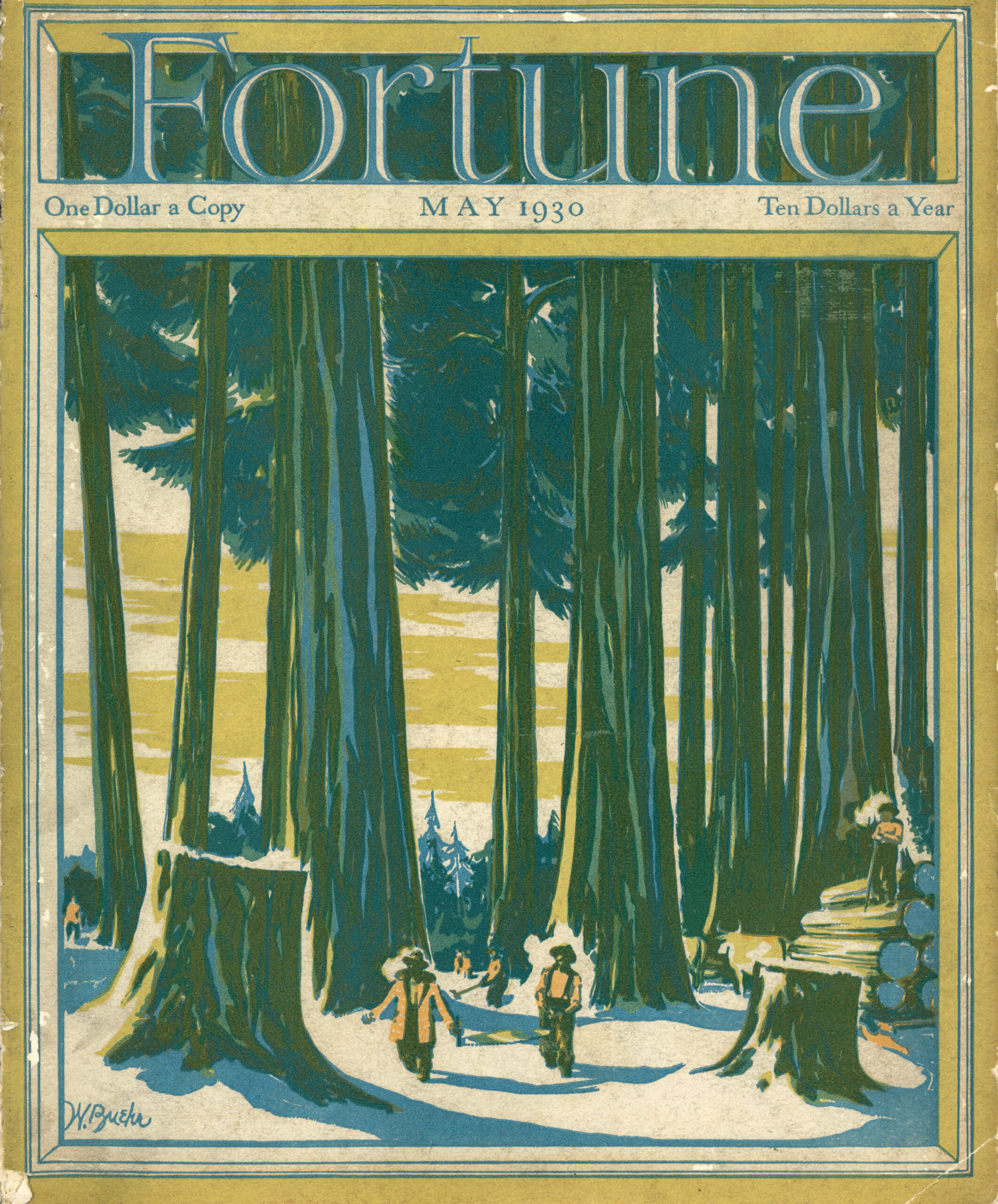
A couple weeks ago, I found three original issues of Fortune Magazine from 1930, the year the magazine originally launched! I couldn’t believe what I was looking at. No. 2, No. 4. & No. 5. March, May, & June.
These are the actual things. Oversized, printed on heavy cream paper, with full-color ads that feel more like art prints than advertising. They cost a dollar each when they came out. In 1930, that was roughly $19 in today’s money. For a magazine. And $10 for the whole year… approximately ~$200 today.
That price point? Not an accident. And it tells you everything about what Fortune Magazine in 1930 actually was… and who it was made for.
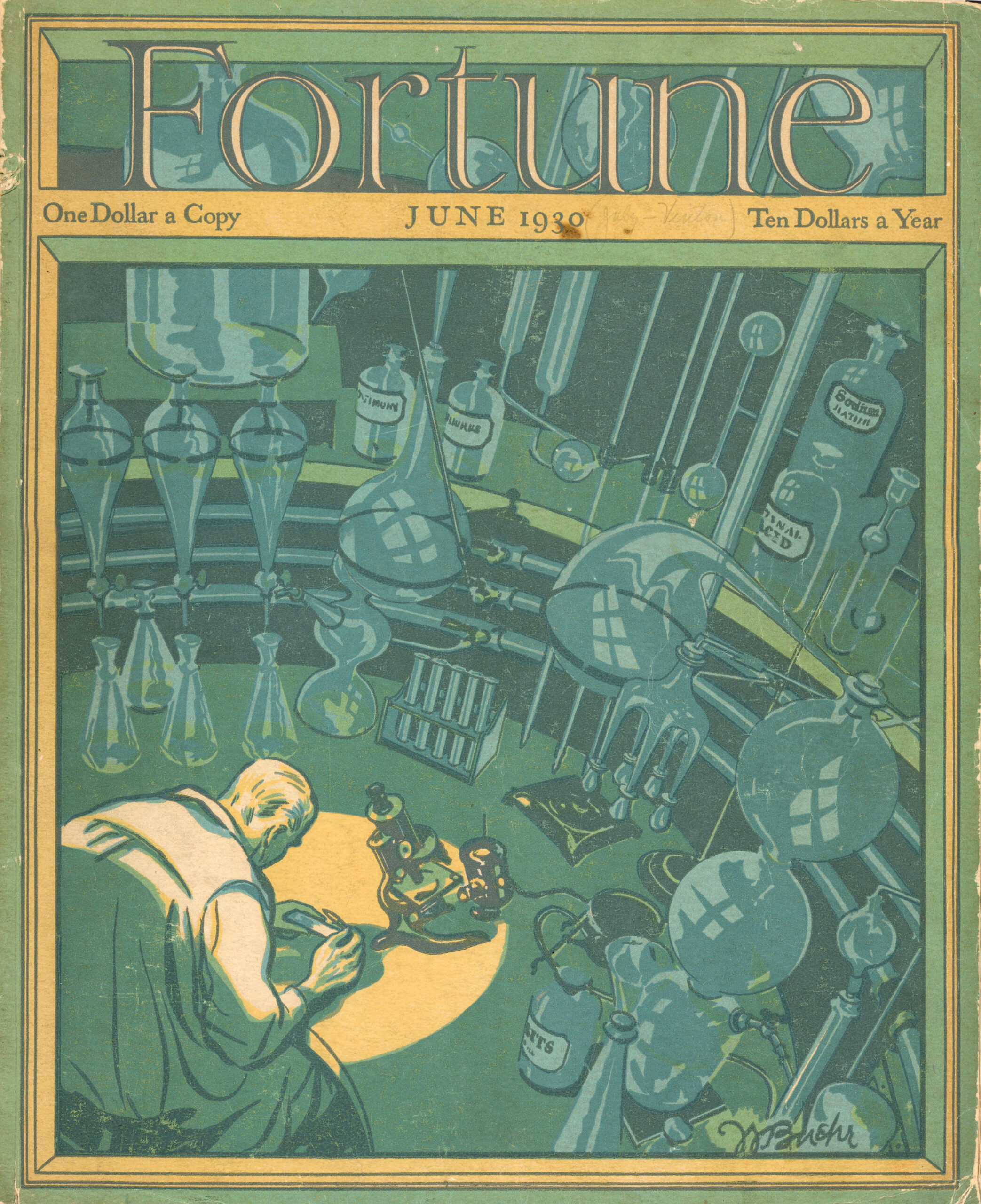
Henry Luce Launched Fortune Magazine During the Great Depression. On Purpose.
Fortune was founded by Henry Luce (the same man behind Time and Life magazines). He’d been planning it since 1928, back when the economy was booming and American capitalism felt invincible. The original name he had in mind? Power. That tells you a lot. (Source)
The magazine officially launched in February 1930, just four months after the Wall Street Crash of 1929 kicked off the Great Depression. The timing sounds insane in hindsight, but Luce pushed forward anyway. His pitch to investors was essentially: the people who run American business still need a place to read about American business. Depression or not.
He wasn’t wrong. Fortune launched with 30,000 subscribers before a single issue hit newsstands. By 1937, that number had grown to 460,000. The three issues I found — from March, May, and June of 1930 — are from that very first year. The economy was in freefall, and this magazine was just getting started.
Who Was Fortune Magazine Actually Made For in 1930?
Luce himself called Fortune “the Ideal Super-Class Magazine” and meant every word of it. The $1 price tag was a deliberate barrier. Luce said so openly to advertisers. If you couldn’t afford it, you weren’t the audience.
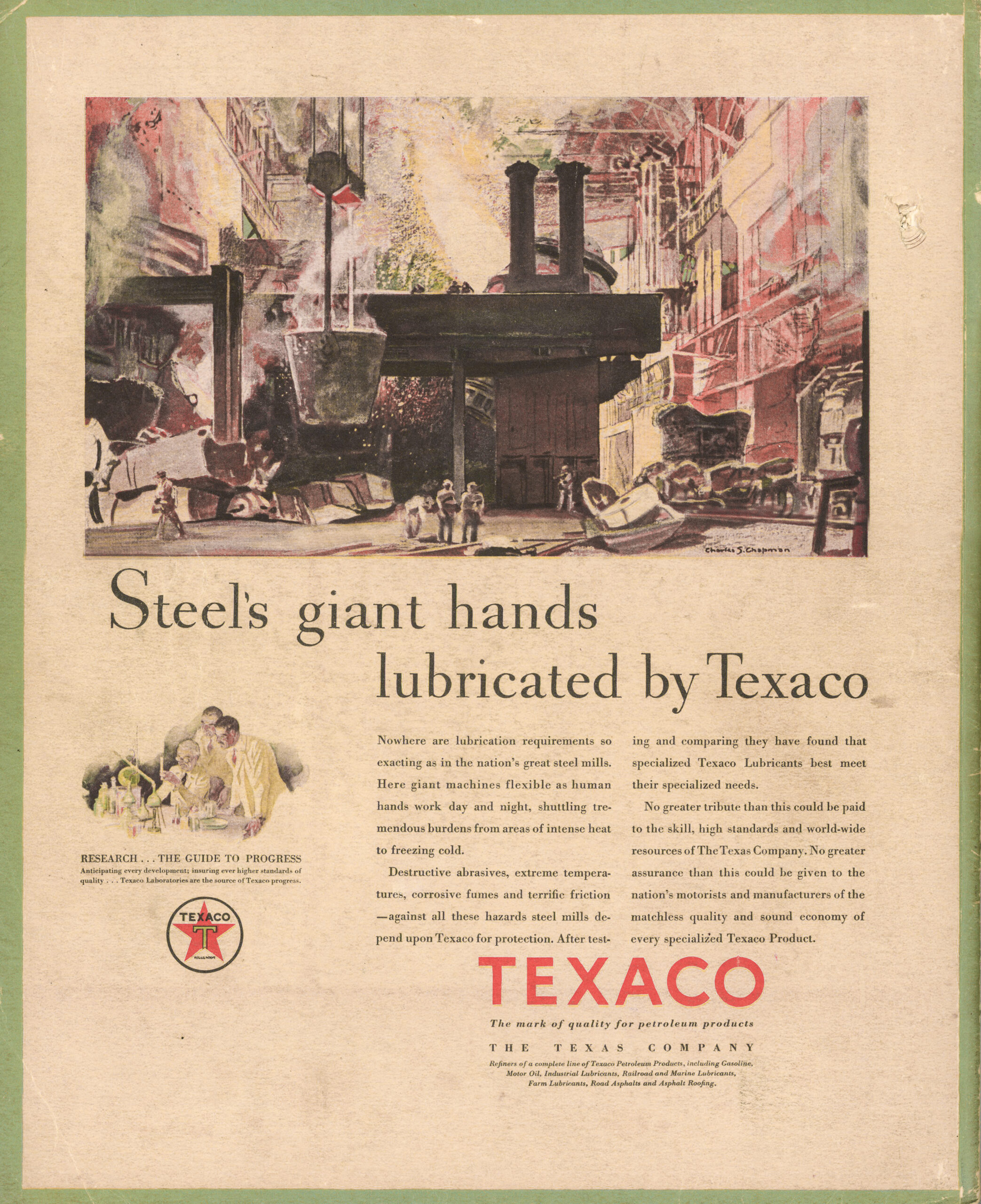
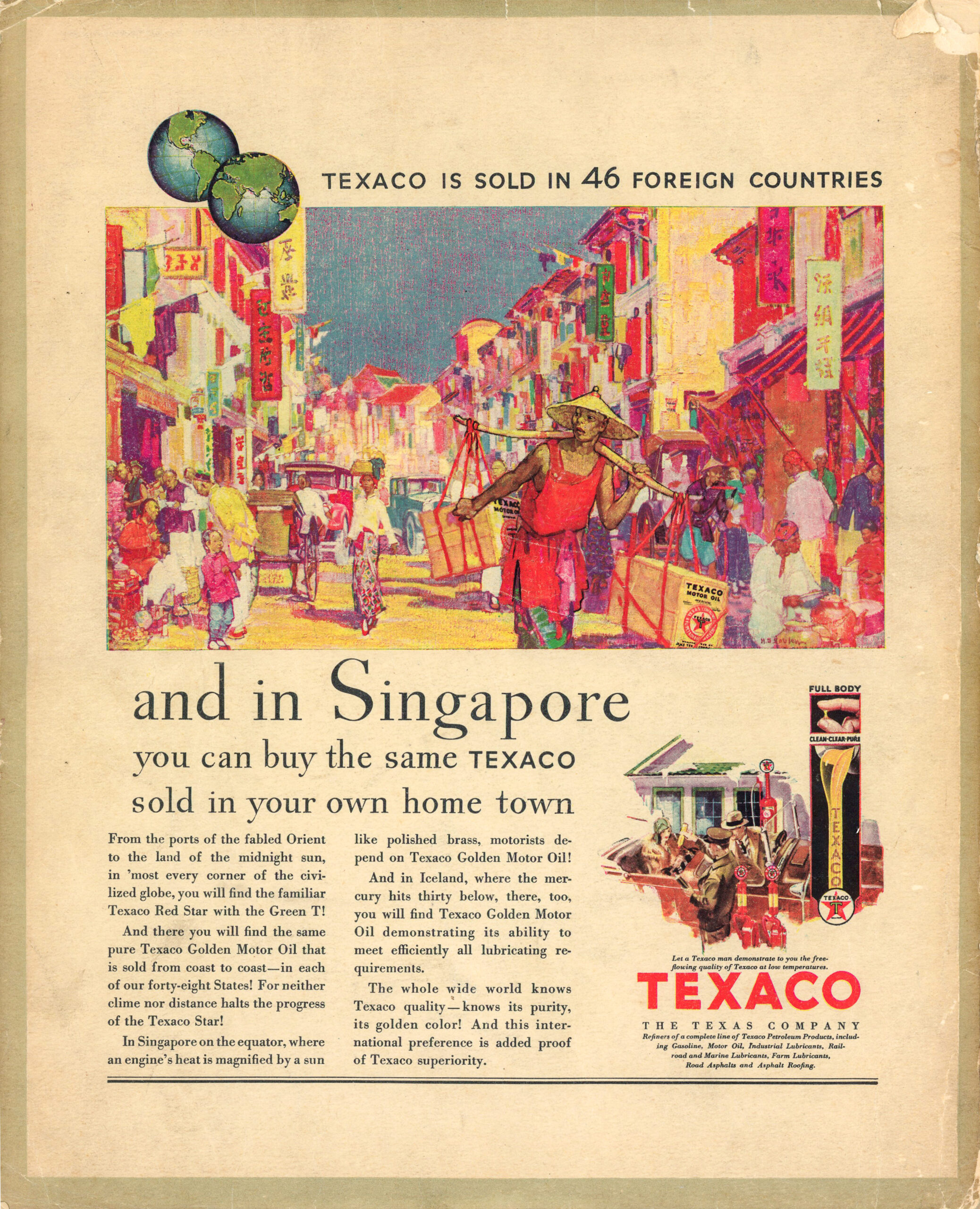
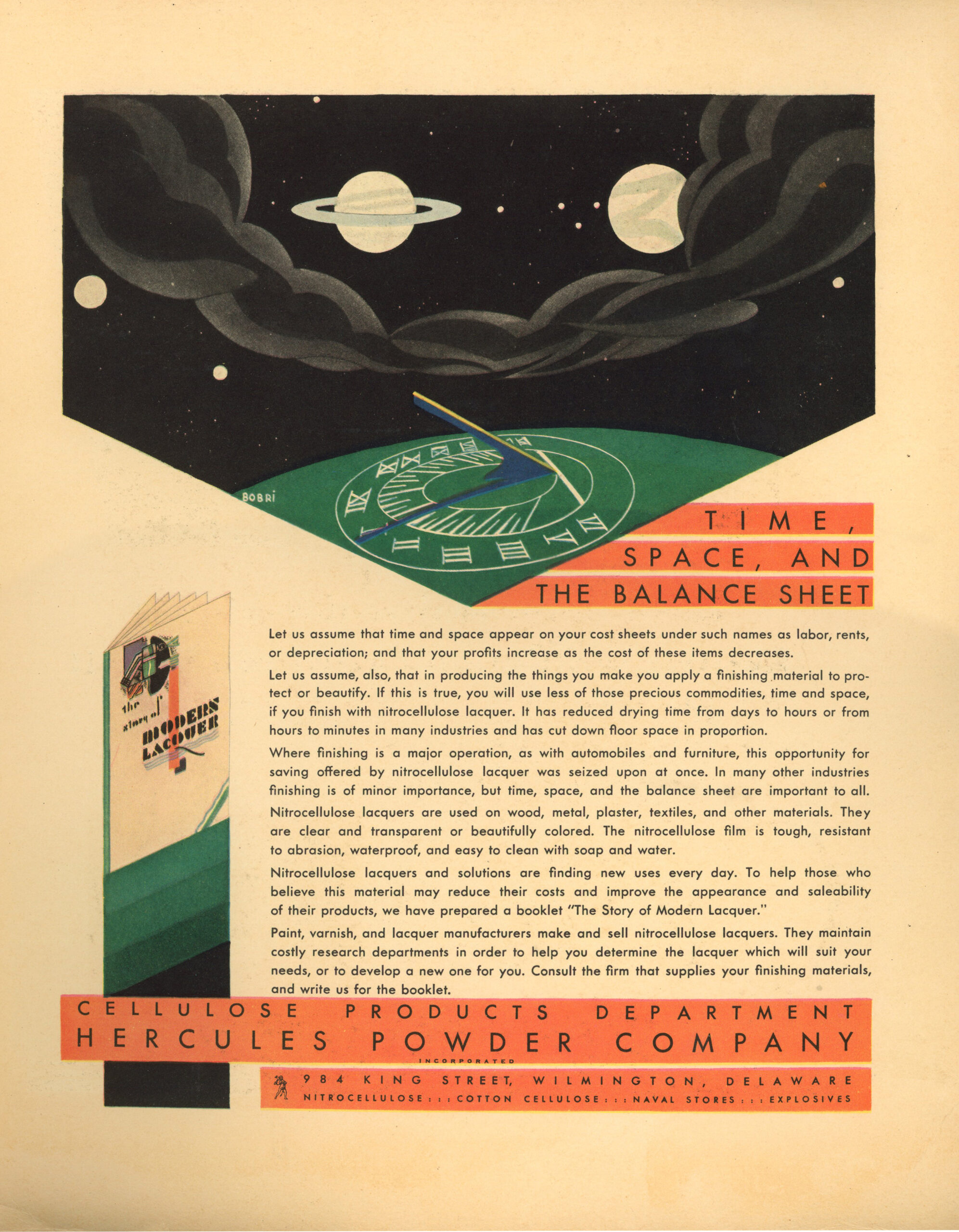
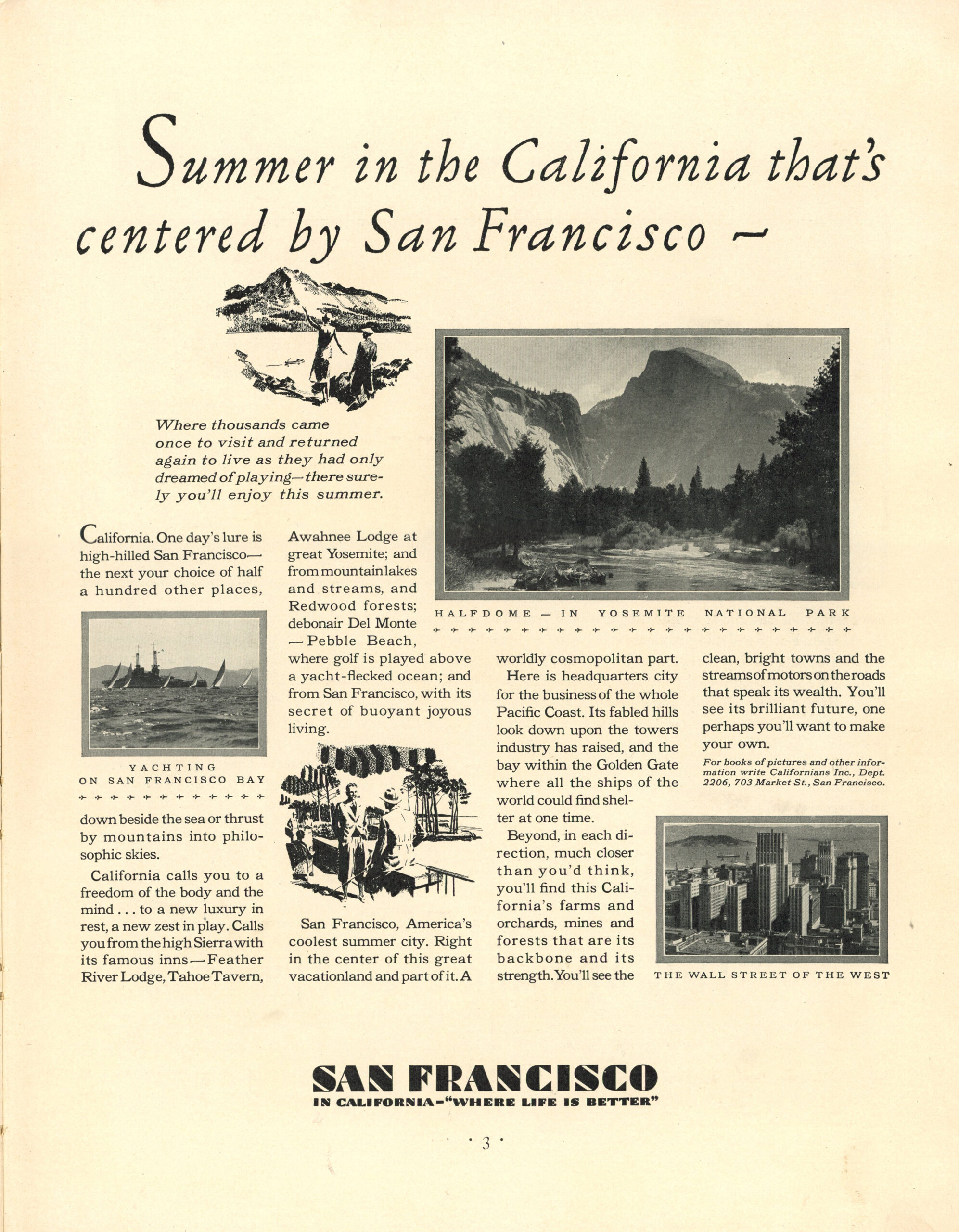
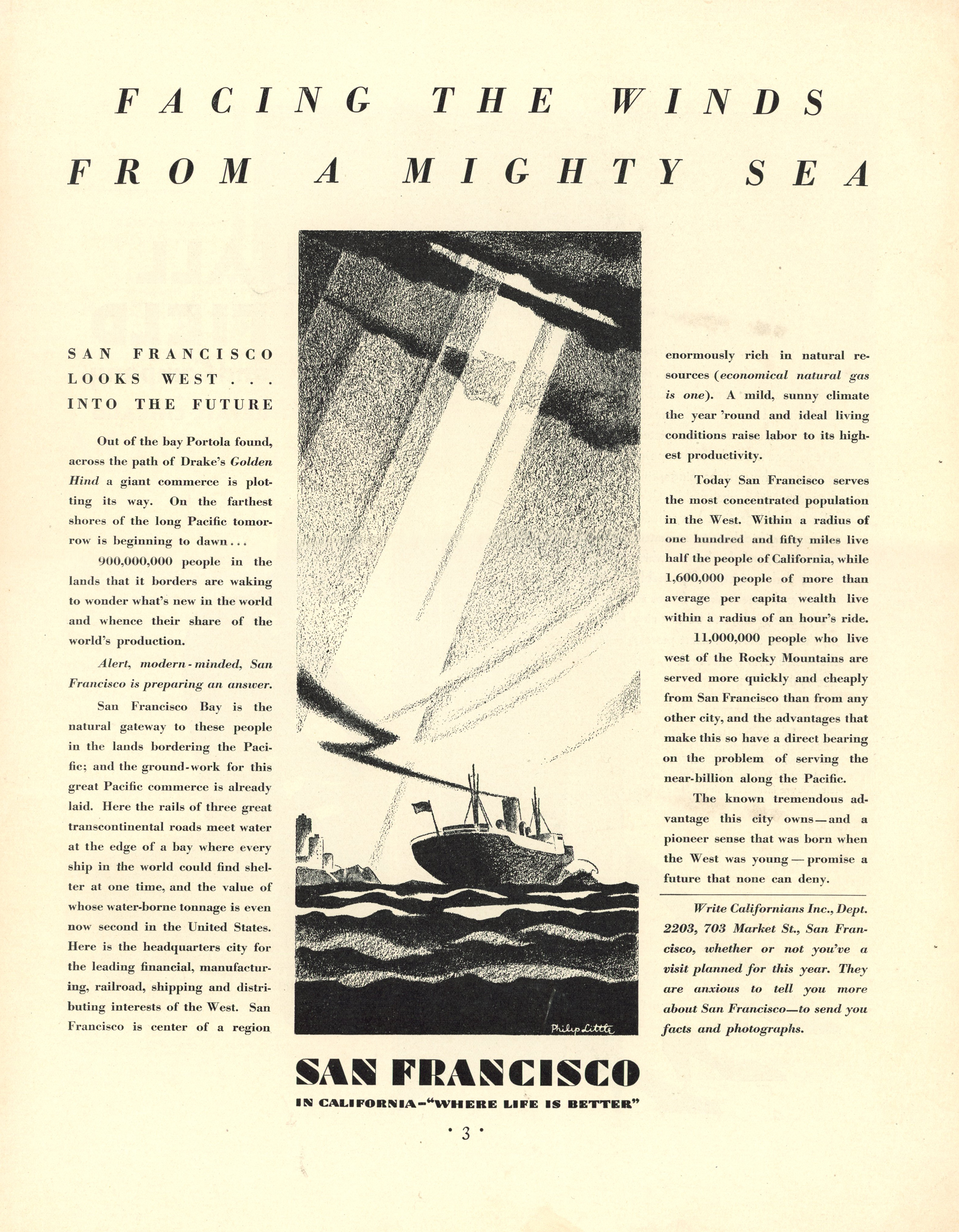
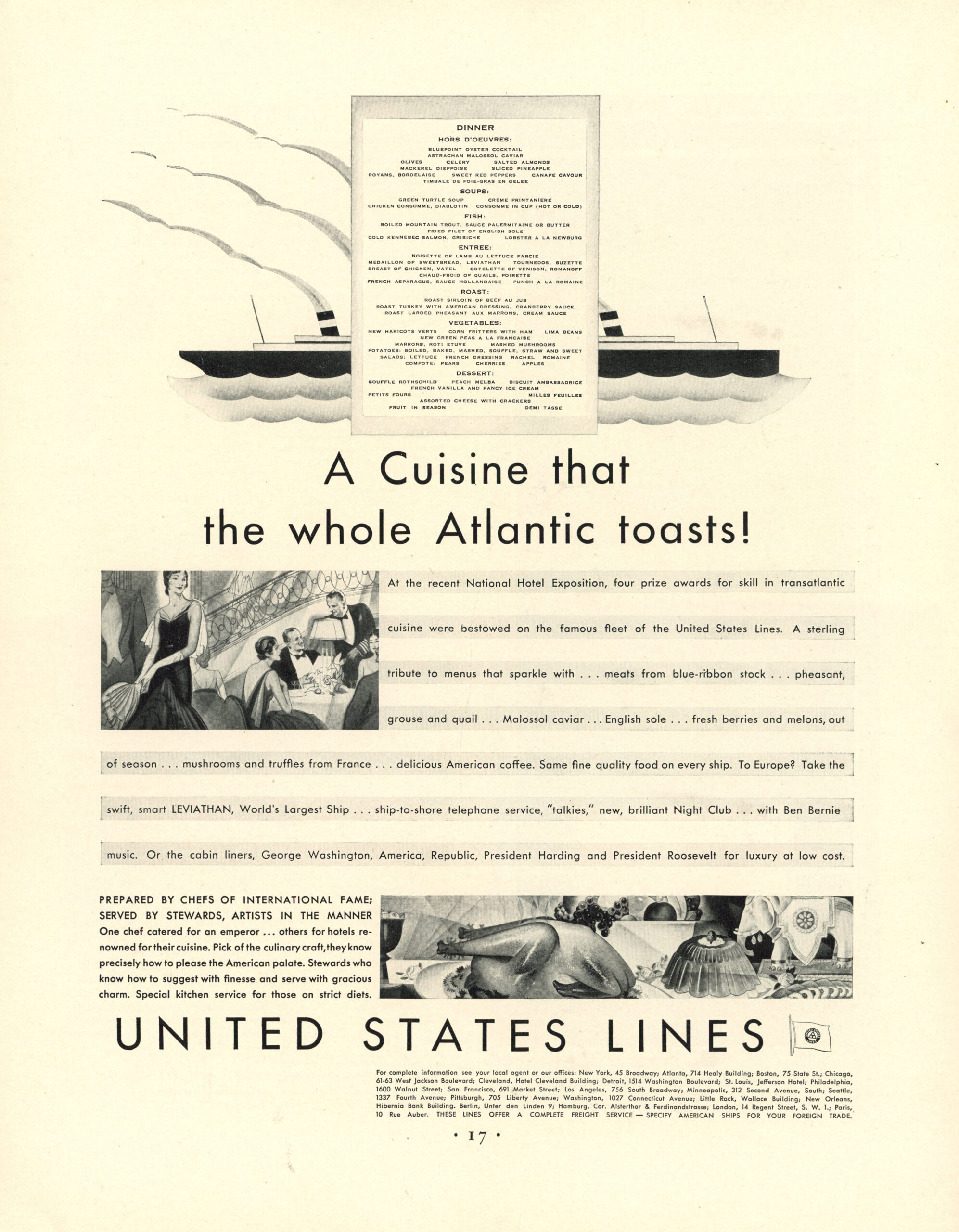
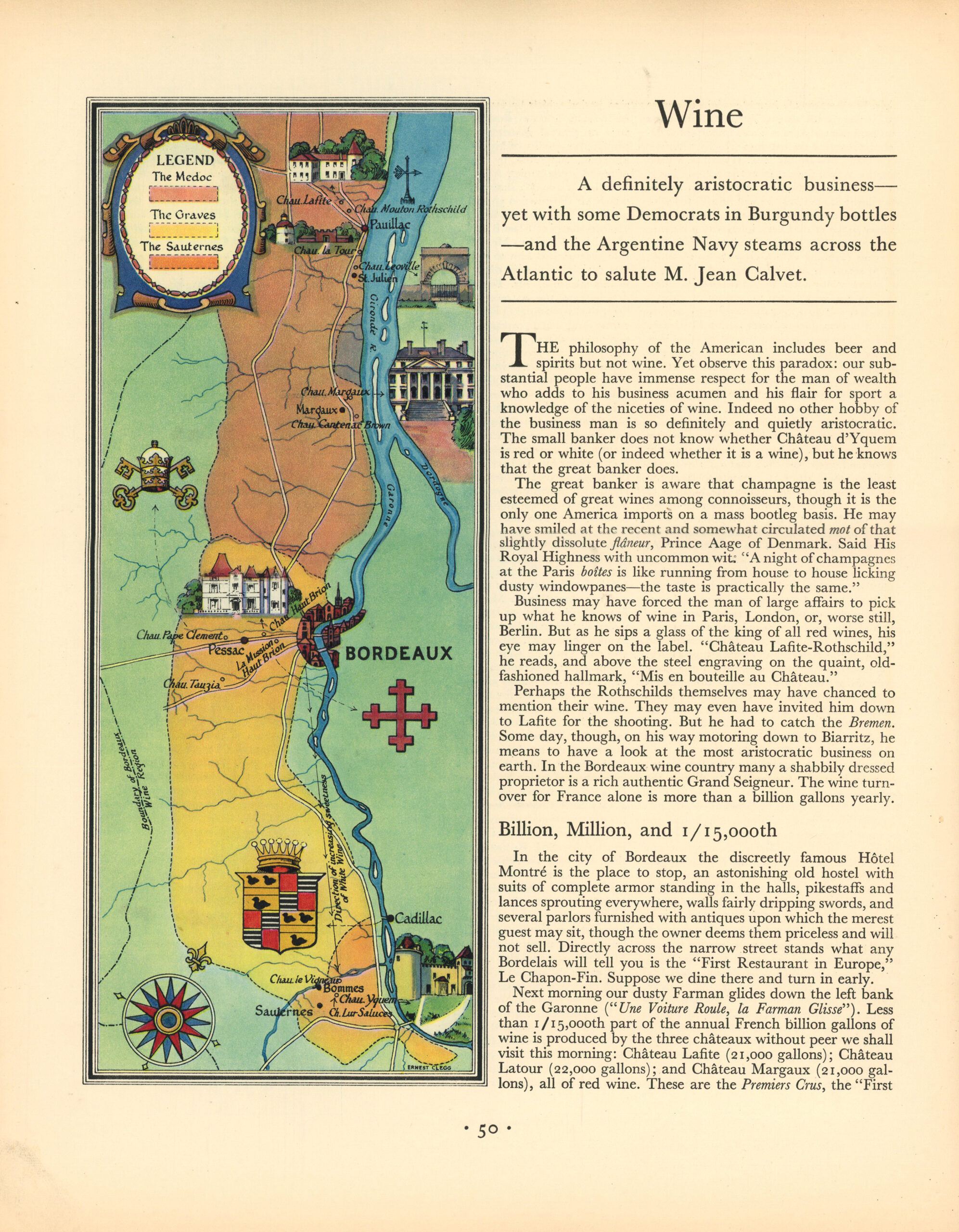
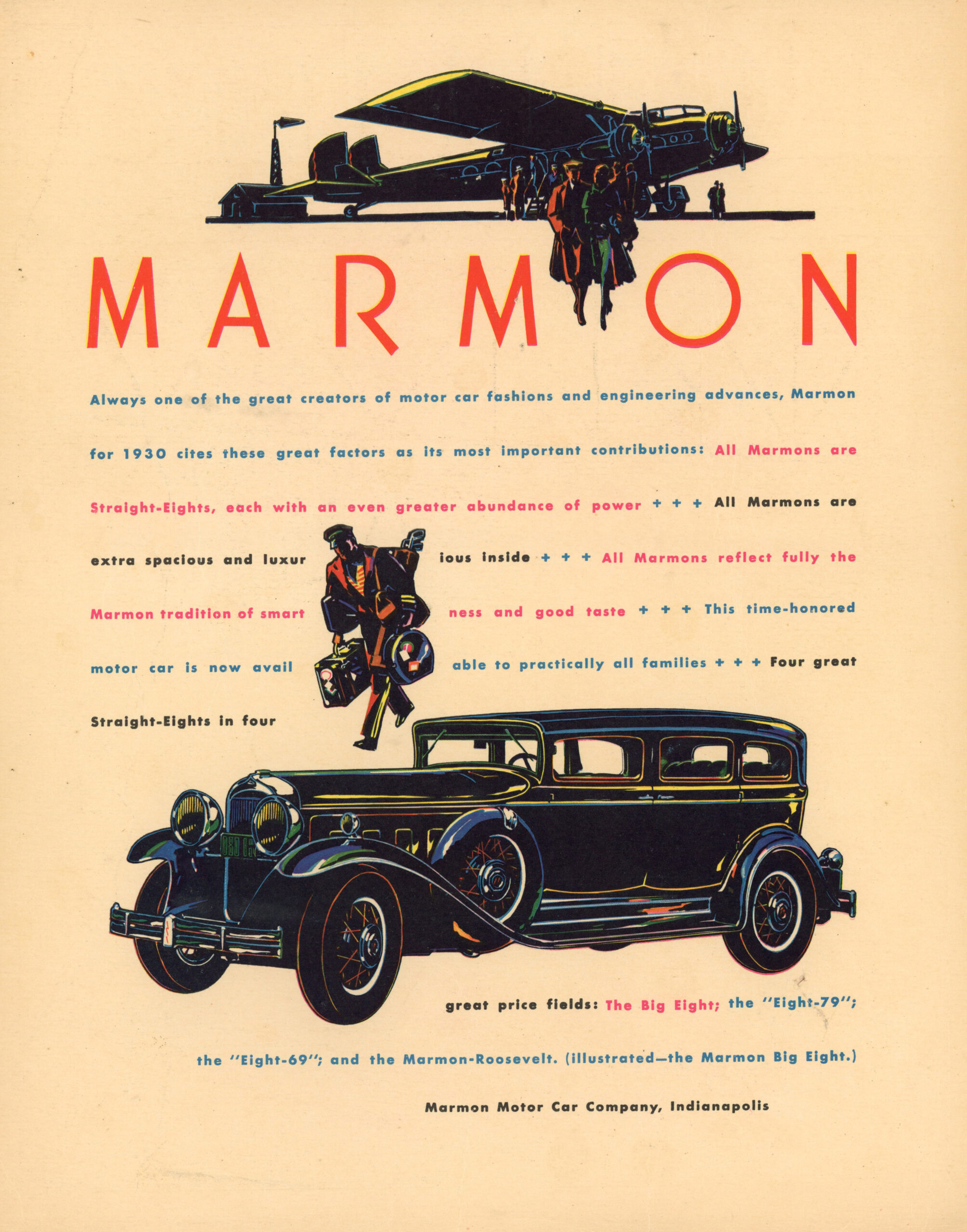
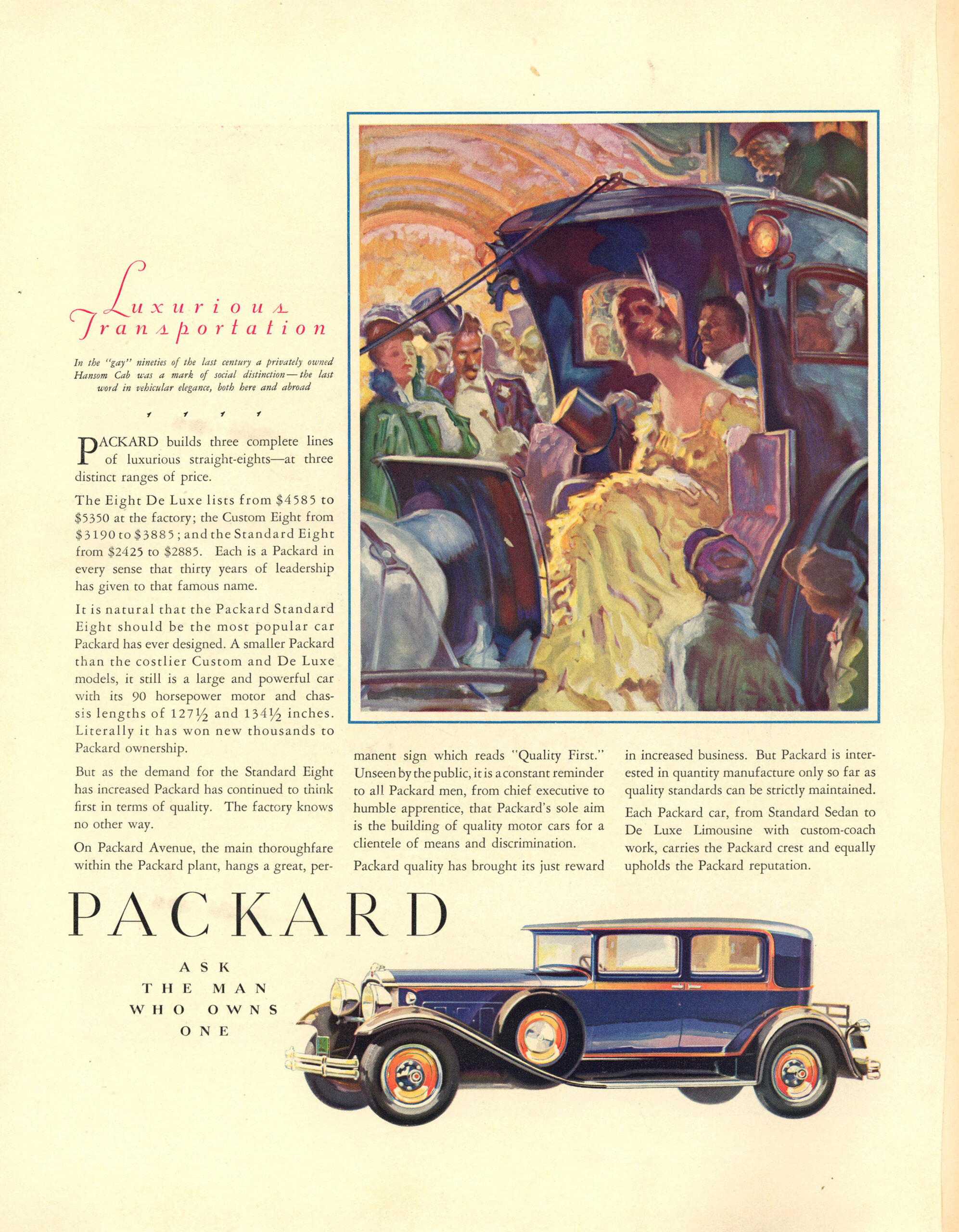
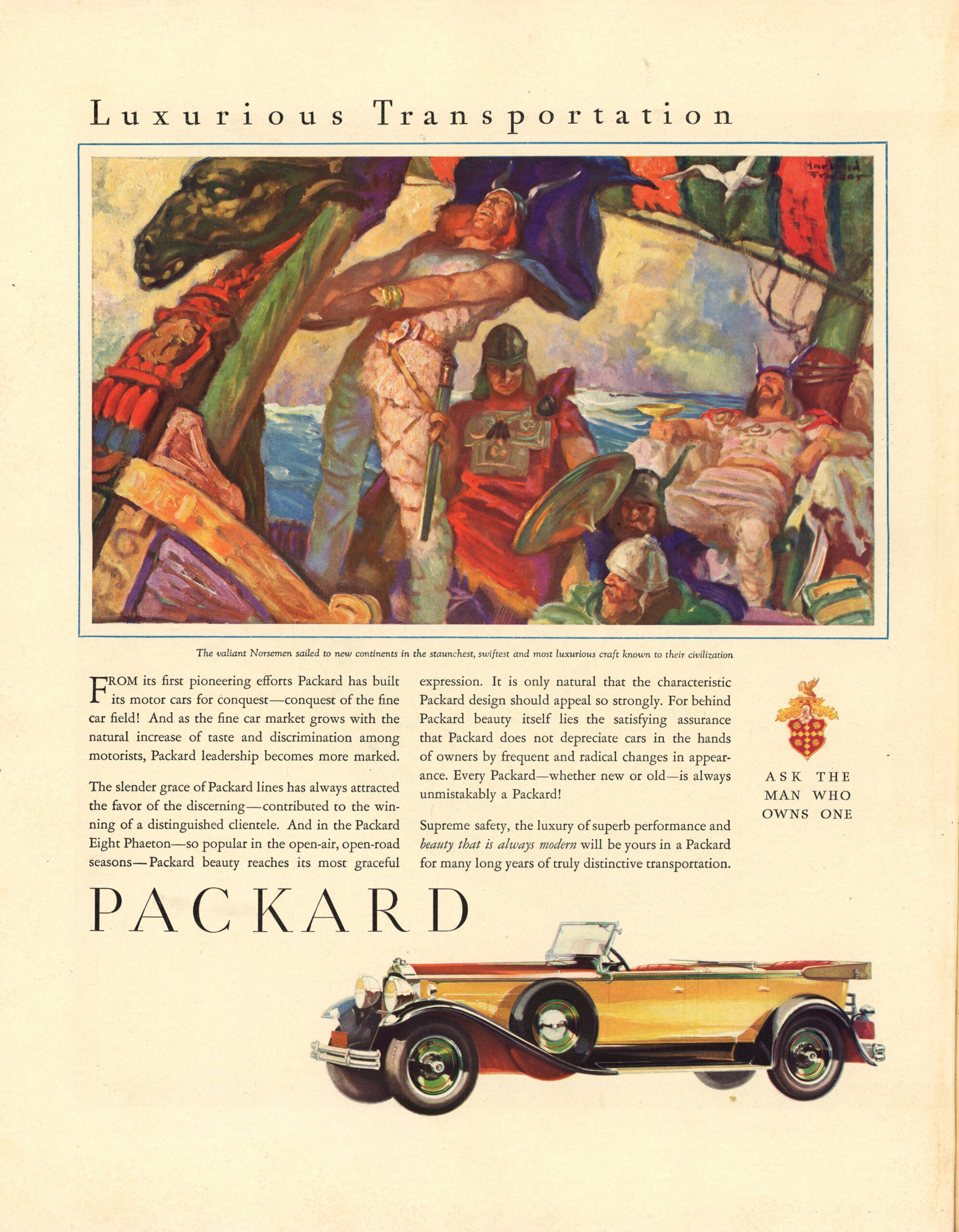
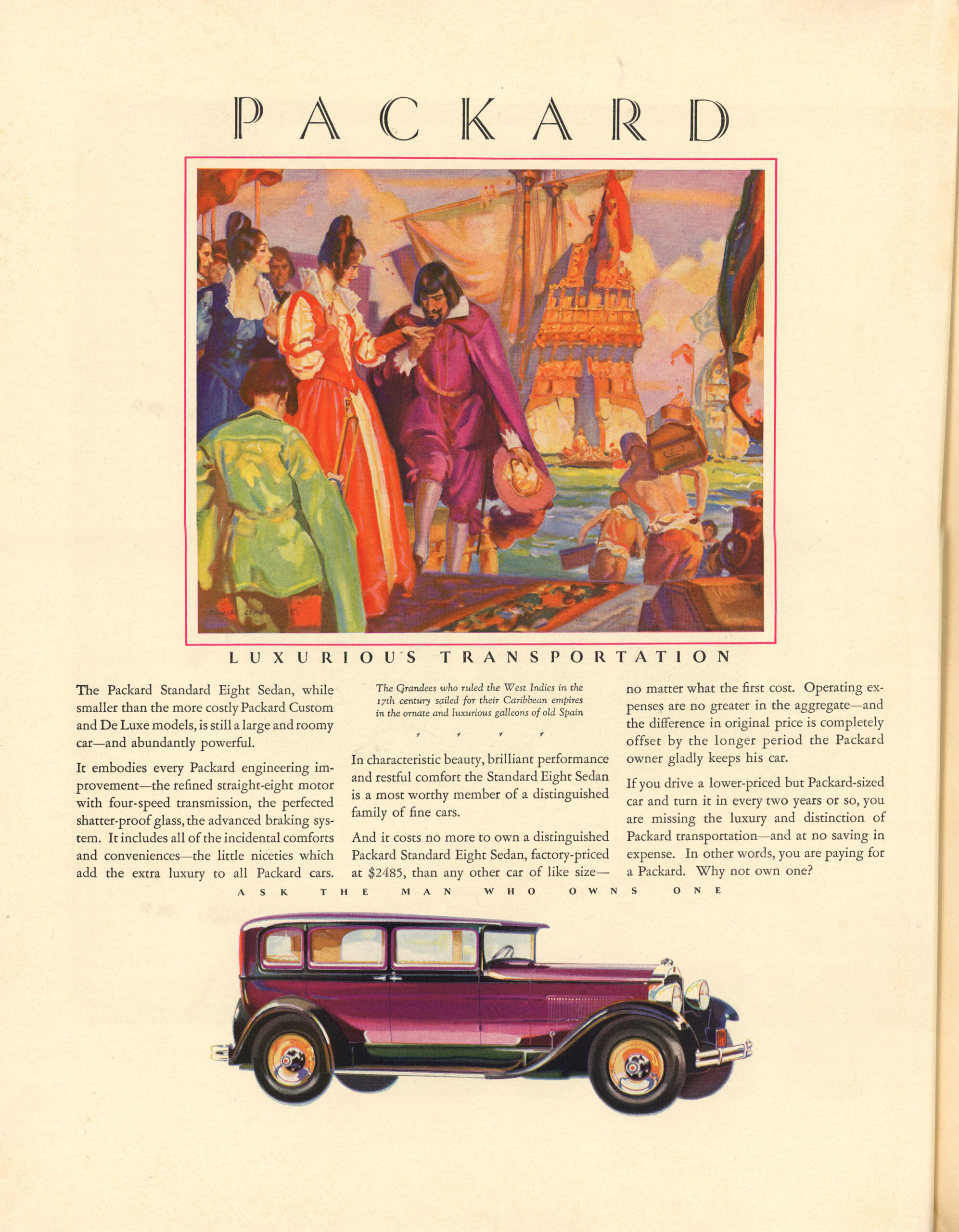
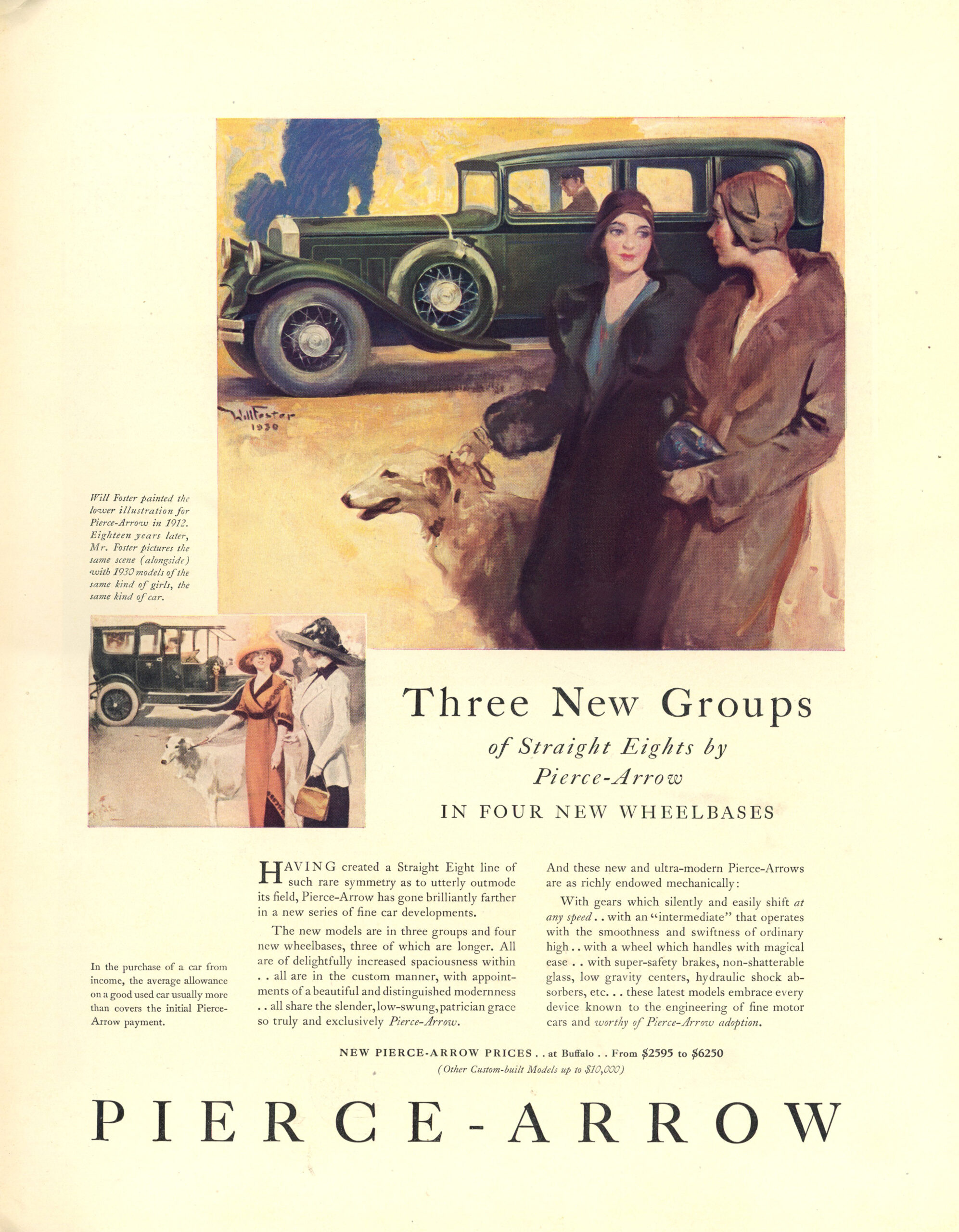
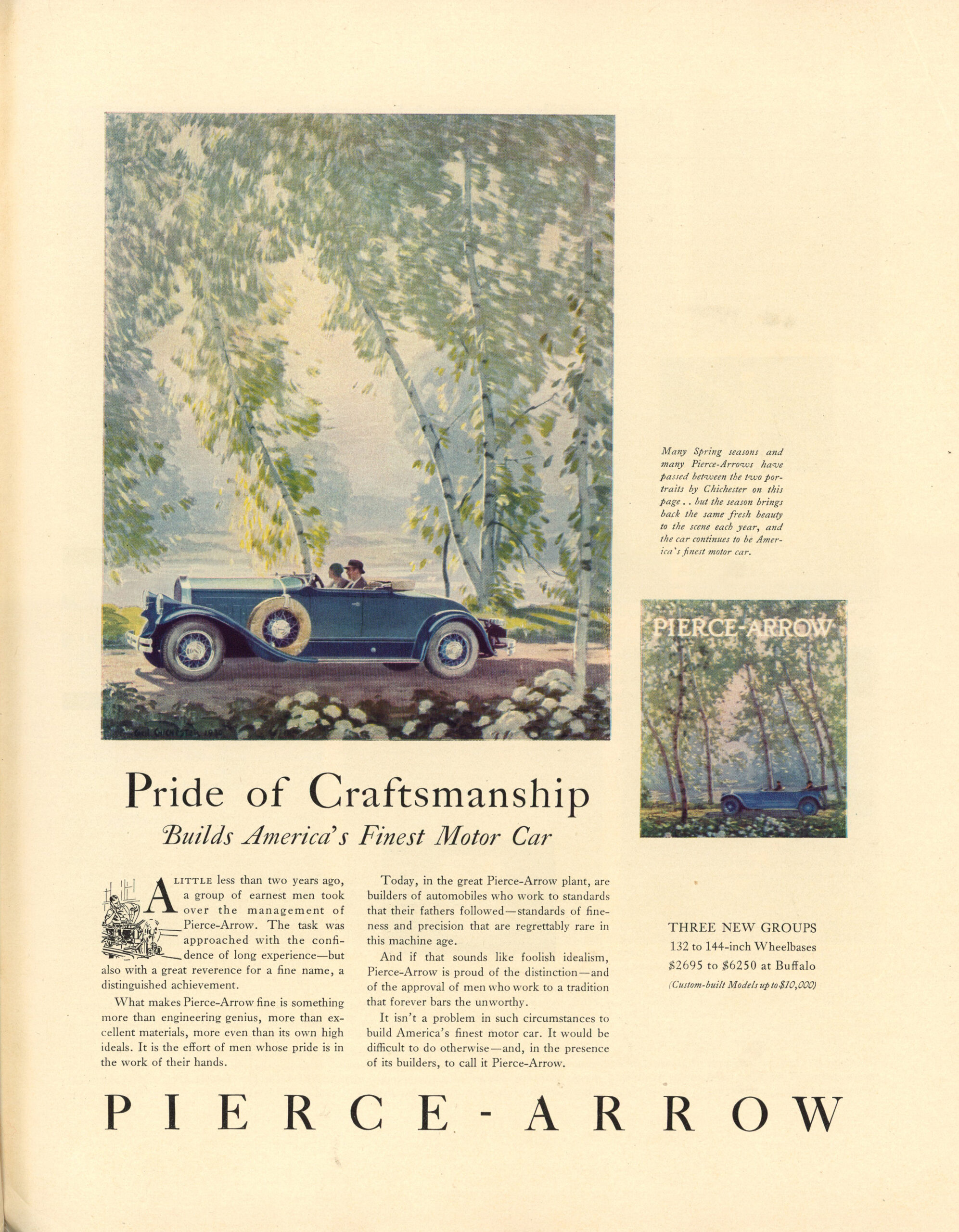
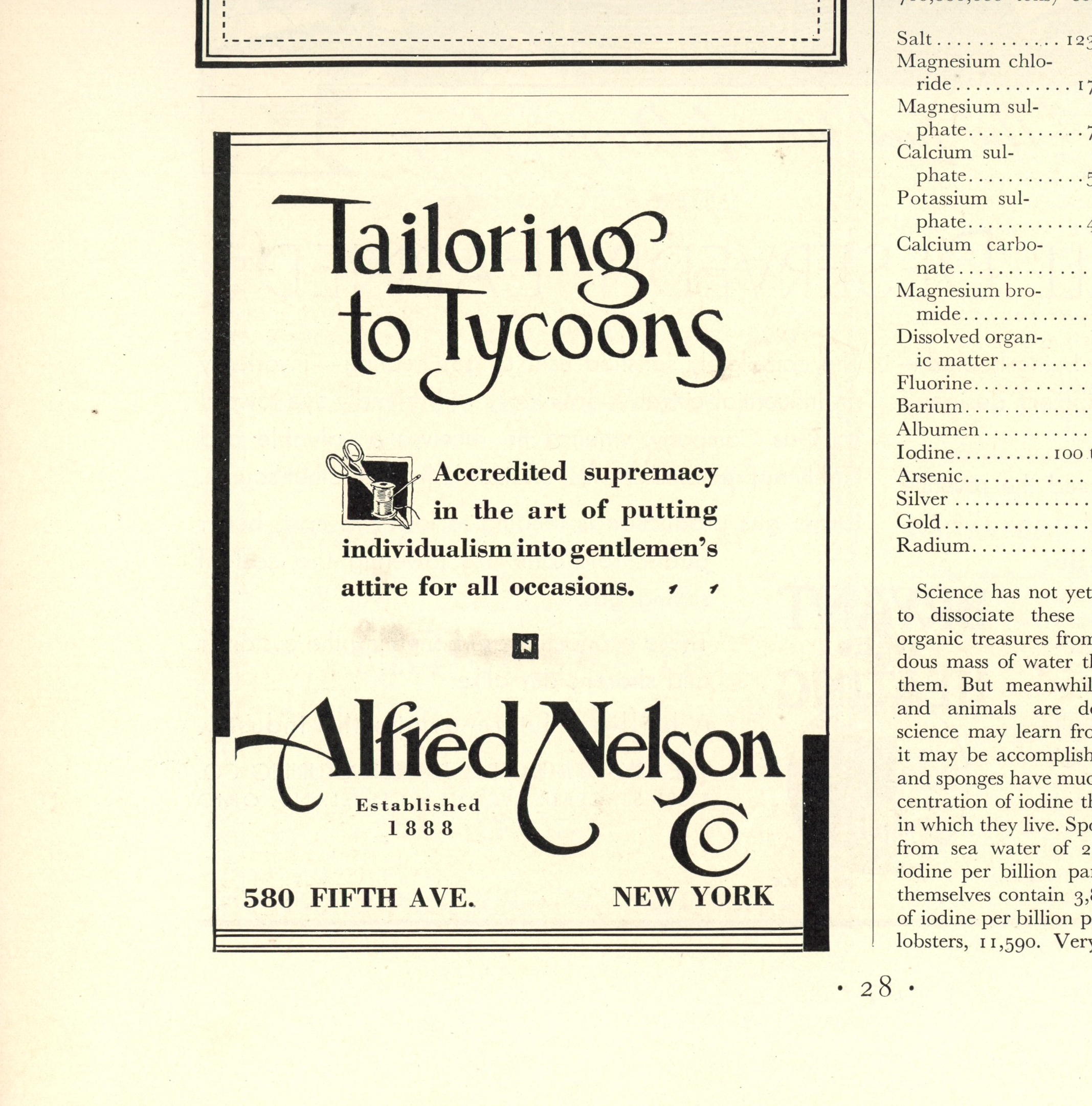
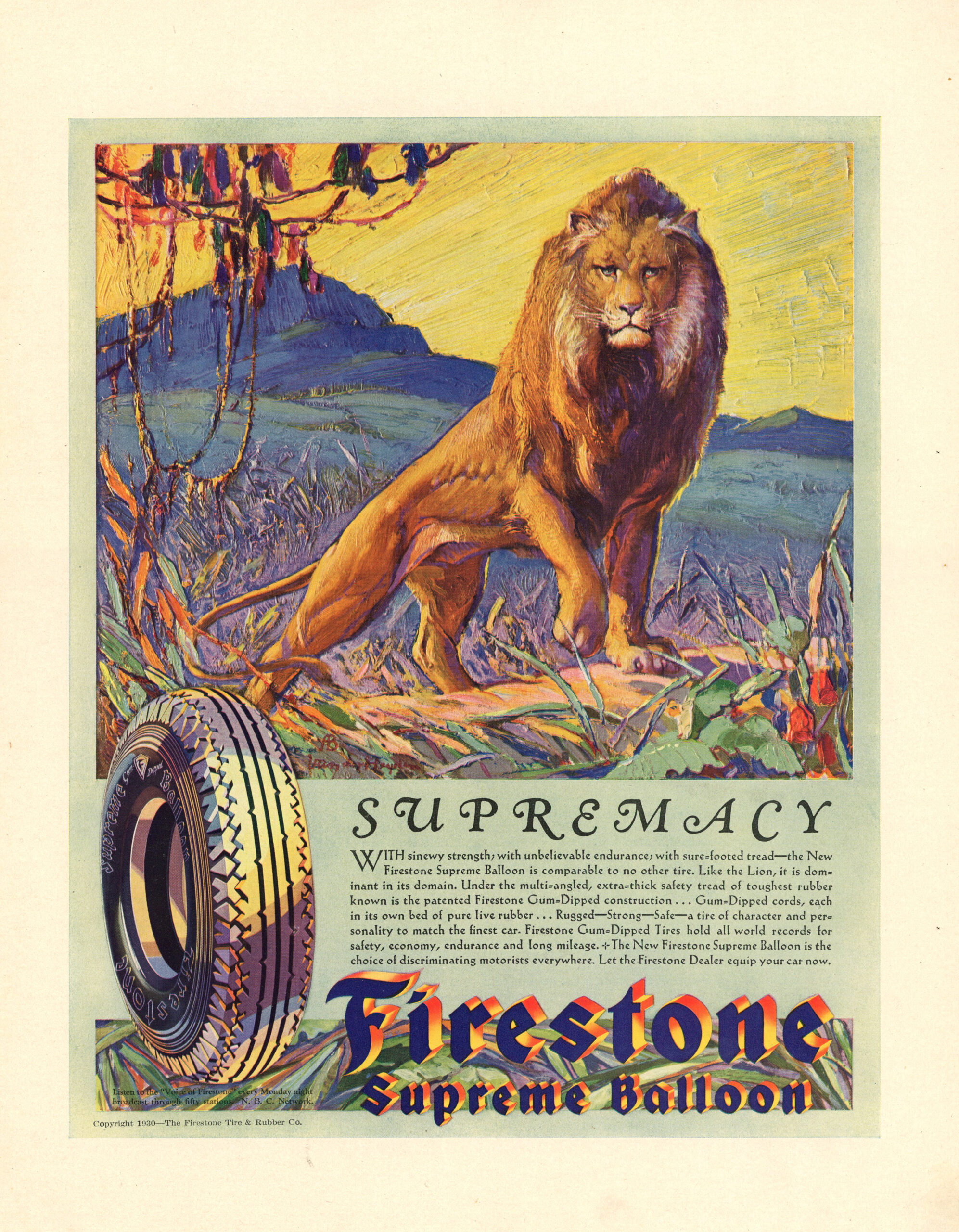
Flip through these three issues and the ads make it crystal clear. Pierce-Arrow cars, one of the most expensive automobiles in America, appear in all three issues. There are ads for fine wines, luxury travel, and custom-tailored clothing.
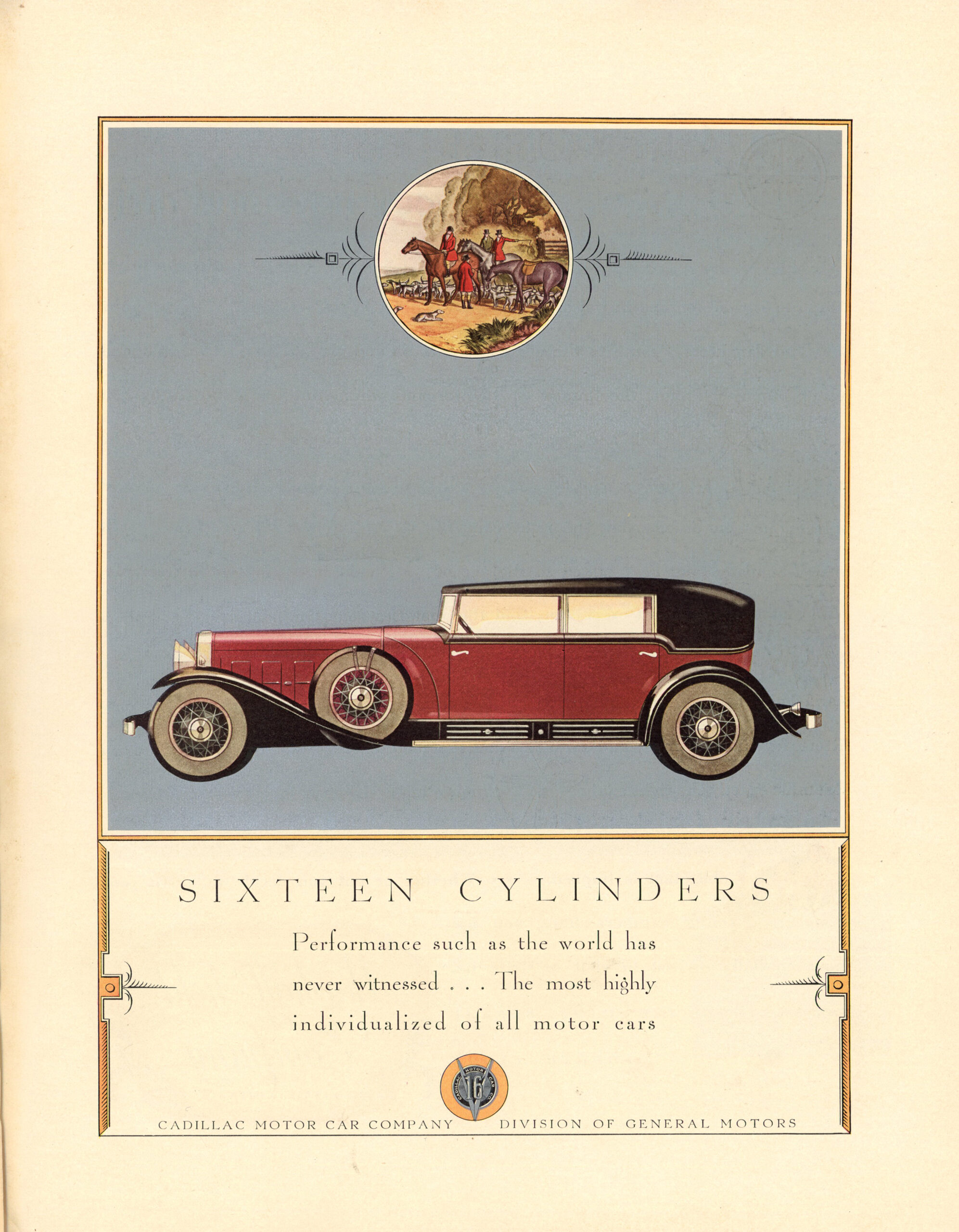
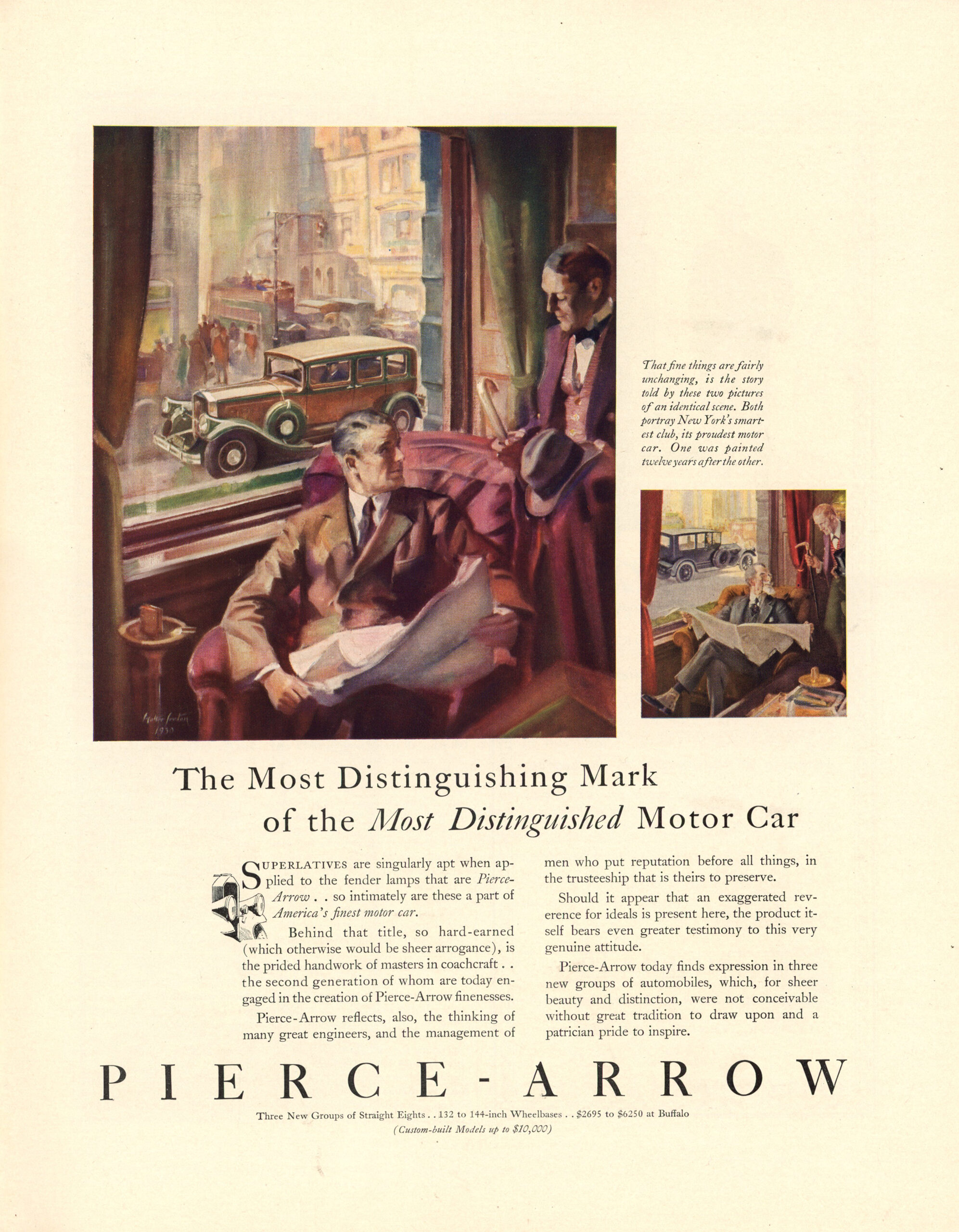
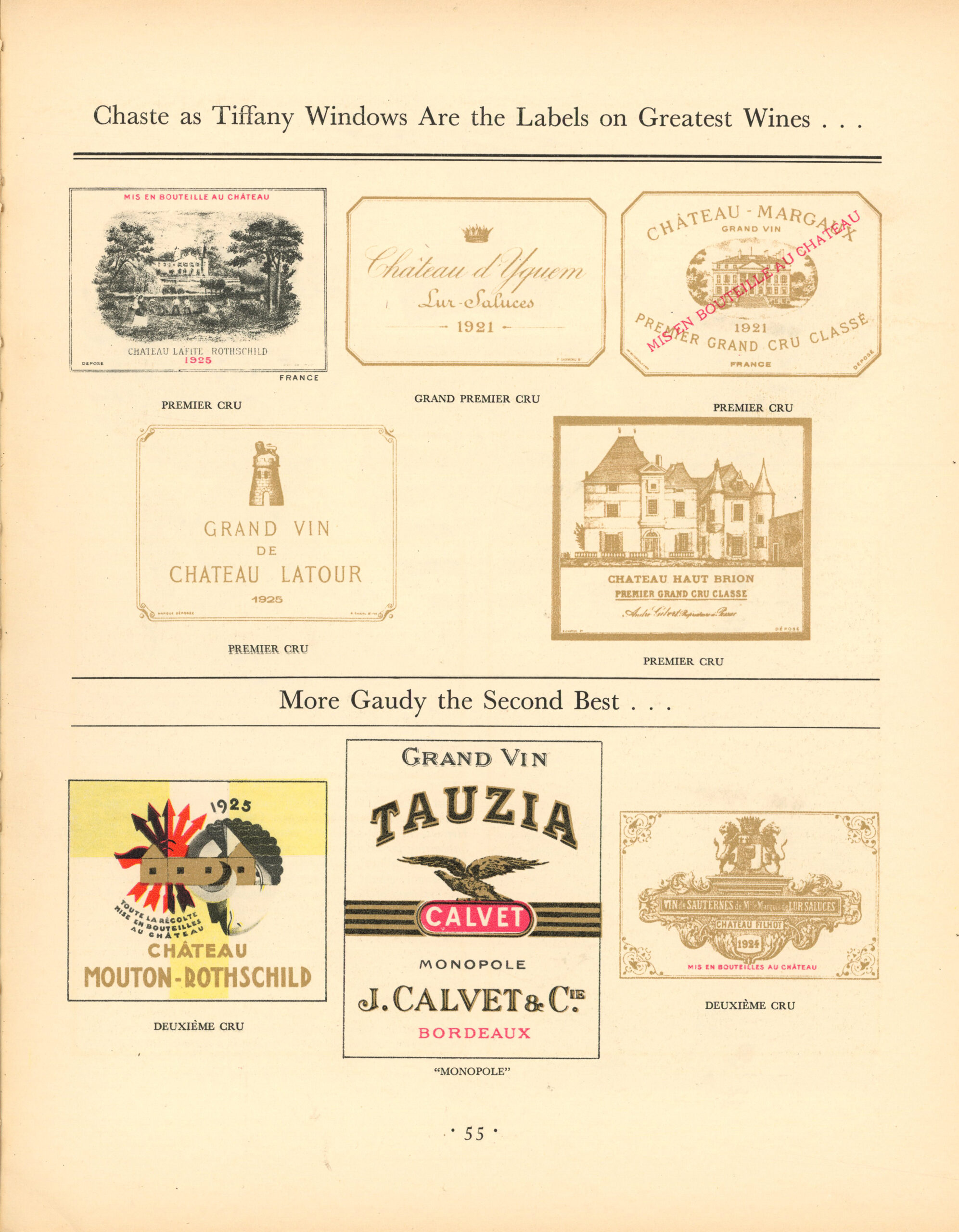
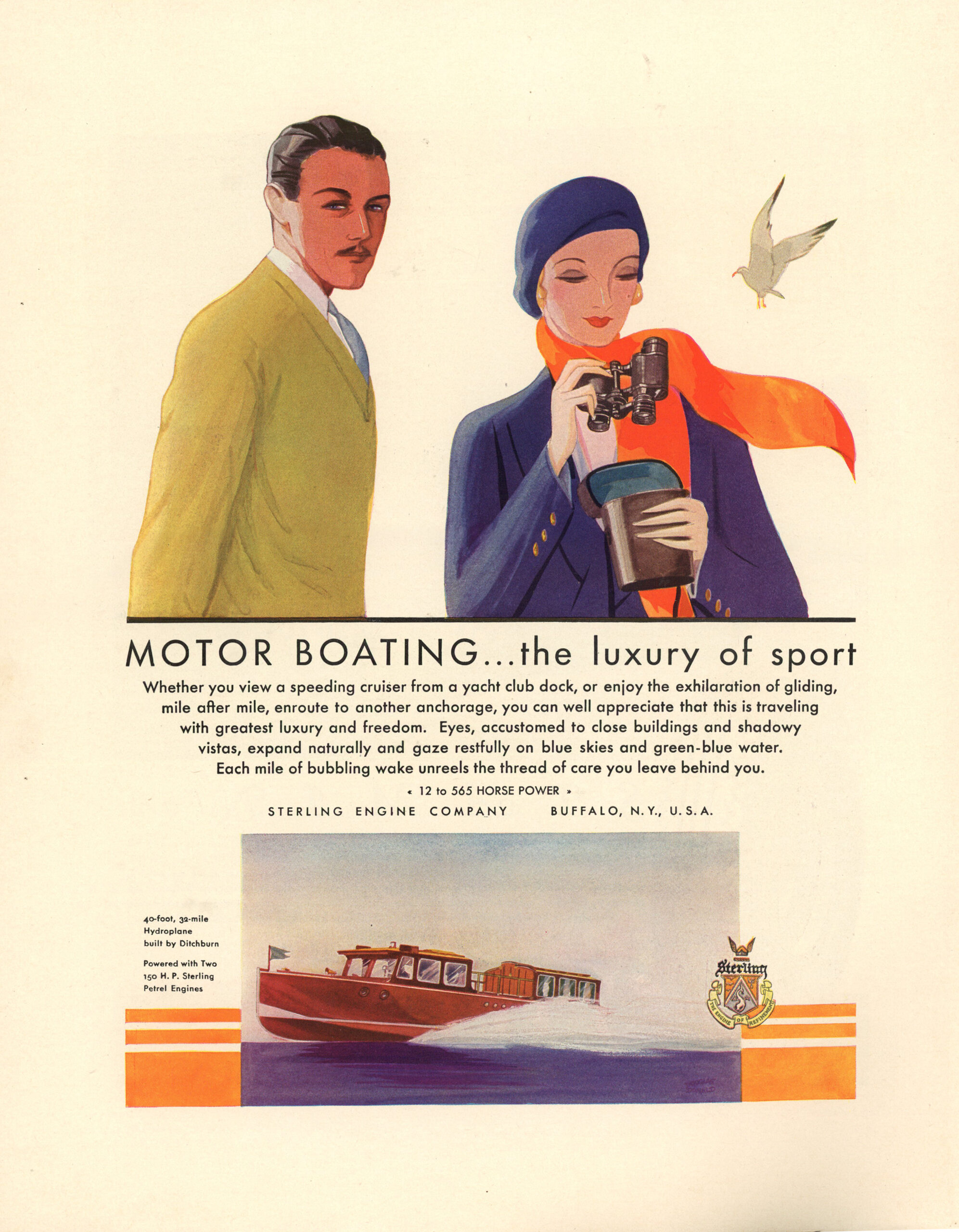
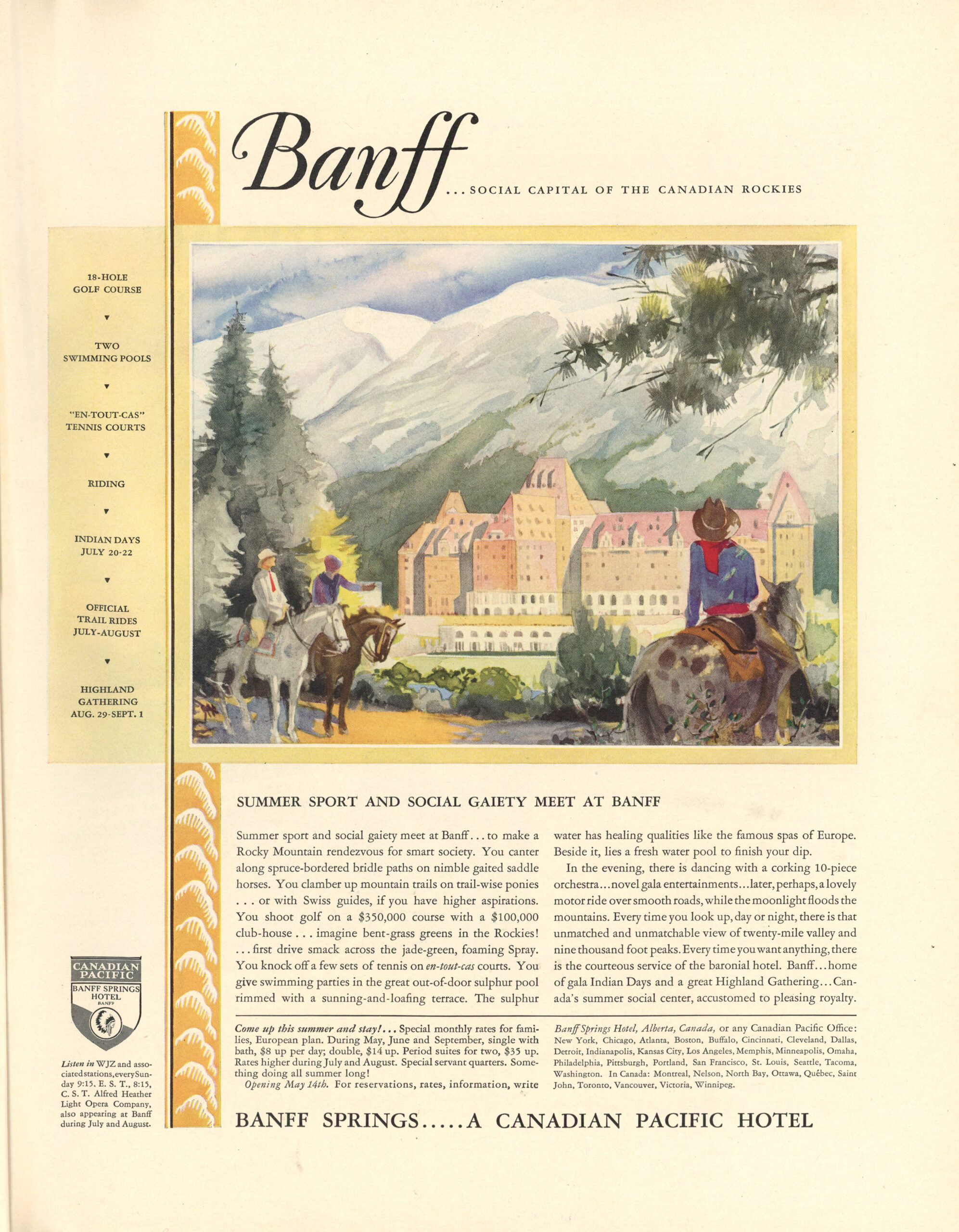
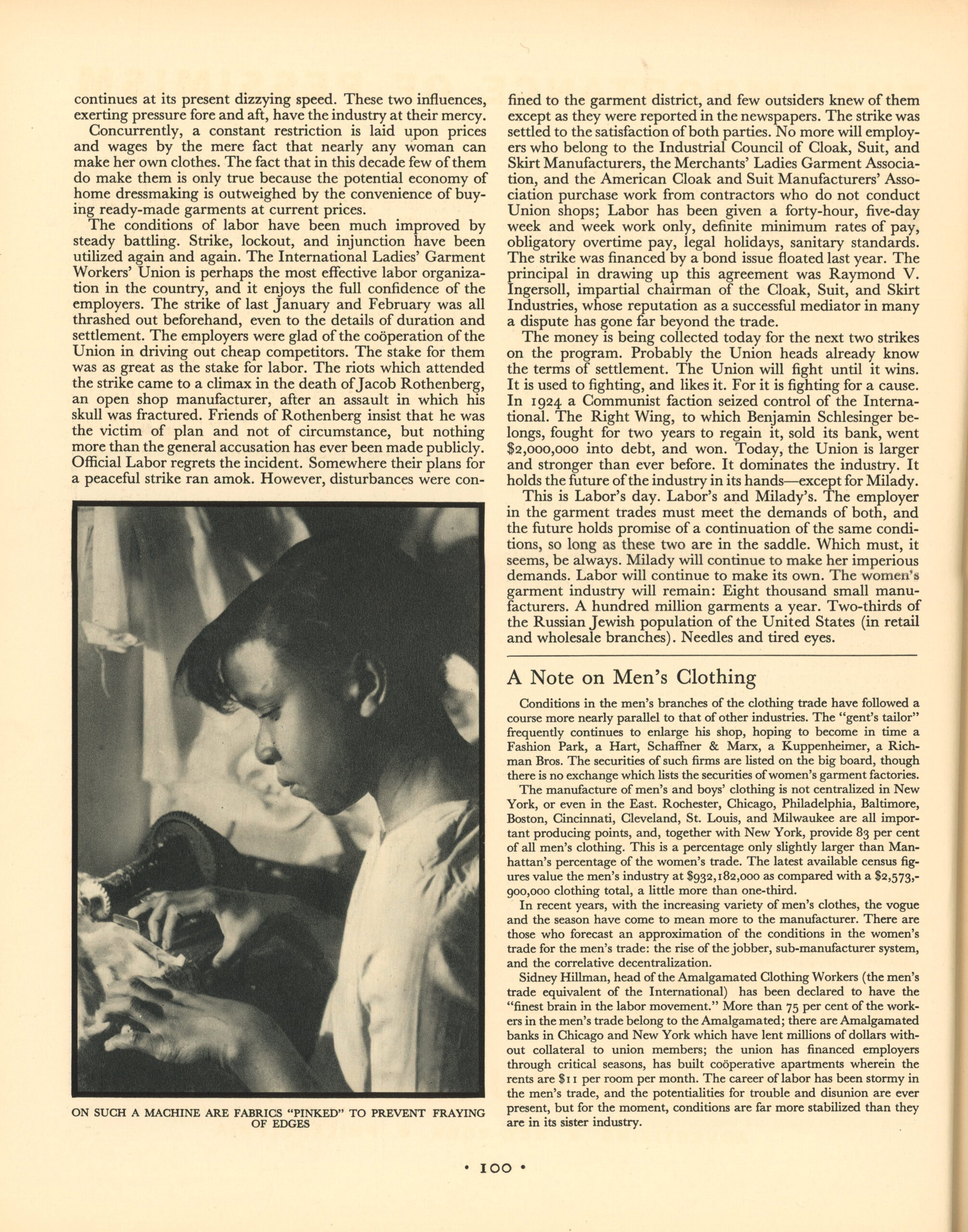
The readership Fortune was courting was almost exclusively white, wealthy, and male. Women appear primarily as accessories, wives in car ads, elegant figures in travel spreads. People of color are largely absent, except as servants or laborers in the background of illustrations (read more). Really showing you who their target audience was, and what they thought was normal at the time.
What's Actually Inside These Three Issues
So what’s actually in these things? More than you’d expect.
The March 1930 issue has an article by Ernest Hemingway. Yes, that Ernest Hemingway. Fortune hired literary talent rather than business writers, which was a radical idea at the time. Luce wanted the magazine to read beautifully, not just inform. So he brought in some of the best writers of the era and pointed them at American industry.
Read the Hemingway article “Bullfighting, Sport and Industry” here:
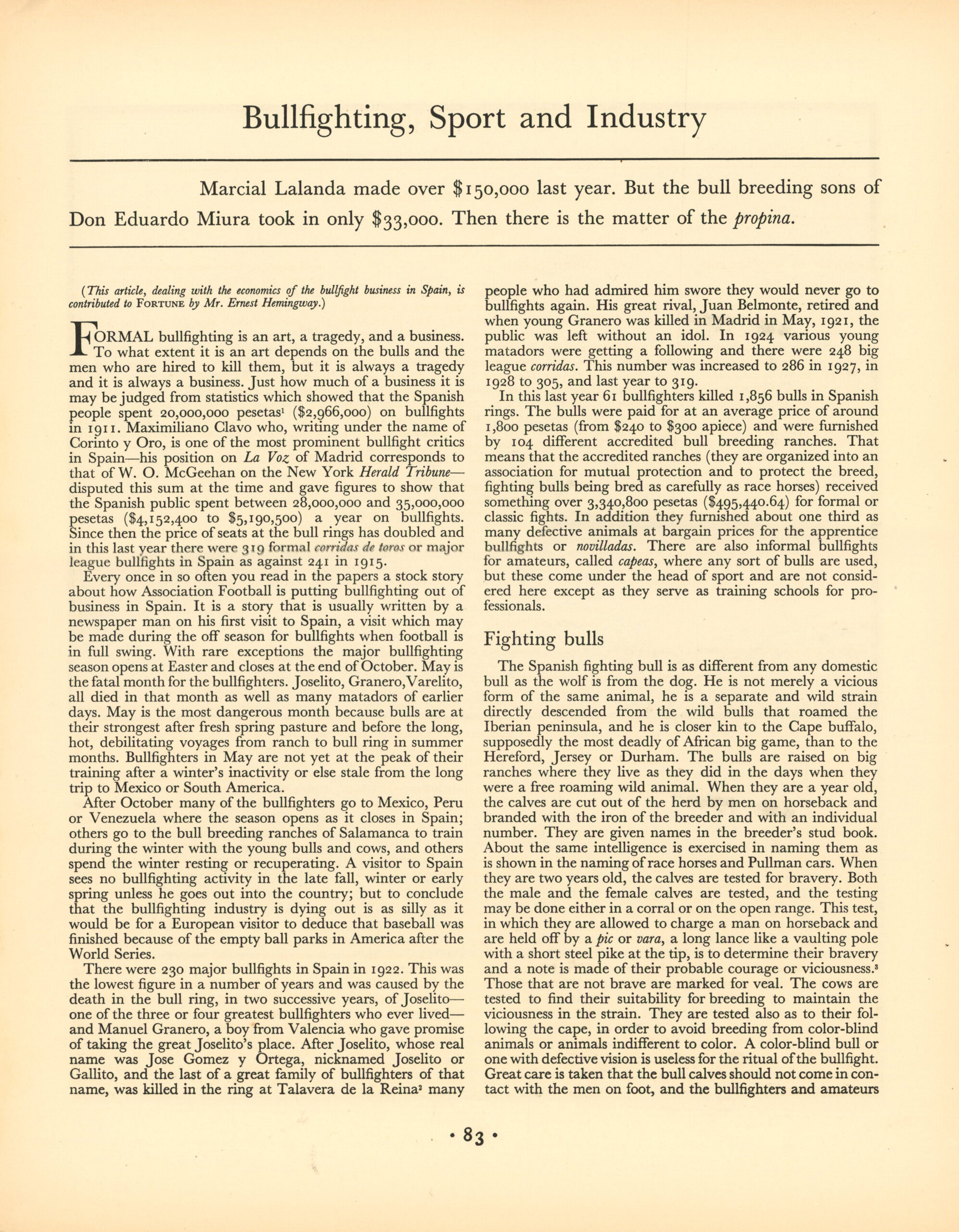
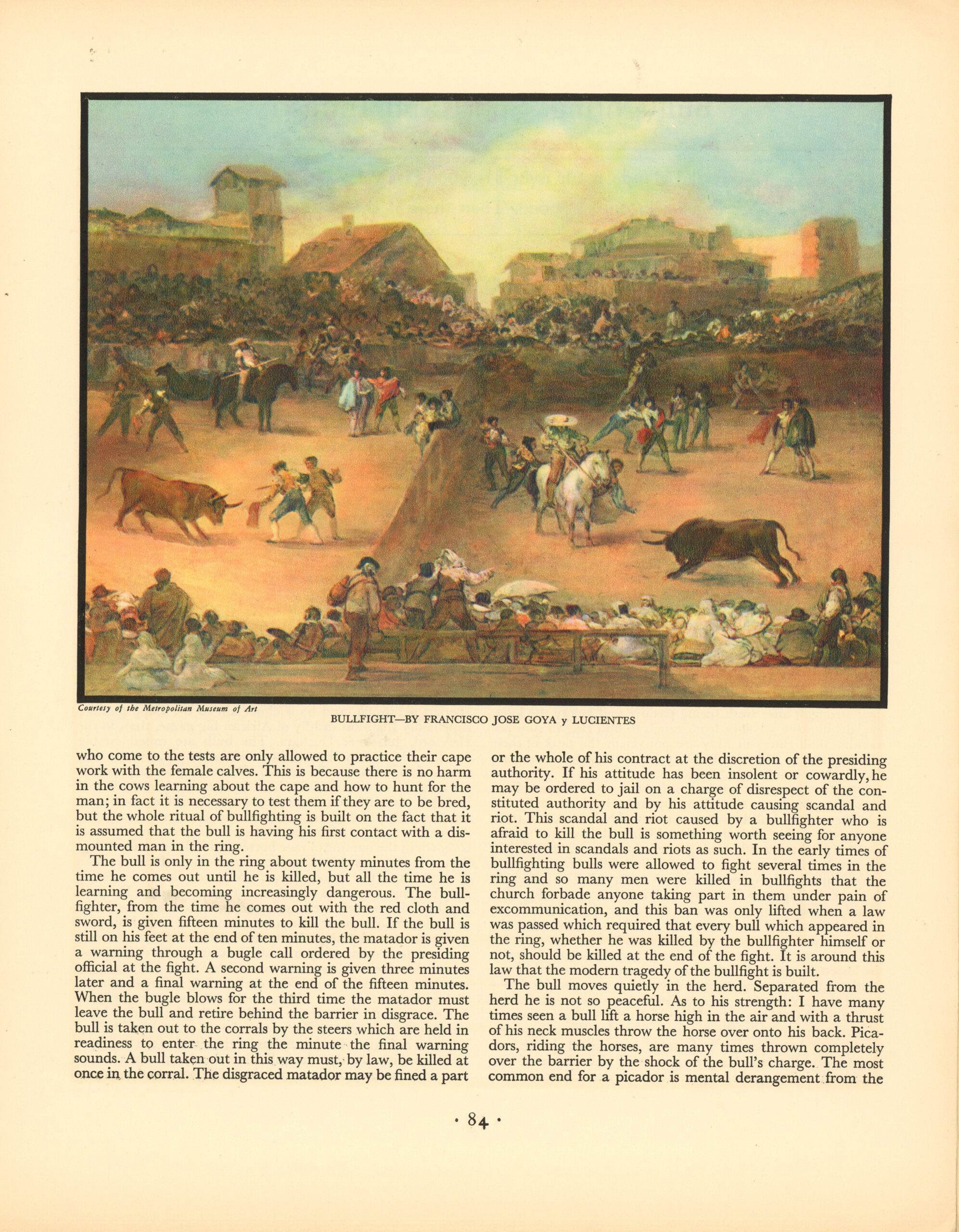
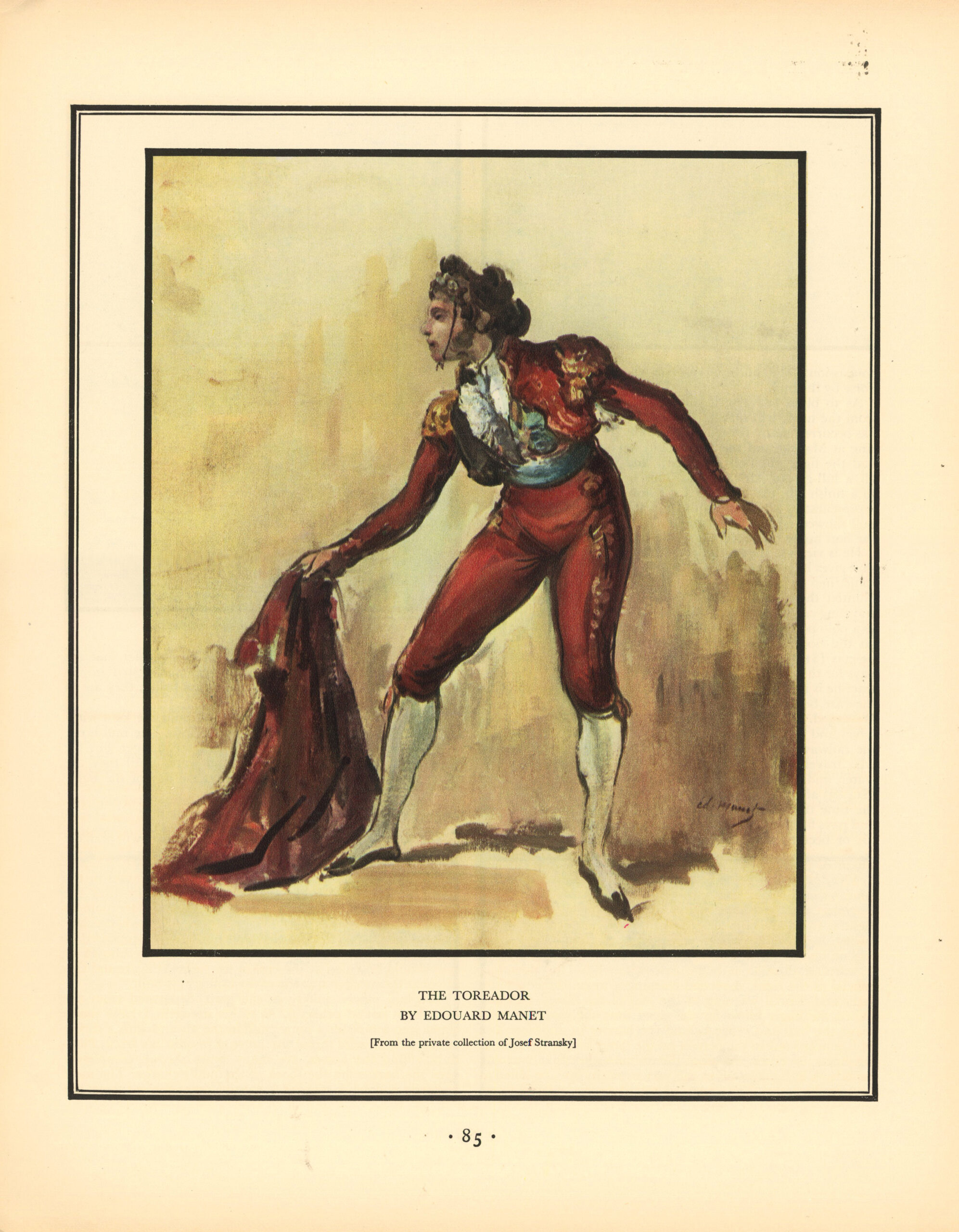
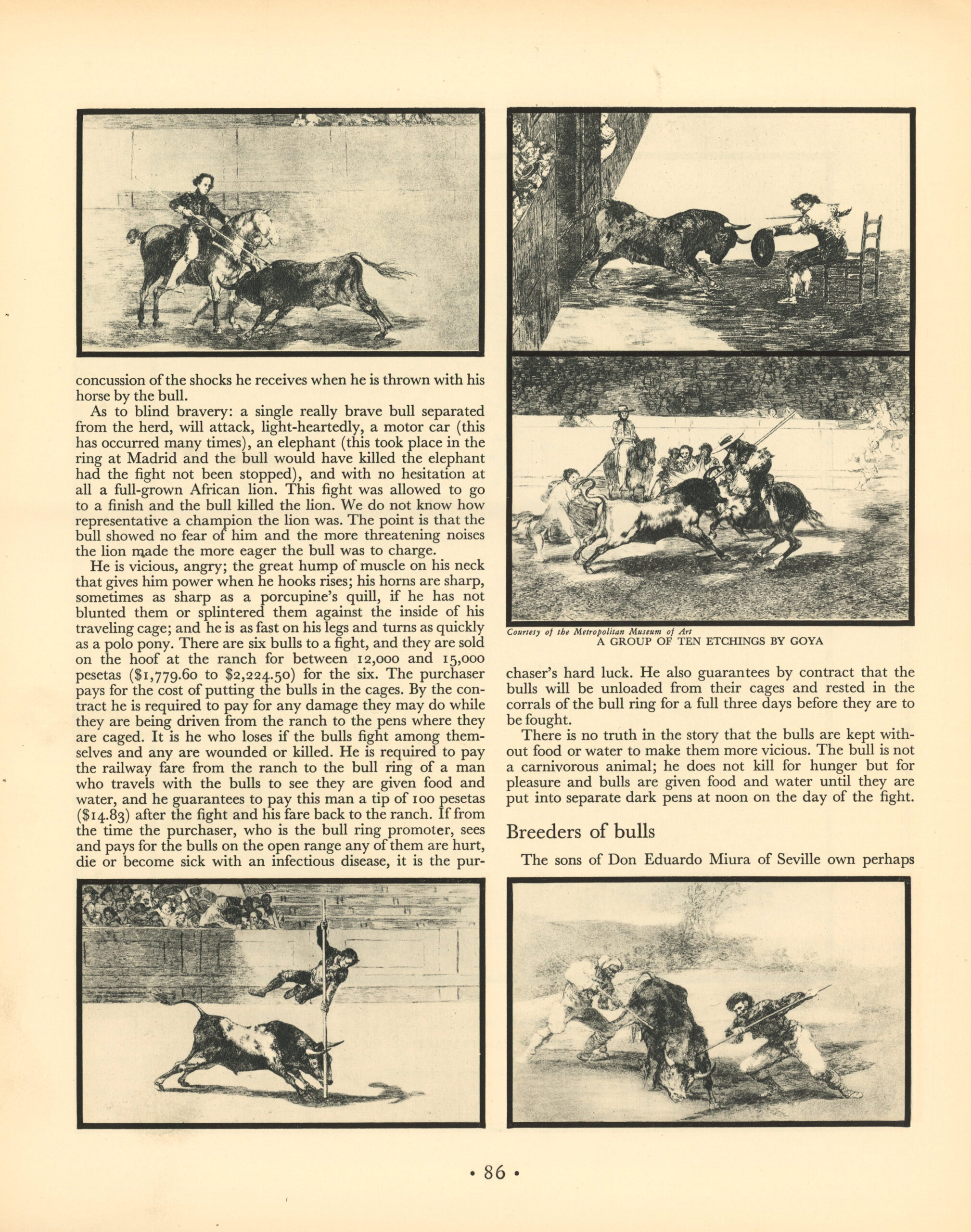
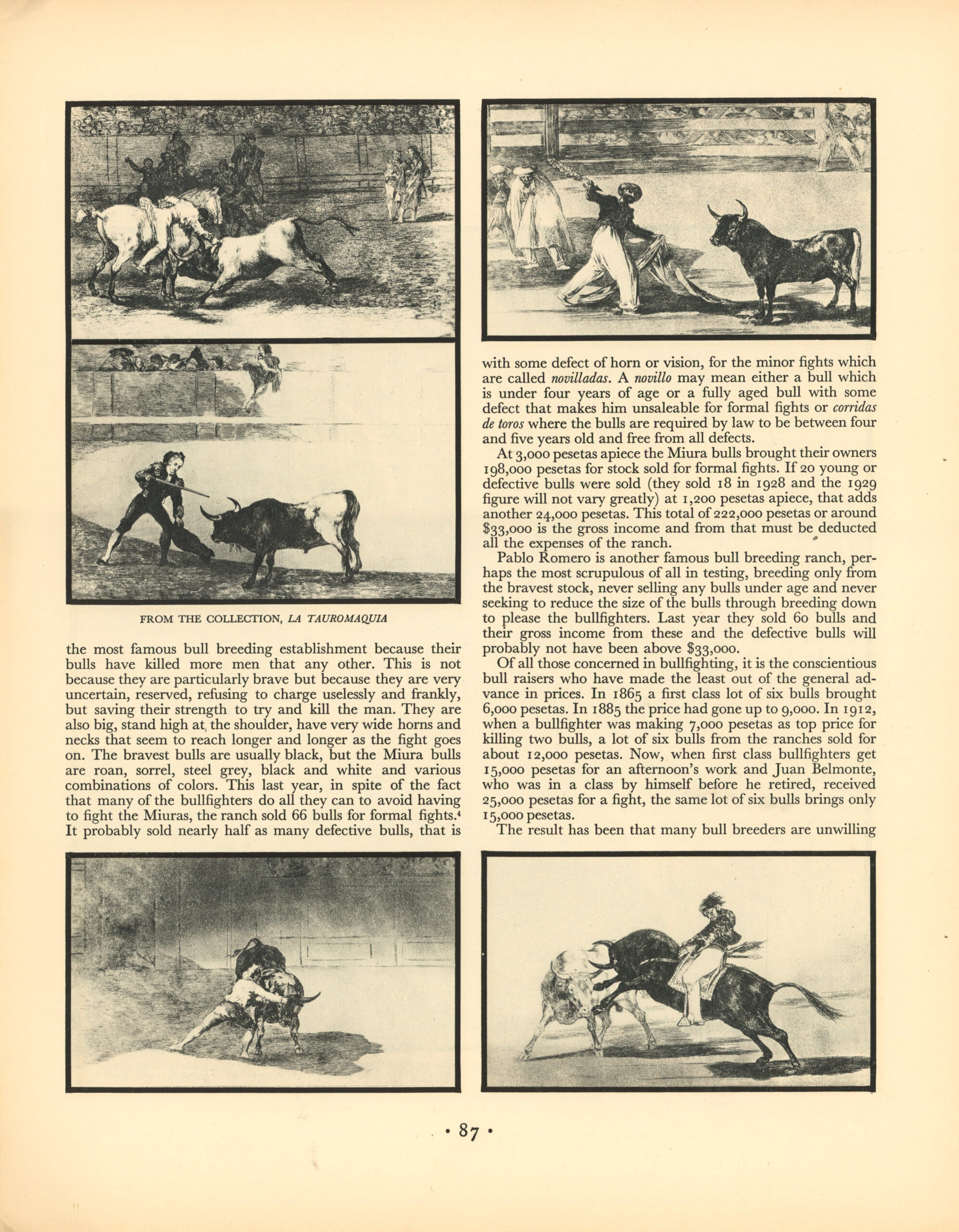
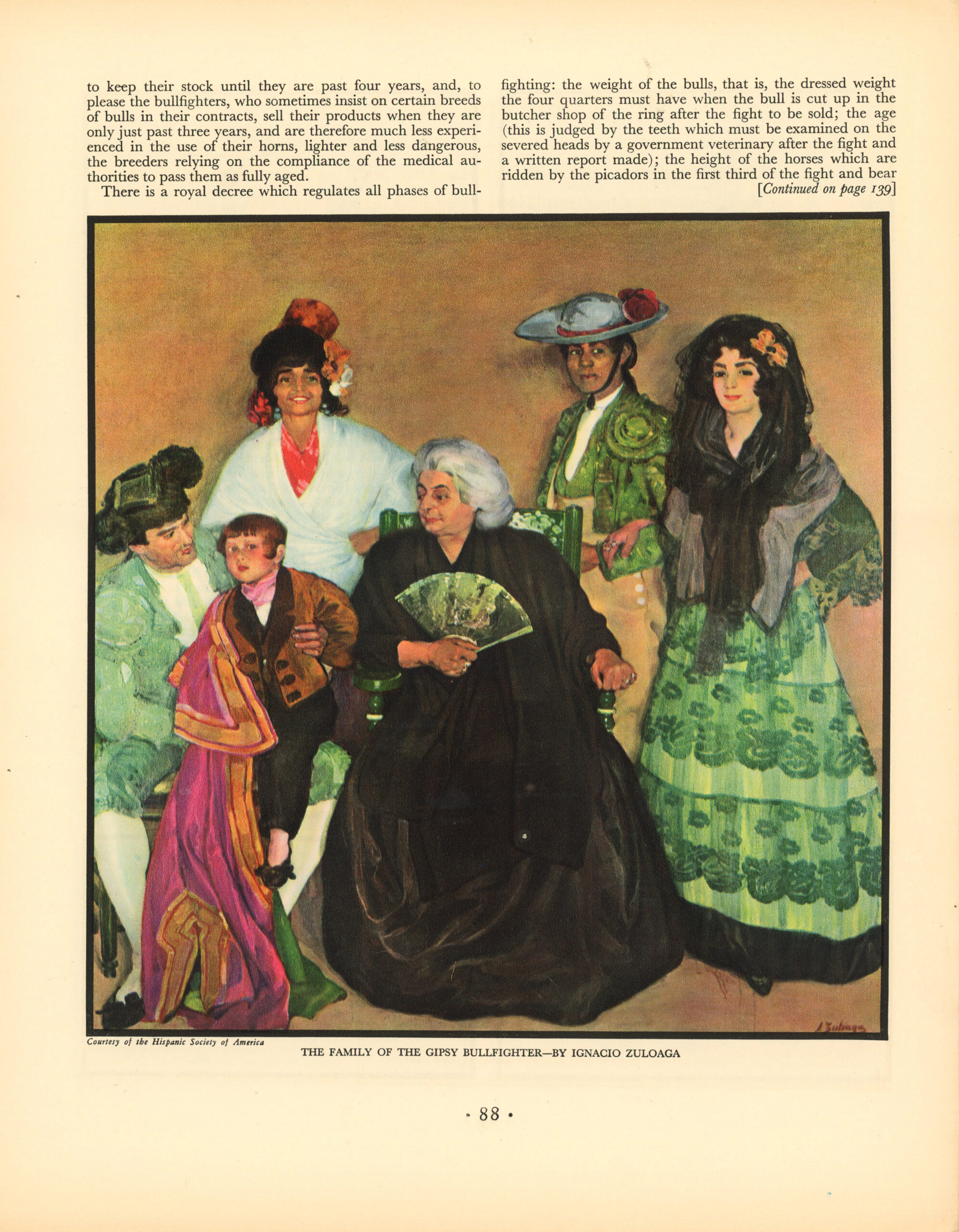
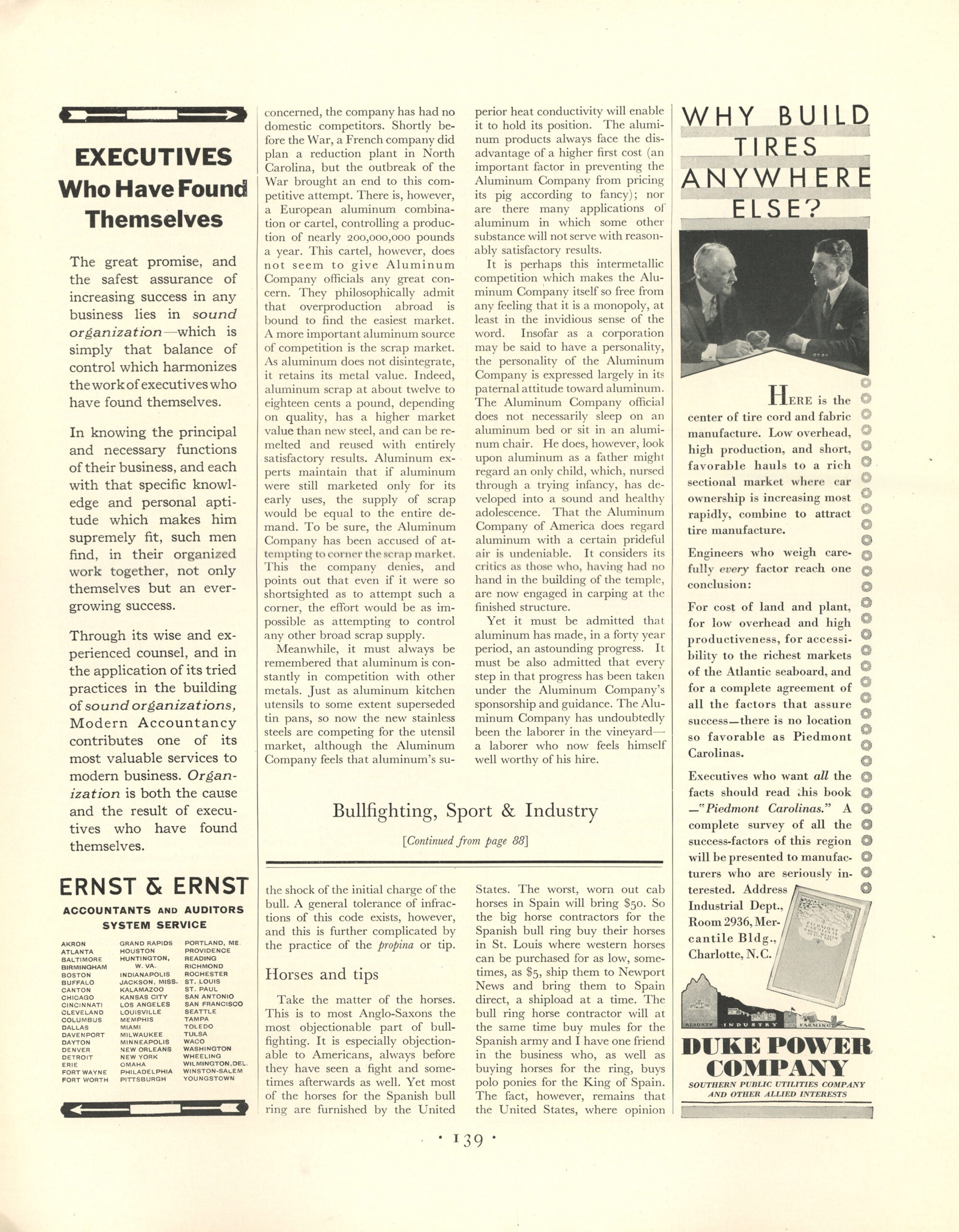
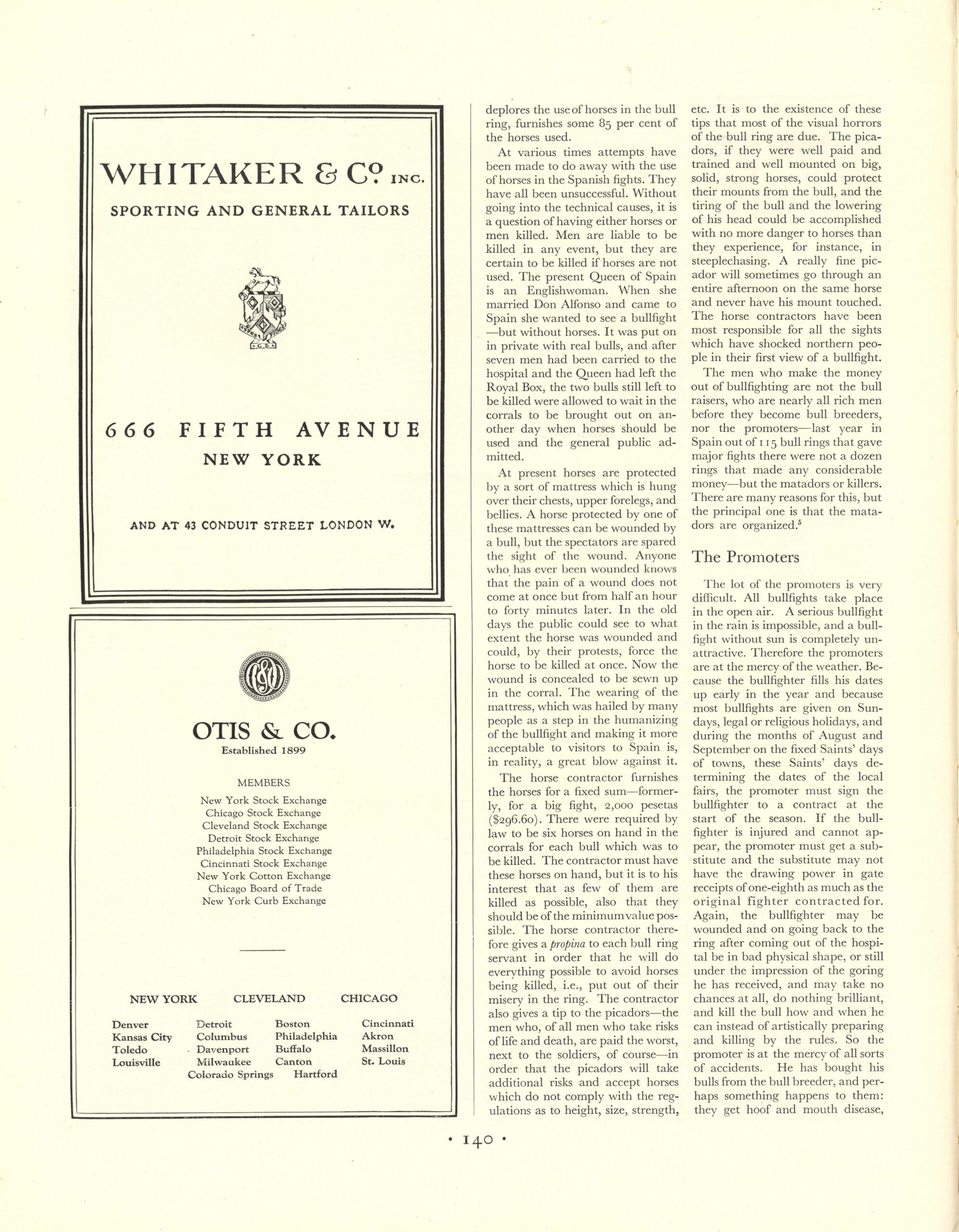
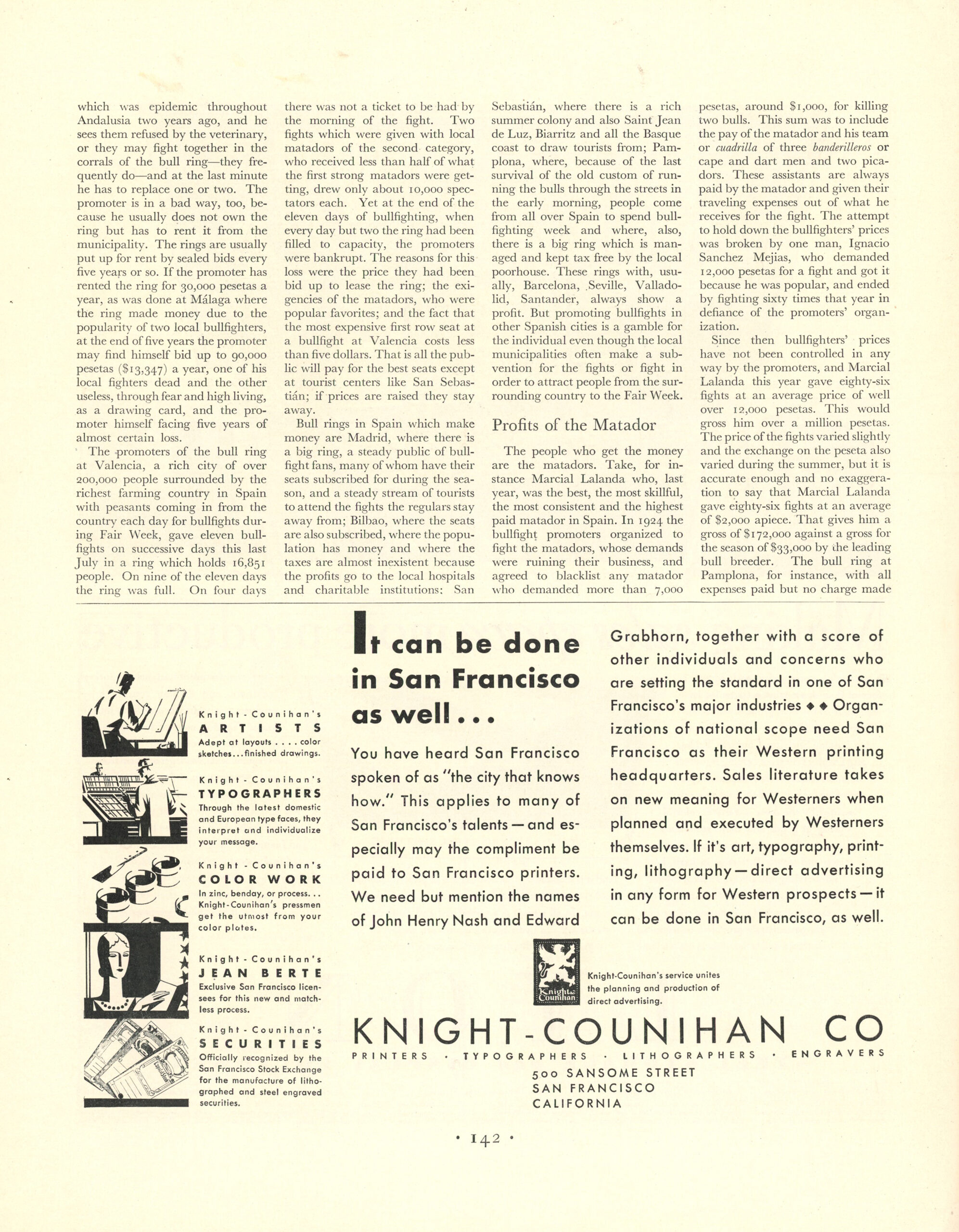
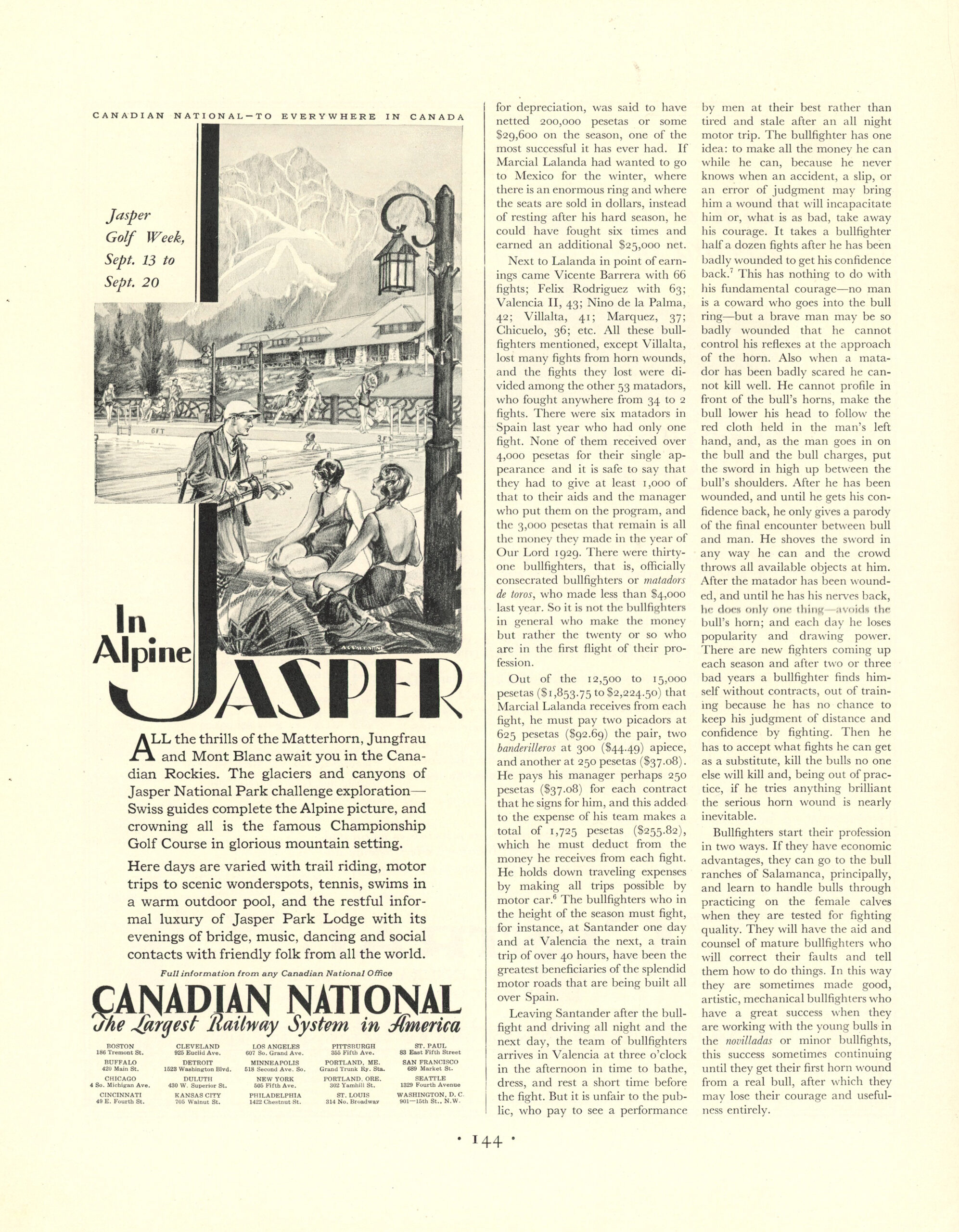
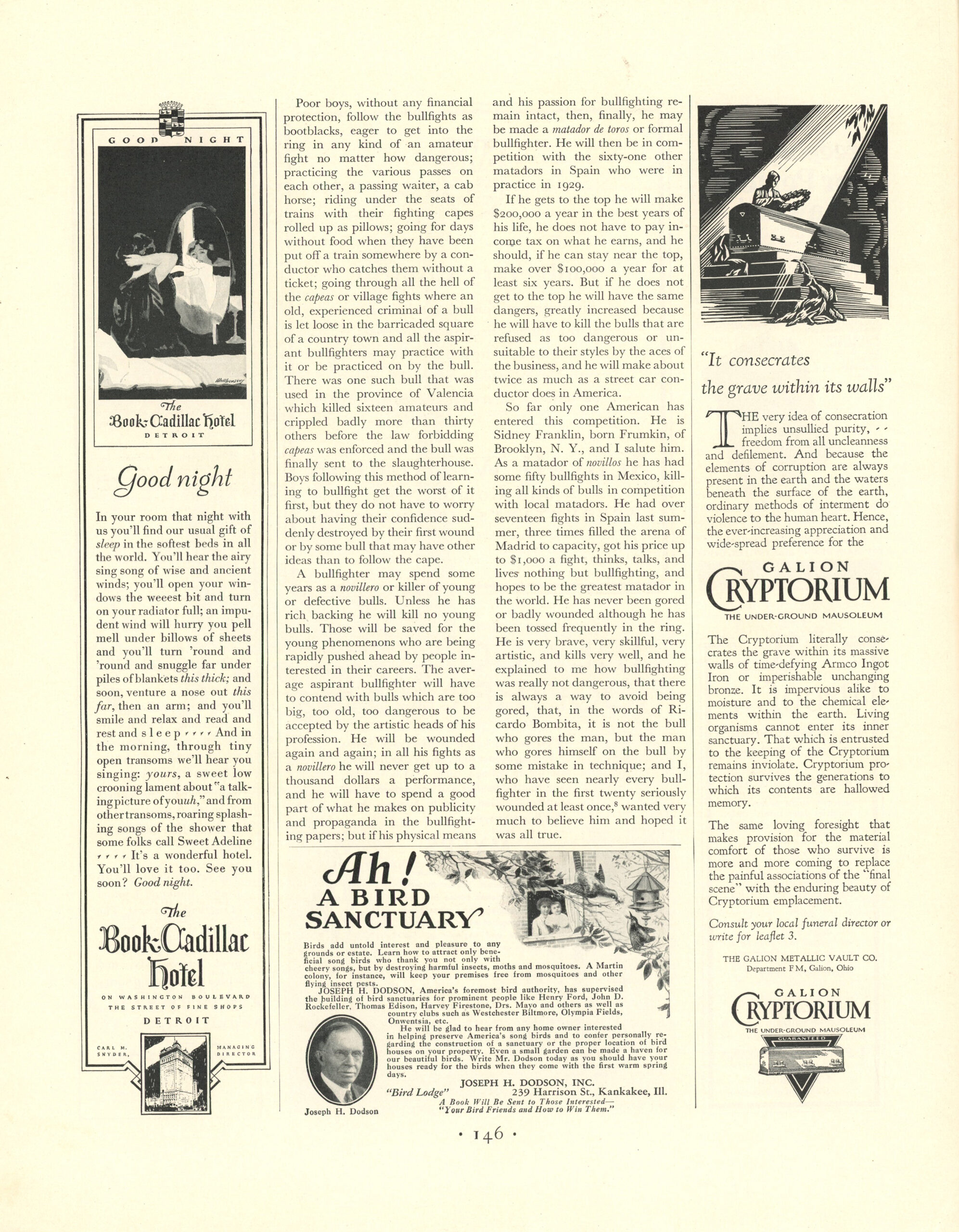
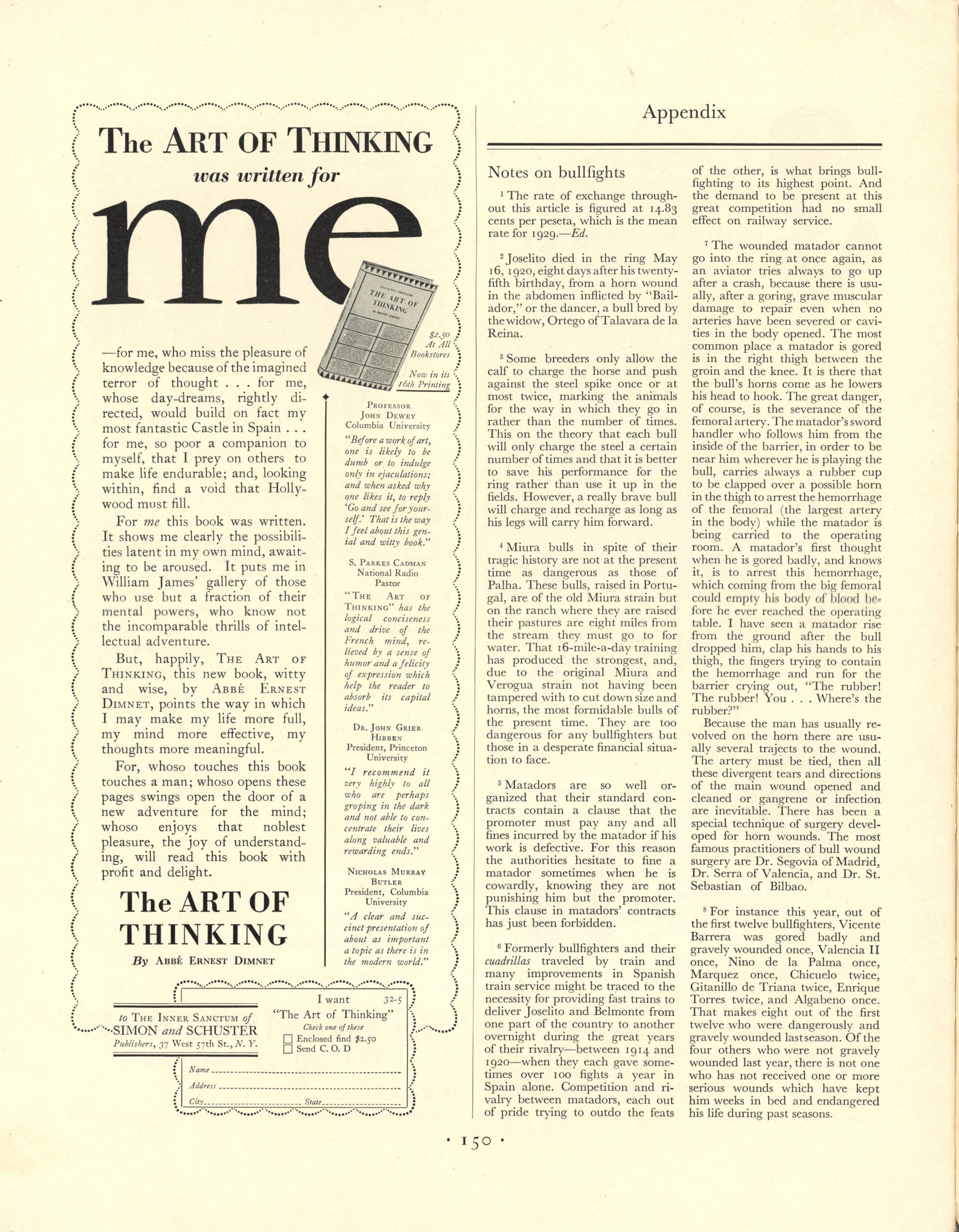
Finding Hemingway in a business magazine is surreal. It’s a reminder that Fortune wasn’t trying to be a trade publication… Luce wanted something closer to literature about capitalism.
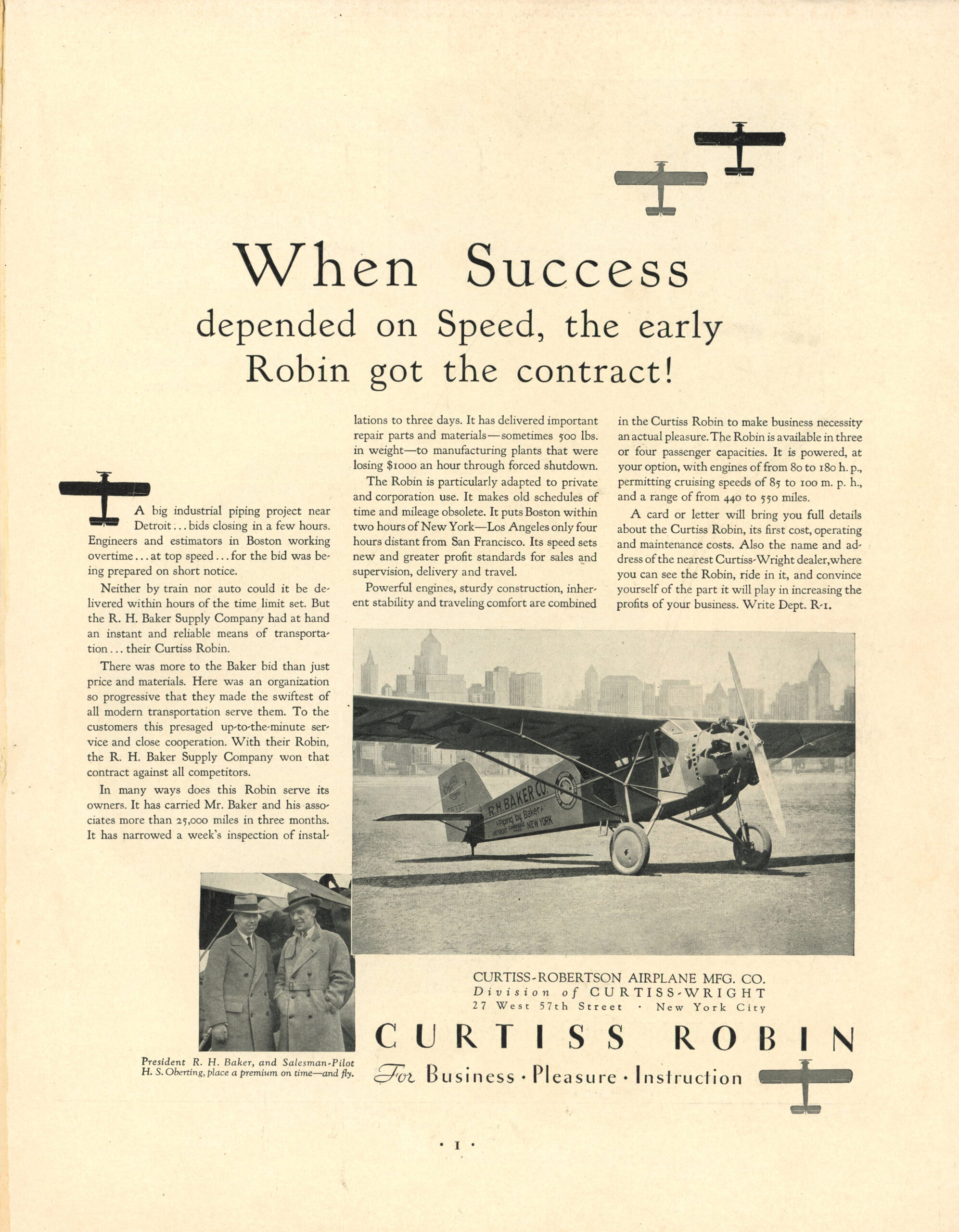
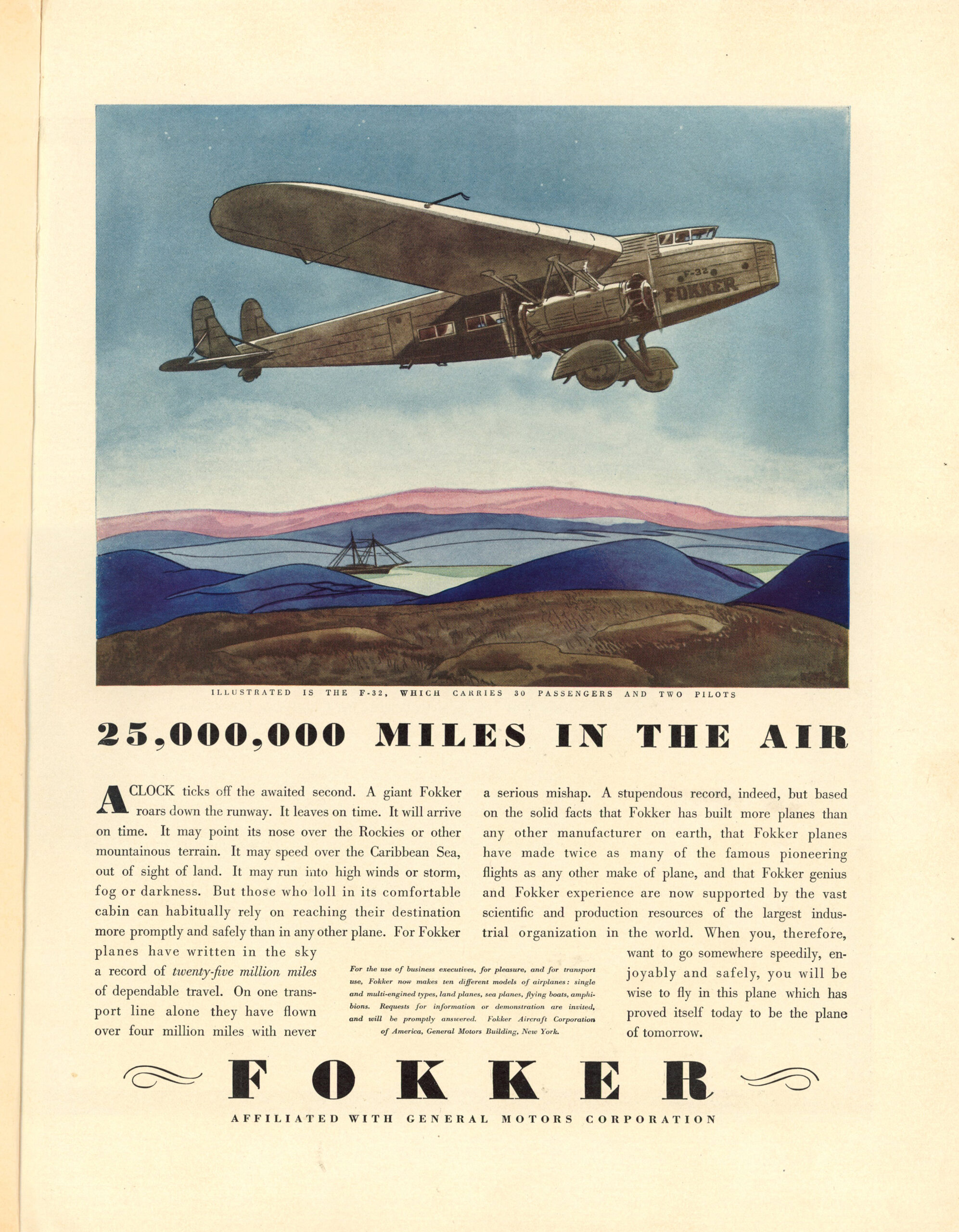
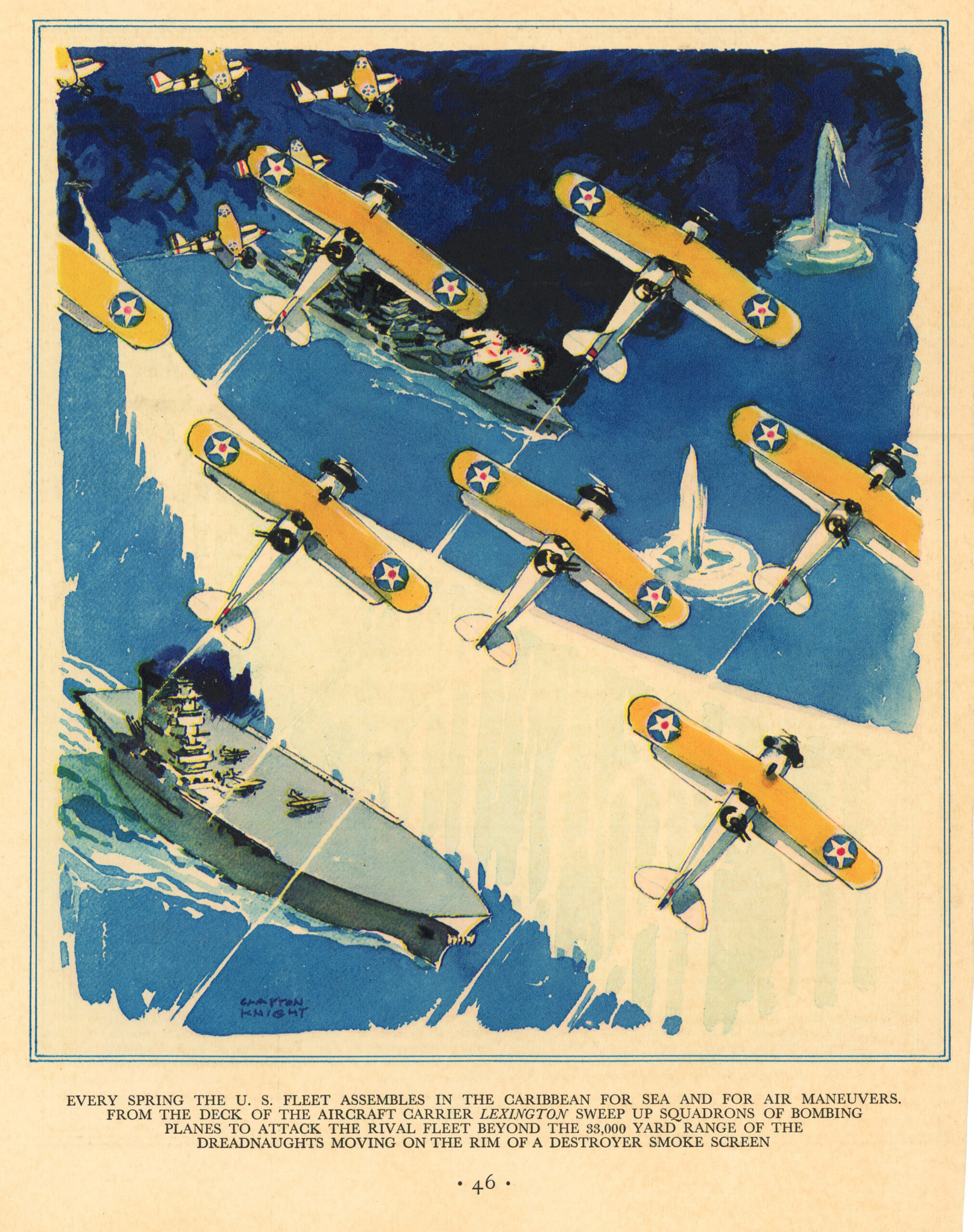
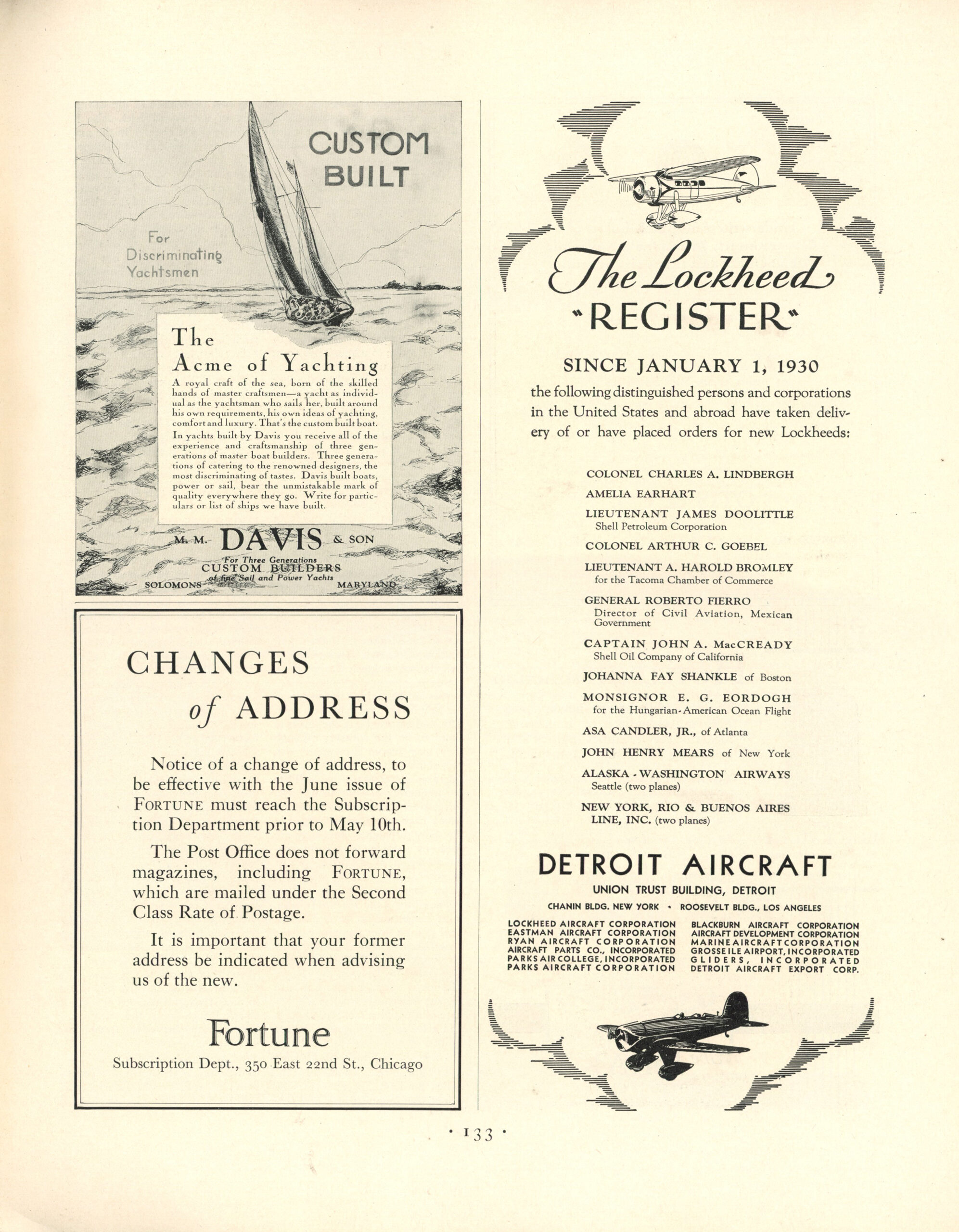
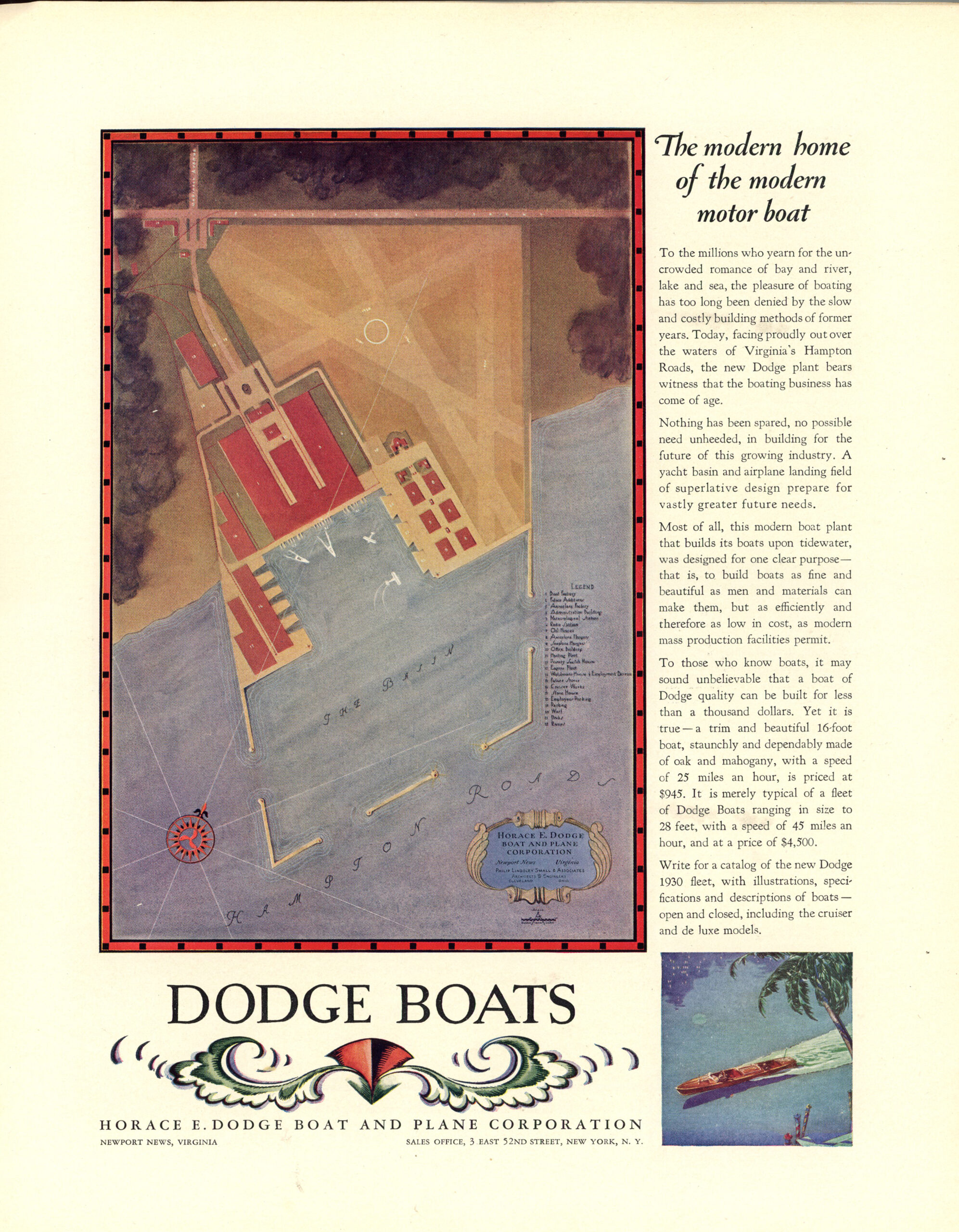
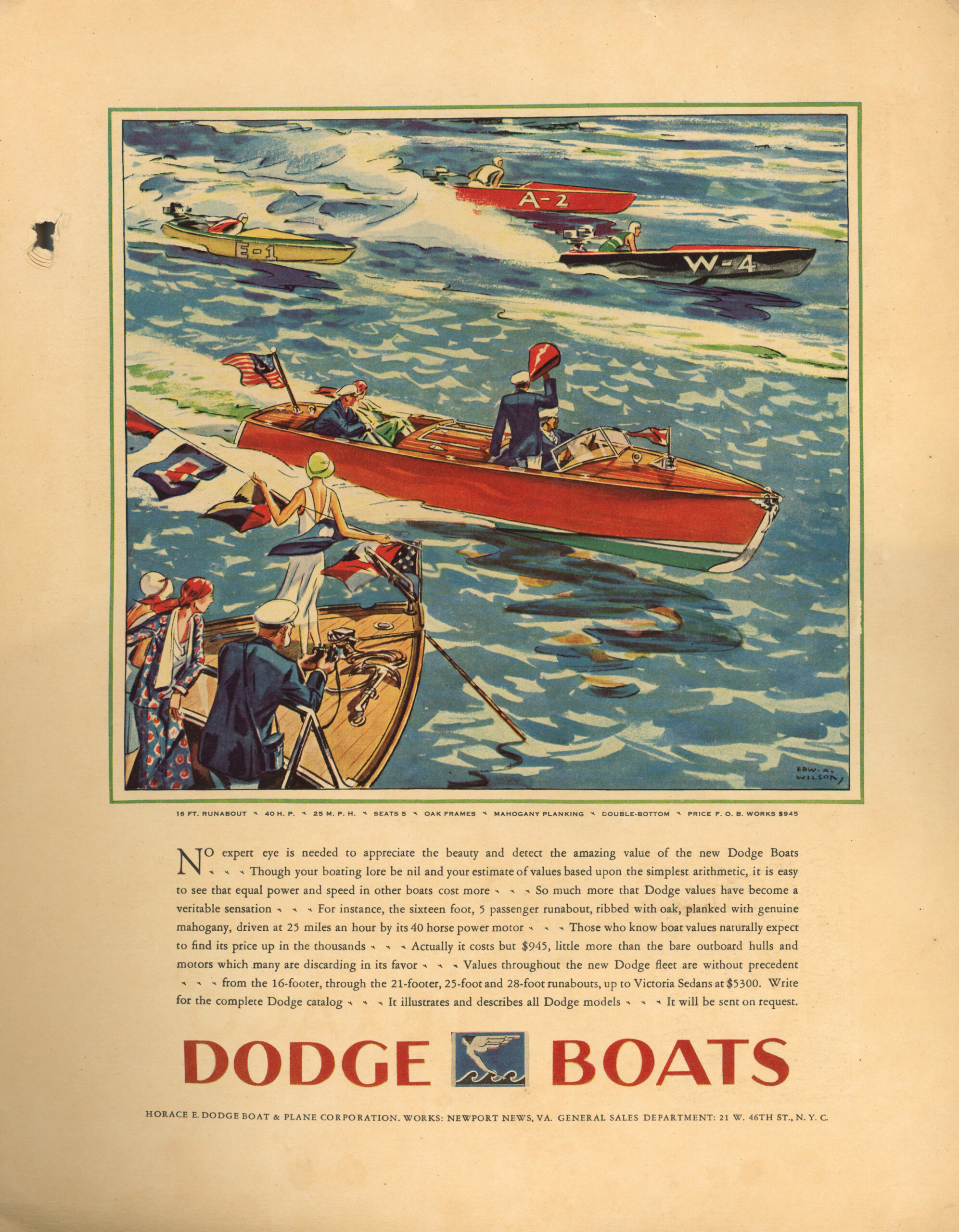
Then there are the ads. Pierce-Arrow cars show up in all three issues, positioned as the automobile of America’s finest families. The March & May issues have Coca-Cola ads. Luxury boats, planes, trains, fine clothing. The whole magazine reads like a catalog of aspirational excess. And then you turn a page and hit the Cadillac ad, which is rendered in silver and color and somehow manages to be the flashiest thing in an already very flashy publication.
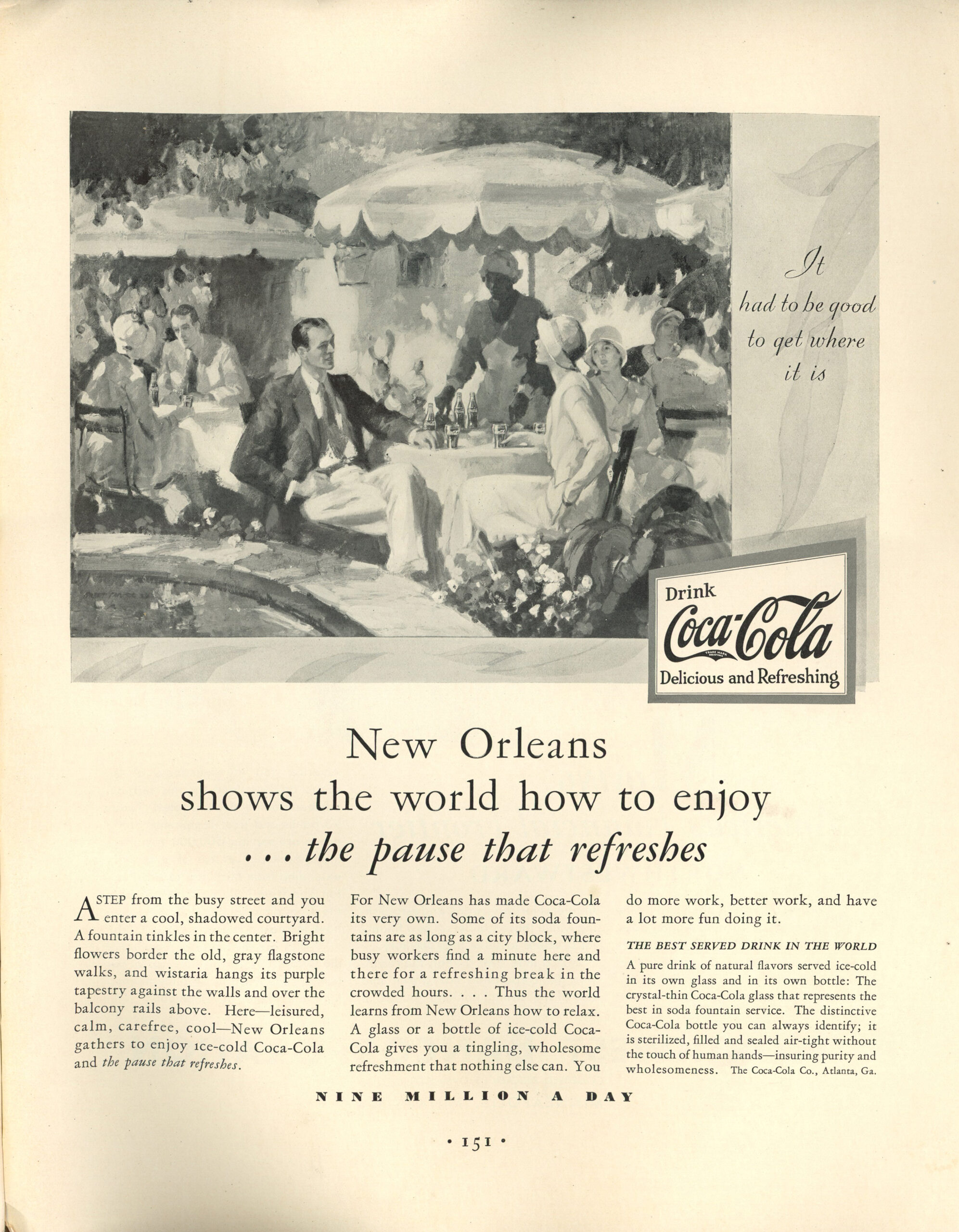
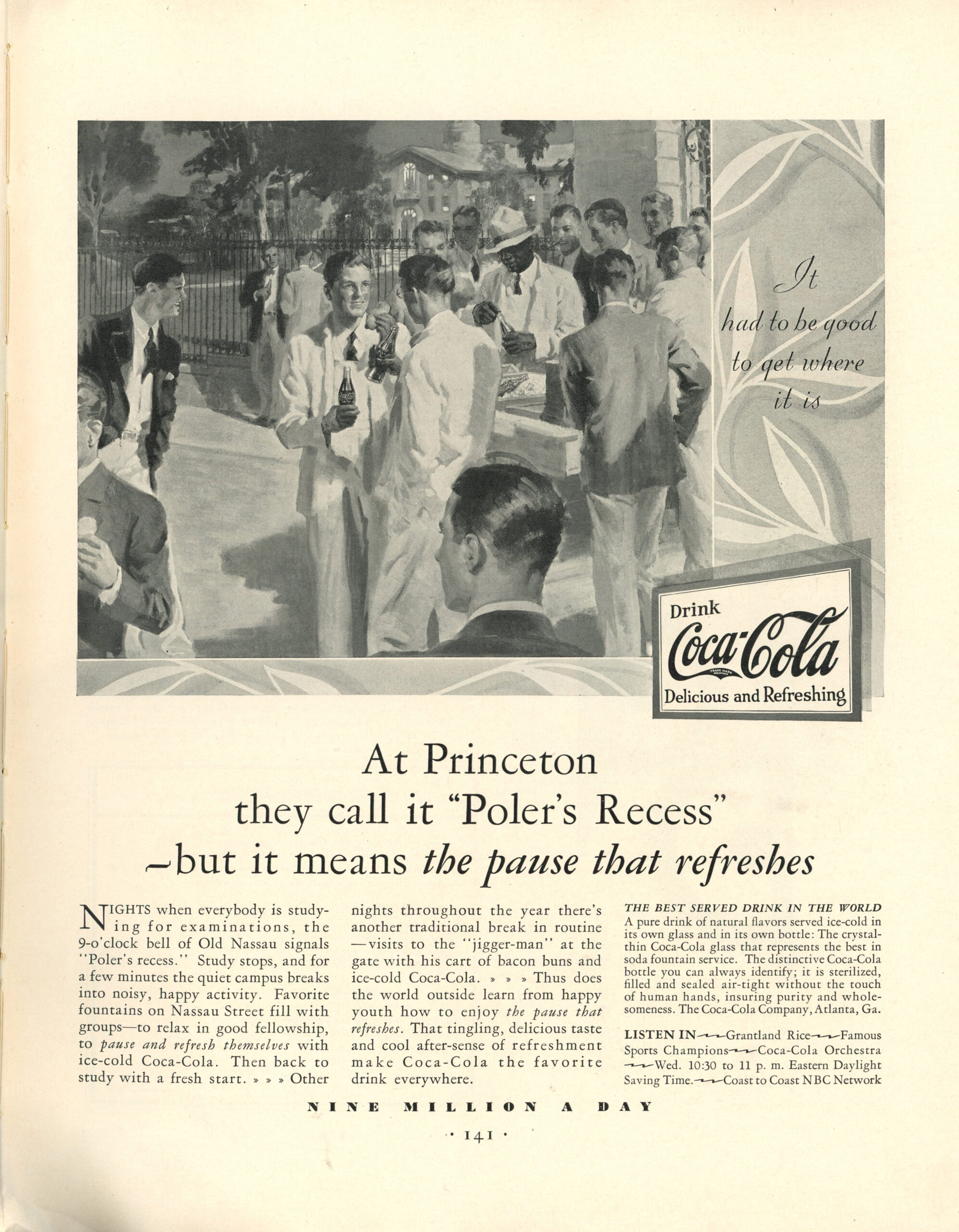
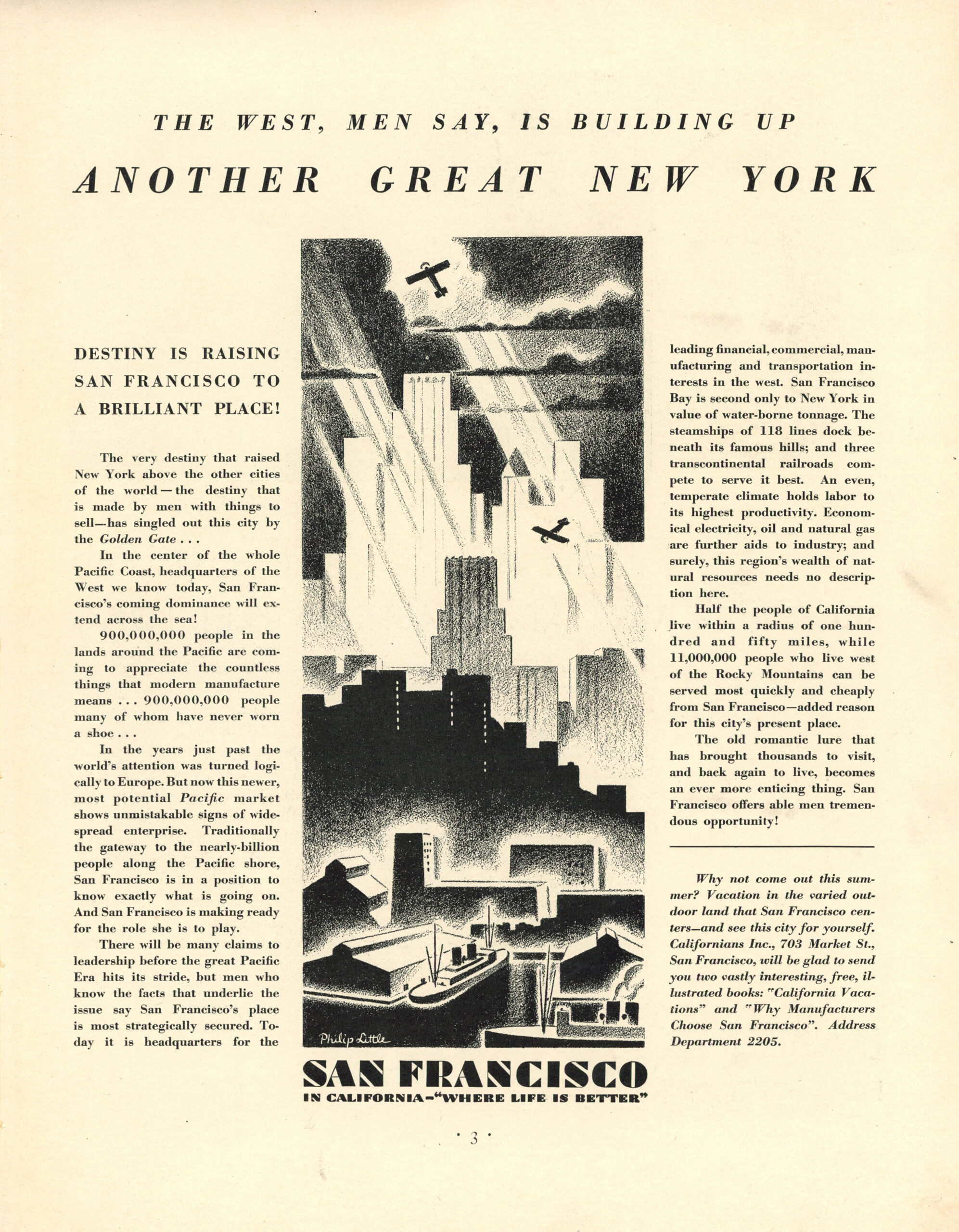
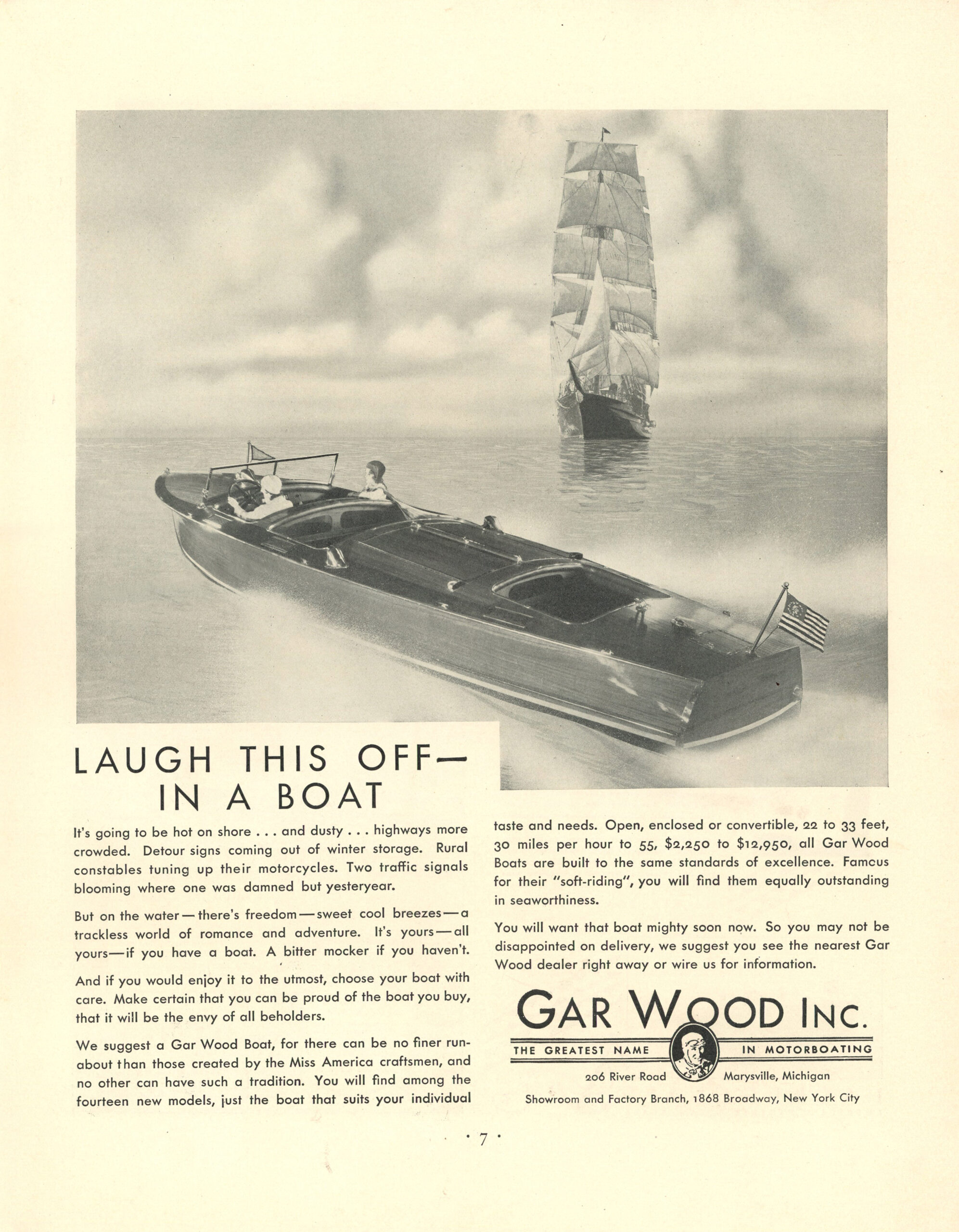
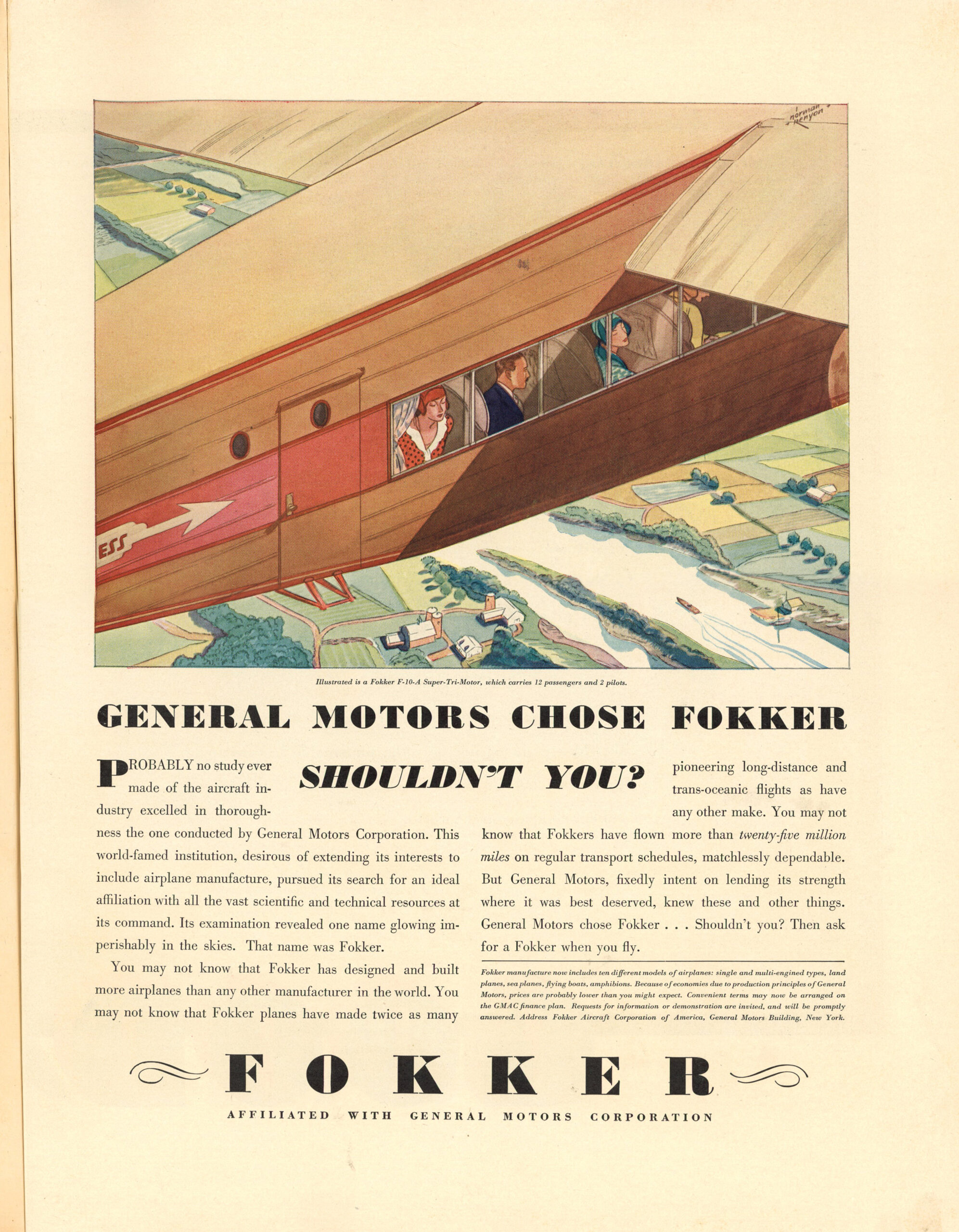
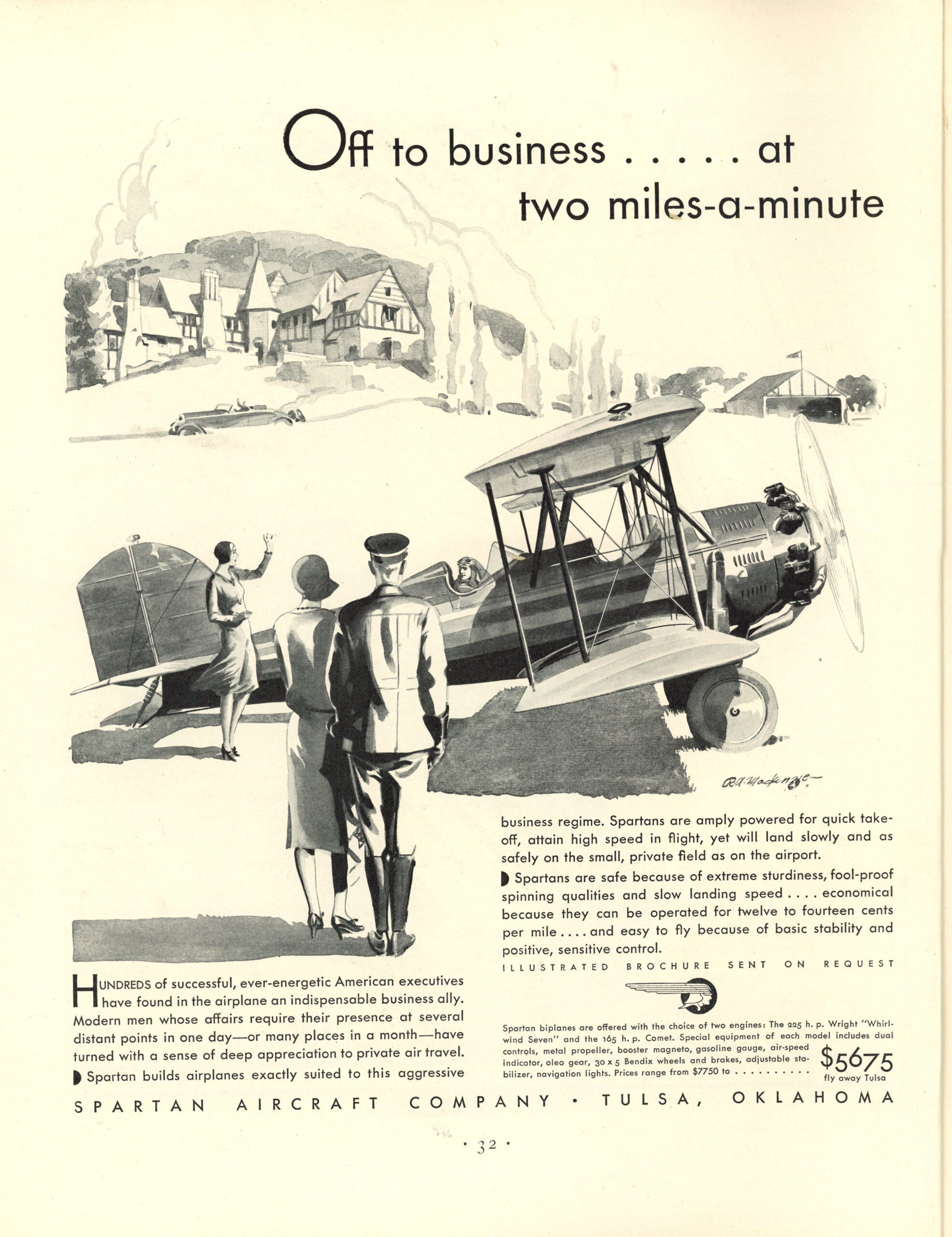
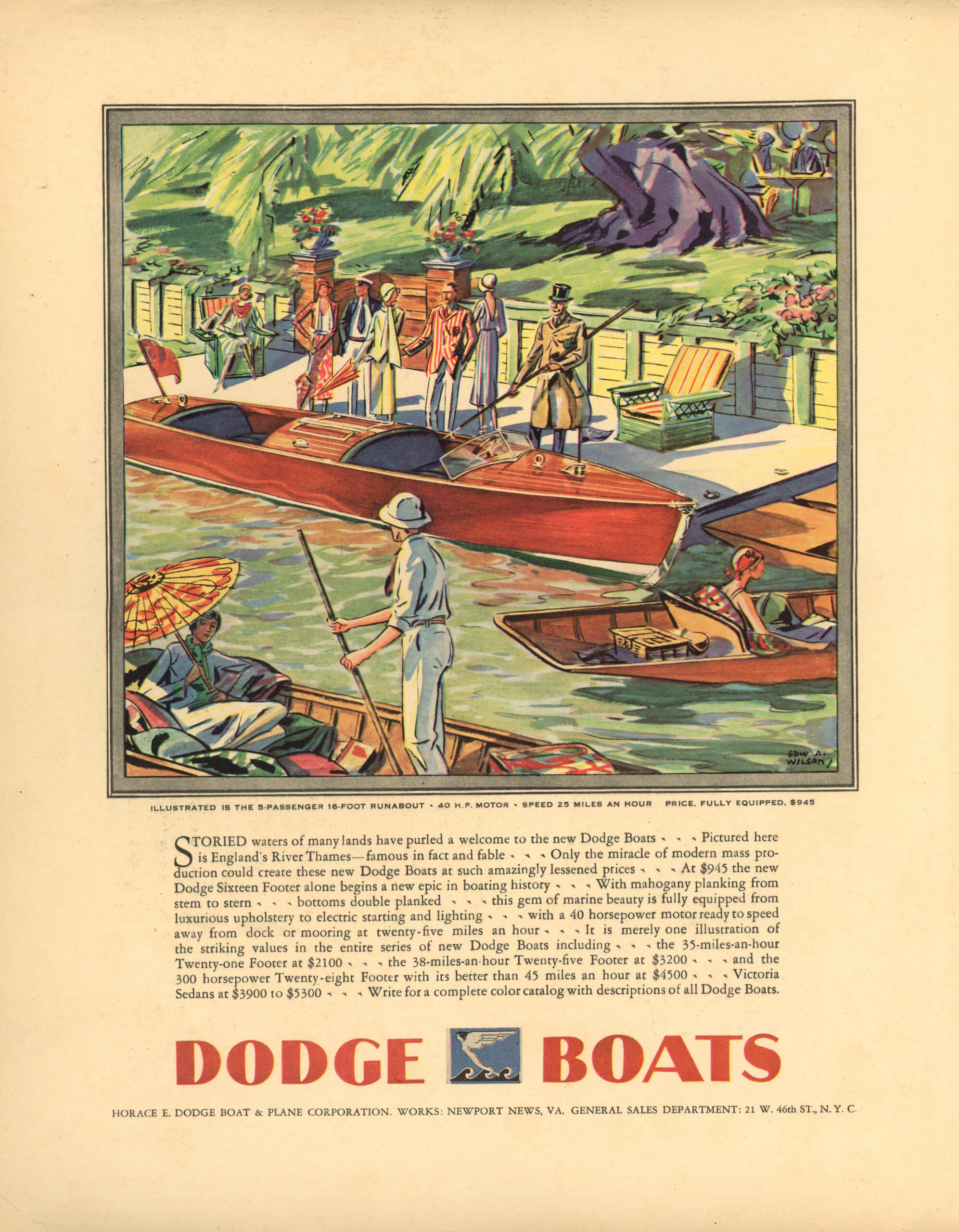
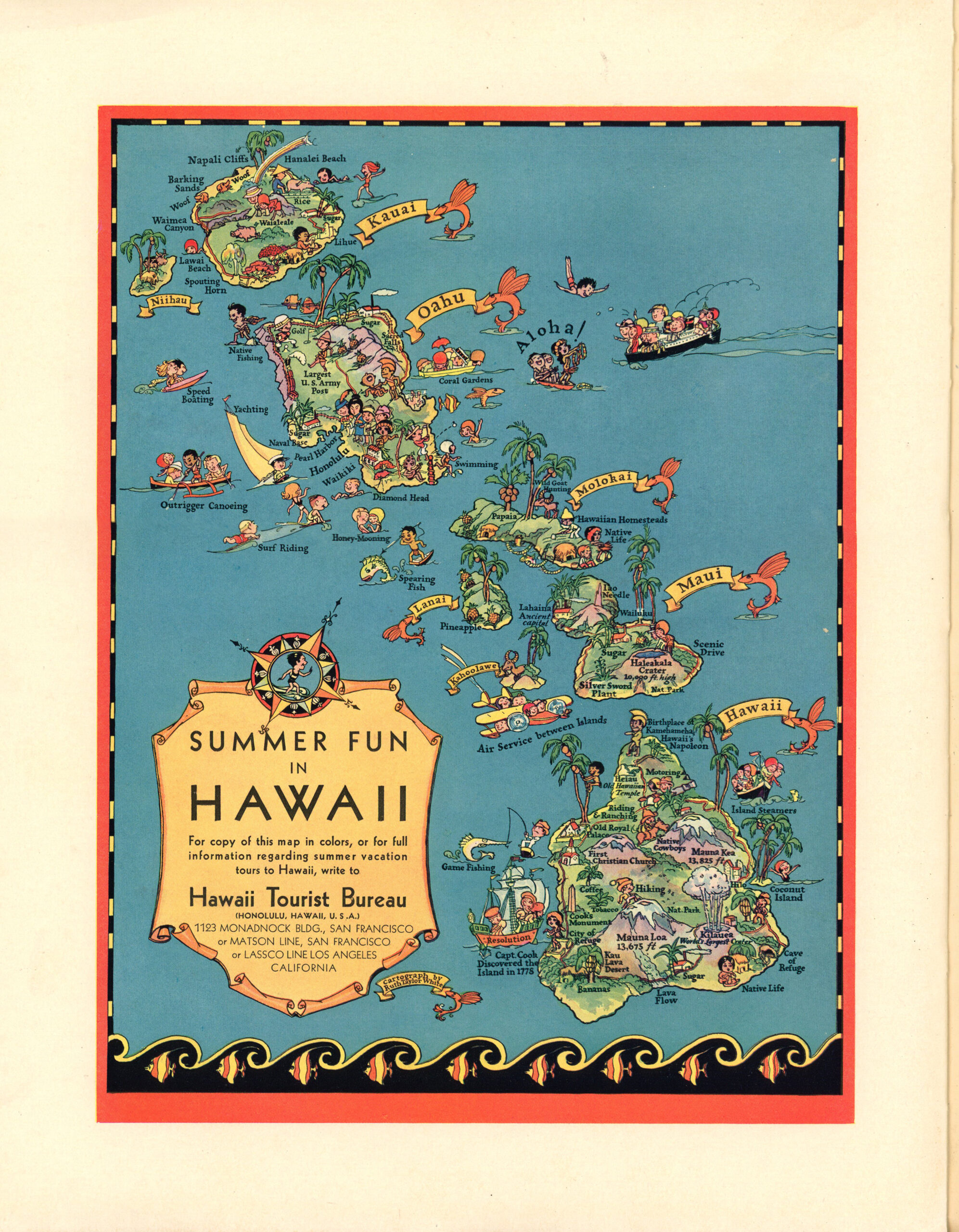
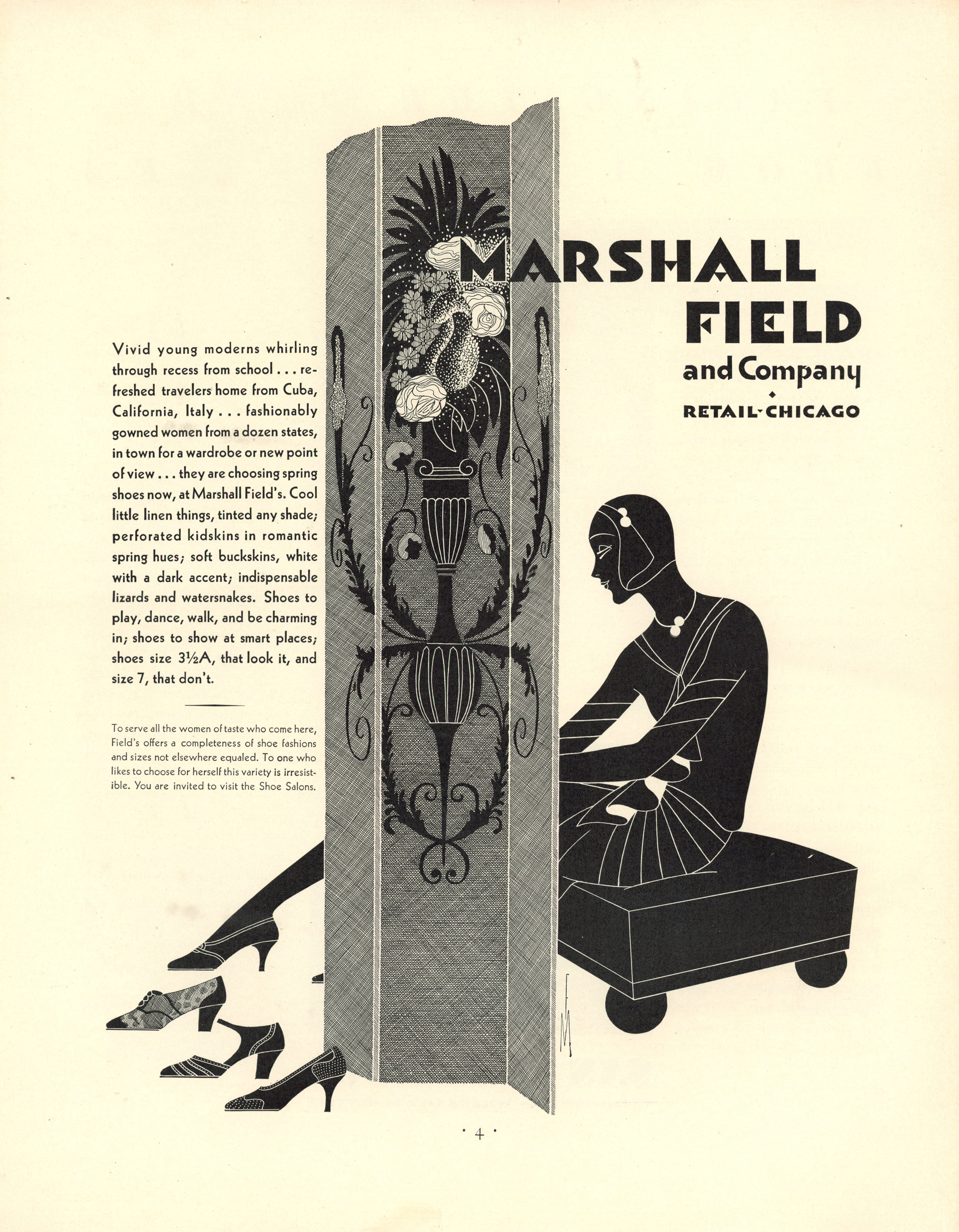
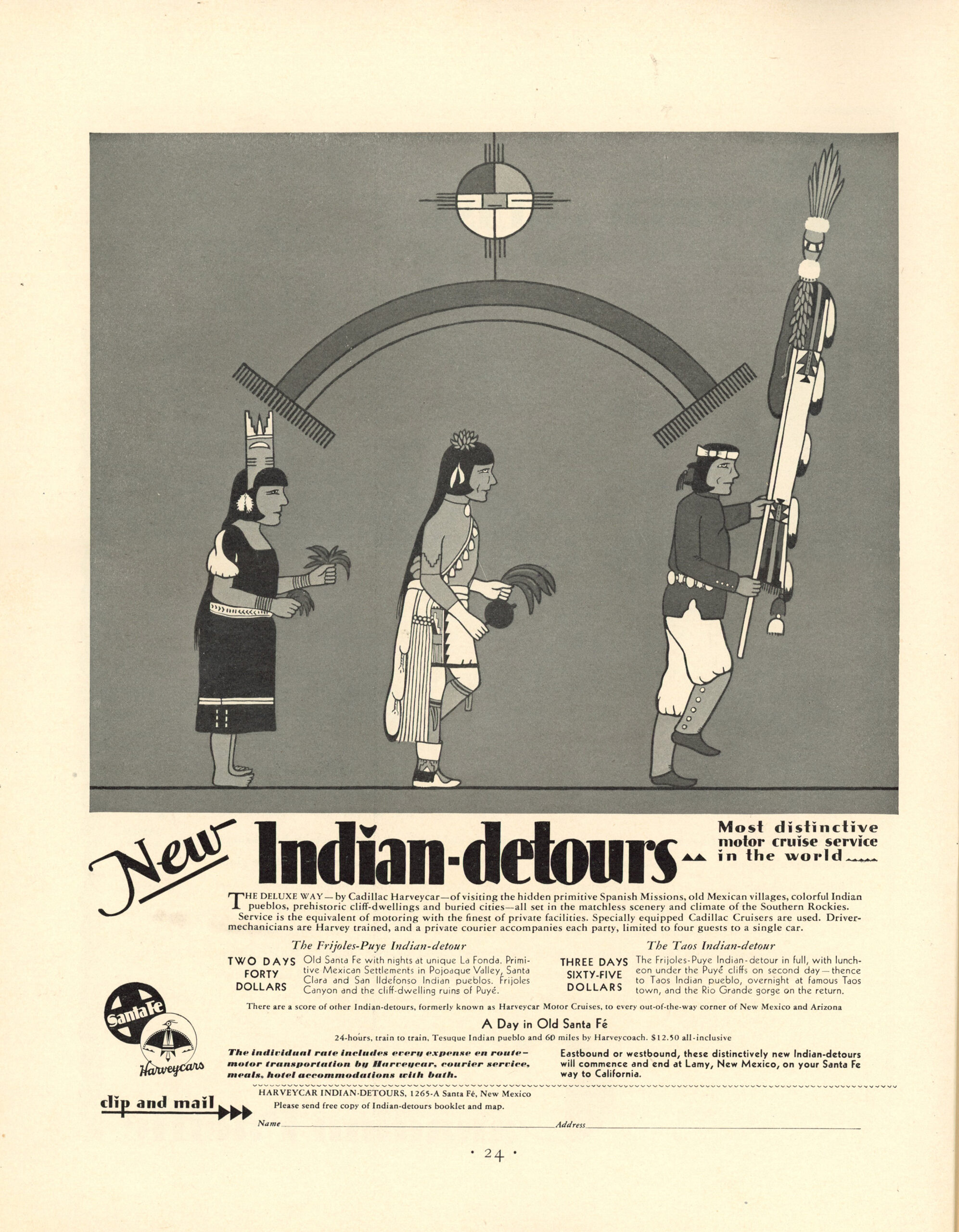
And then there are the ads that make you stop. What’s striking isn’t that these reflect the hierarchy of the time (that part is historically predictable). What’s striking is how casual it is. The illustrations are simply depicting the world exactly as advertisers assumed their readers understood it.
The Indian Detours ad sells Native American communities as exotic scenery for wealthy tourists arriving by Cadillac. The Cotton article meanwhile describes the brutal economics of sharecropping almost clinically, right alongside ads for luxury automobiles and custom-tailored suits.
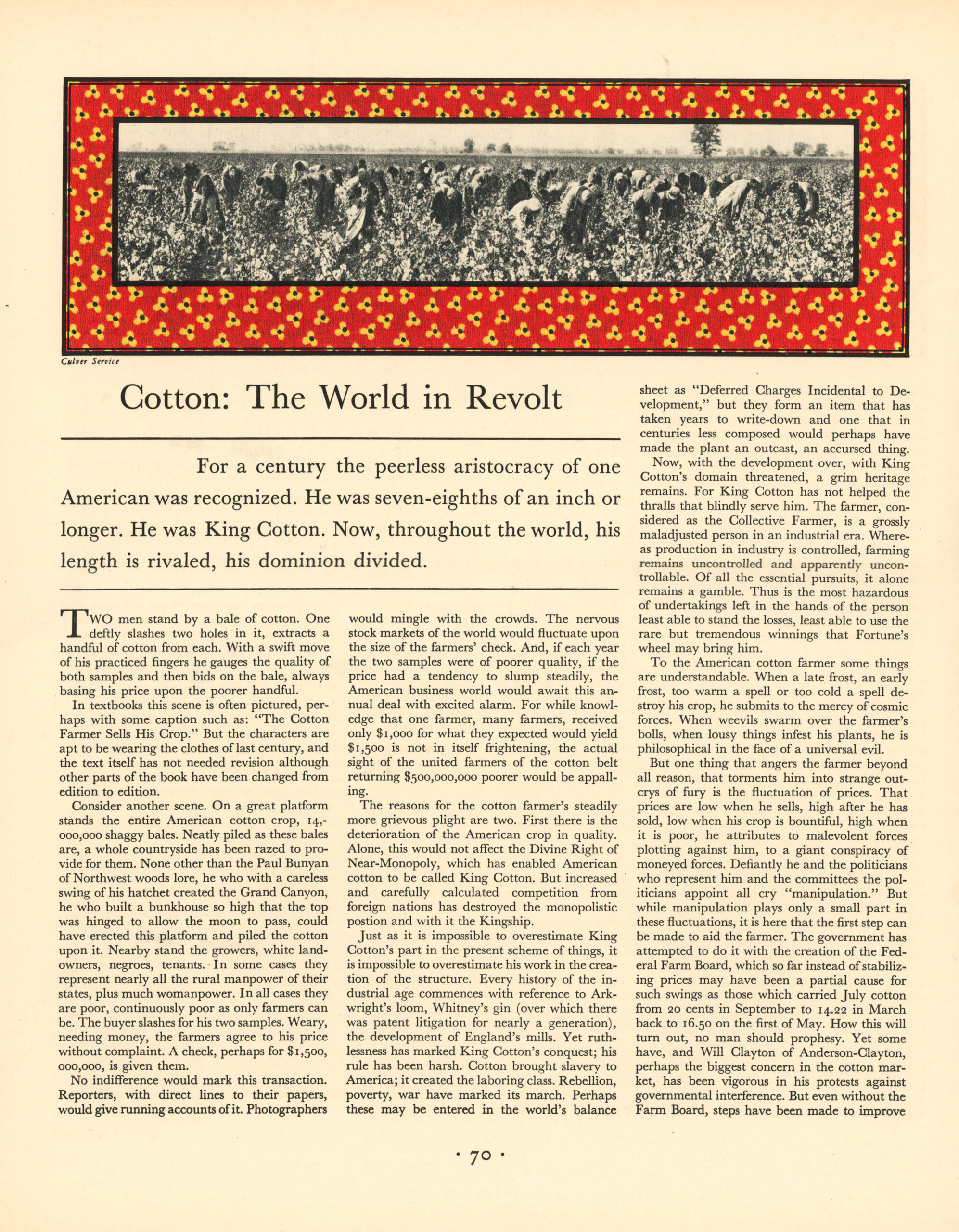
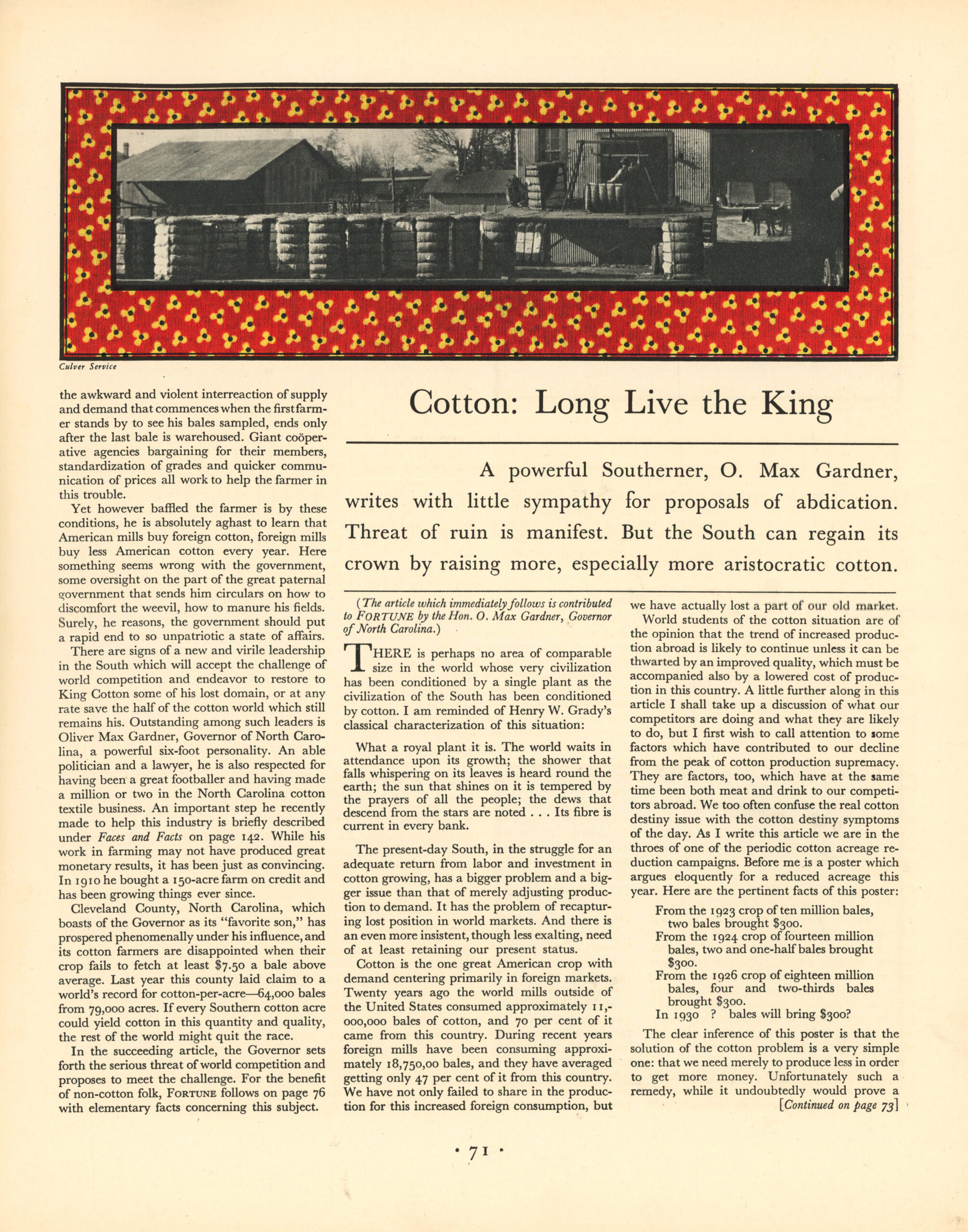
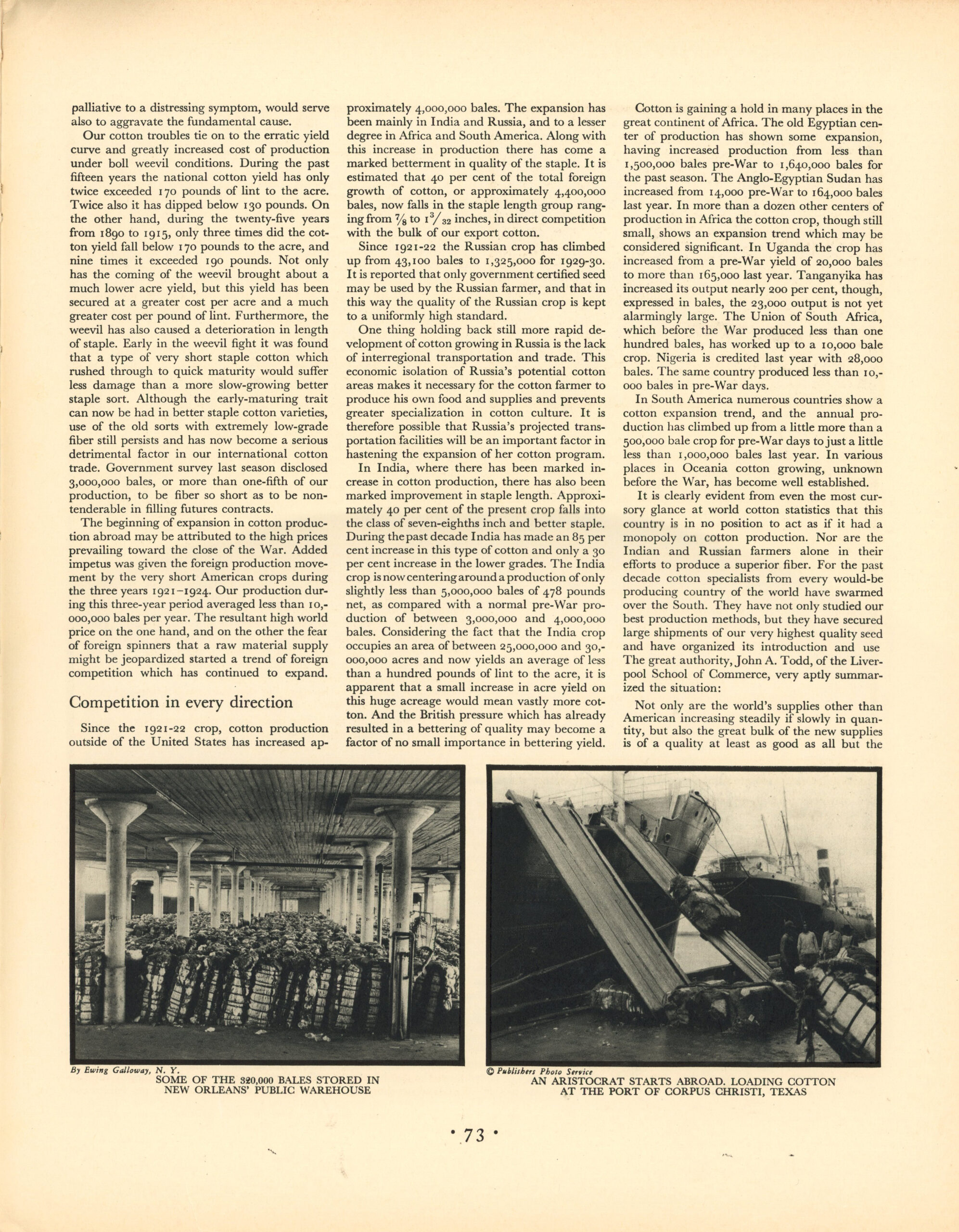
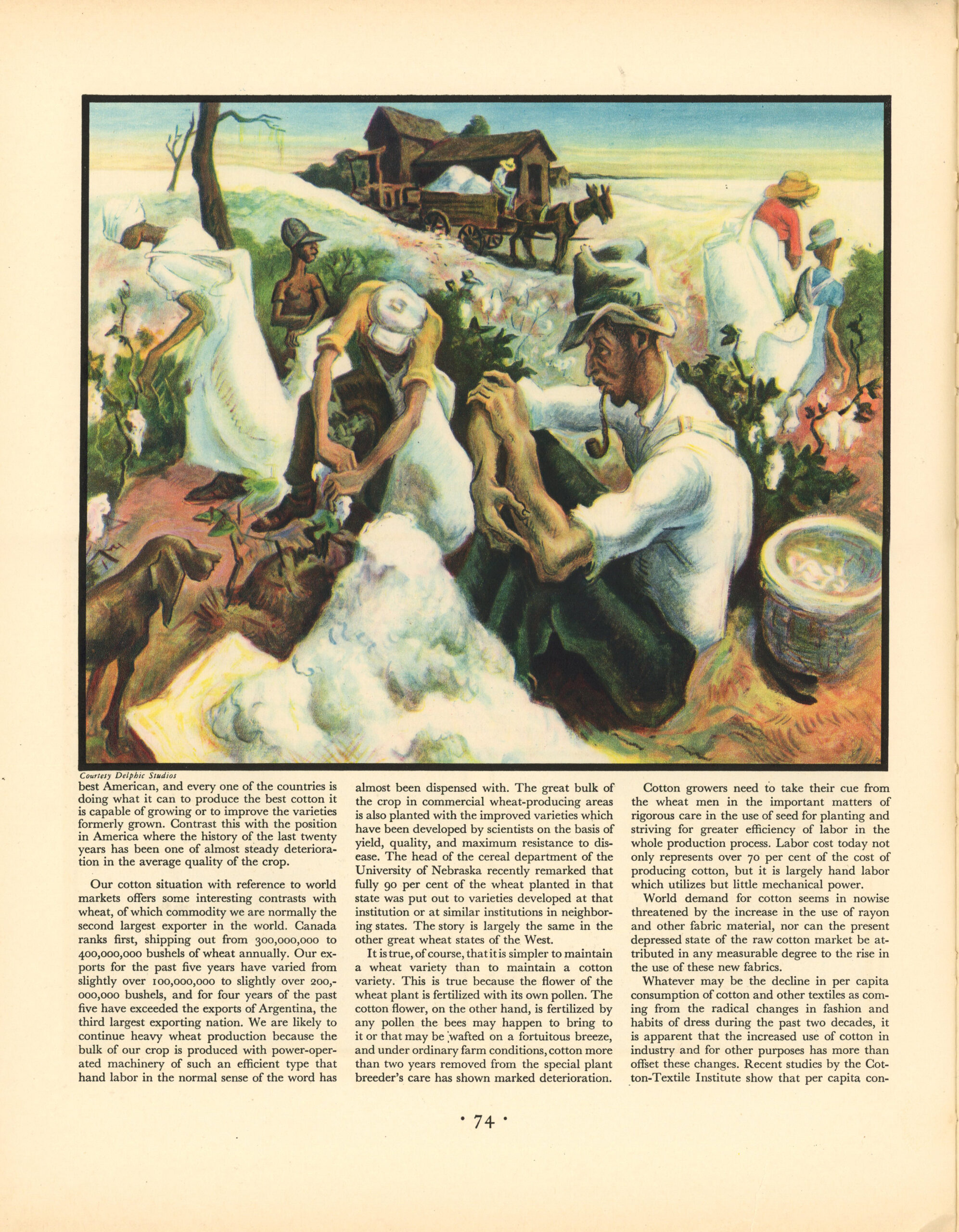
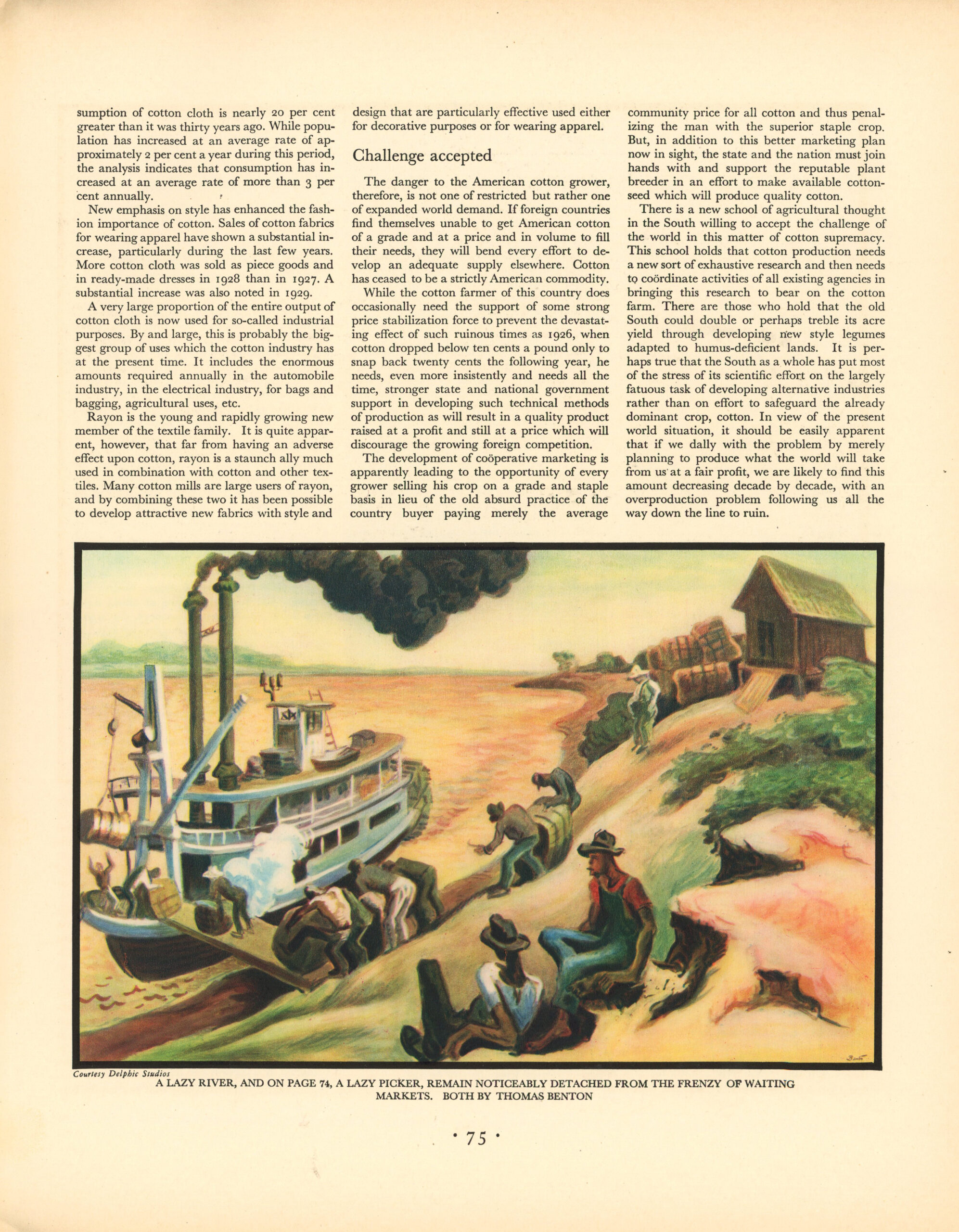
Fortune Magazine article discussing the economics of cotton production and sharecropping in the early 20th century.
They’re just so matter-of-fact. In 1930, a quarter of Americans were out of work, and Fortune was busy debating which luxury car had the finest craftsmanship. Or how the cotton industry was doing (yikes).
Why It Still Matters: The Magazine That Started in a Depression Is Still Shaping How We Think About Success
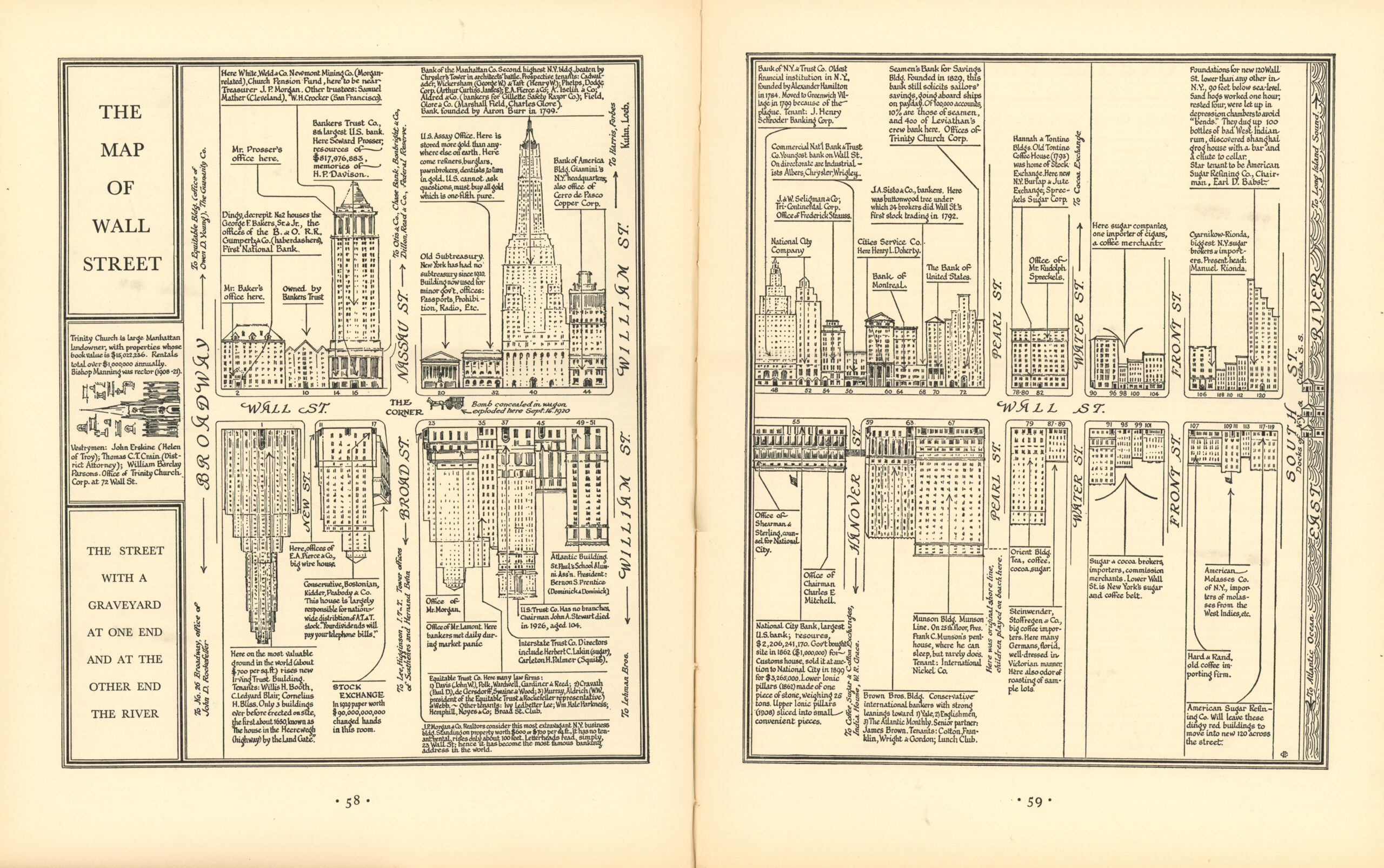
One page features a detailed map of Wall Street, labeling the banks, trusts, and financial institutions packed into just a few city blocks. It’s a visual reminder of how concentrated American financial power already was in 1930 — right as the country was entering its worst economic crisis.
Here’s what strikes me most about these three magazines. Fortune launched during an economic catastrophe, targeting the wealthiest slice of American society, and it worked. Immediately. The formula was simple: make the powerful feel seen, make the aspirational feel included, and package all of it in something so beautiful it felt like an object worth owning.
That formula didn’t go away. Fortune is still one of the most influential business publications in the world. You almost certainly interact with their work without realizing it. The Fortune 500. The Fortune Global 500. The 40 Under 40. Most Powerful Women. 100 Best Companies to Work For. Best Workplaces for Diversity. These lists shape how we think about success, power, and which companies deserve our admiration and our money. They started publishing from a magazine that cost $1 in 1930 and was explicitly designed to be unaffordable to most people. (Fortune’s 95th anniversary)
The Great Depression forced a reckoning with who the economy was actually built to serve. Fortune’s response was to double down on prestige and exclusivity while the country fell apart around it. The playbook for how media serves power during a crisis didn’t start with cable news or social media. It started somewhere much older. Reading these magazines today, during a period when wealth inequality is at levels not seen since the 1920s, that question feels less like history and more like current events.
What’s changed is who gets to push back. Fortune’s writers in the 1930s (Hemingway, Archibald MacLeish, James Agee) were quietly using the magazine’s platform to ask uncomfortable questions about capitalism and power even from inside the institution. That tension between the money behind a publication and the people doing the actual writing is one that every media outlet is still navigating.
What I Keep Thinking About
What stays with me is the overall picture. A magazine born at the worst possible economic moment, designed from day one to serve the people who were doing just fine while everyone else was struggling. And yet it produced some genuinely remarkable journalism, hired writers who pushed back against the very class it was courting, and built lists and frameworks that still define how we measure success today.
That’s just how influence works. It’s complicated and contains multitudes.
If you’ve come across old magazines, newspapers, or advertisements from this era, I’d love to know what you found. These three issues sent me down a rabbit hole I’m still climbing out of.
Fortune Magazine 1930's Ads & Articles
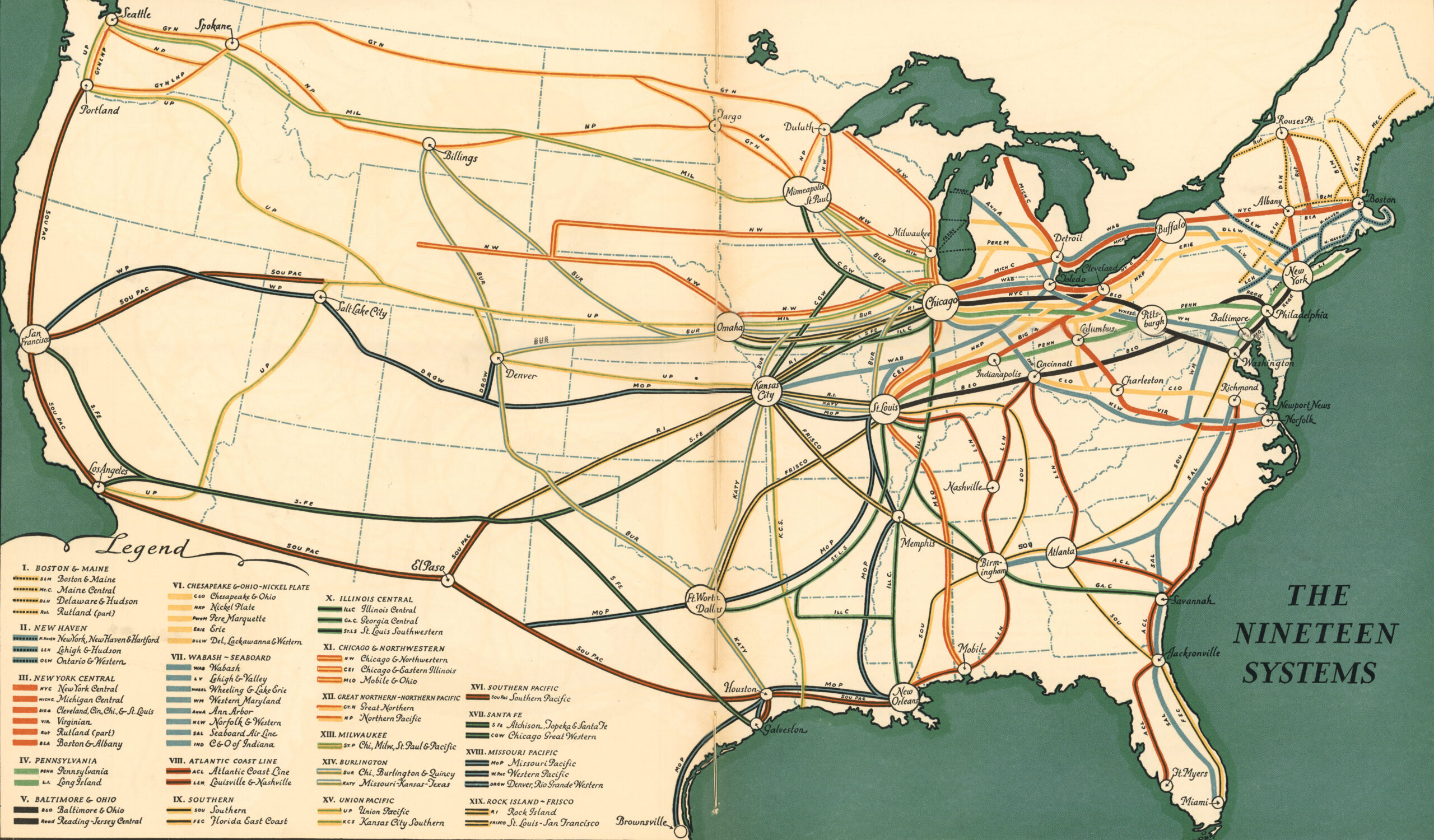
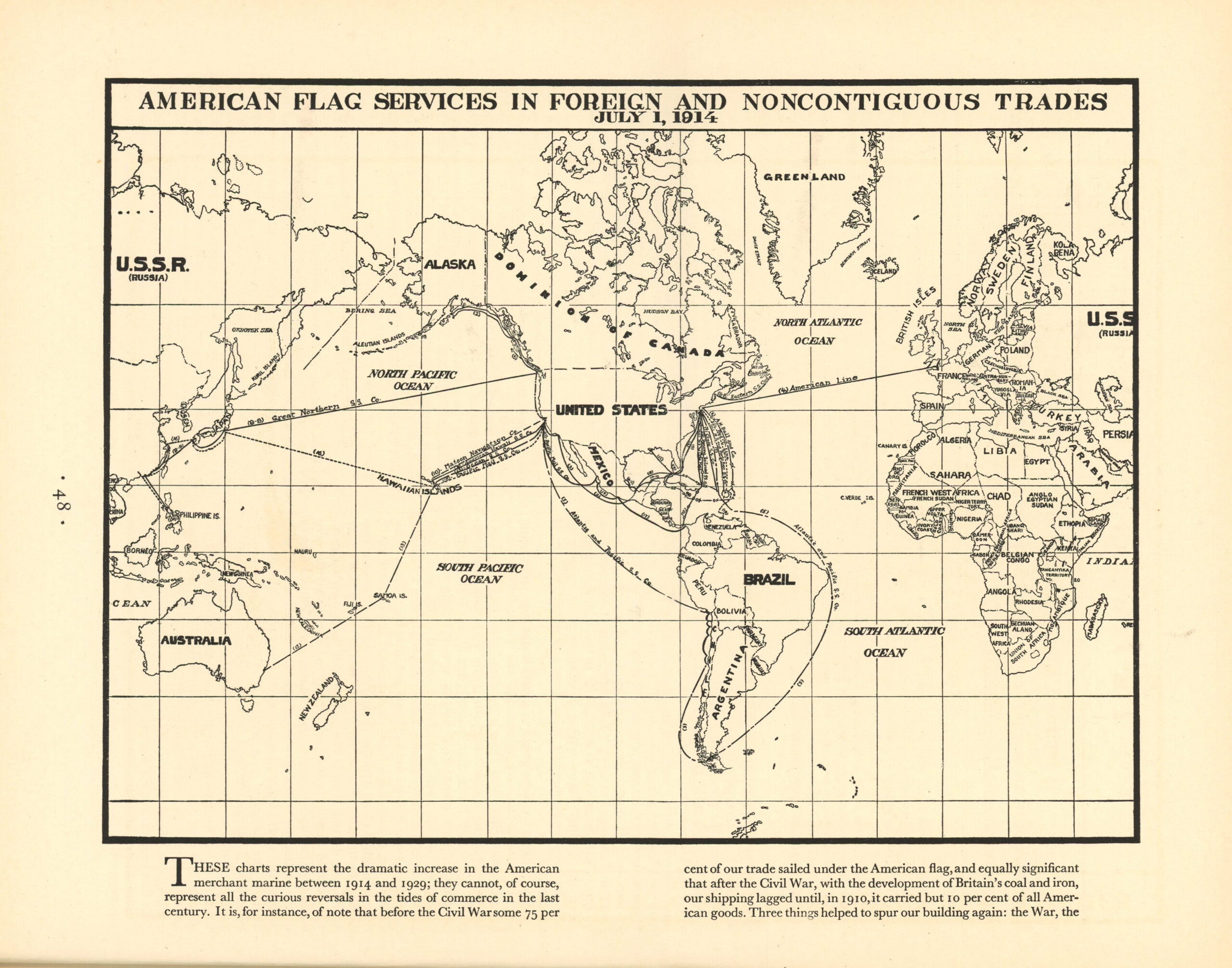
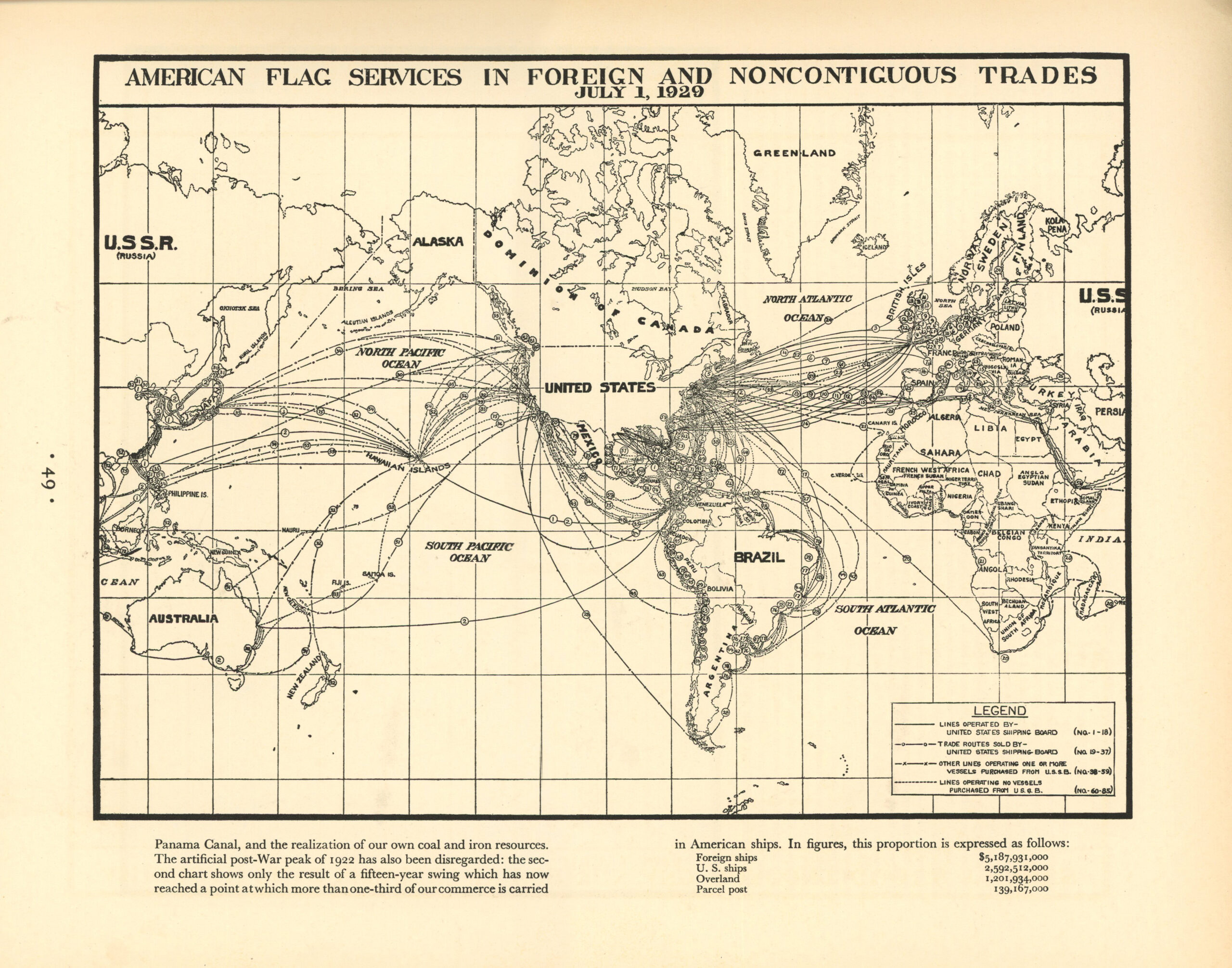
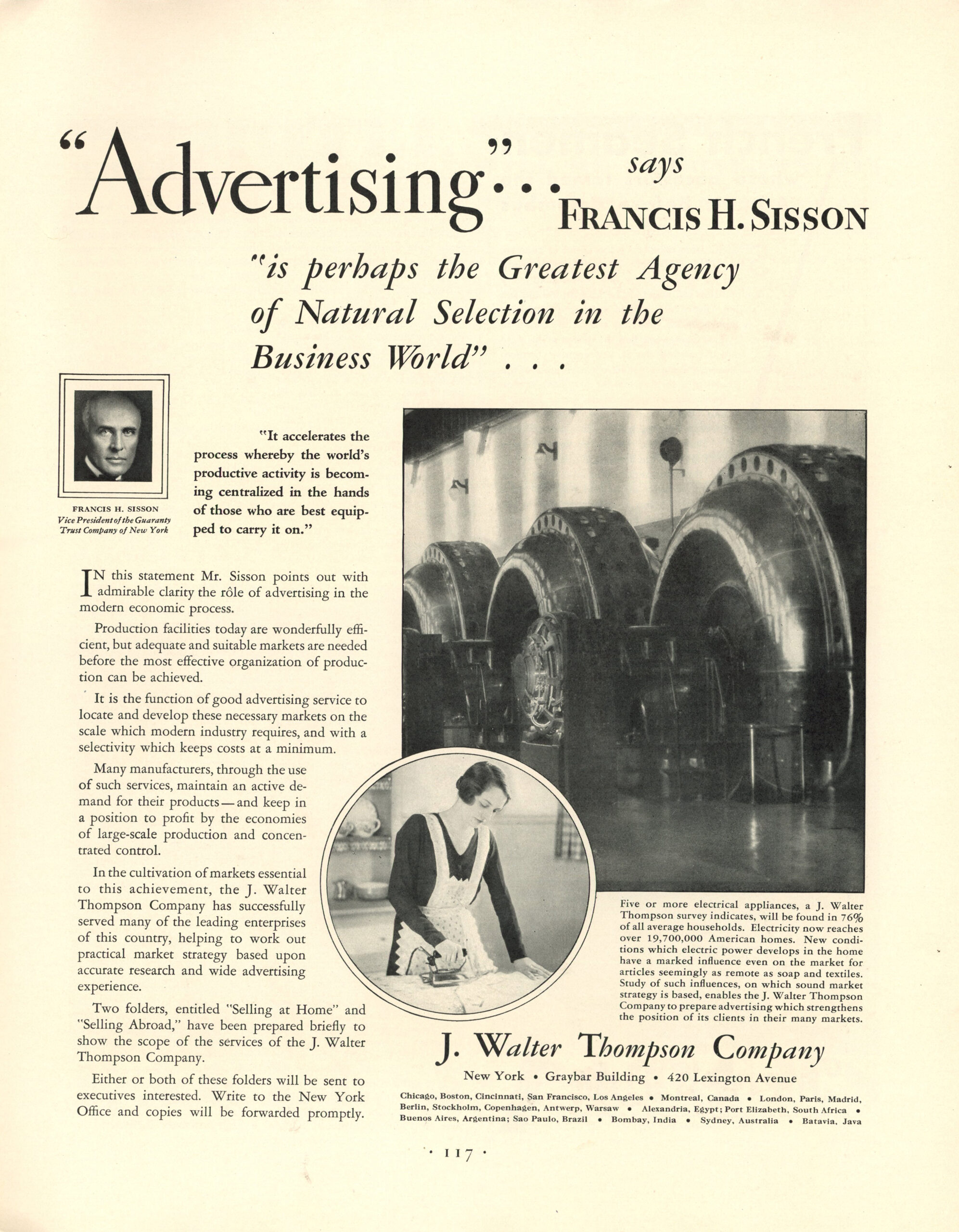
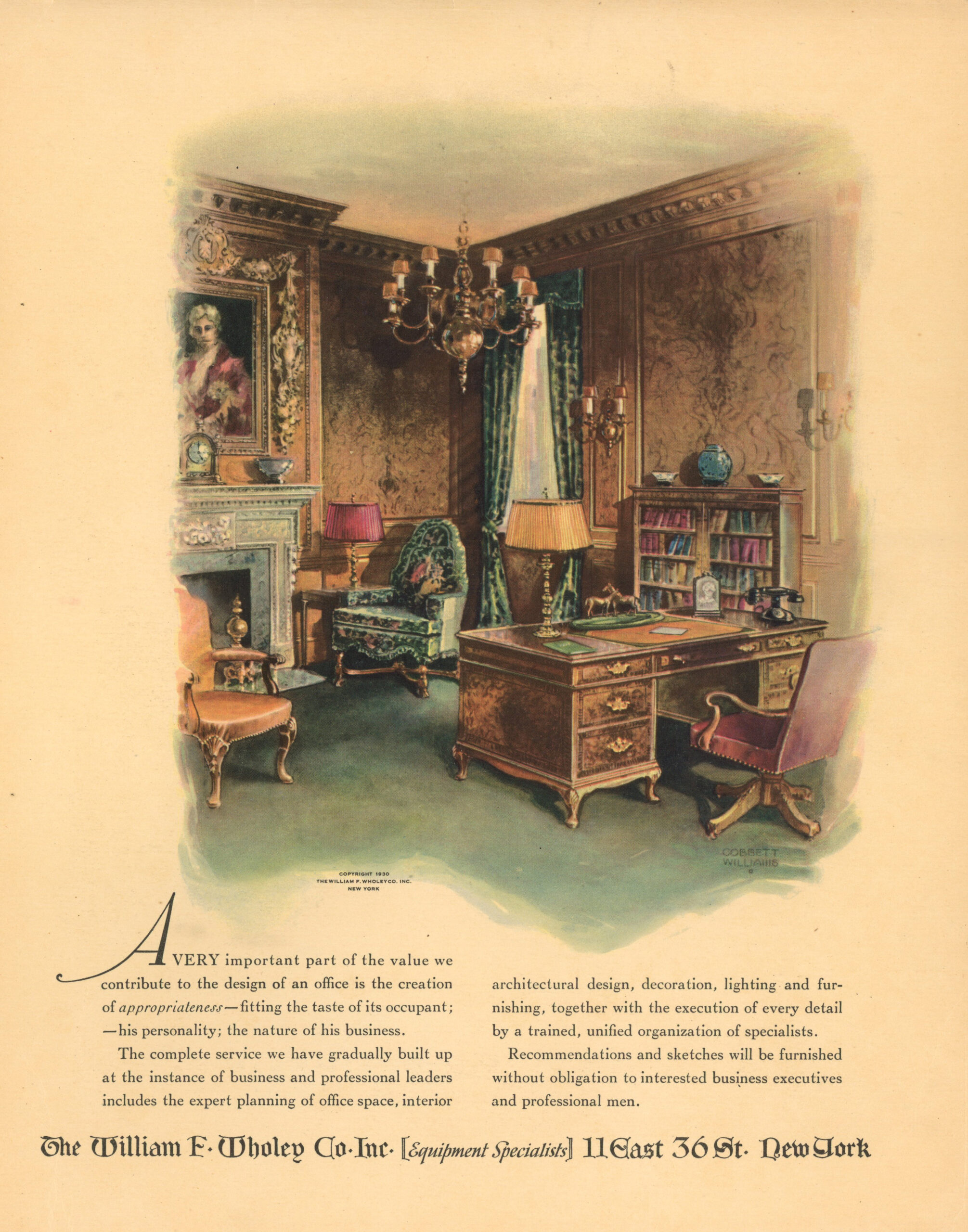
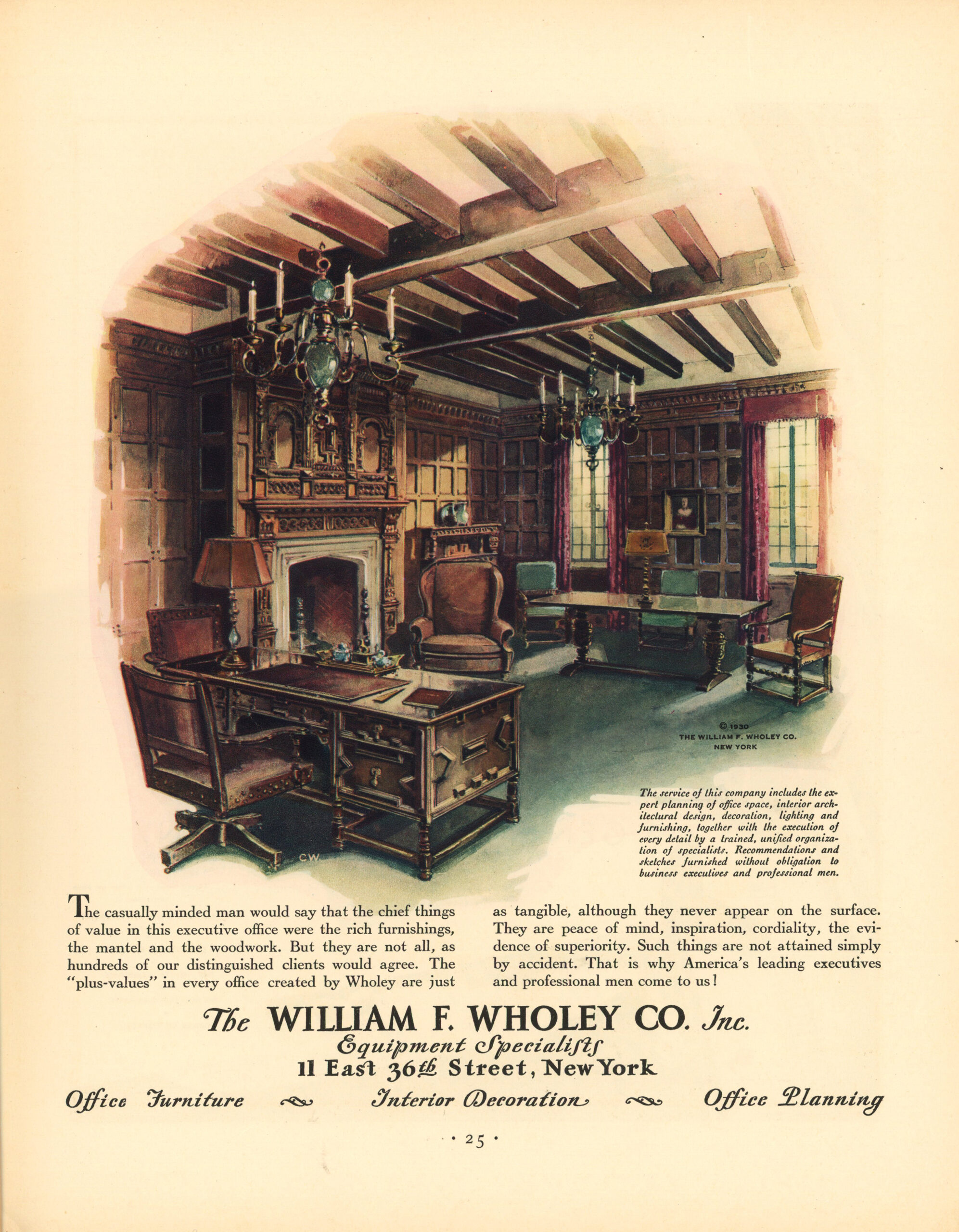
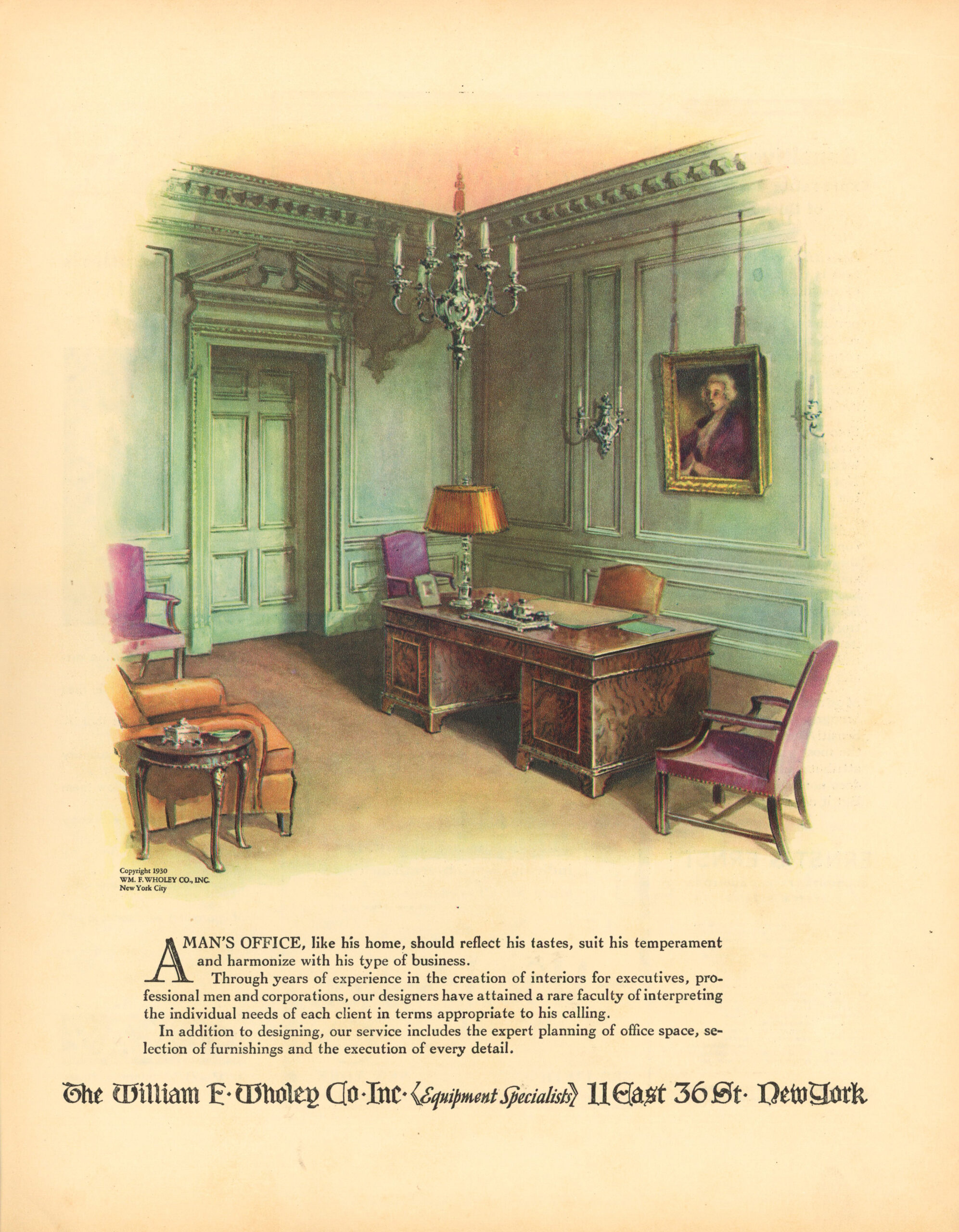
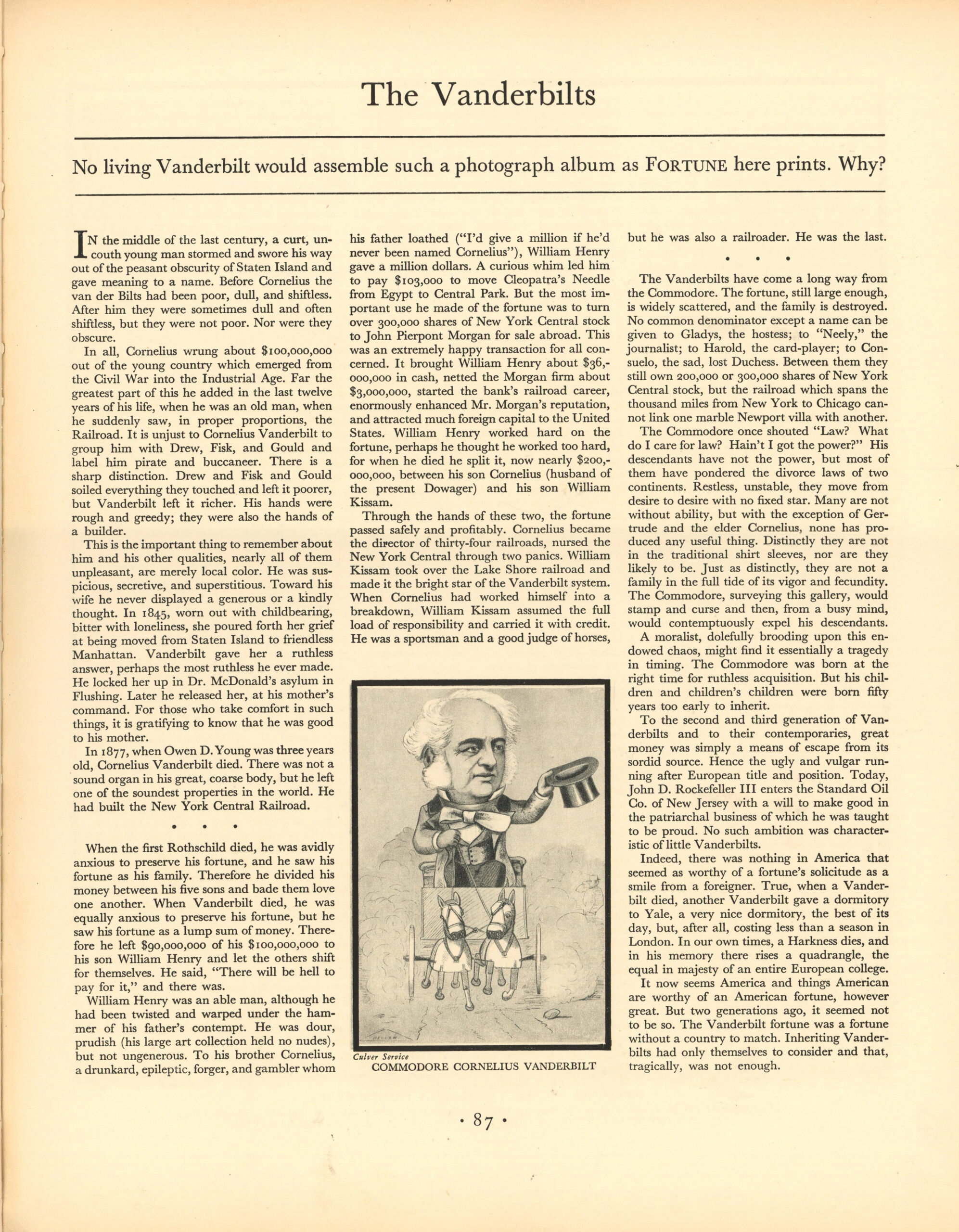
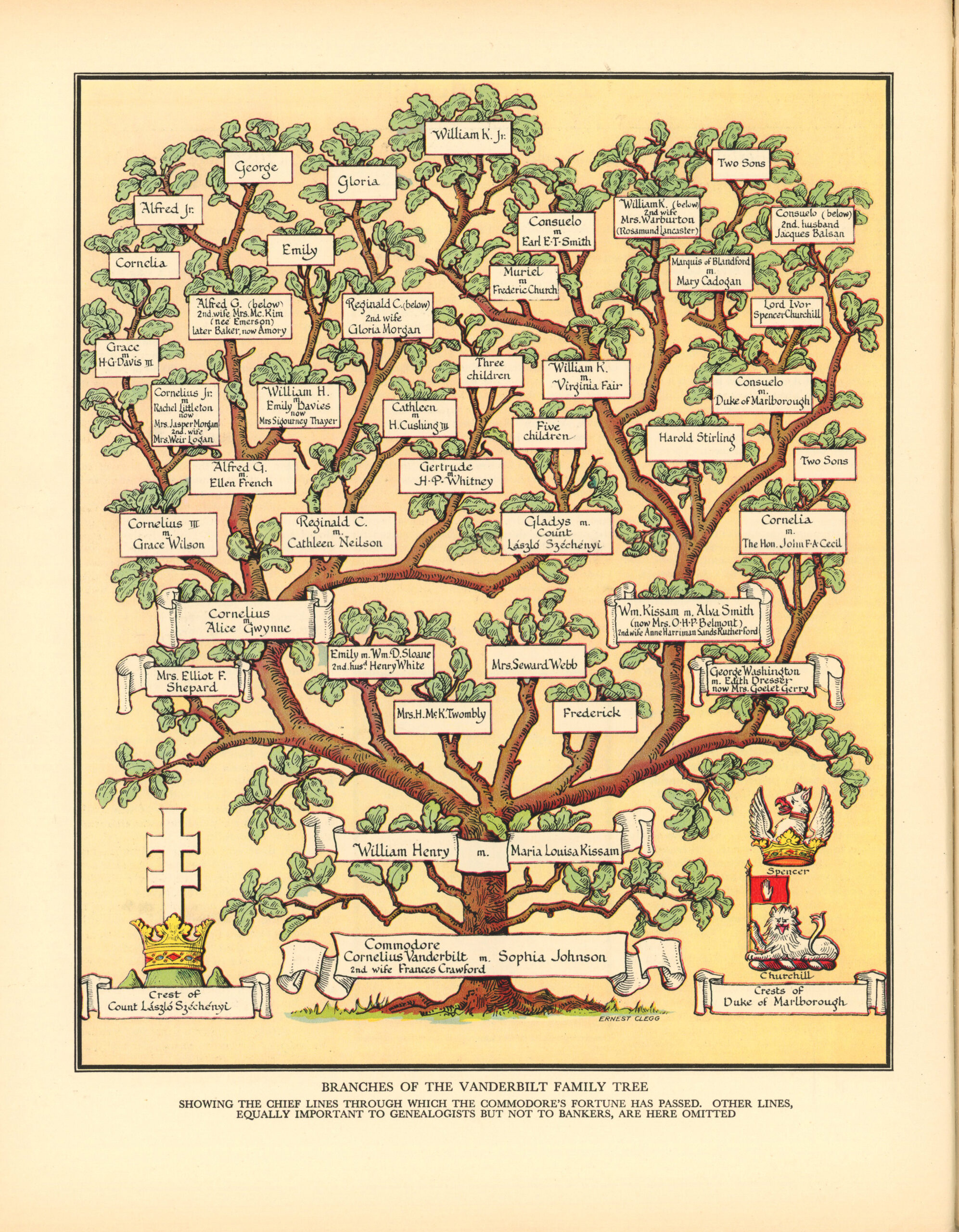
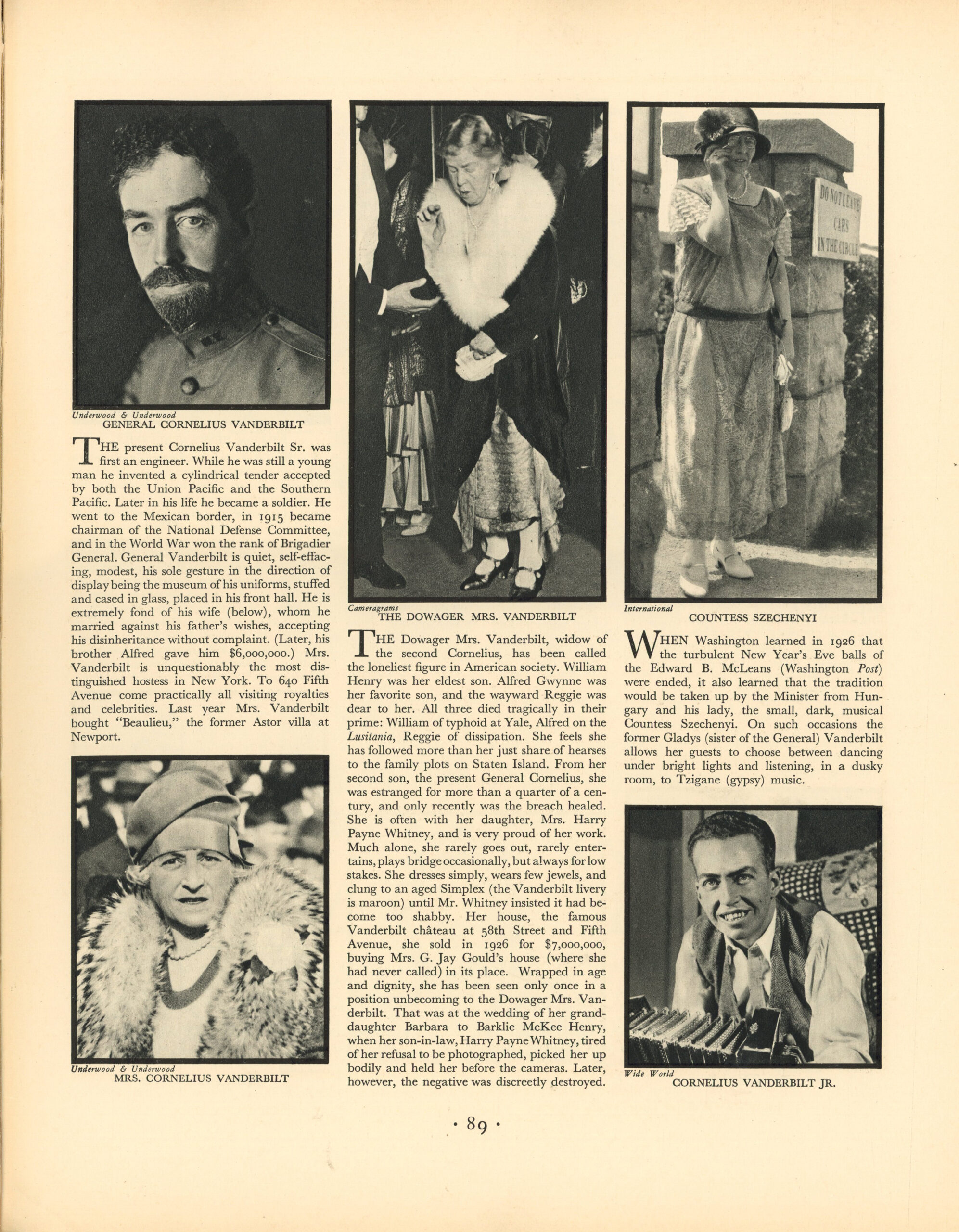
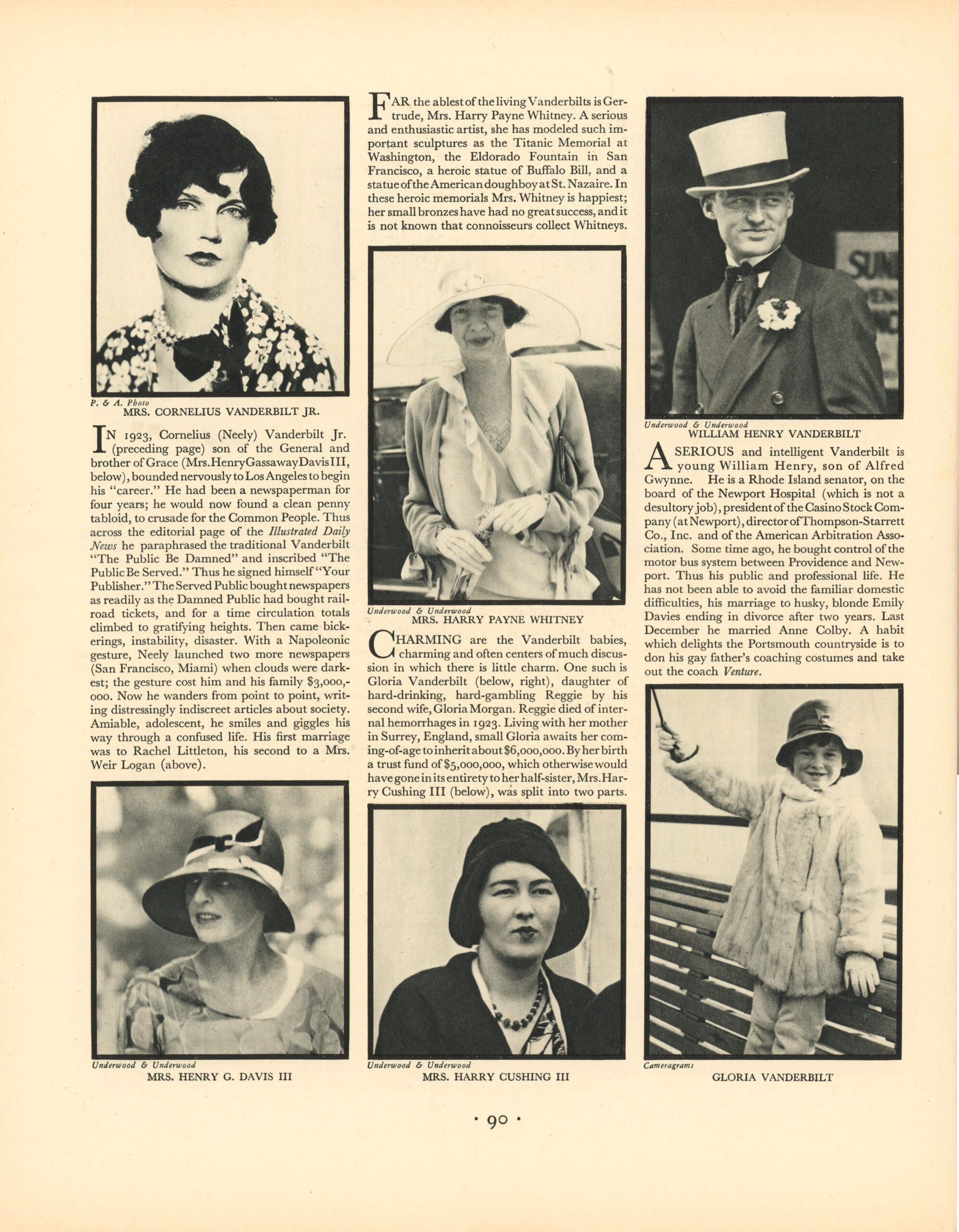
I scanned a number of the pages that stuck with me while going through these magazines (advertisements, maps, and a few editorial spreads). Some are beautiful pieces of graphic design. Others are uncomfortable historical artifacts. You can scroll through some of the most interesting pages below, I’ve organized them by General Business, Travel, Beverages, Cars, Planes, Boats, Interior Design/Fashion, and then select articles featuring Hemingway, The Vanderbilts, and the cotton industry.