
Intro
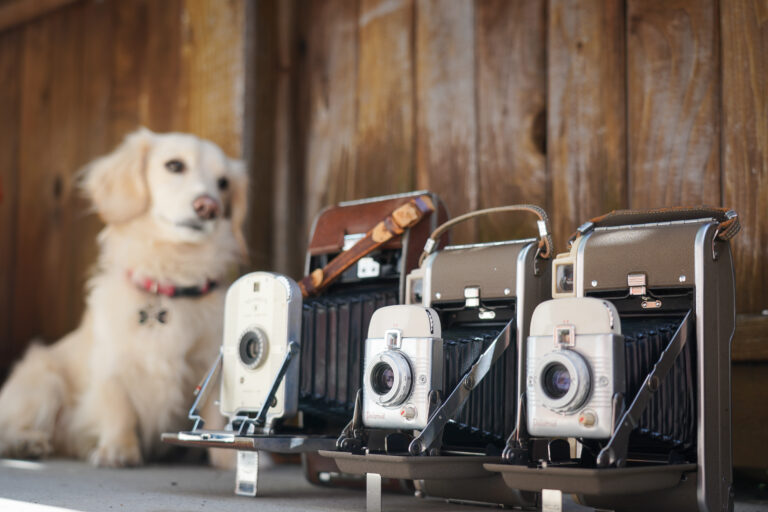
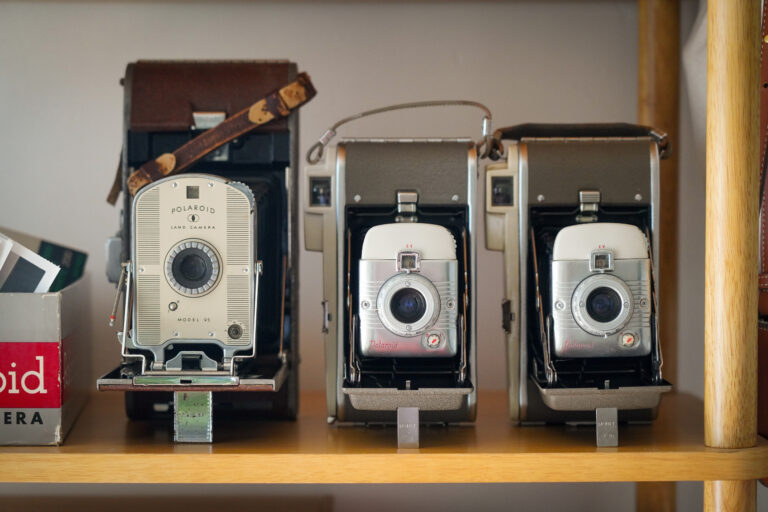
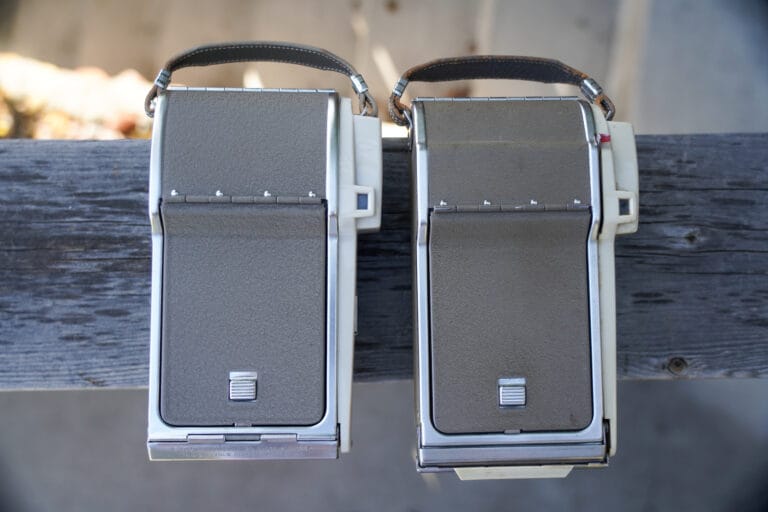
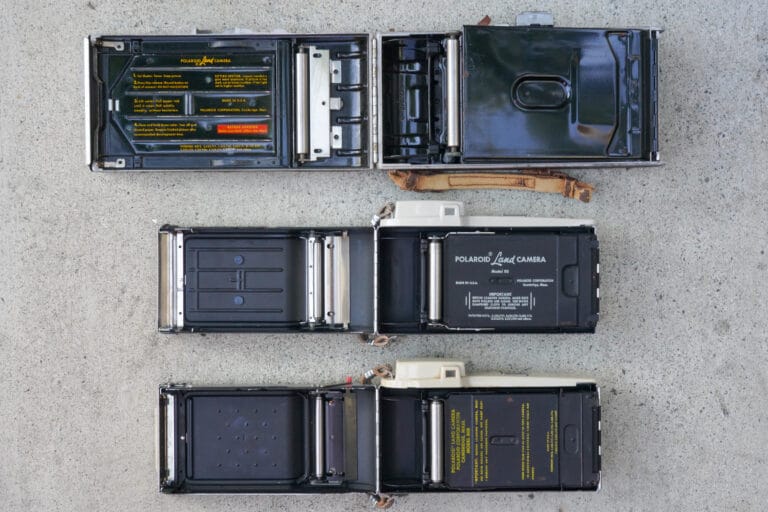
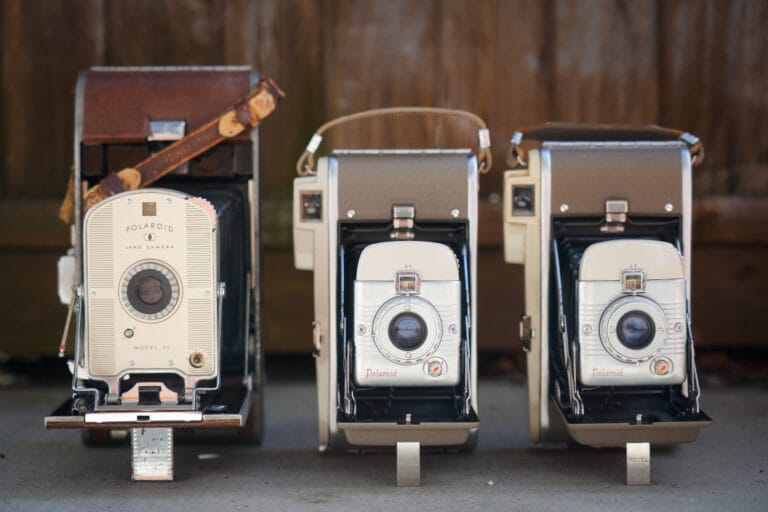
The Polaroid Model 95, 80A, and 80B were among the earliest instant roll film cameras ever produced. Introduced by Edwin Land, the Model 95 was the original, and the 80 line (including 80A and 80B) were smaller and lighter variations designed to make instant photography more portable and accessible. While these cameras share a similar folding design and roll film heritage, they differ in release dates, film formats, physical size, and exposure systems. Together, they represent the very beginning of consumer instant photography… long before the familiar Polaroid film we know and love today!
As a vintage camera collector, I find this era of Polaroid especially fascinating. These cameras weren’t just tools — they were technological breakthroughs.
Specs, Comparison & Historical Significance
Polaroid Model 95 (1948–1953)
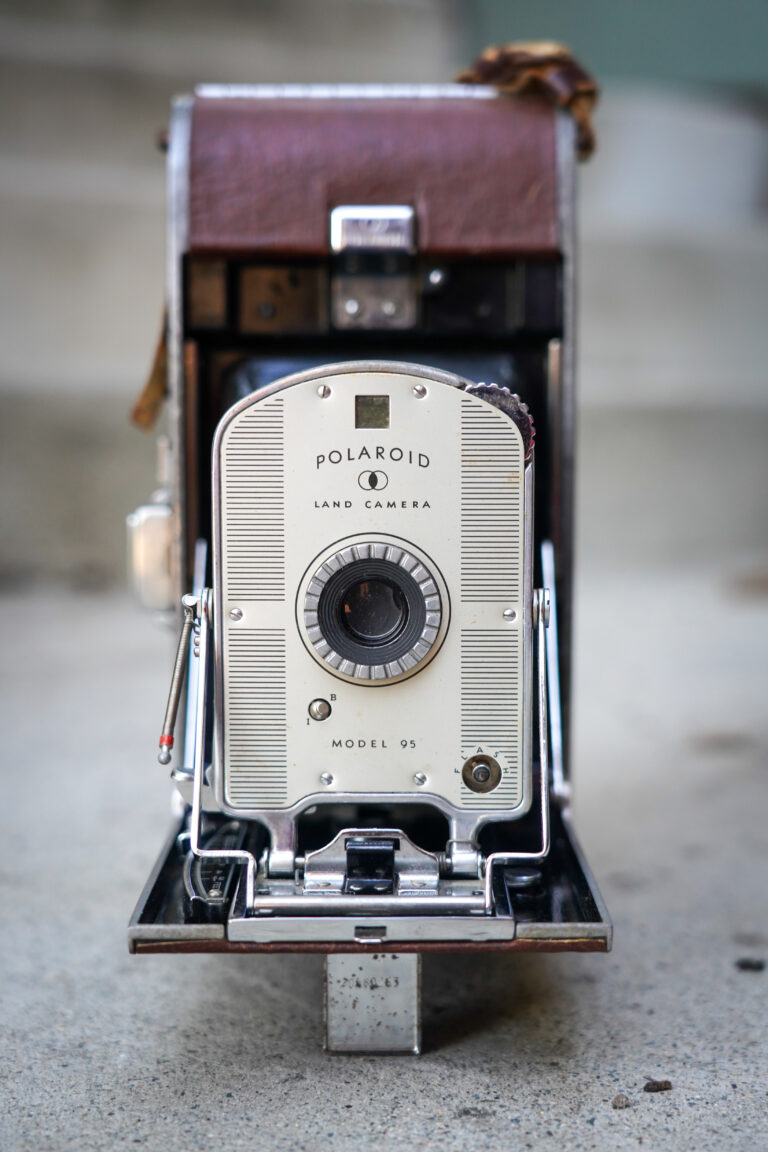
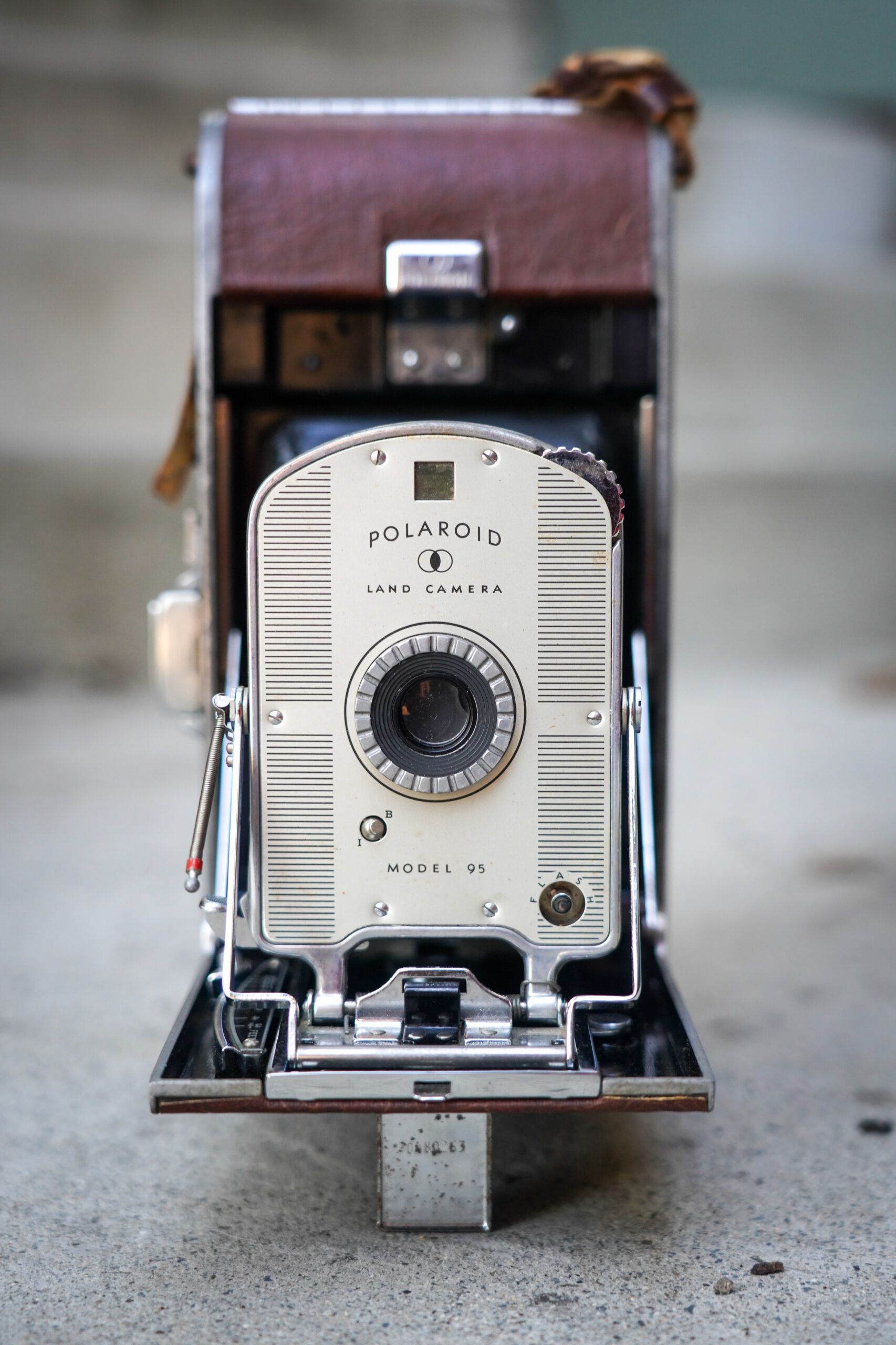
The Polaroid Land Camera Model 95 was introduced in 1948 and became the world’s first commercially available instant camera. Developed by Edwin Land, it was nothing short of revolutionary — capable of producing a finished photograph in about one minute.
When it debuted in Boston, it reportedly sold out on its first day.
Approximately 1.5 million units of the Model 95 and its variations (95A and 95B) were produced. The camera used 40-series roll film, producing large 3¼” x 4¼” prints.
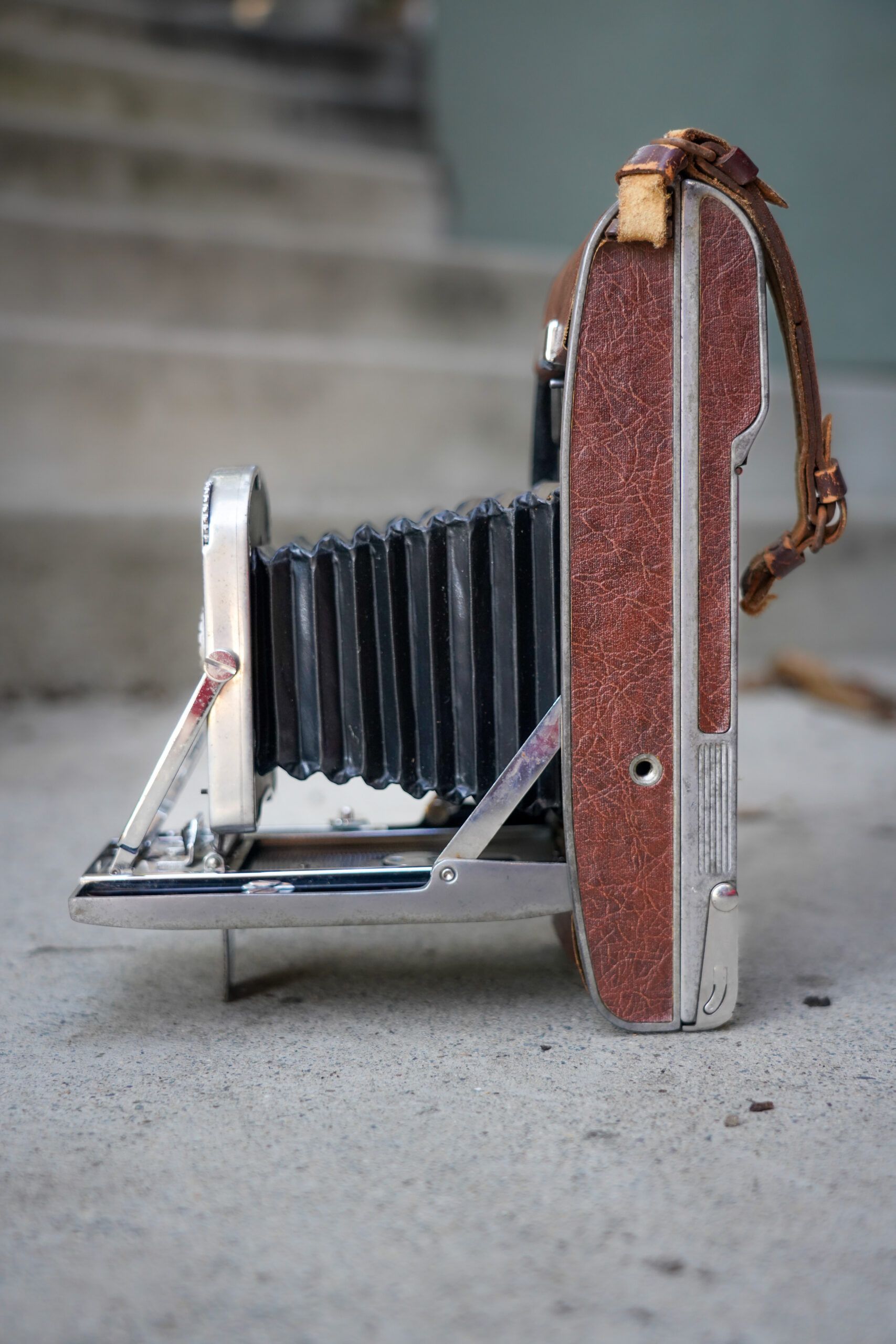
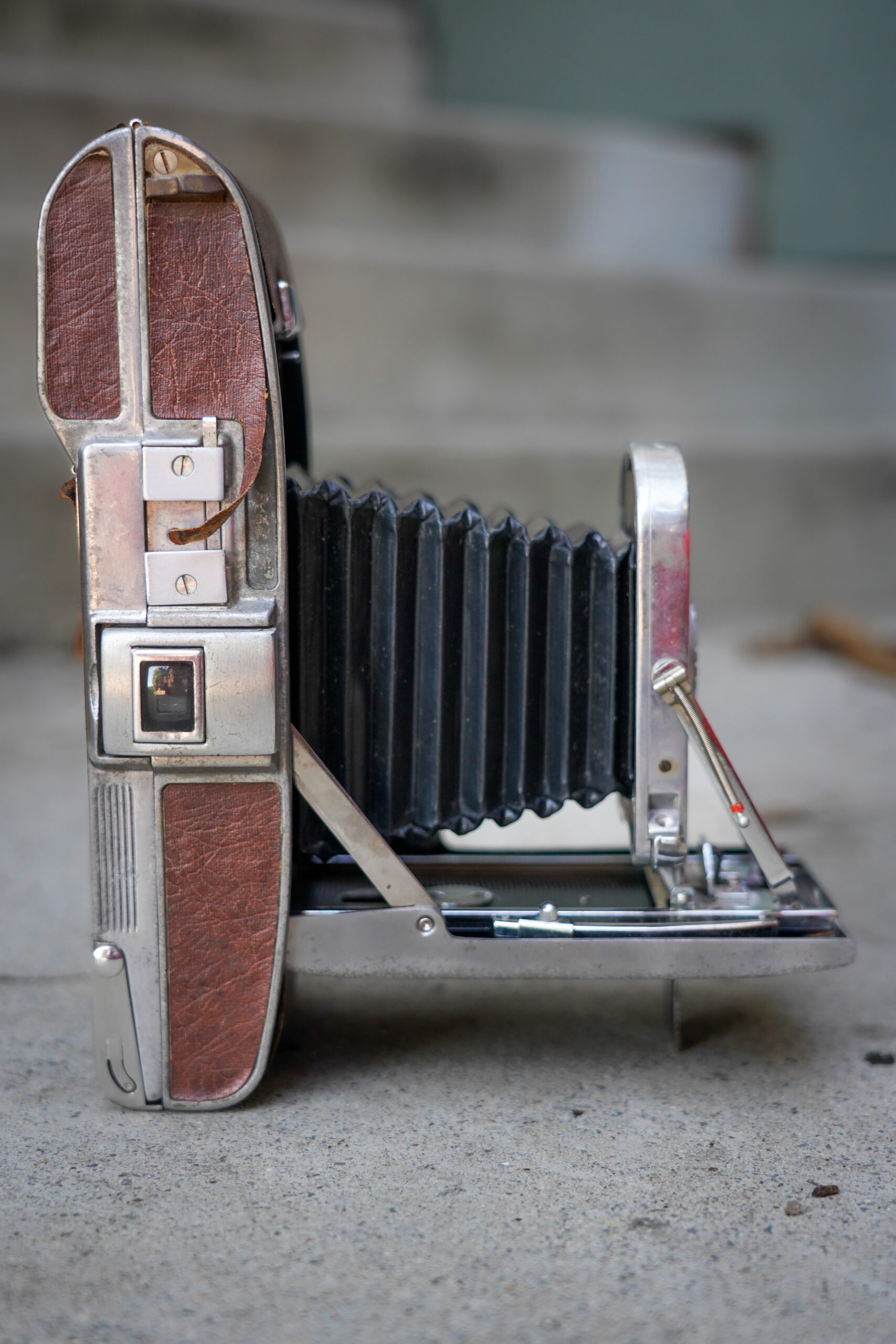
Physically, the Model 95 is a behemoth. Weighing over four pounds and constructed from steel and brass, it feels closer to industrial equipment than a casual snapshot camera. But that heft reflects its significance — this was new technology, built to last.
Key Specs:
- Film: 40-series roll film (Type 42, 47, etc.)
- Print size: 3¼” x 4¼”
- Lens: ~135mm f/11
- Shutter: 1/8 to 1/60 sec + Bulb
- Exposure system: Light Value (LV) scale
- Viewfinder: Folding, wire-frame style
The Model 95 is historically important not just as a camera, but as the birth of instant photography itself.
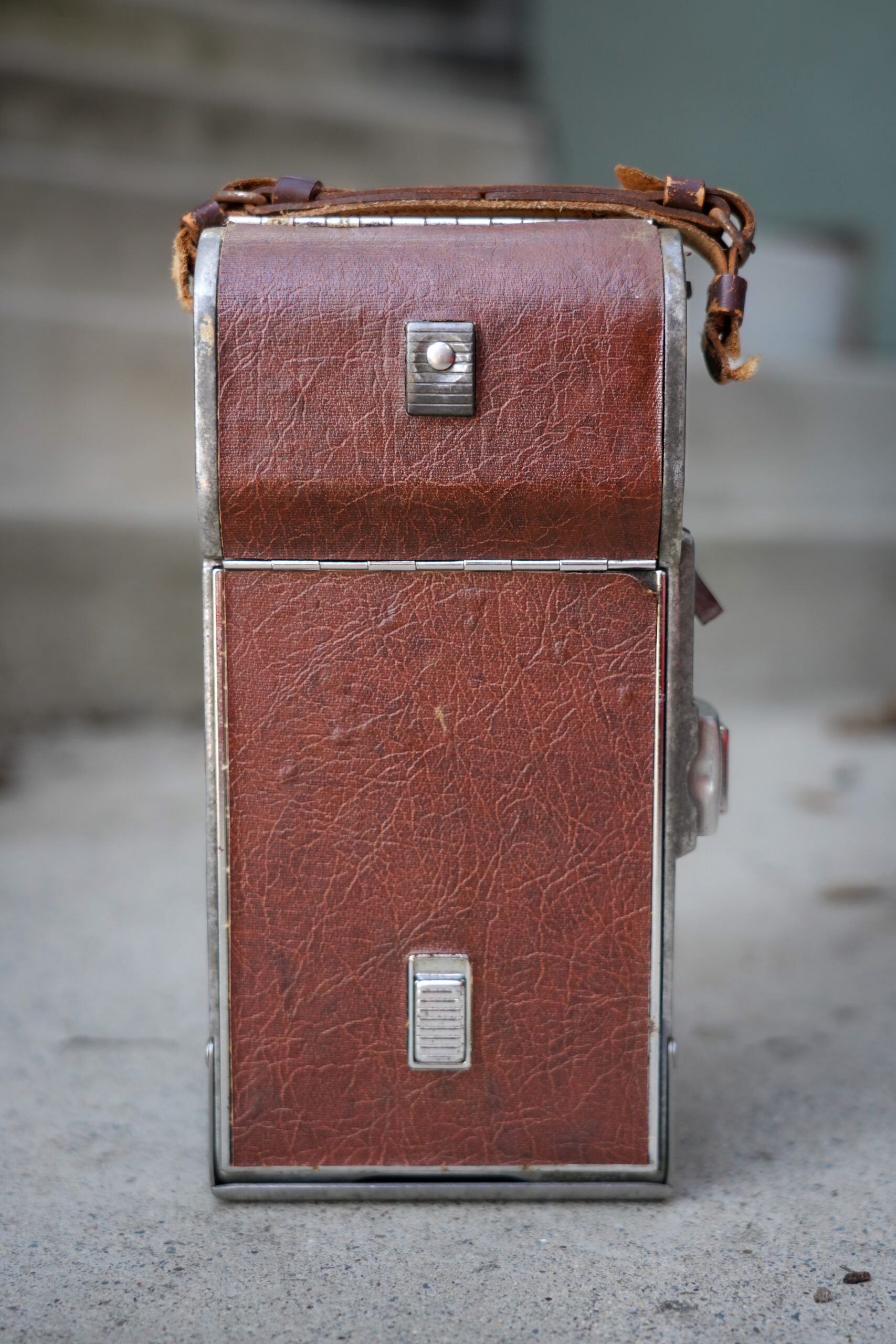
Scroll & tap the image carousels below to see larger images:
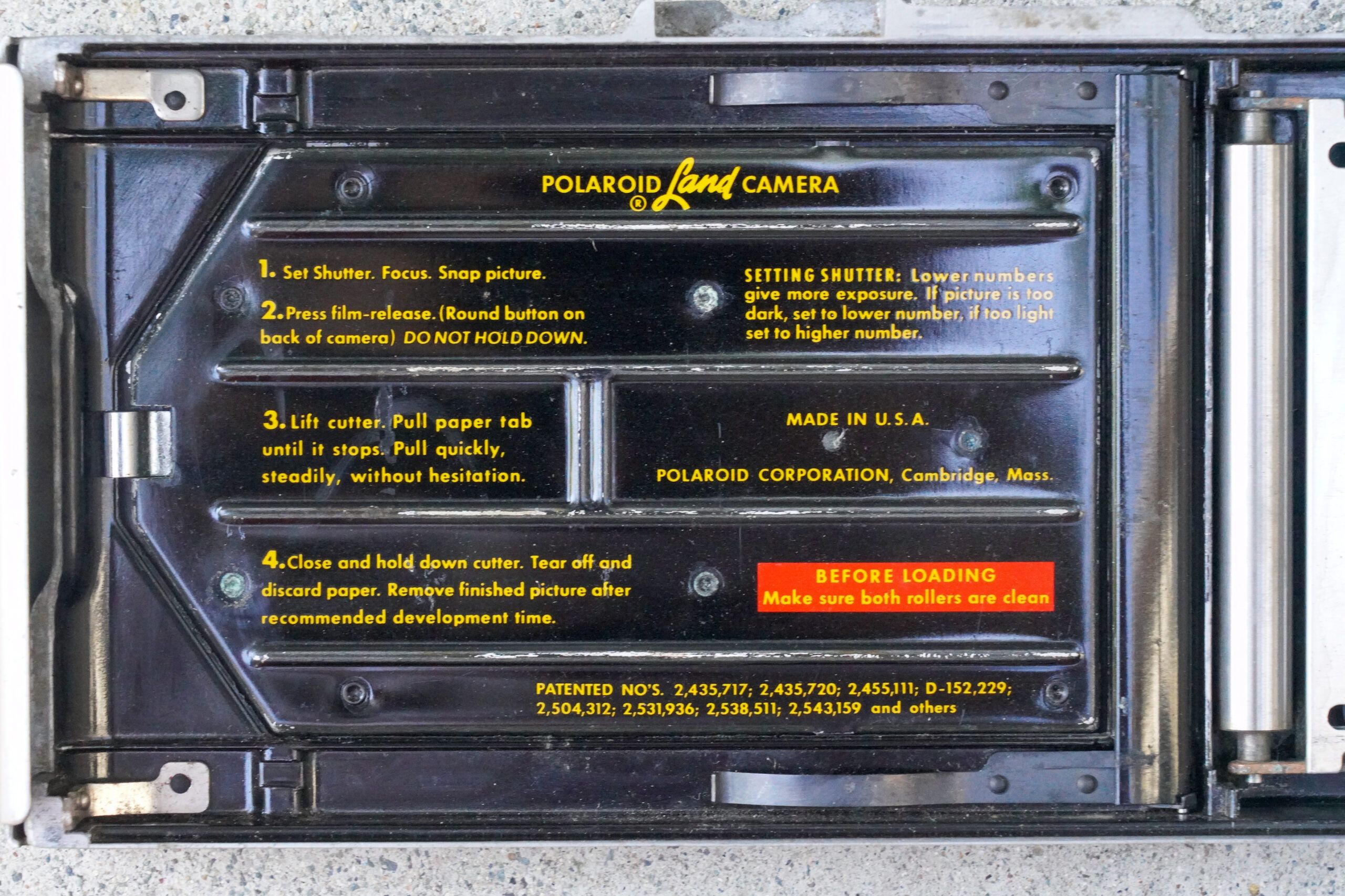
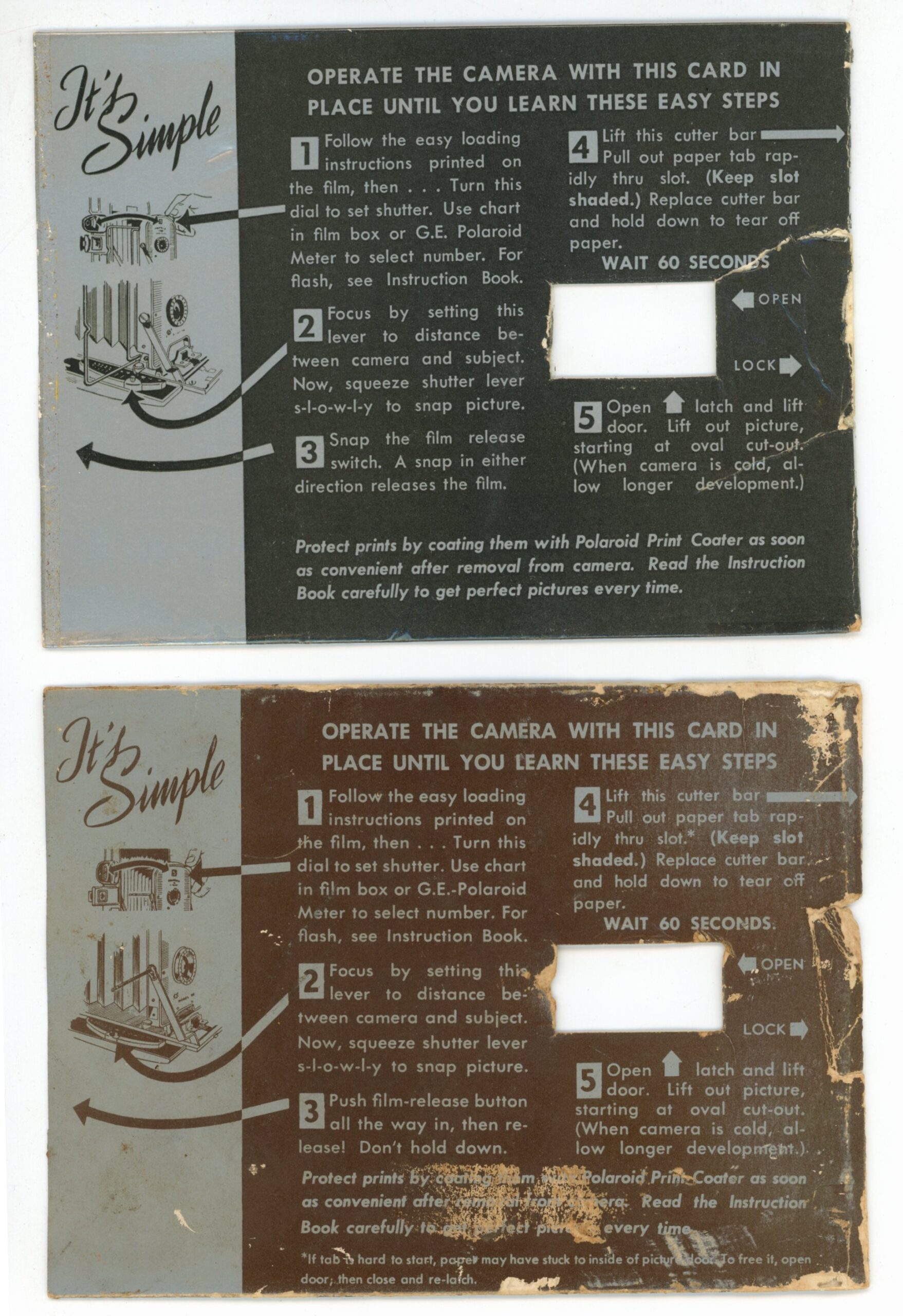
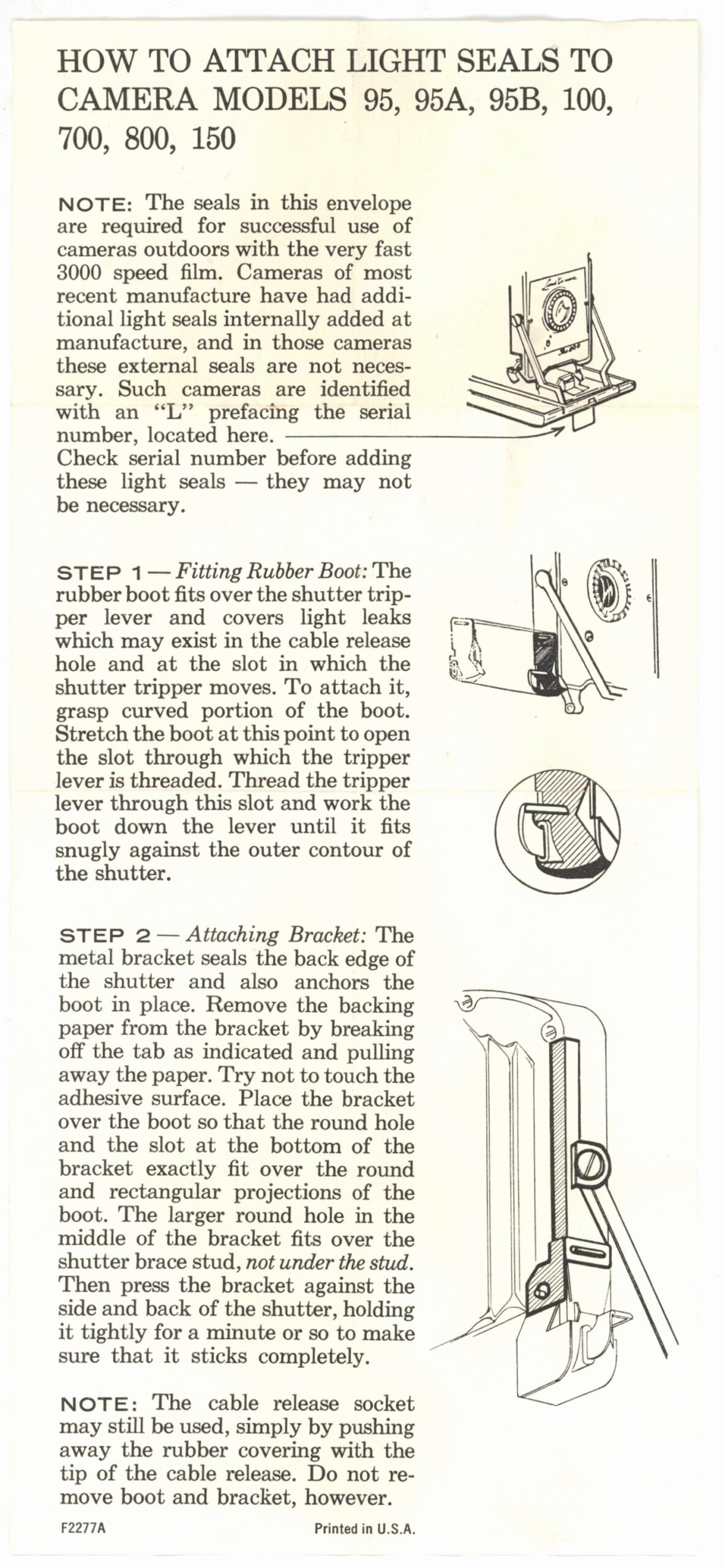
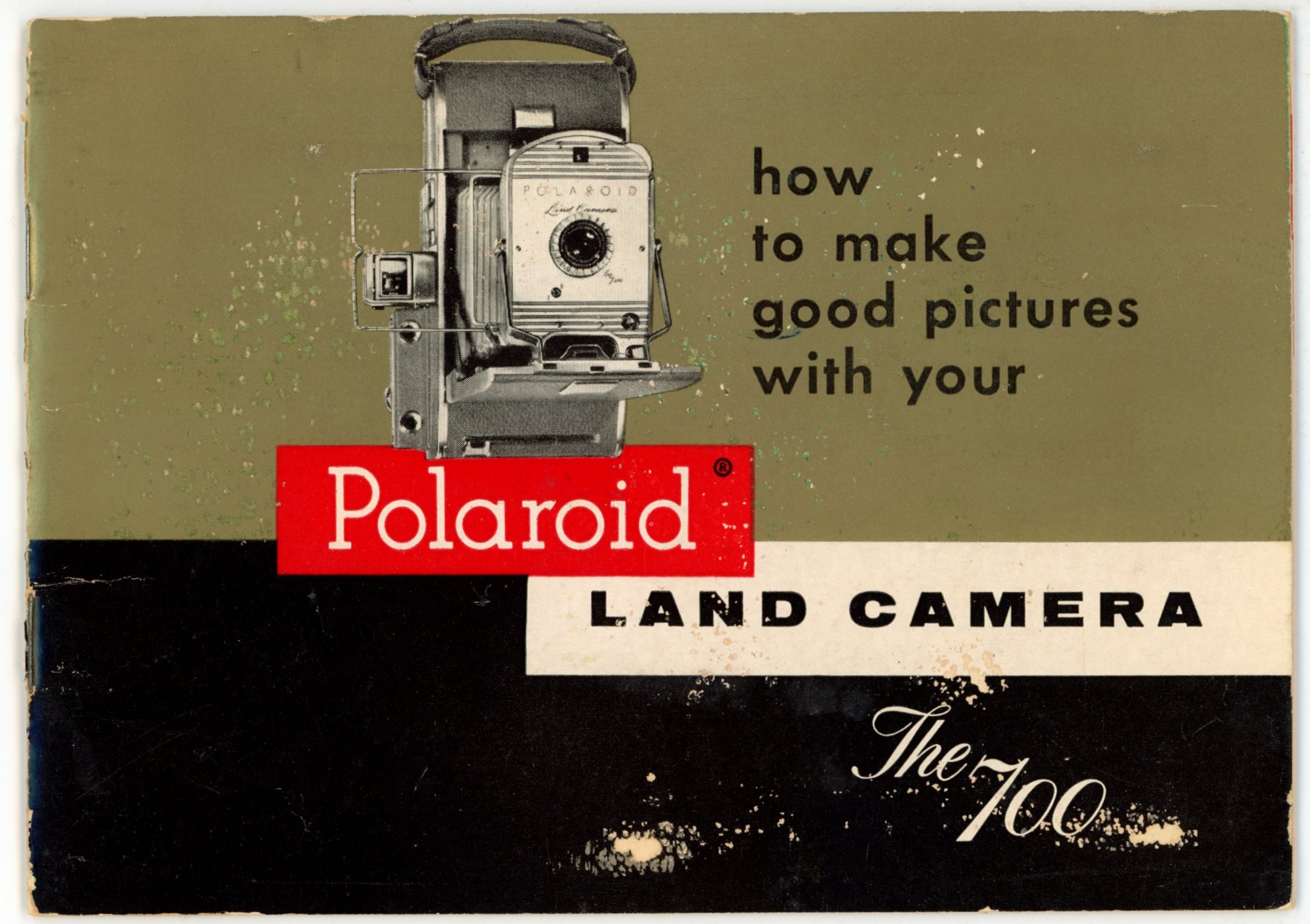
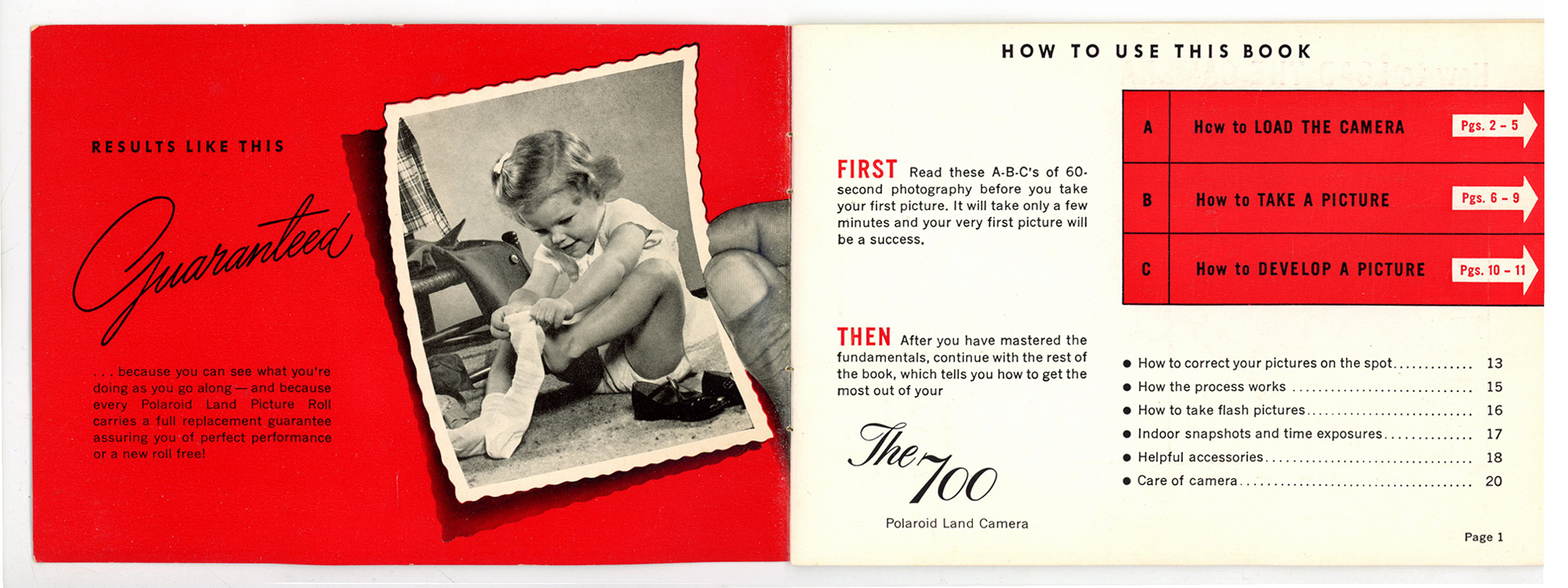
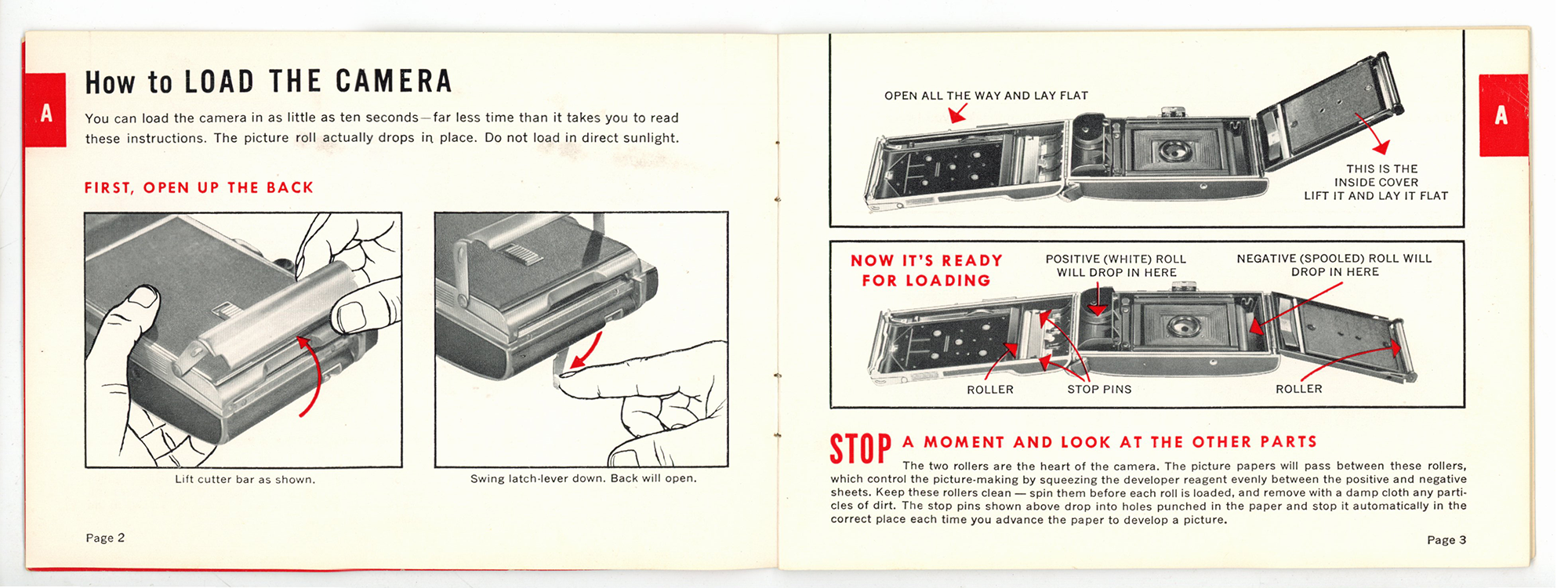
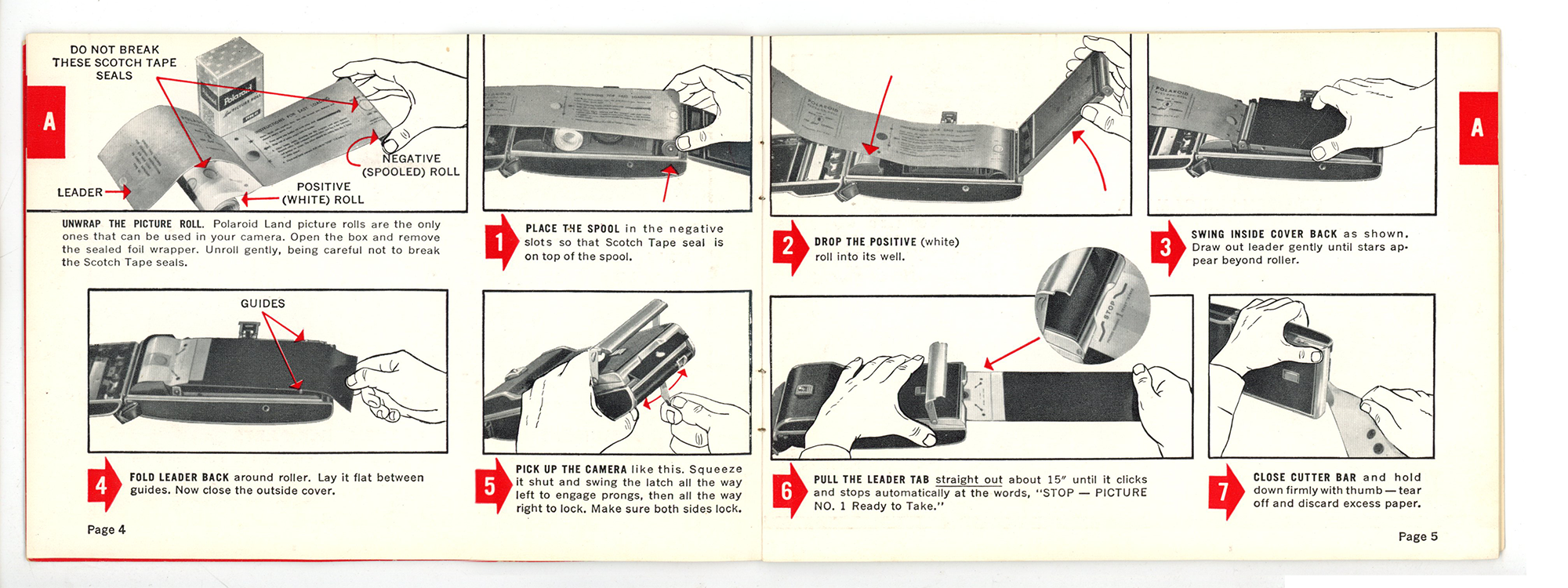
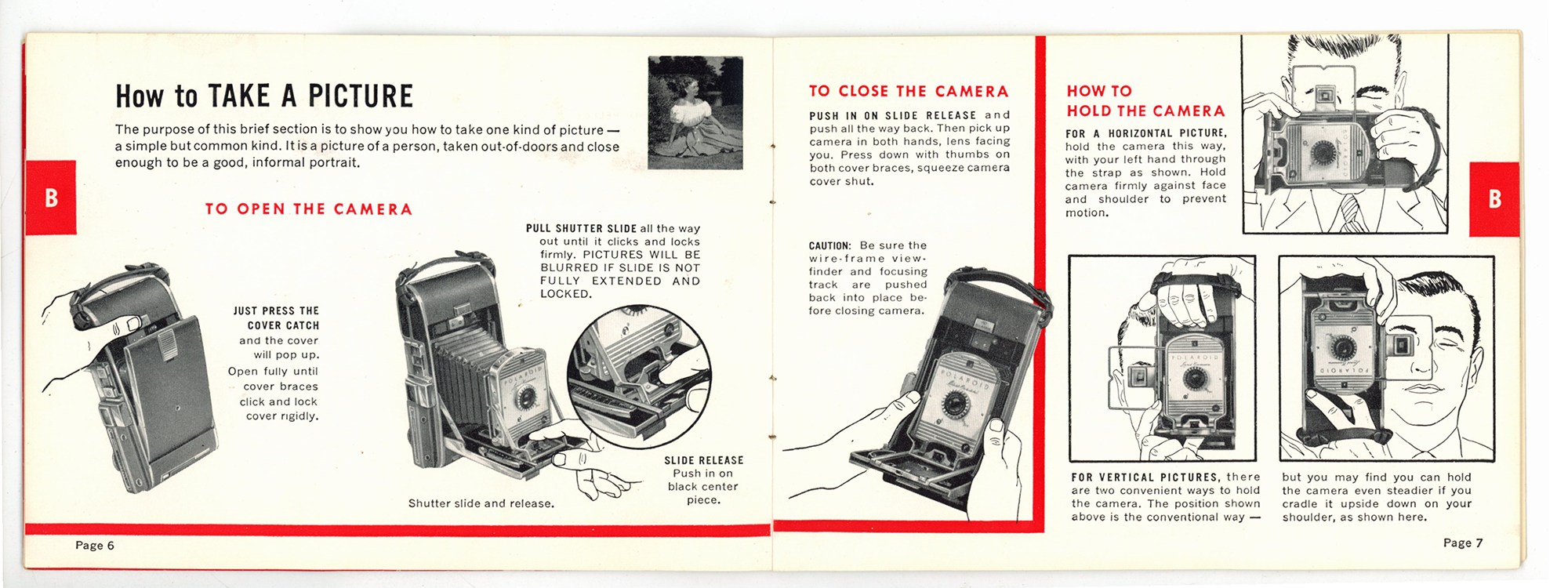
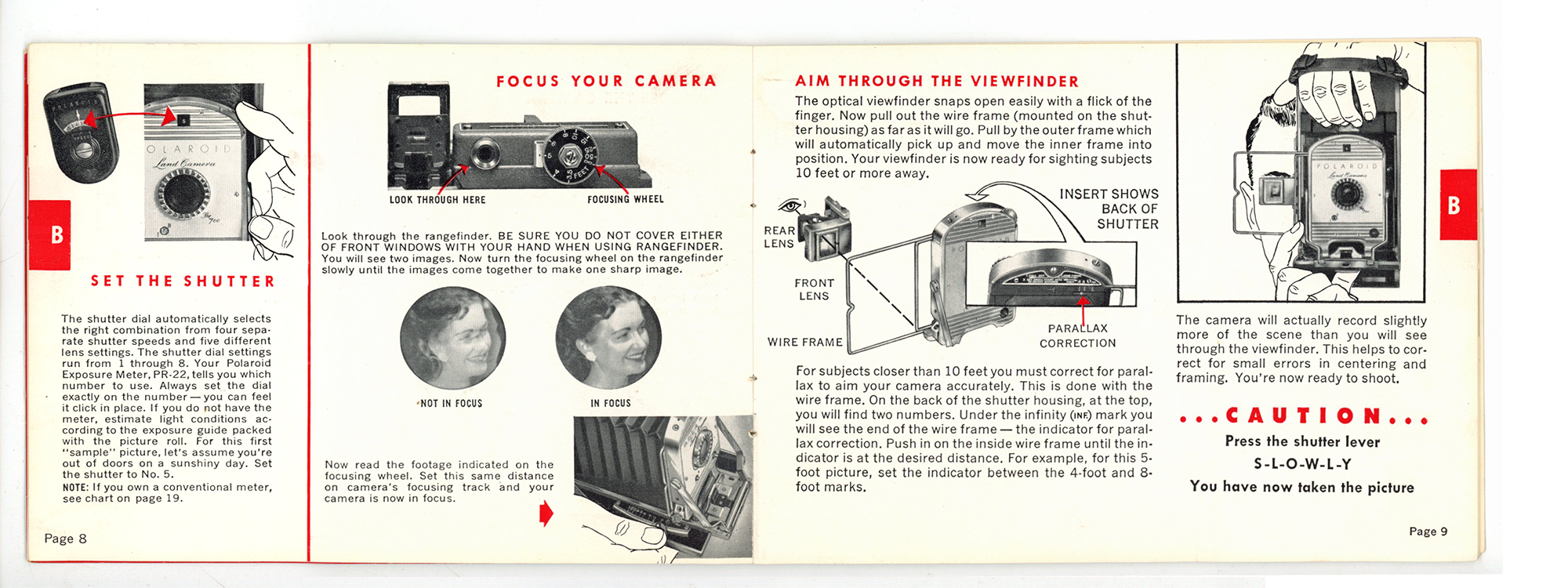
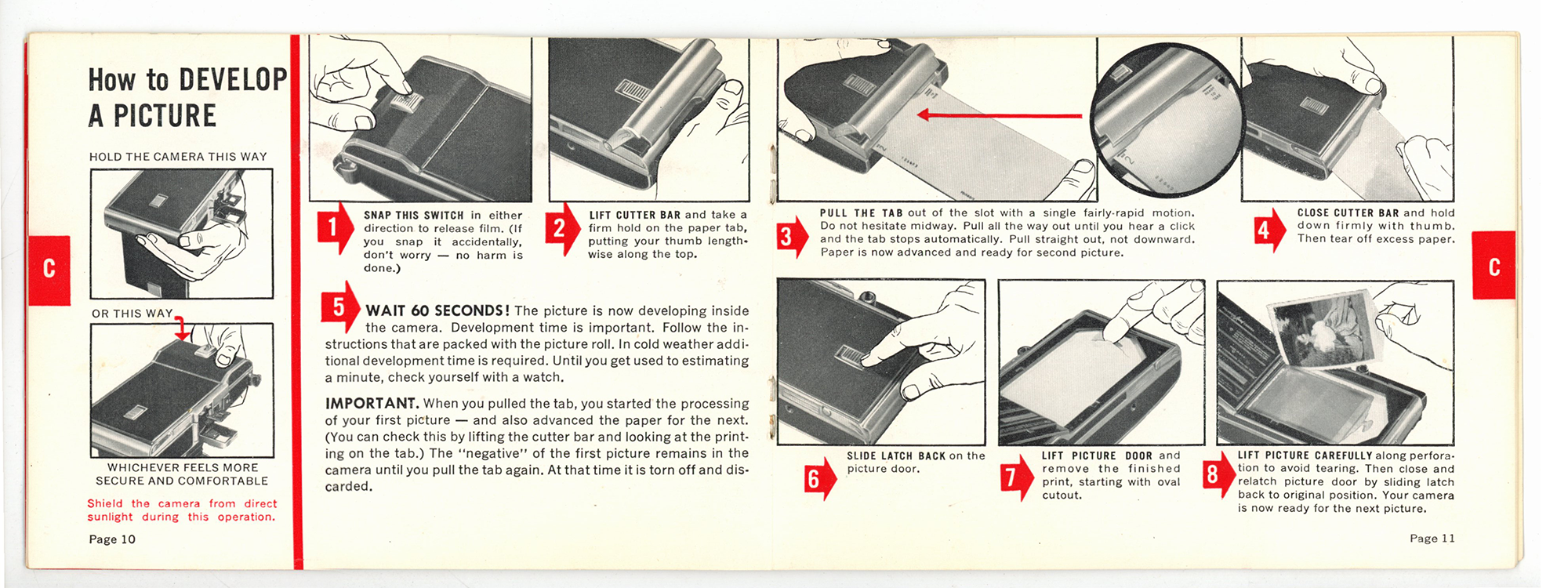
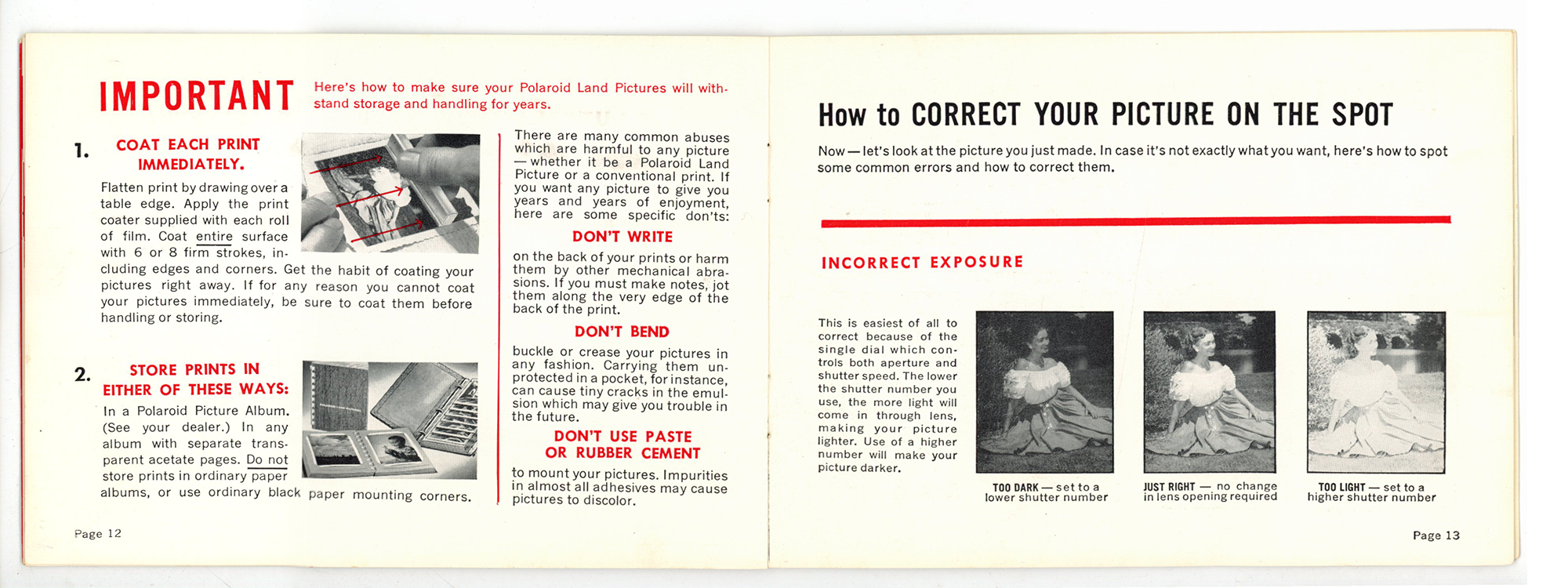
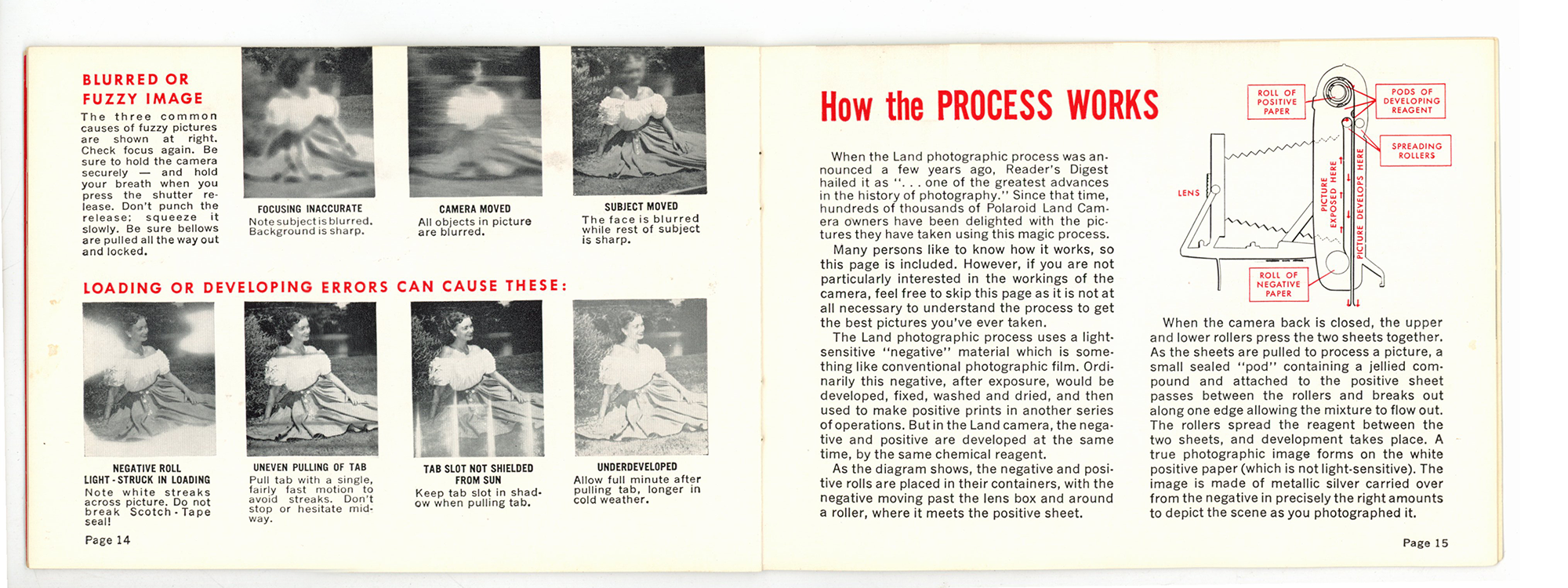
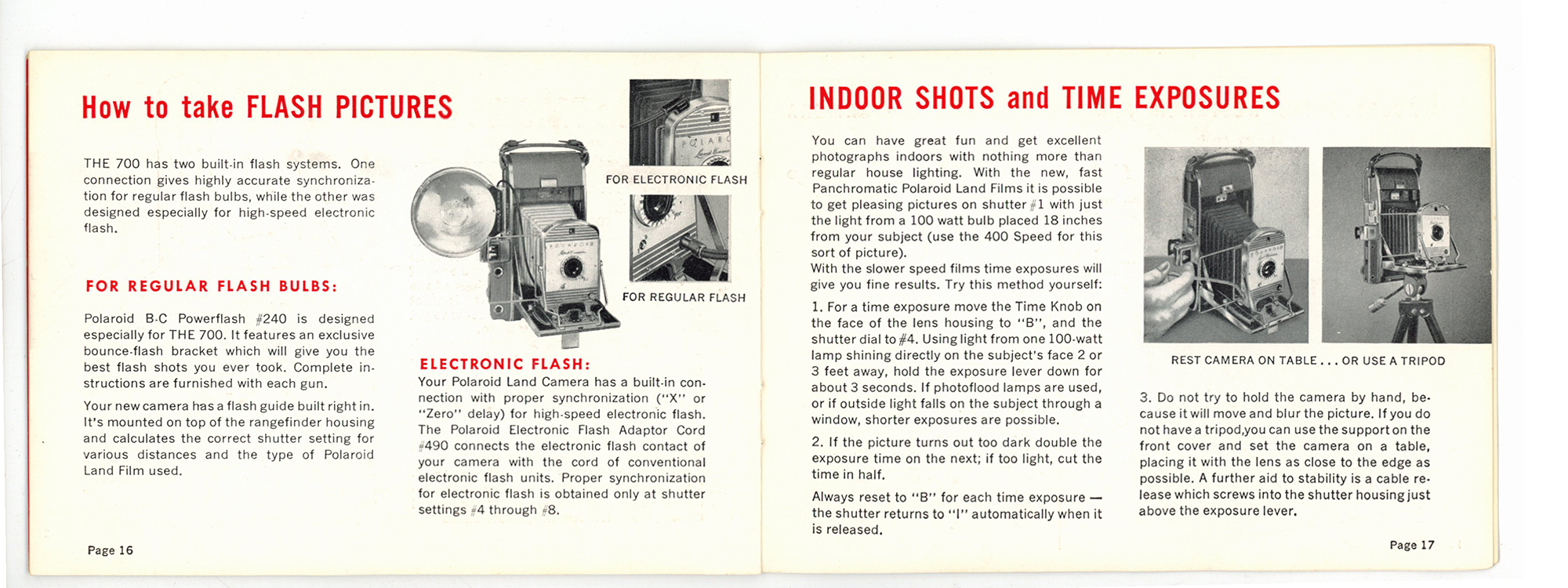
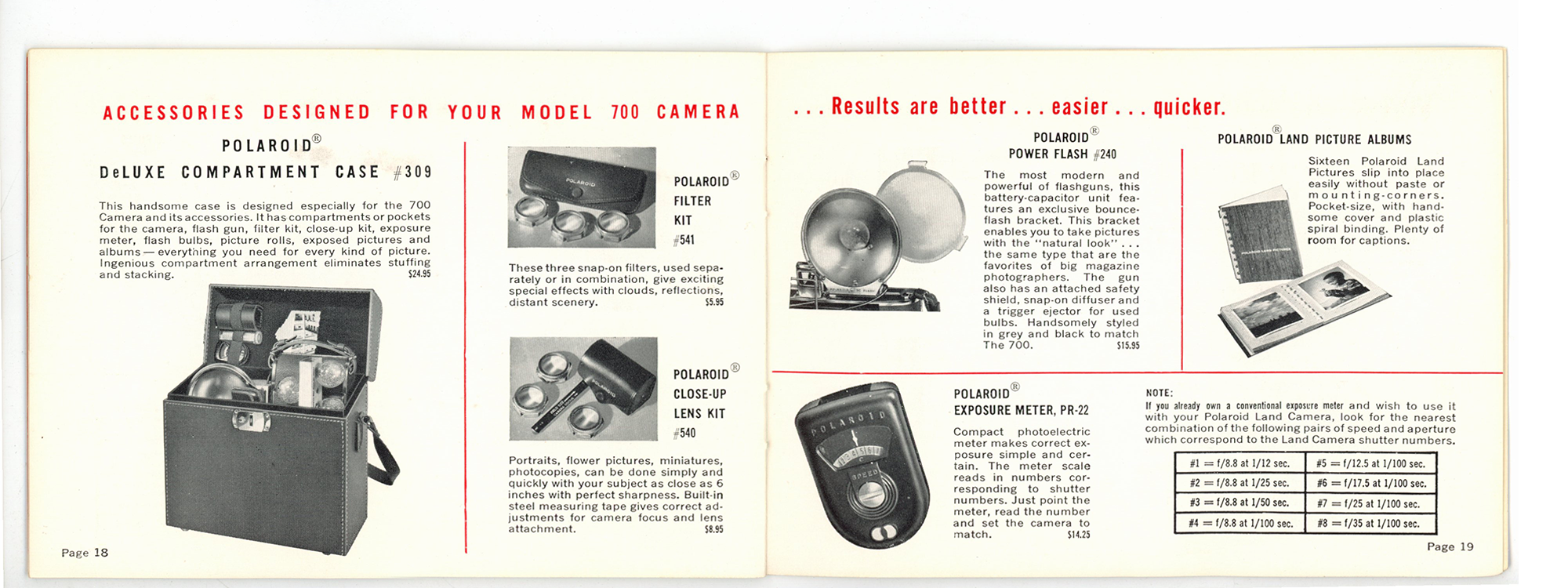
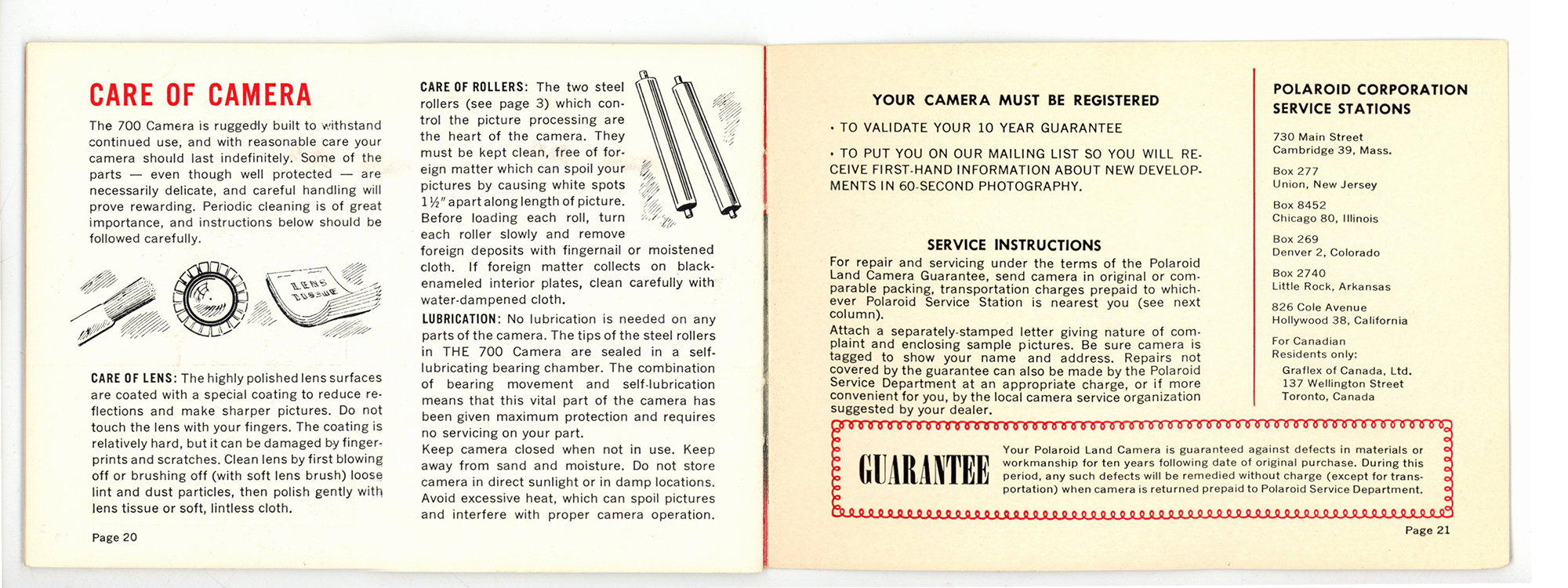
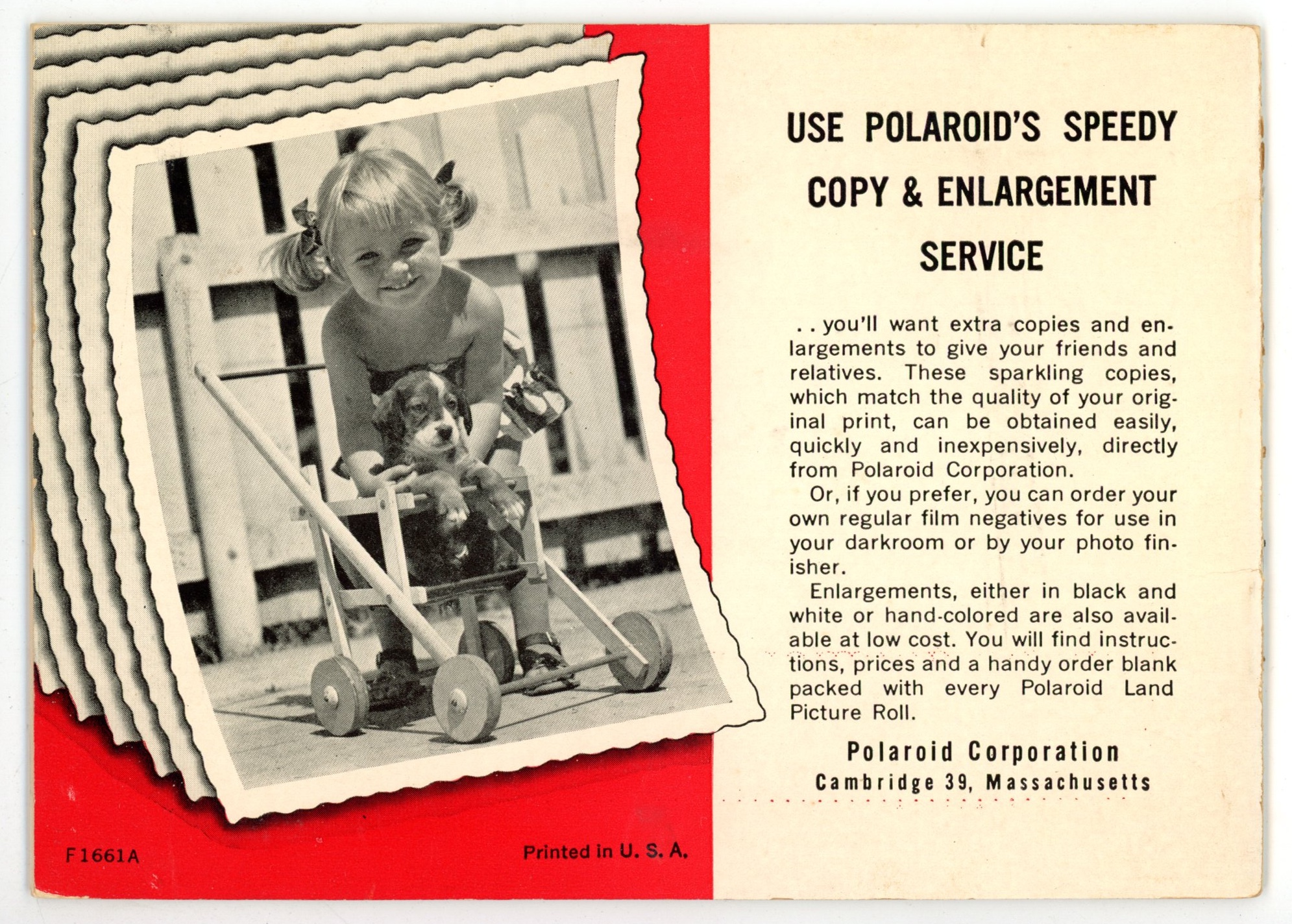
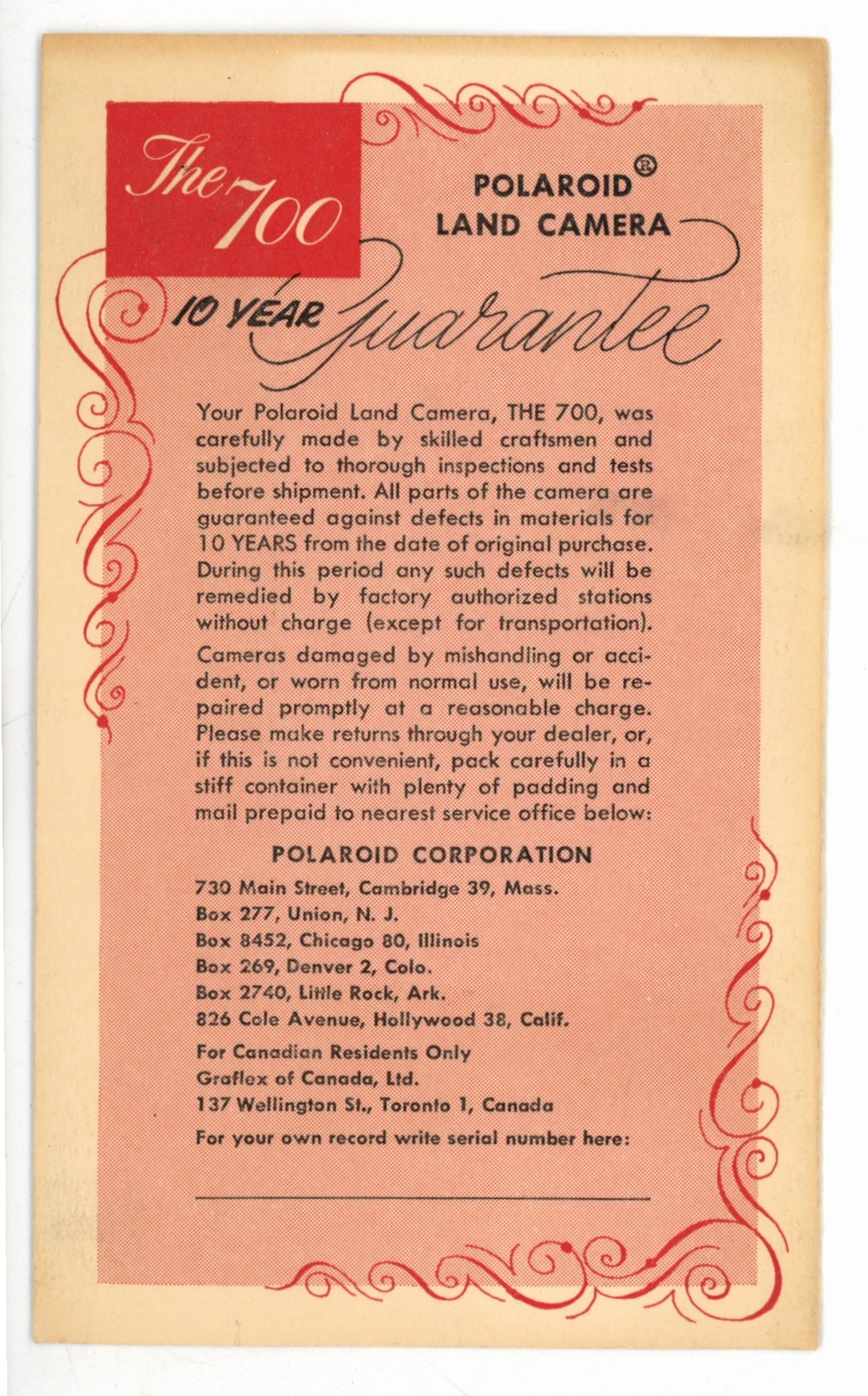
Instructions For The 700 (1955 – 1957, Made to improve upon the 95):
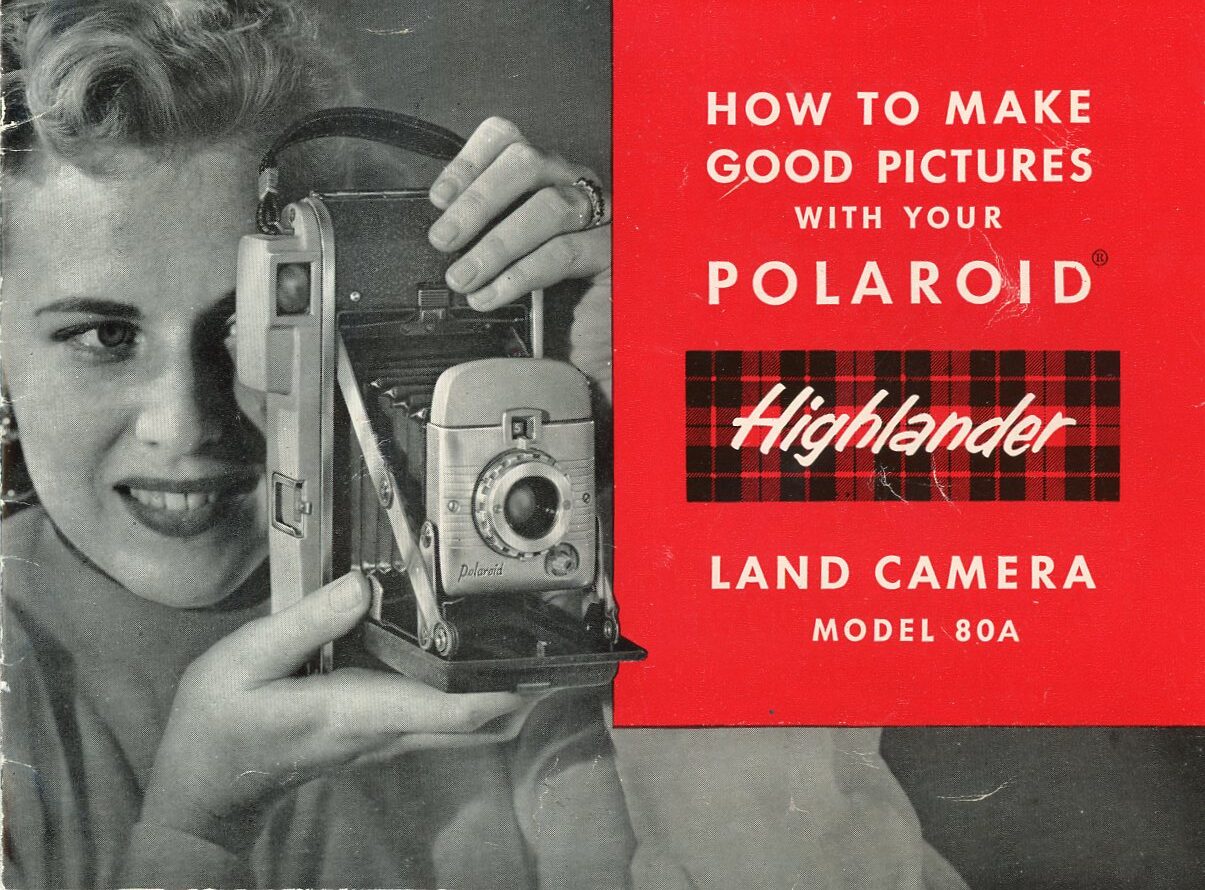
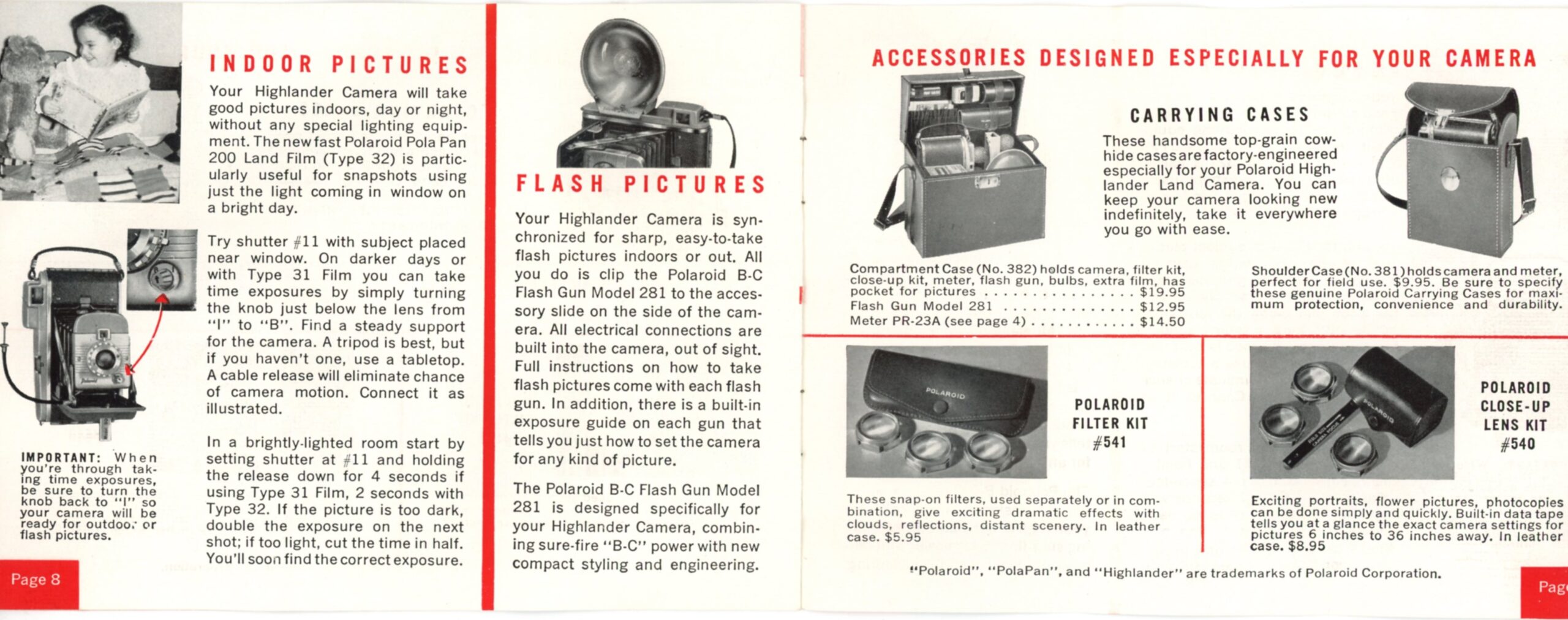
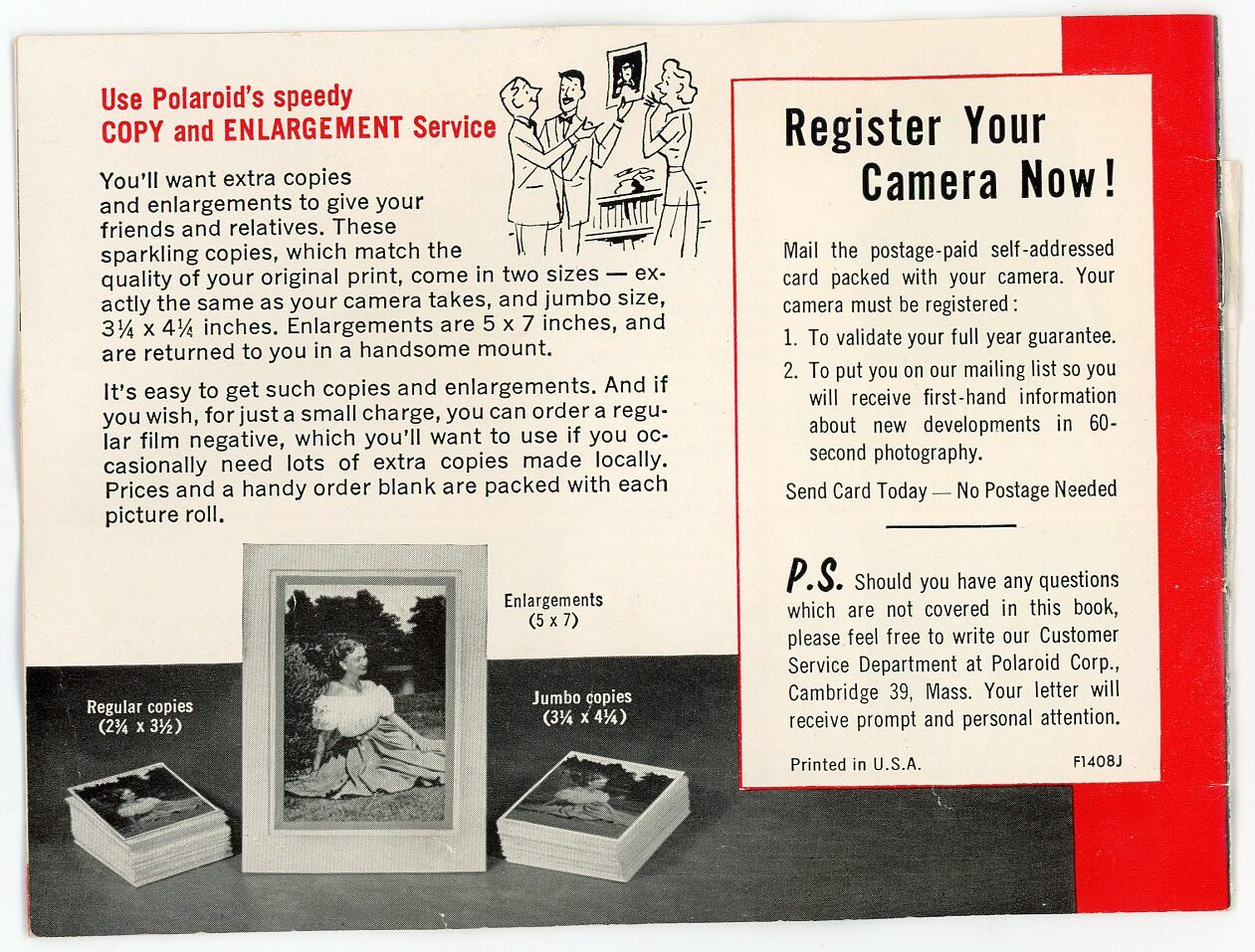
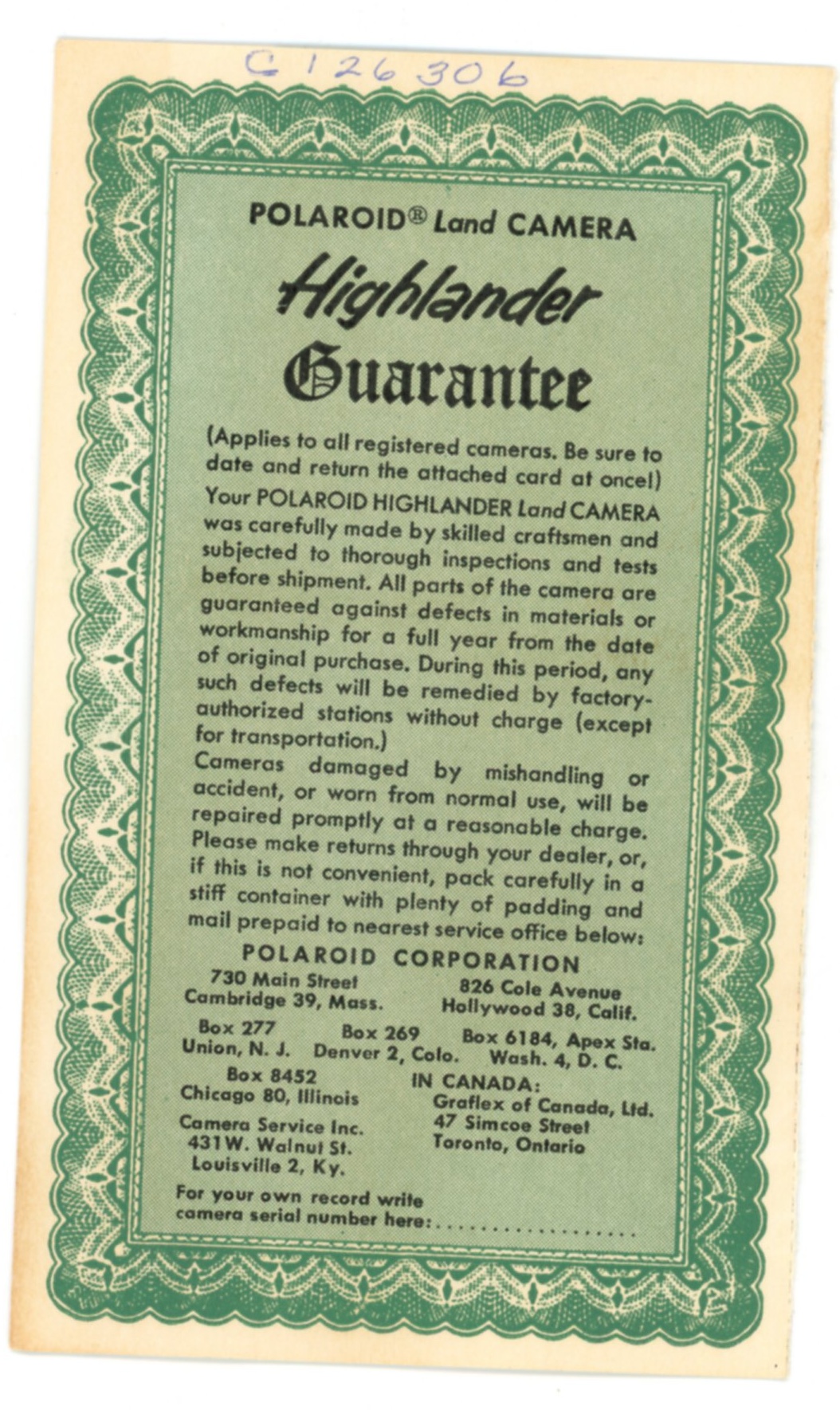
Polaroid Highlander Model 80 Series
By the late 1950s, Polaroid began refining its designs. The result was the Model 80 series, often nicknamed the “Highlander.”
These cameras were smaller, lighter, and used a more compact film format (30-series roll film). The goal was clear: make instant photography more portable and approachable for everyday users.
Key Specs:
- Film: 30-series roll film
- Print size: 2½” x 3¼”
- Lens: 100mm f/8.8 (3-element)
- Shutter: 1/25 sec, 1/100 sec + Bulb
- Exposure: Standard EV scale
- Viewfinder: Rigid mounted finder with parallax compensation
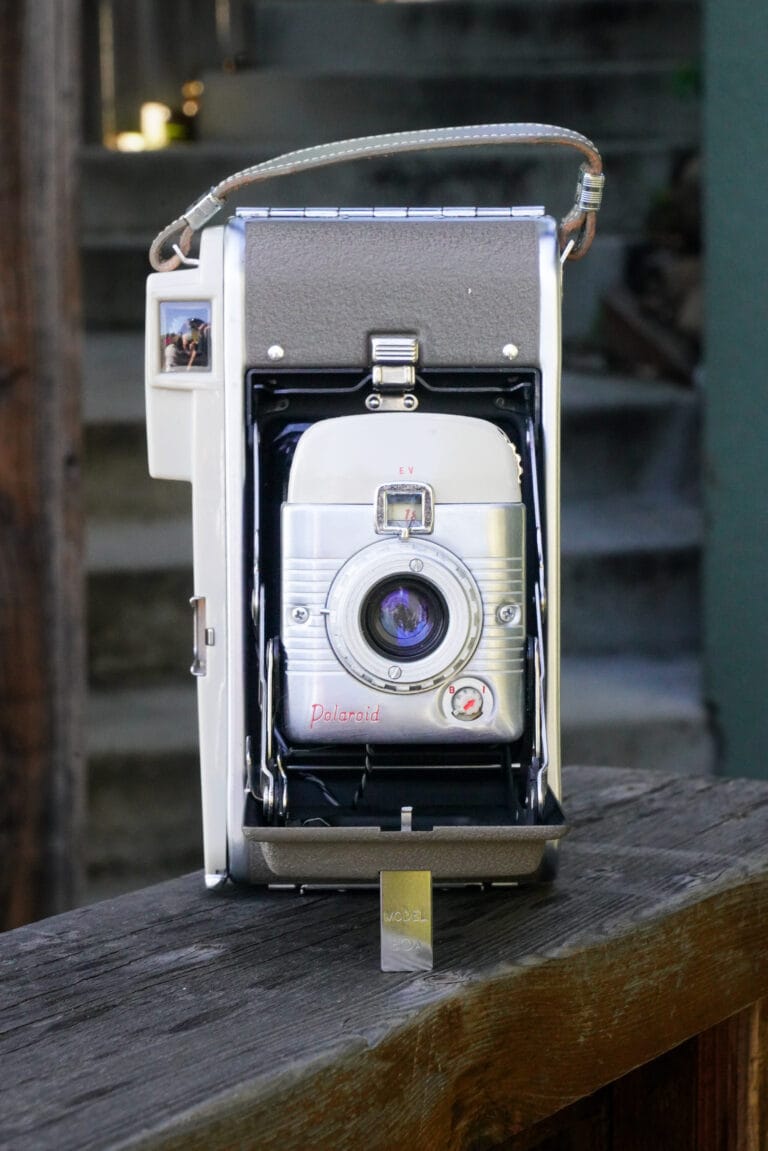
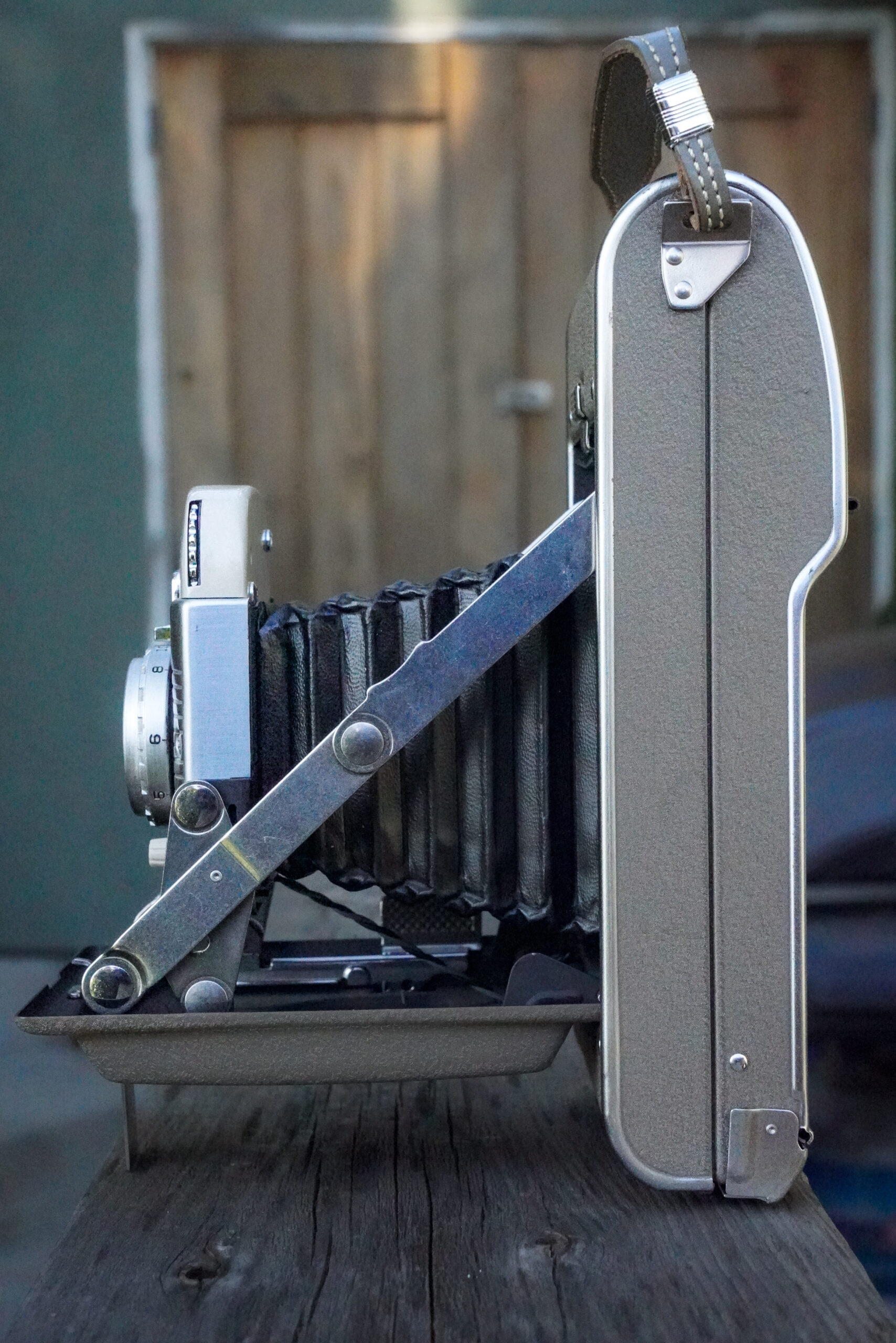
Polaroid 80A (1957–1959)
The 80A was an updated version of the original Model 80 and introduced a shift from the earlier “Light Value” numbering system to a standardized EV (Exposure Value) scale.
This change made exposure settings more intuitive and aligned more closely with broader photographic standards of the time.
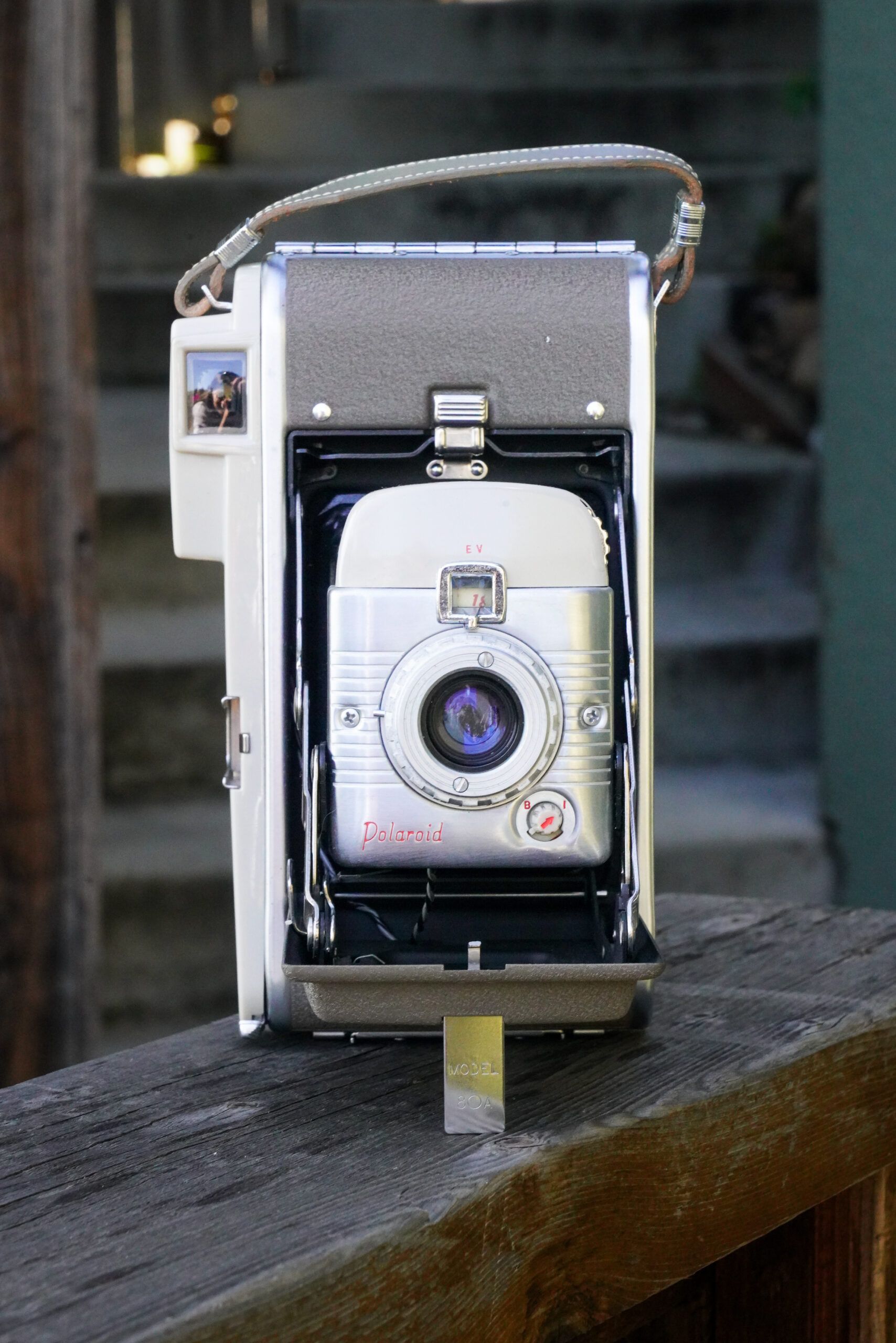
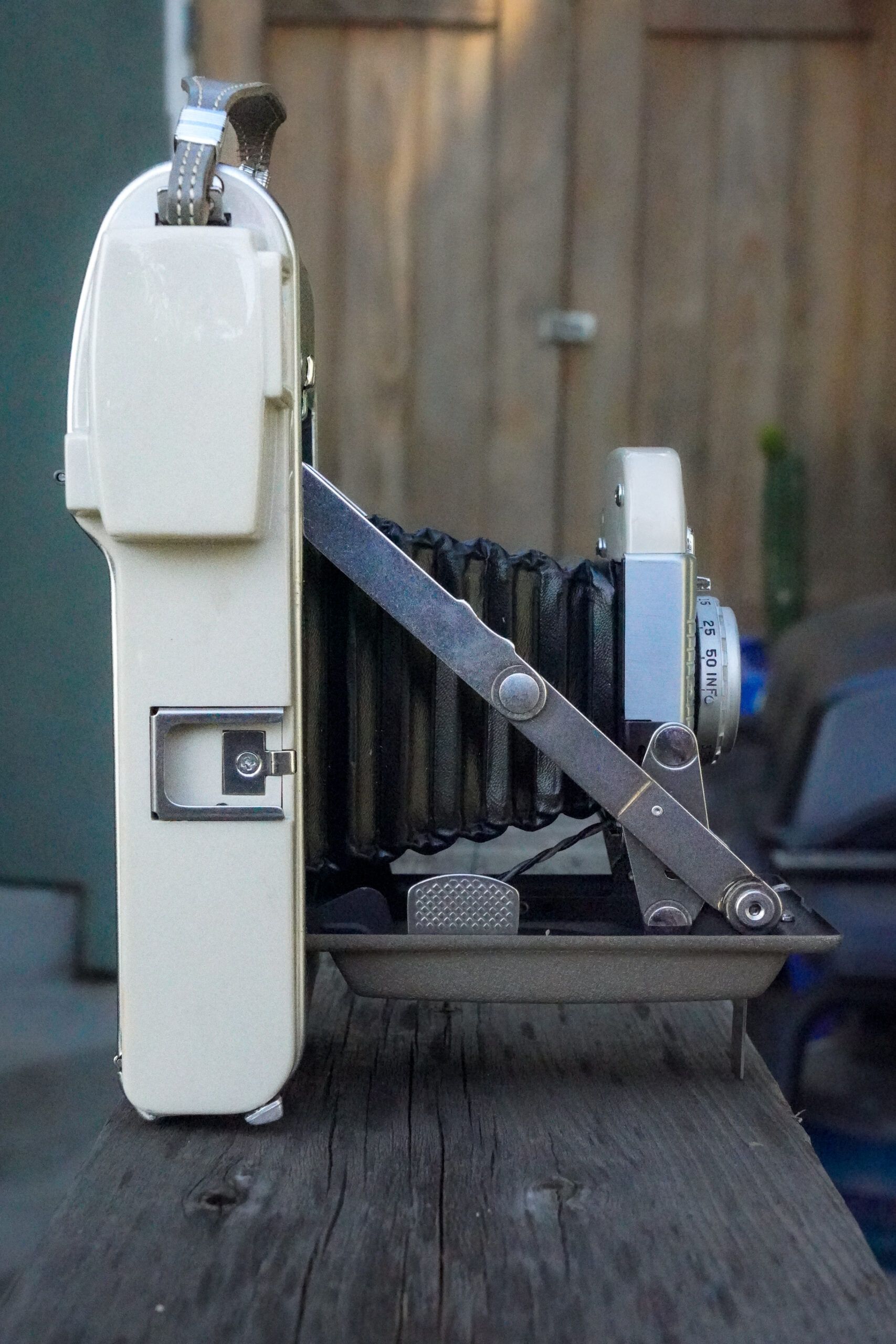
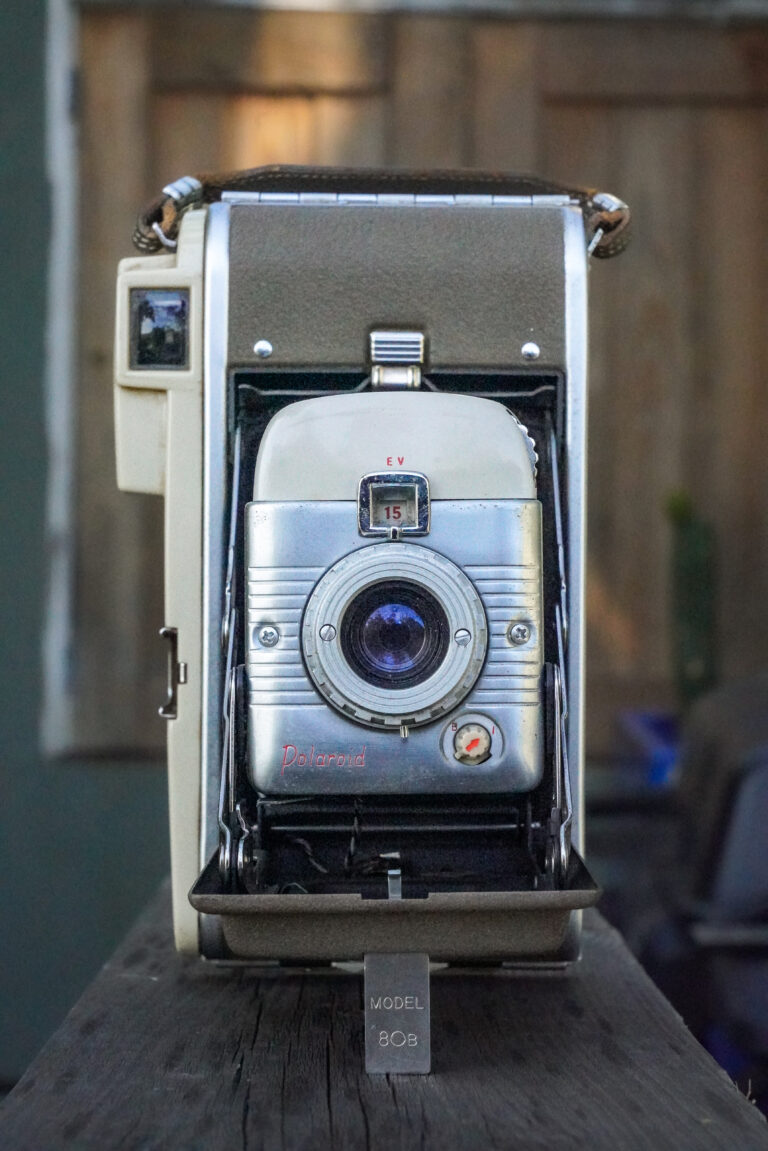
Polaroid 80B (1959–1961)
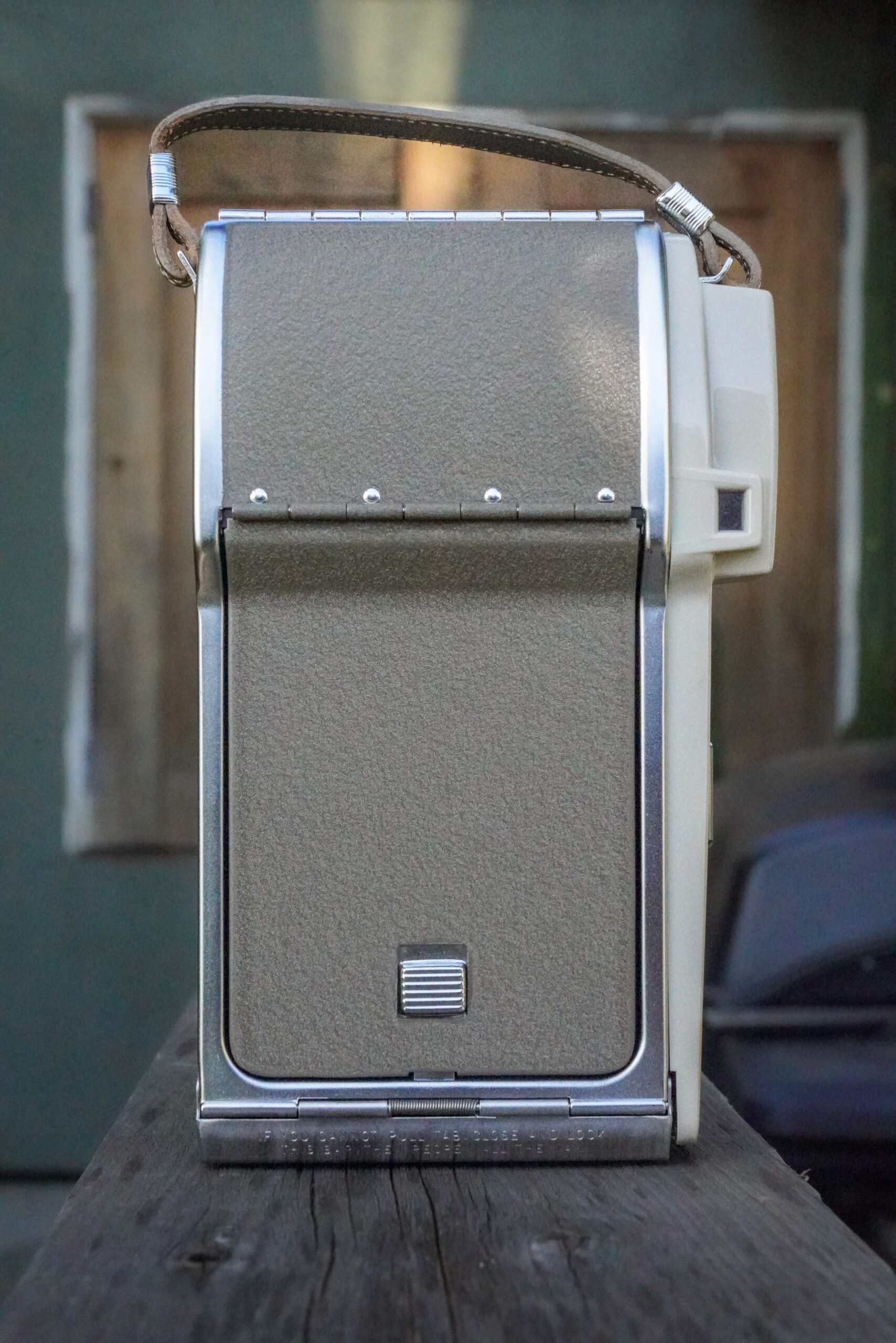
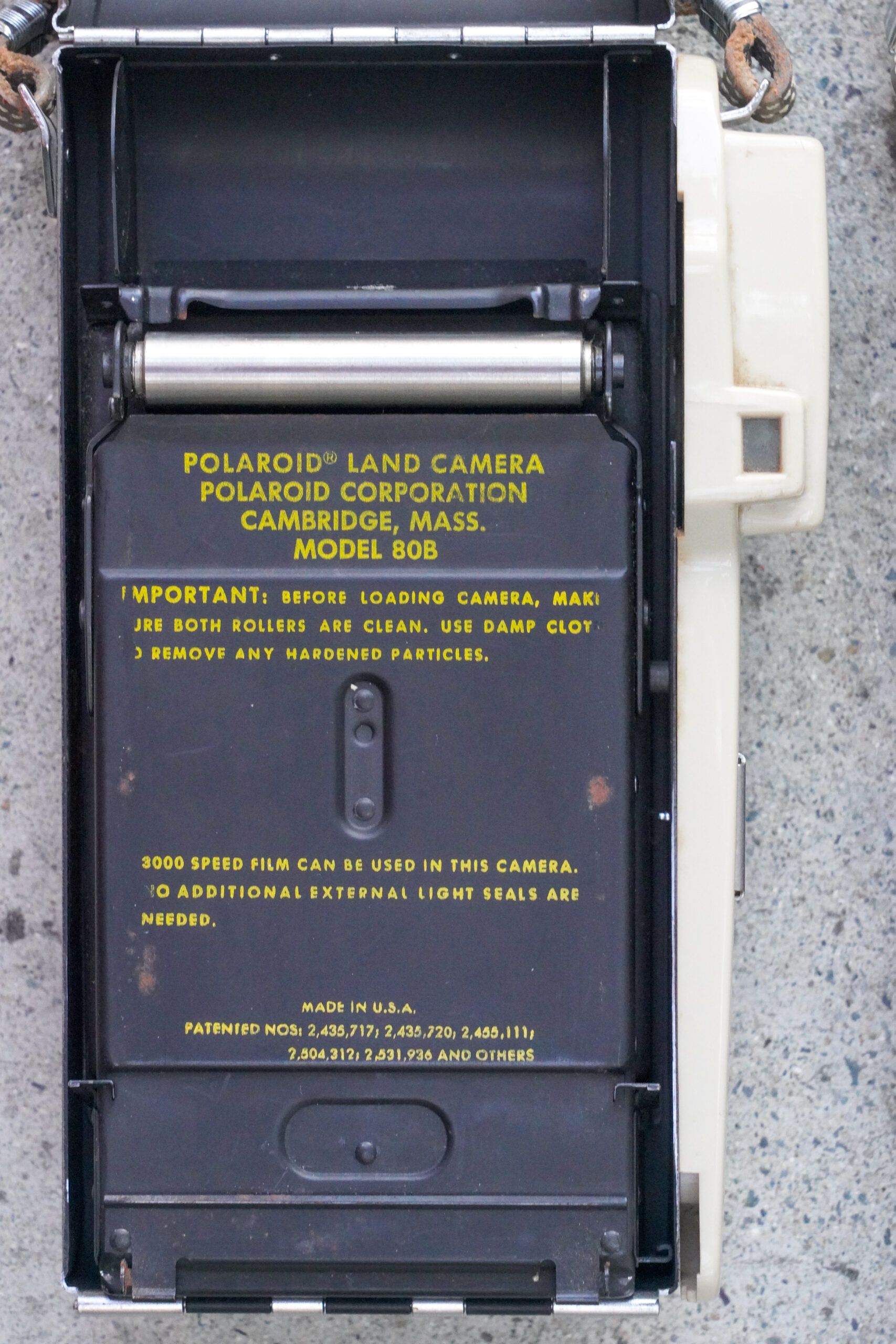
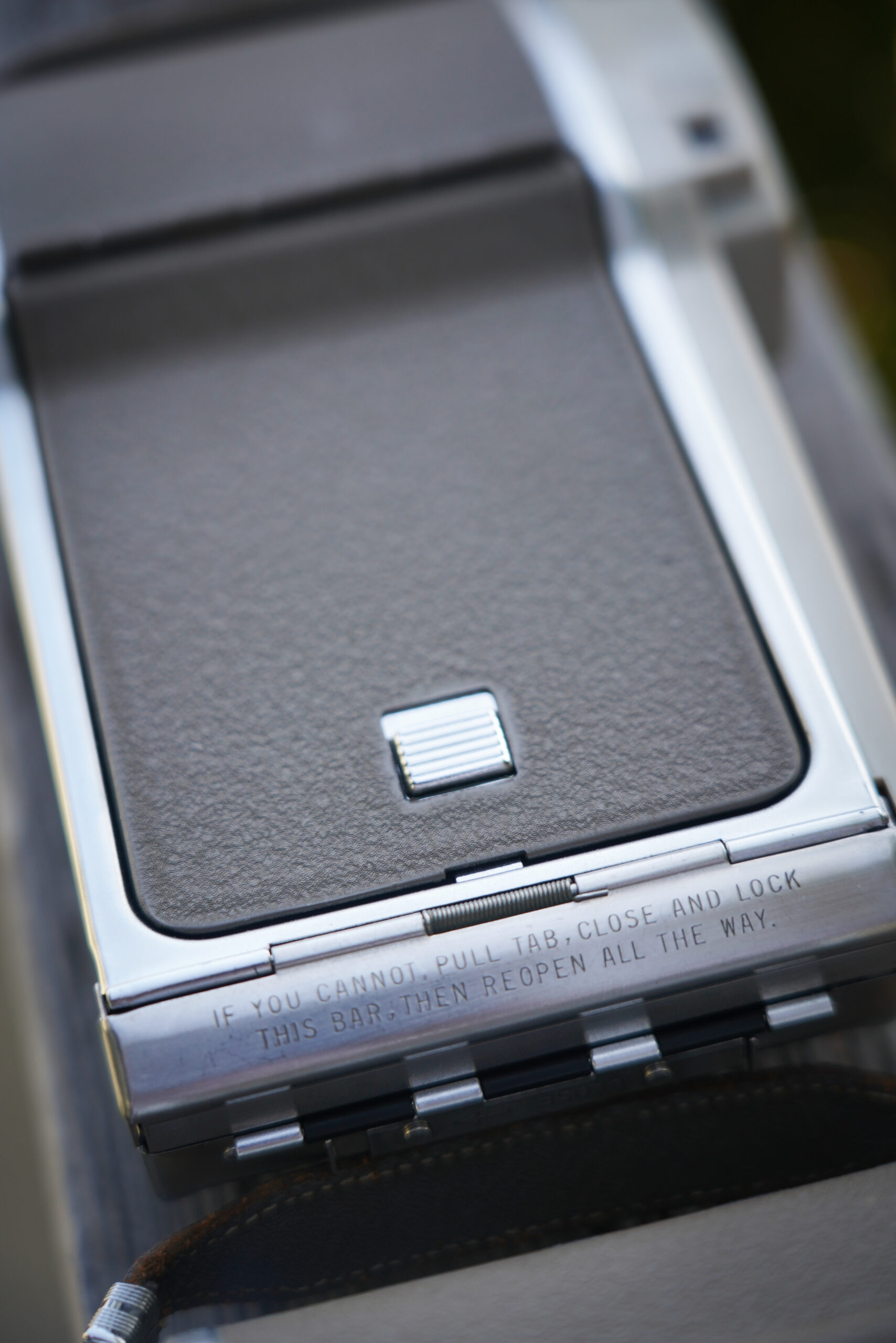
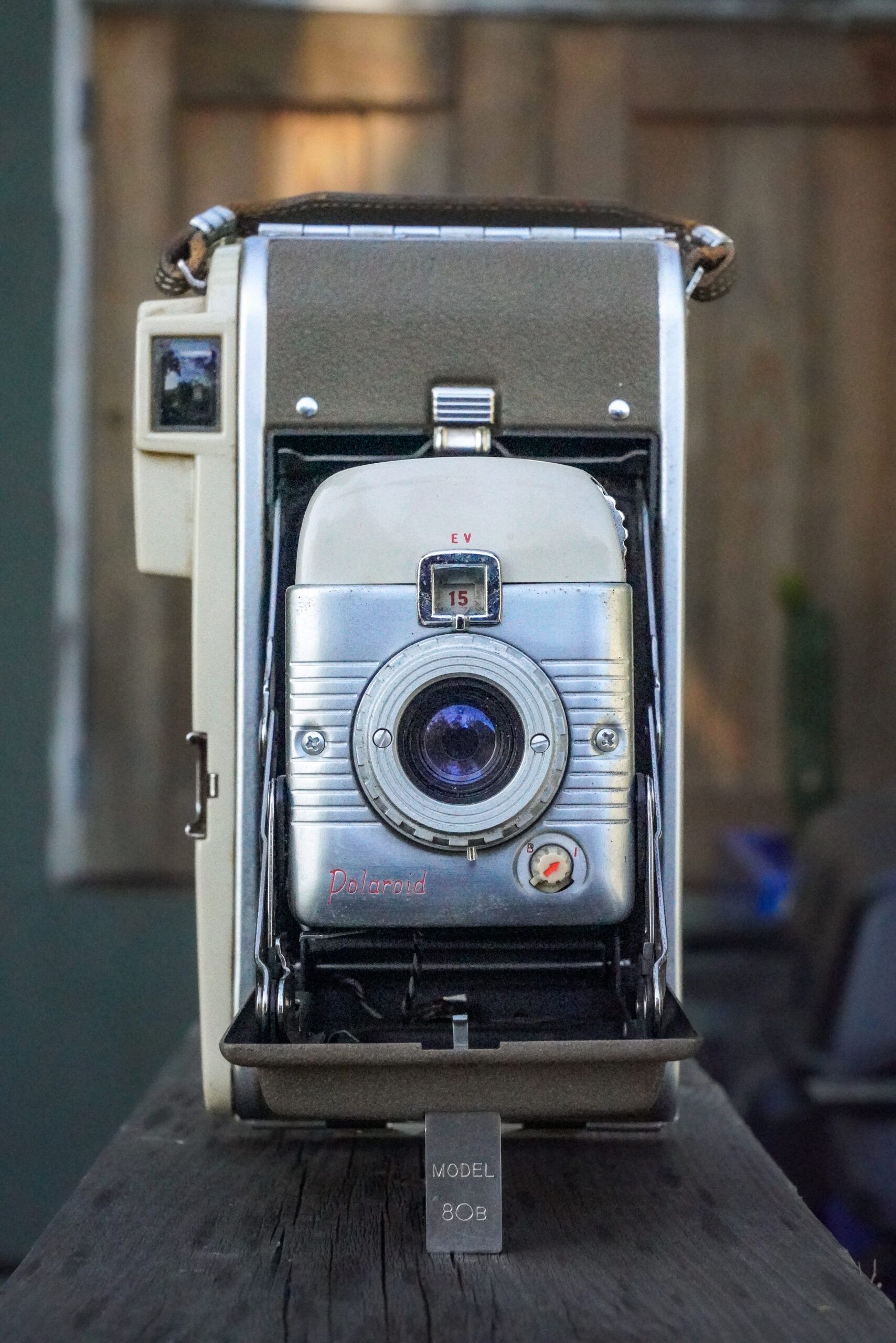
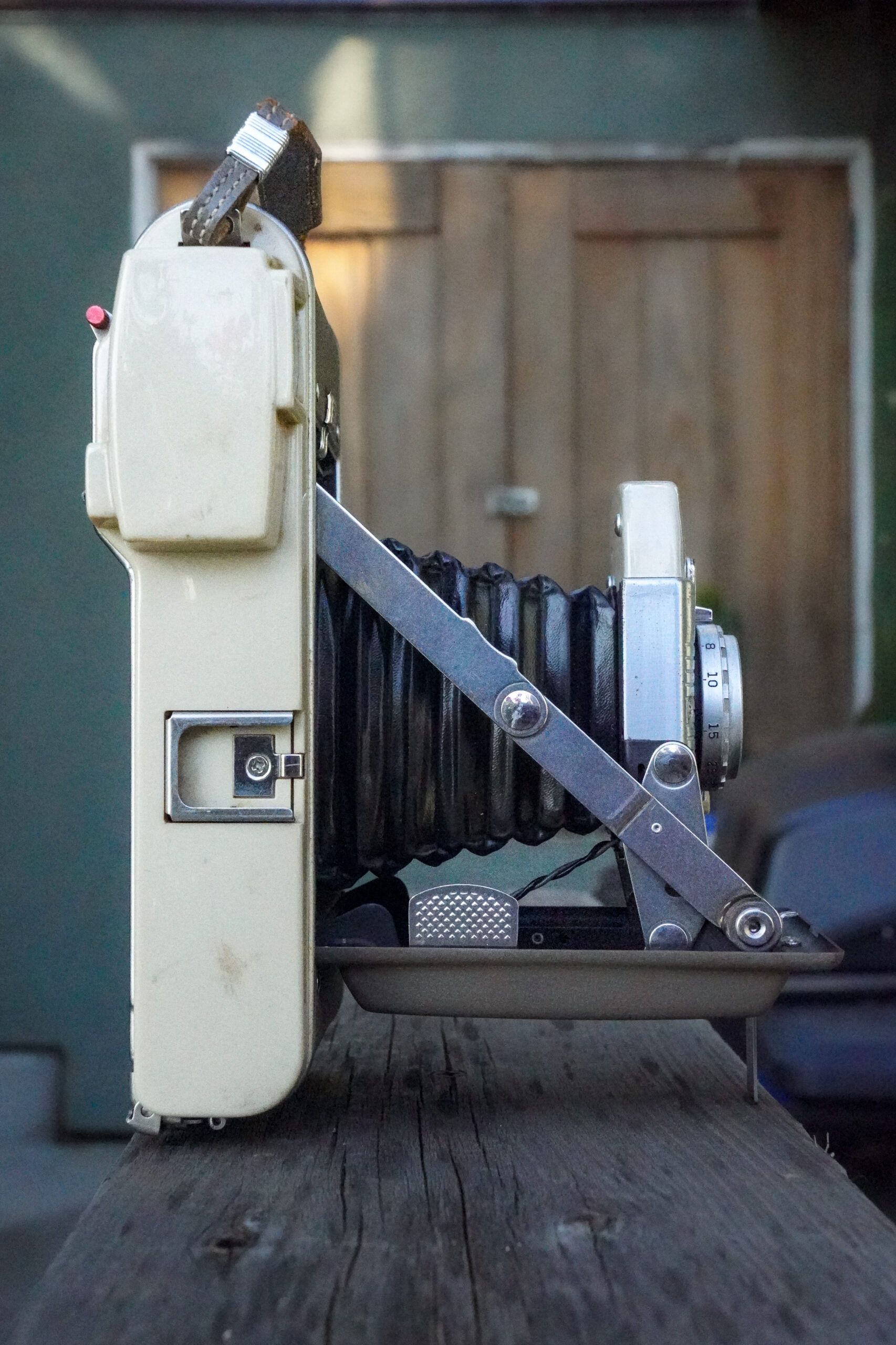
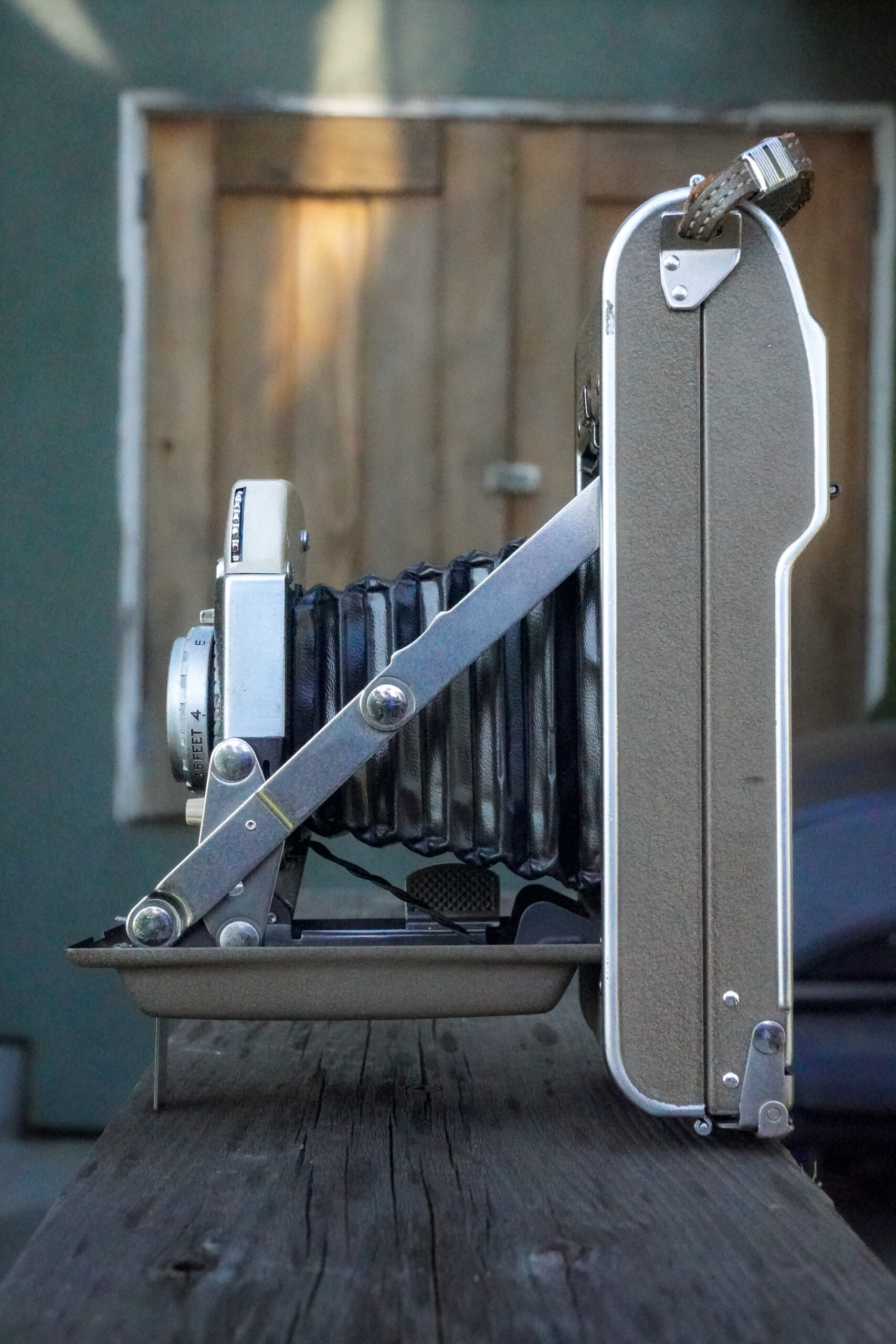
The 80B was the final iteration of the 80 series. It continued using the EV exposure system and maintained nearly identical core specs to the 80A.
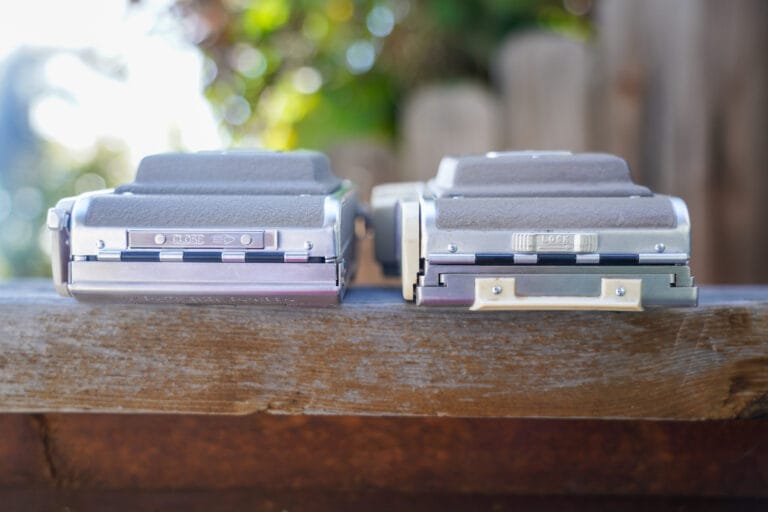
The differences were subtle — primarily refinements to the film cutter bar and film release mechanism.
While minor, these mechanical updates reflect Polaroid’s continued improvement of user experience and reliability.
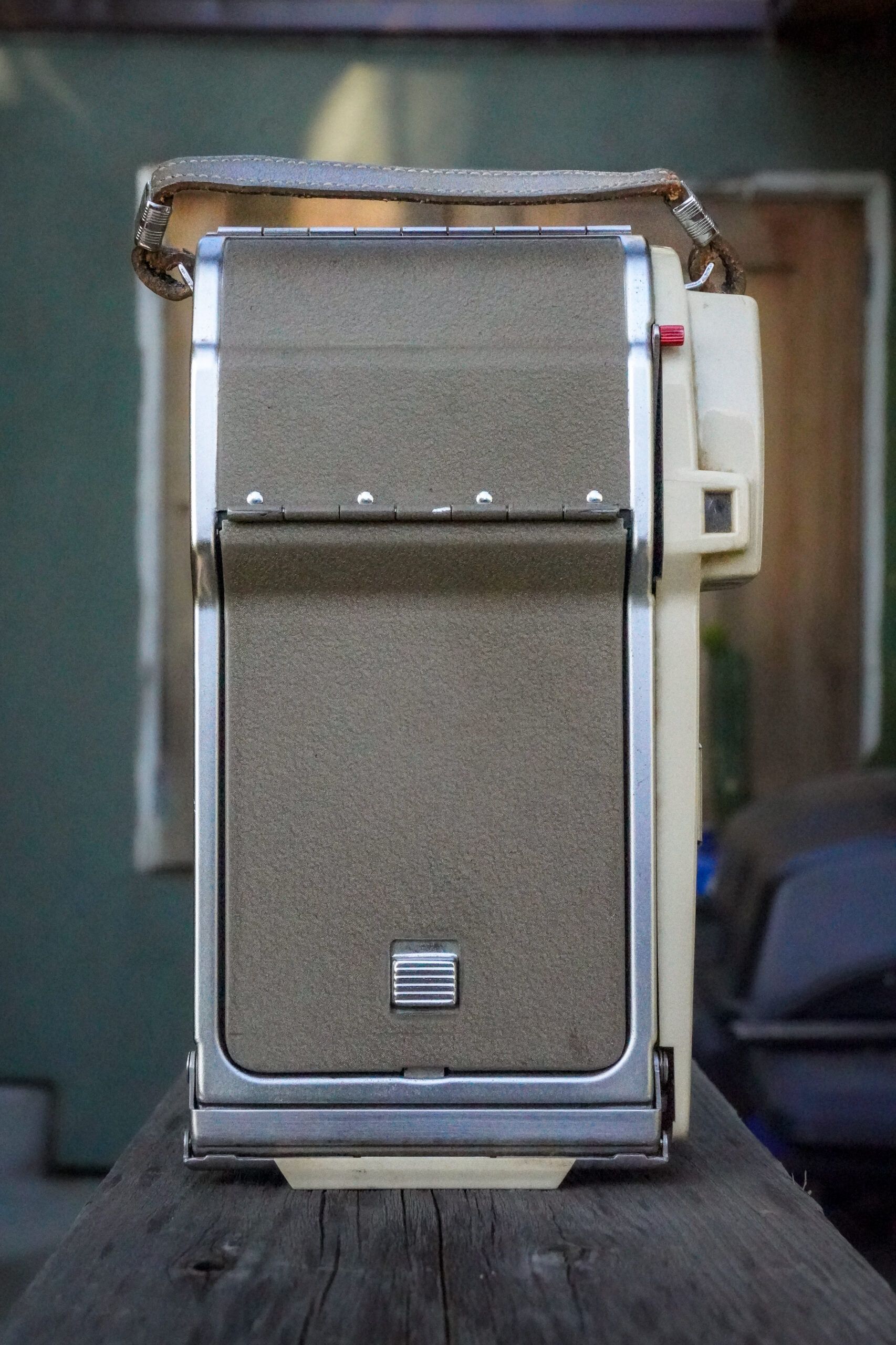
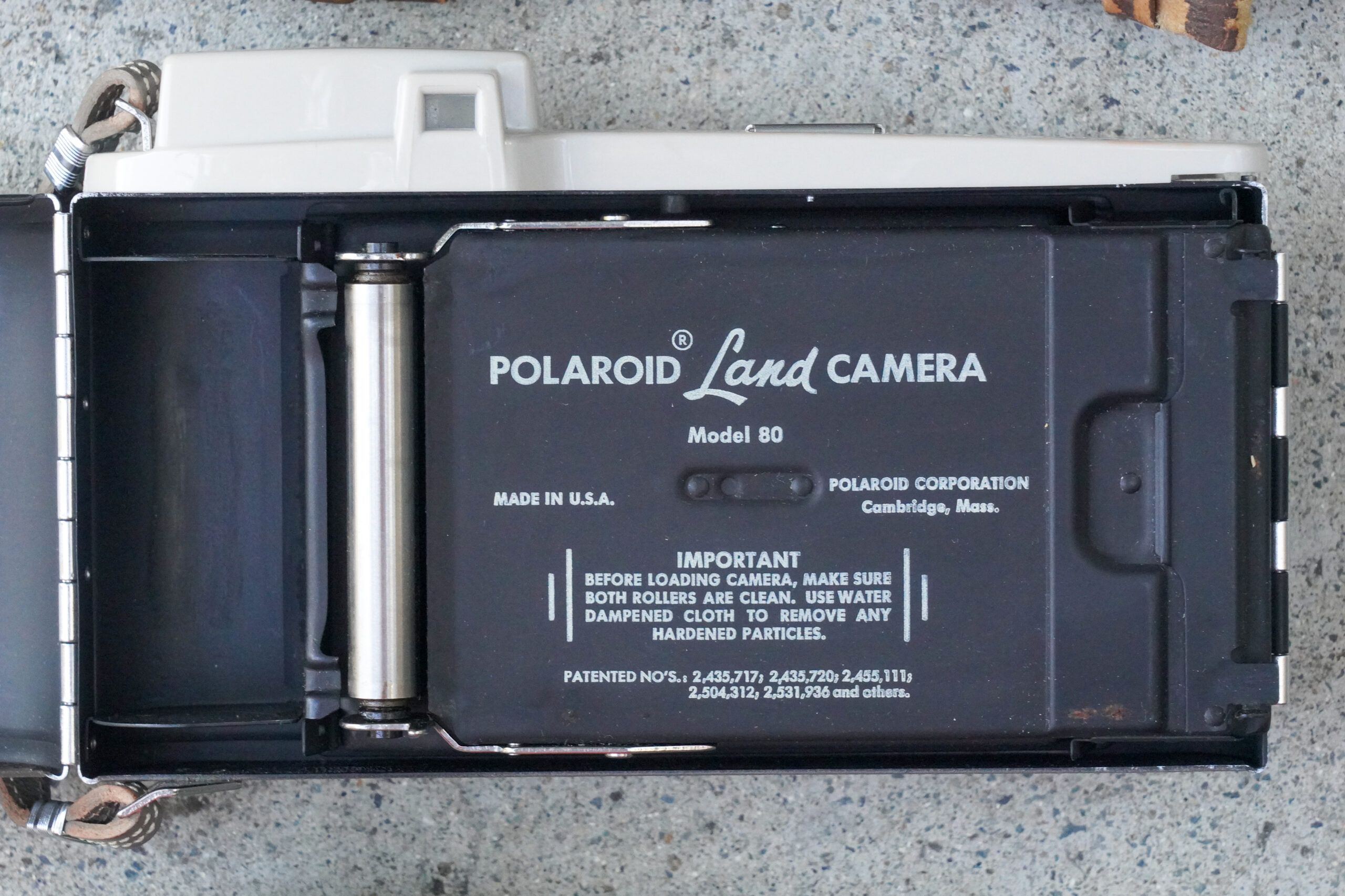
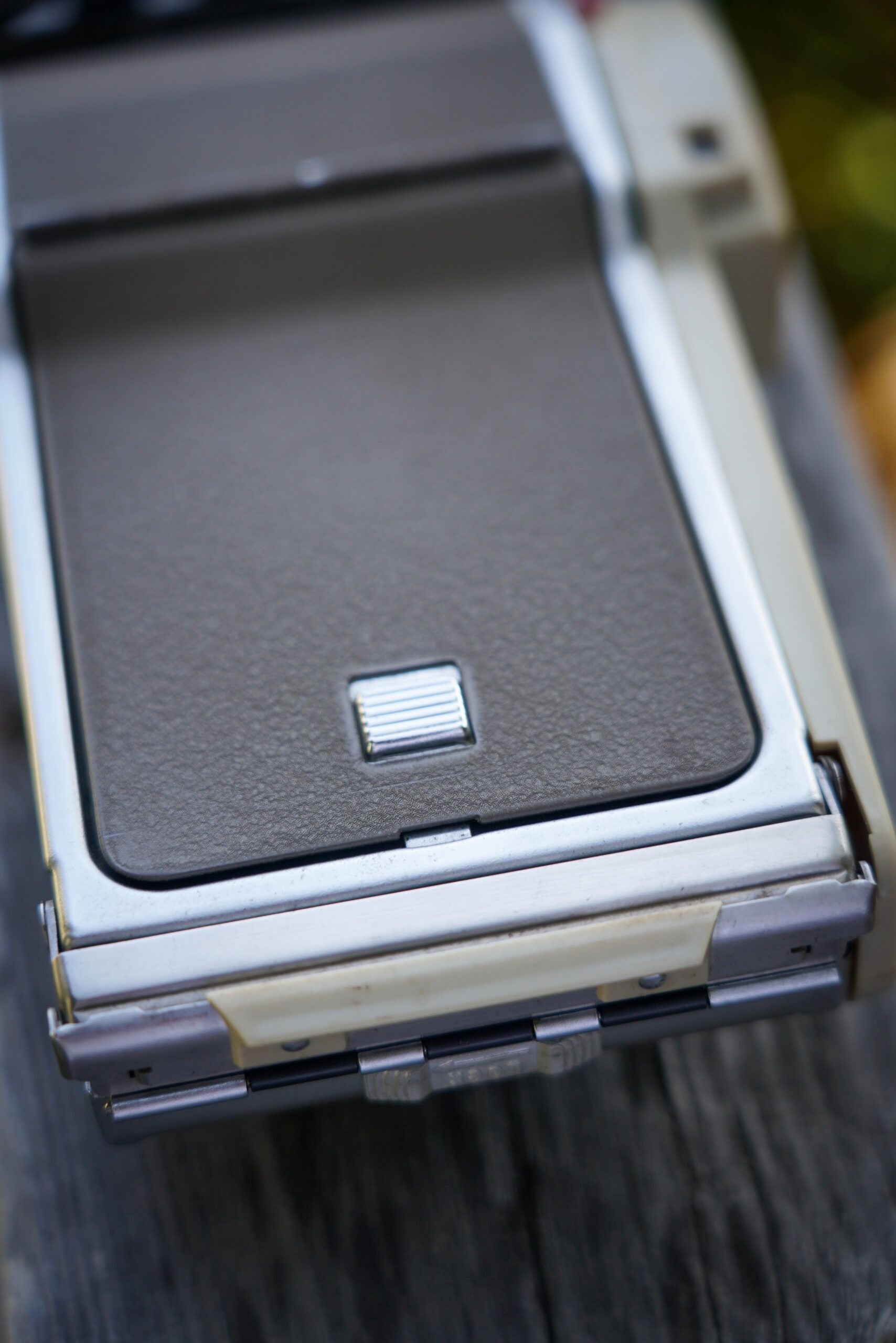
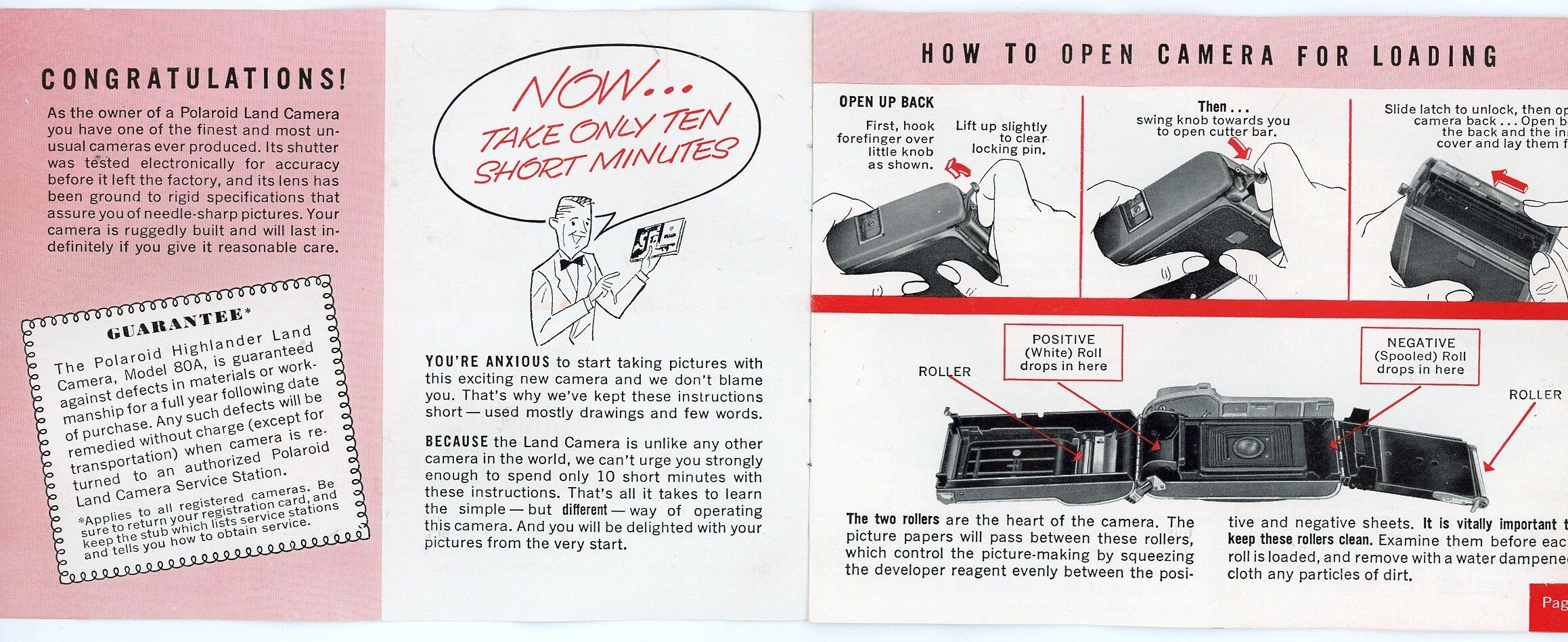
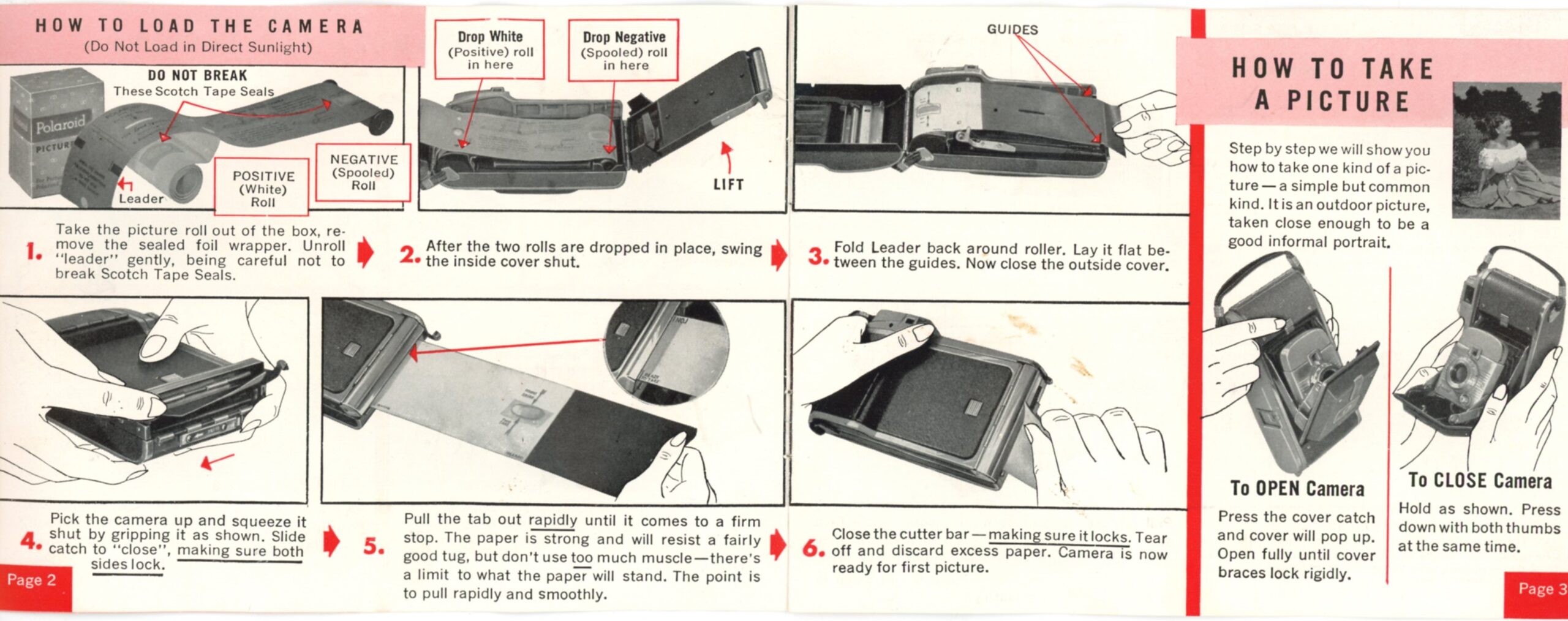
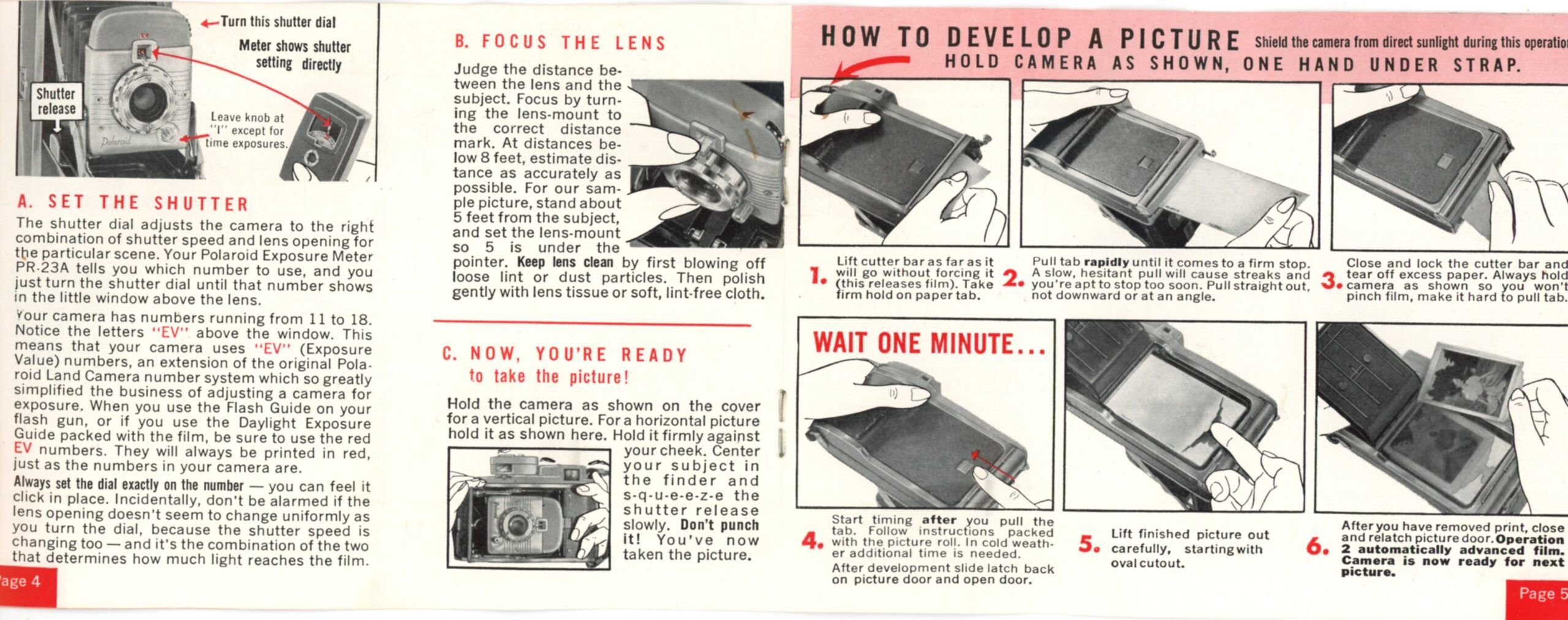
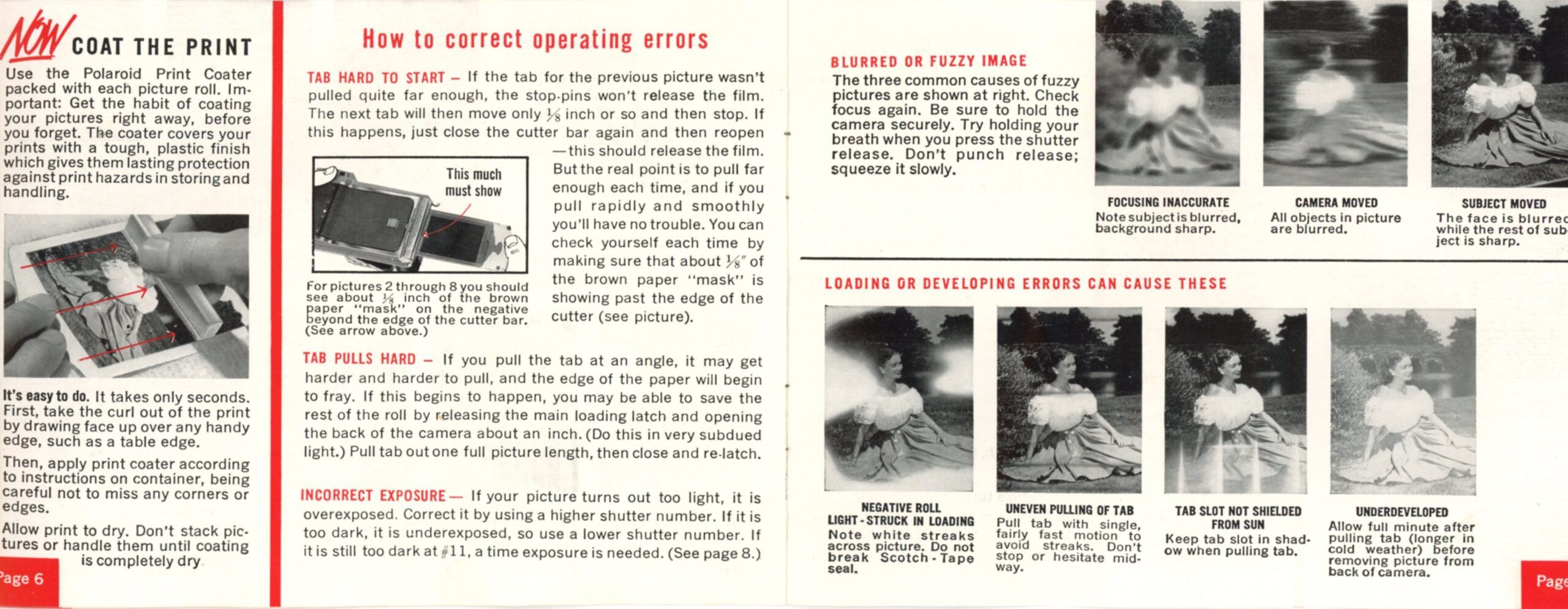
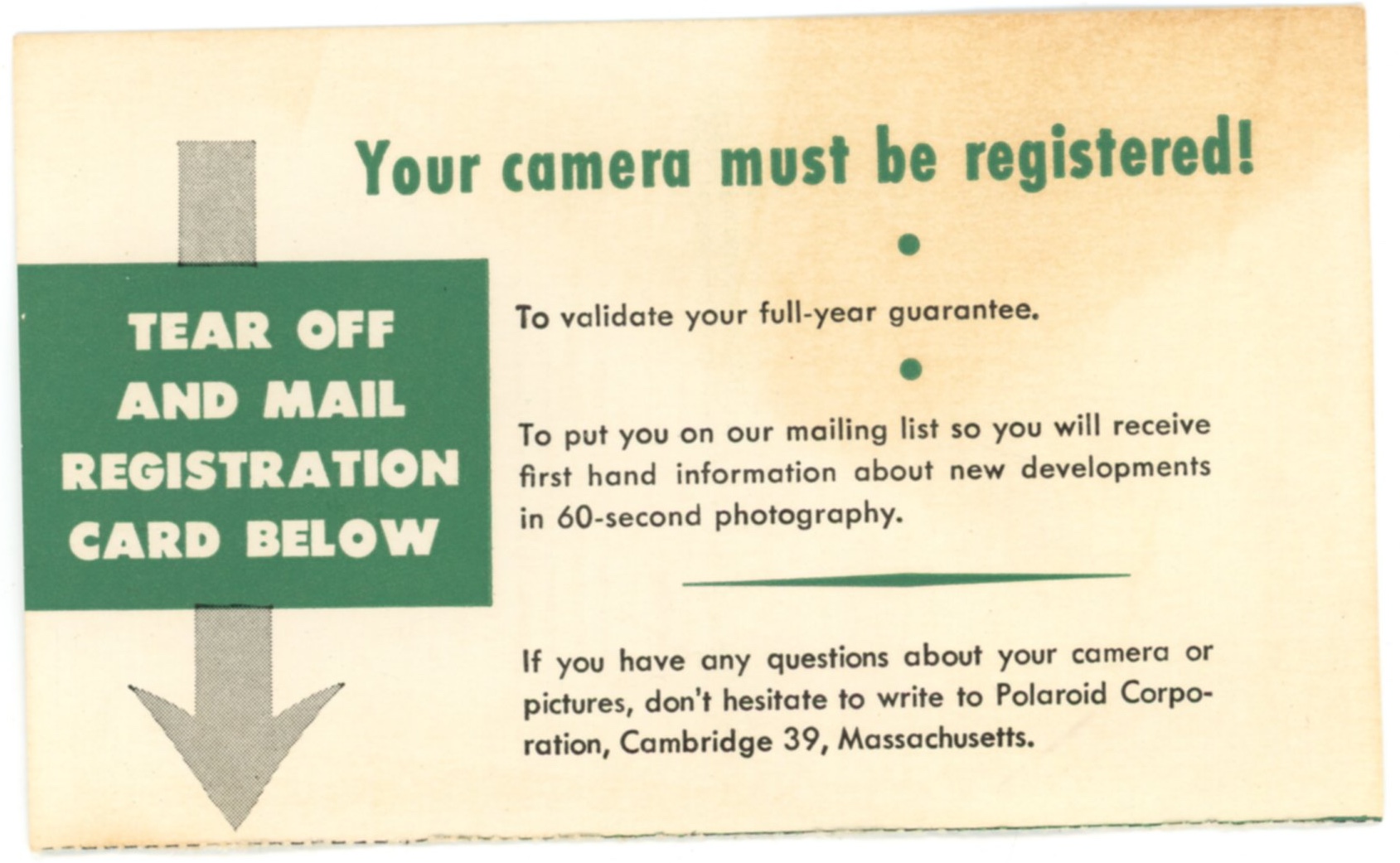
Instructions For 80-Series:
Specs & Technical Comparison
Detailed Differences
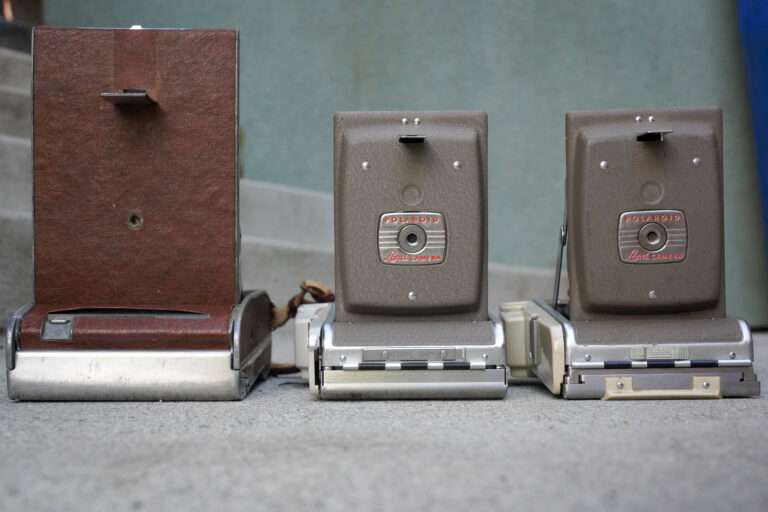
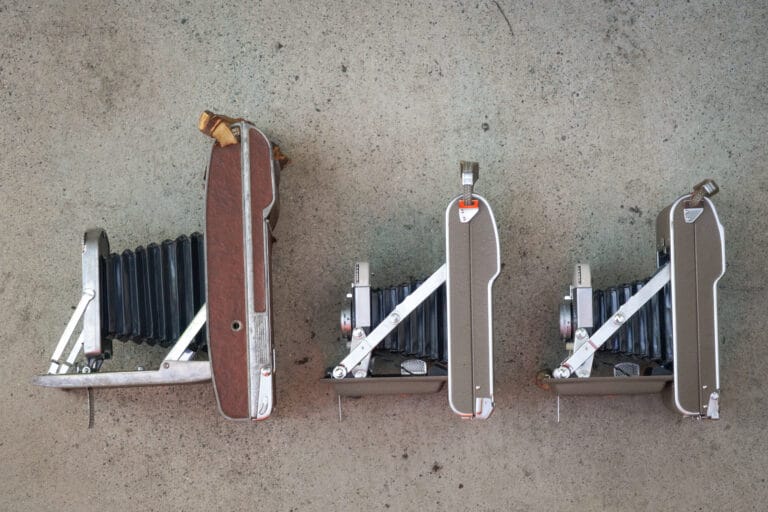
- Size & Weight: The Model 95 is substantially larger and heavier. In contrast, the 80 series feels far more portable, a key reason behind its “Highlander” nickname.
- Film Format: The 95 uses Type 40 series film (large, 3.25″ x 4.25″ print), while the 80A/80B use Type 30 series film (smaller, 2.5″ x 3.25″ print). The shift to smaller film reduced camera size and overall weight.
- Exposure Control: The 80A and 80B adopted a standardized EV scale, replacing the earlier Light Value system. This improved usability and aligned better with conventional photographic metering systems.
- Refinements (80A vs 80B): The 80B is nearly identical to the 80A, with minor improvements to the film cutter and release mechanism.
- Viewfinder: The 80 series features a rigid, mounted viewfinder on top of the camera, whereas early Model 95s had a collapsible, wire-frame style viewfinder.
Overall: The original Model 95 is historically significant as the first of its kind, while the 80 series represents Polaroid’s early attempts to make instant photography more accessible and portable.
Film for the Polaroid Model 95, 80A & 80B
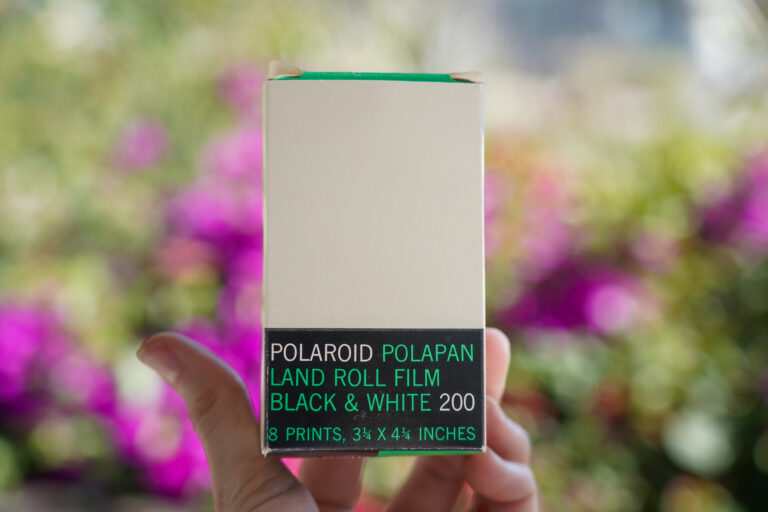
One of the most common questions about early Polaroid roll film cameras is: Can you still buy film for them?
Unfortunately, no.
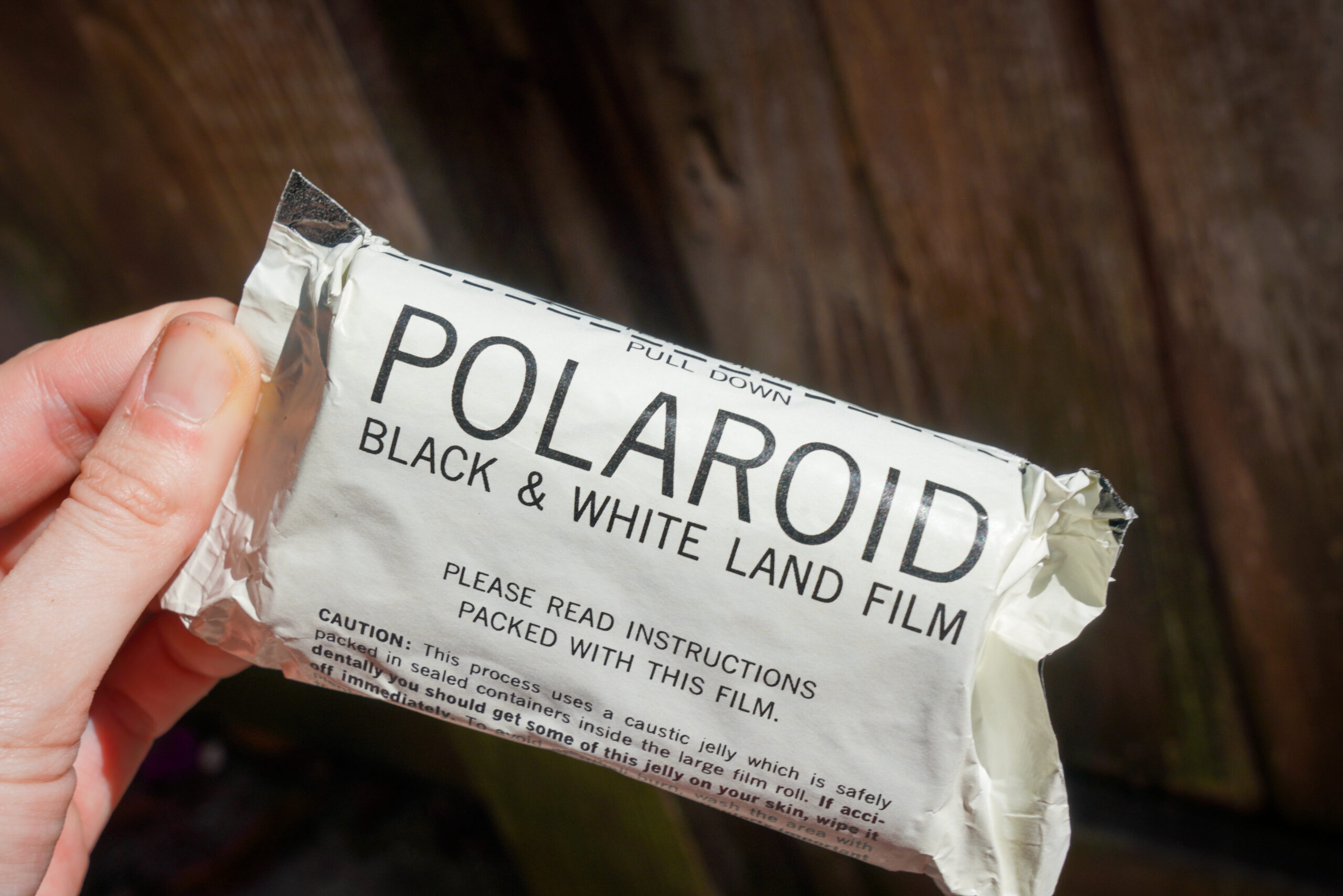
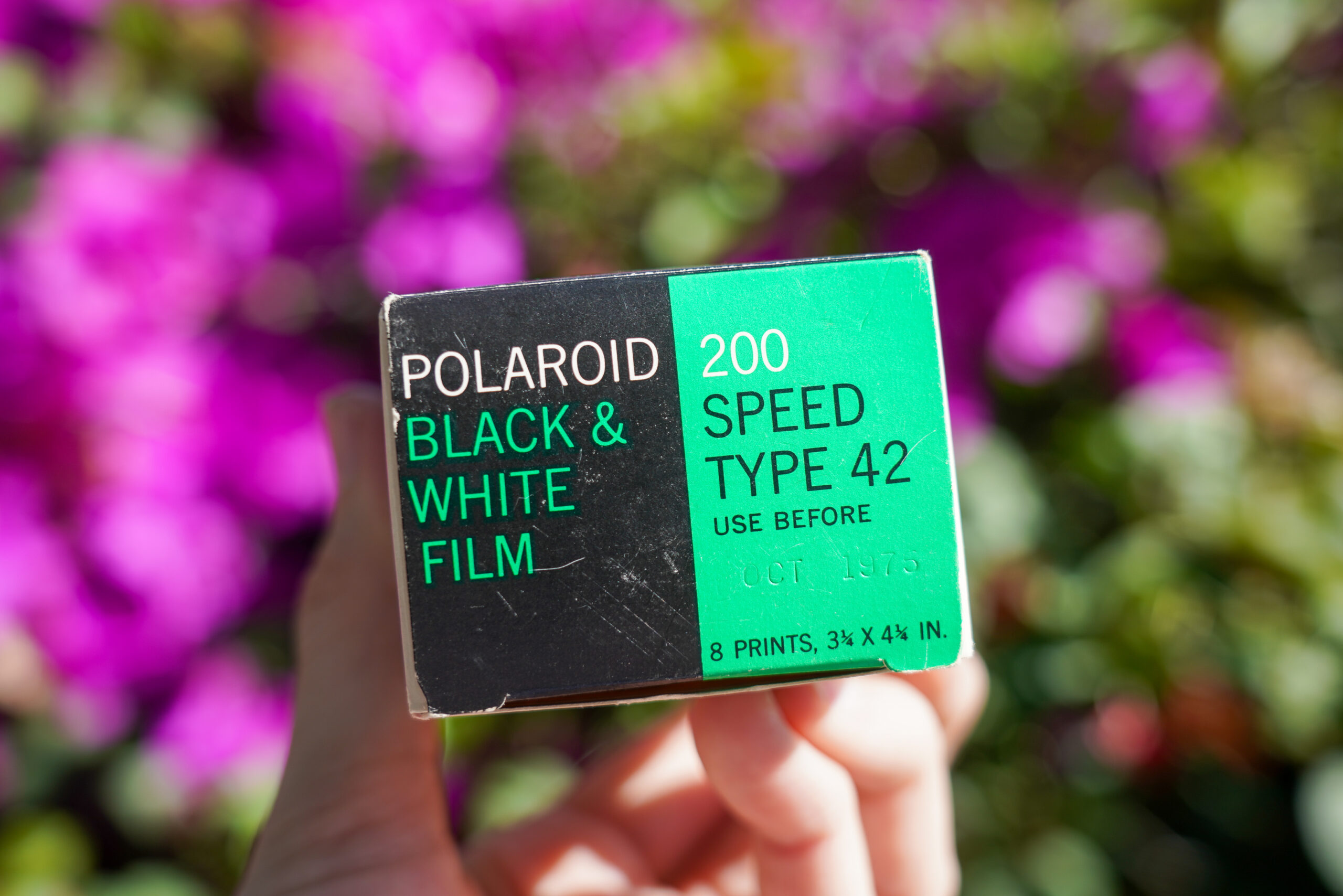
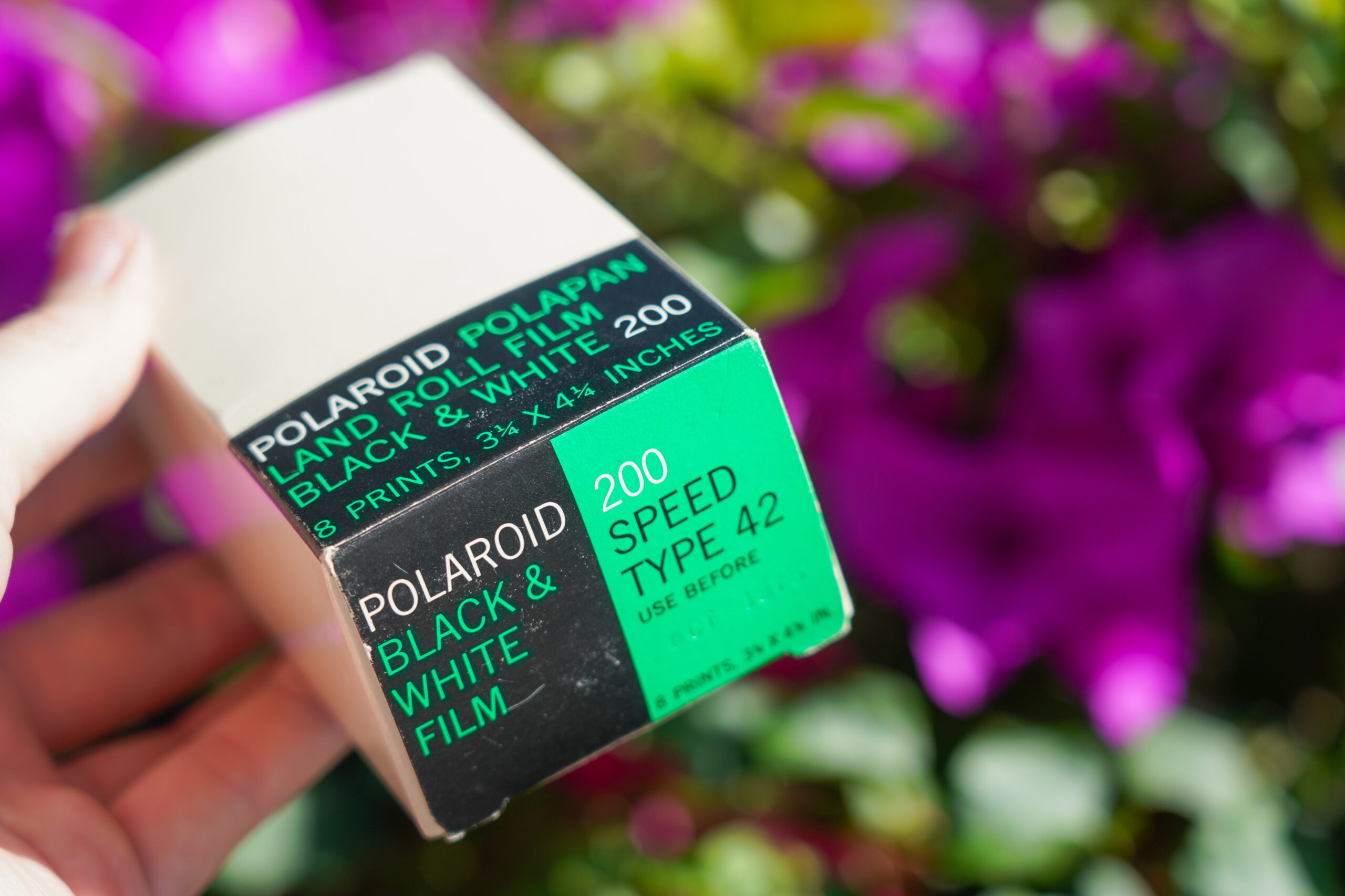
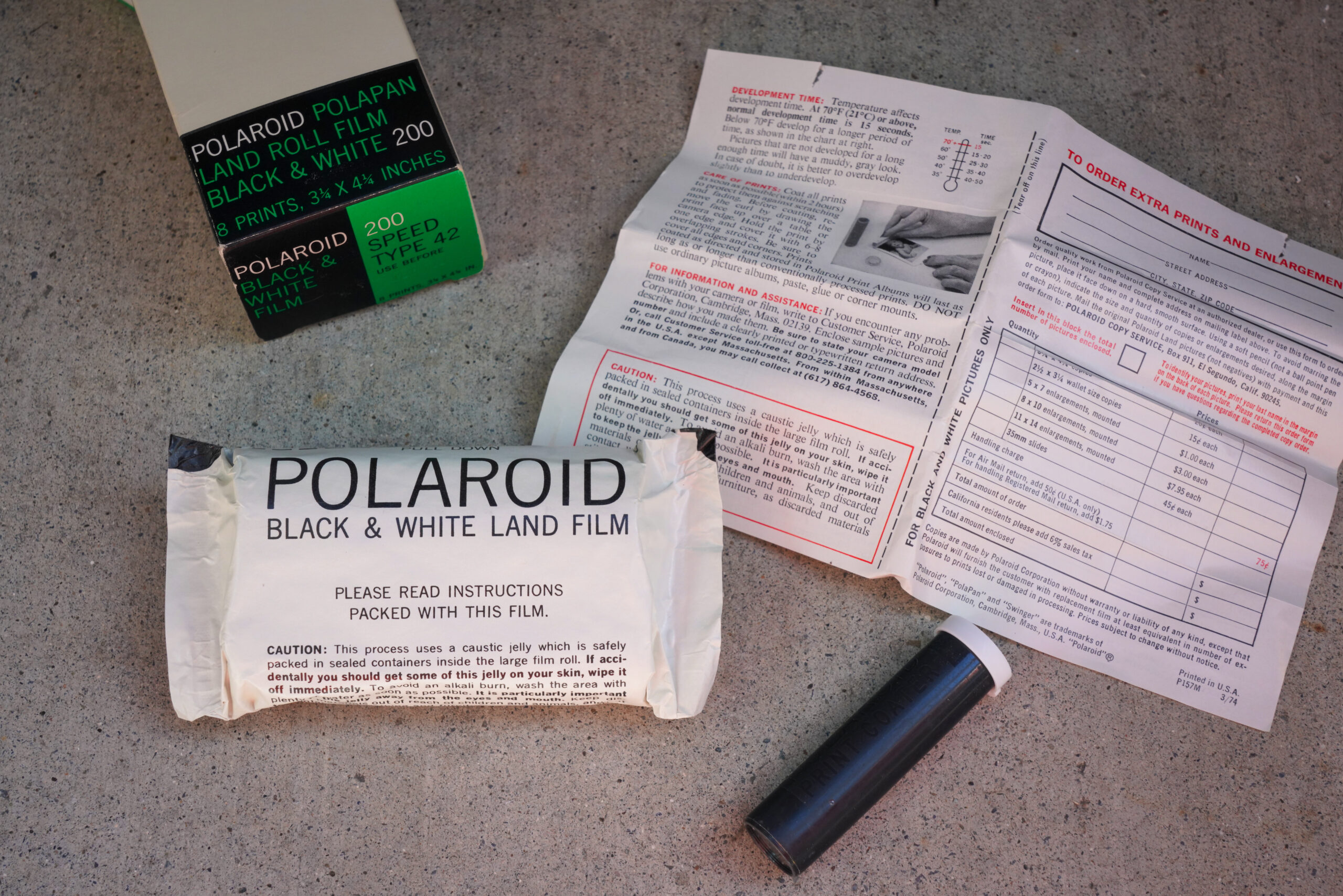
The Model 95 used 40-series roll film, and the 80A/80B used 30-series roll film. Both film types were discontinued decades ago — most roll film production ended by the early 1990s.
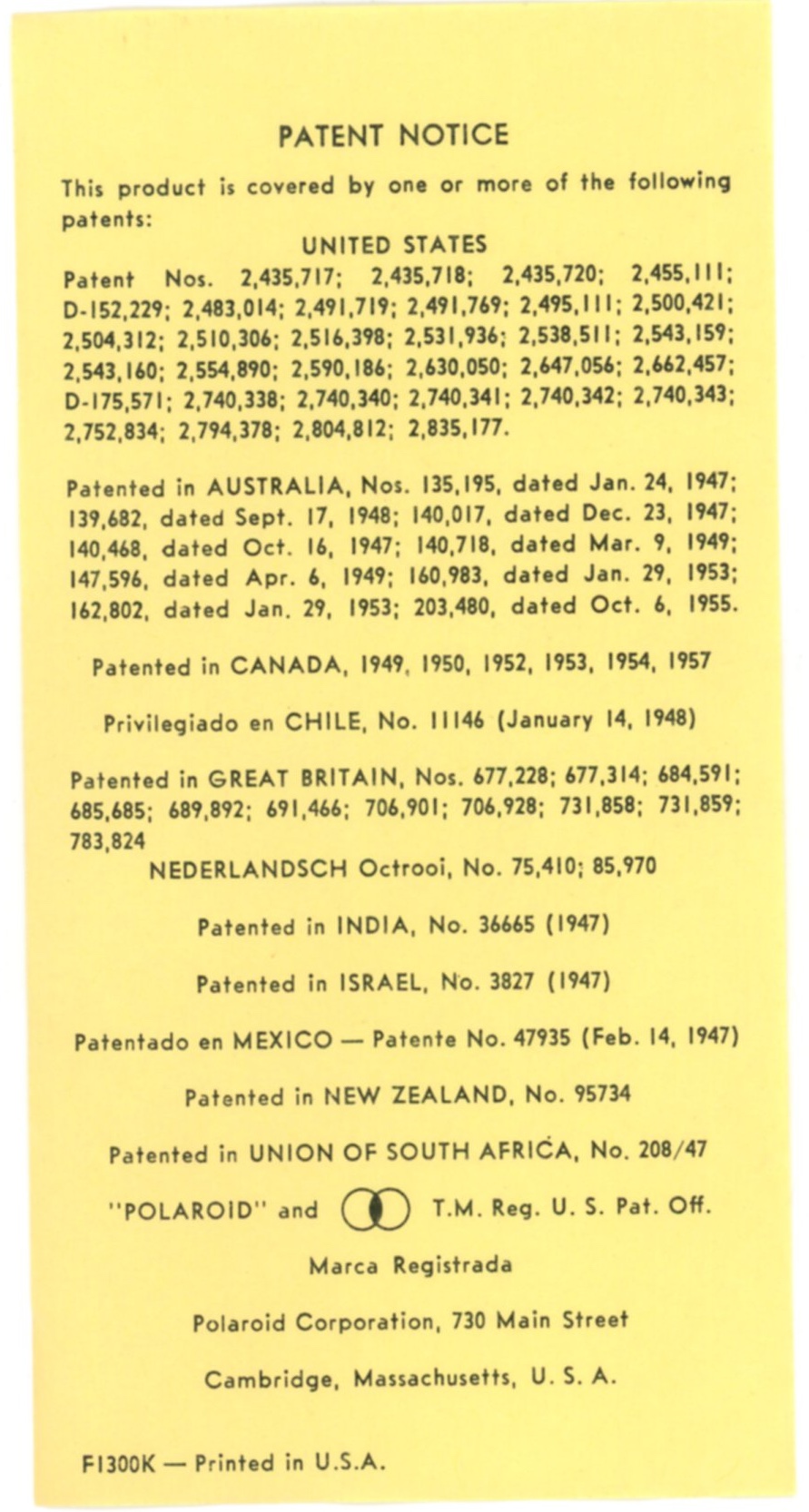
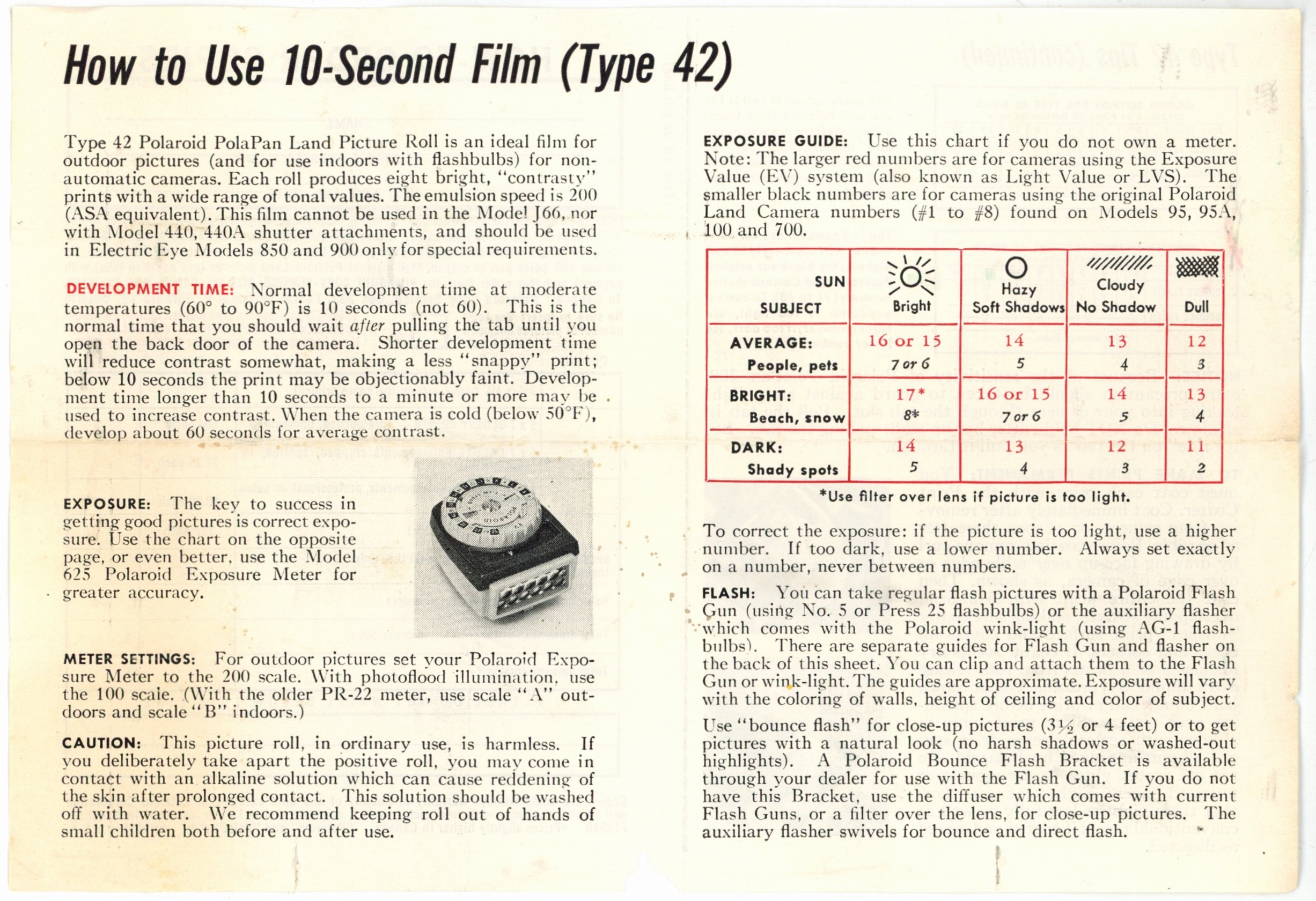
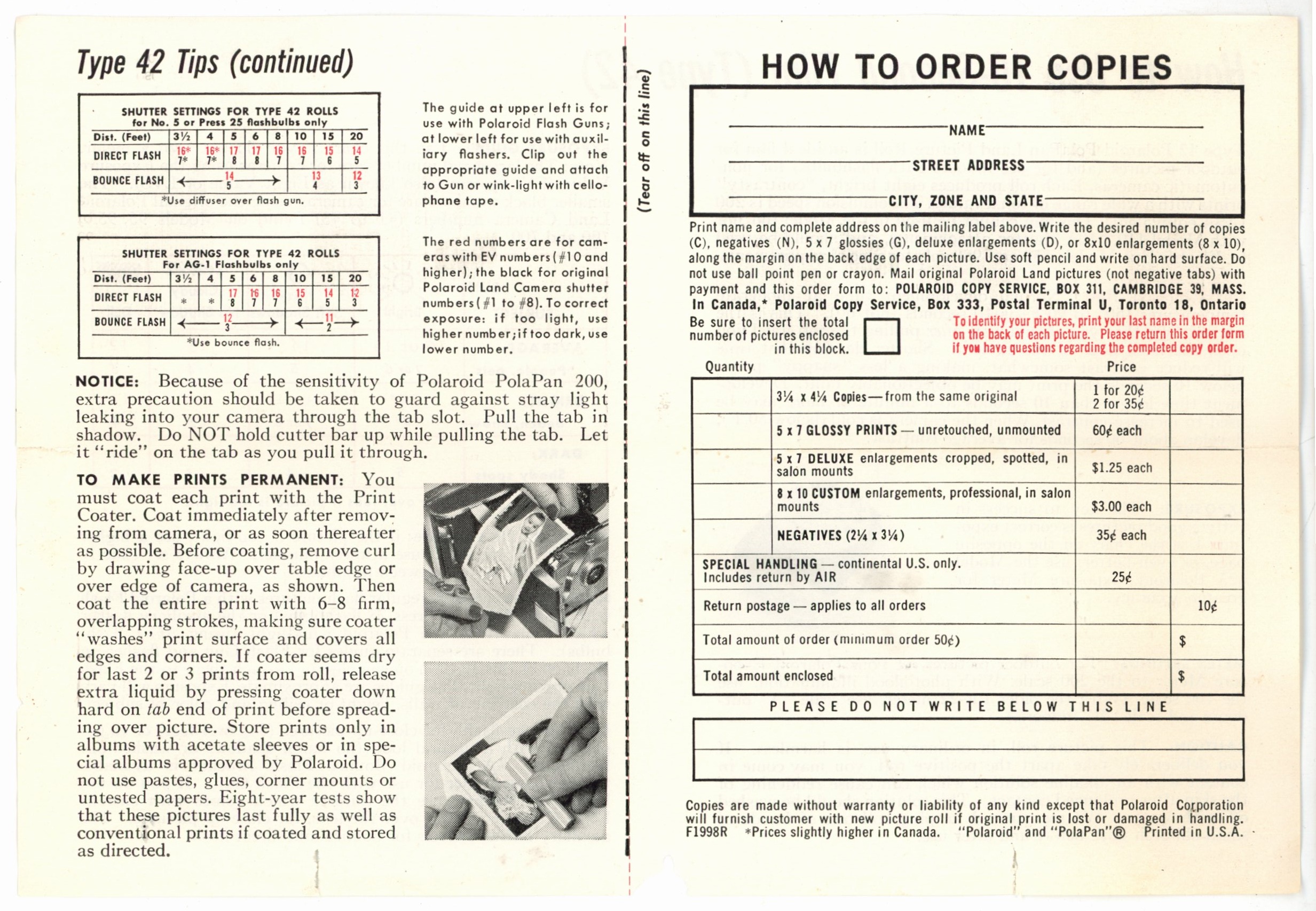
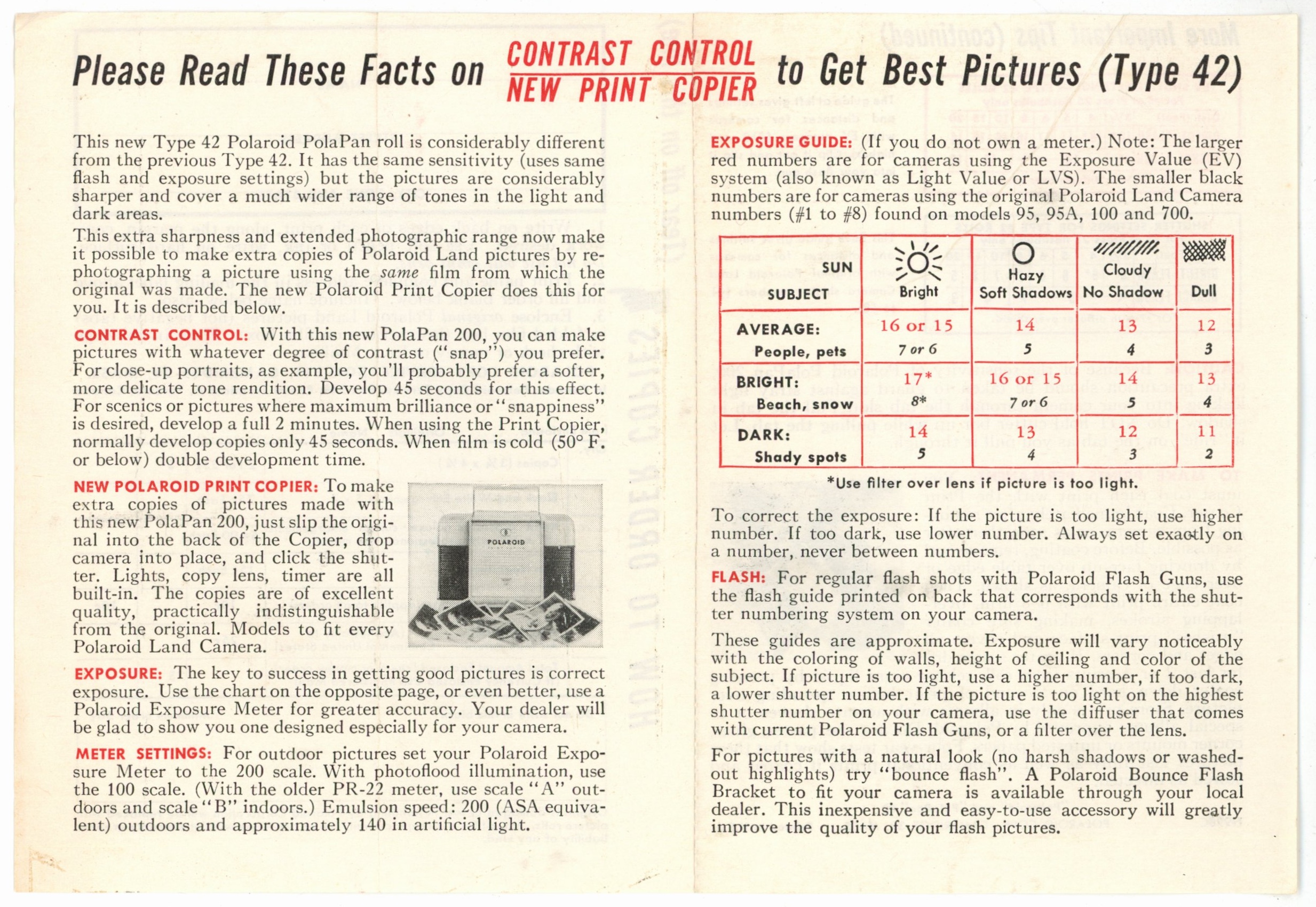
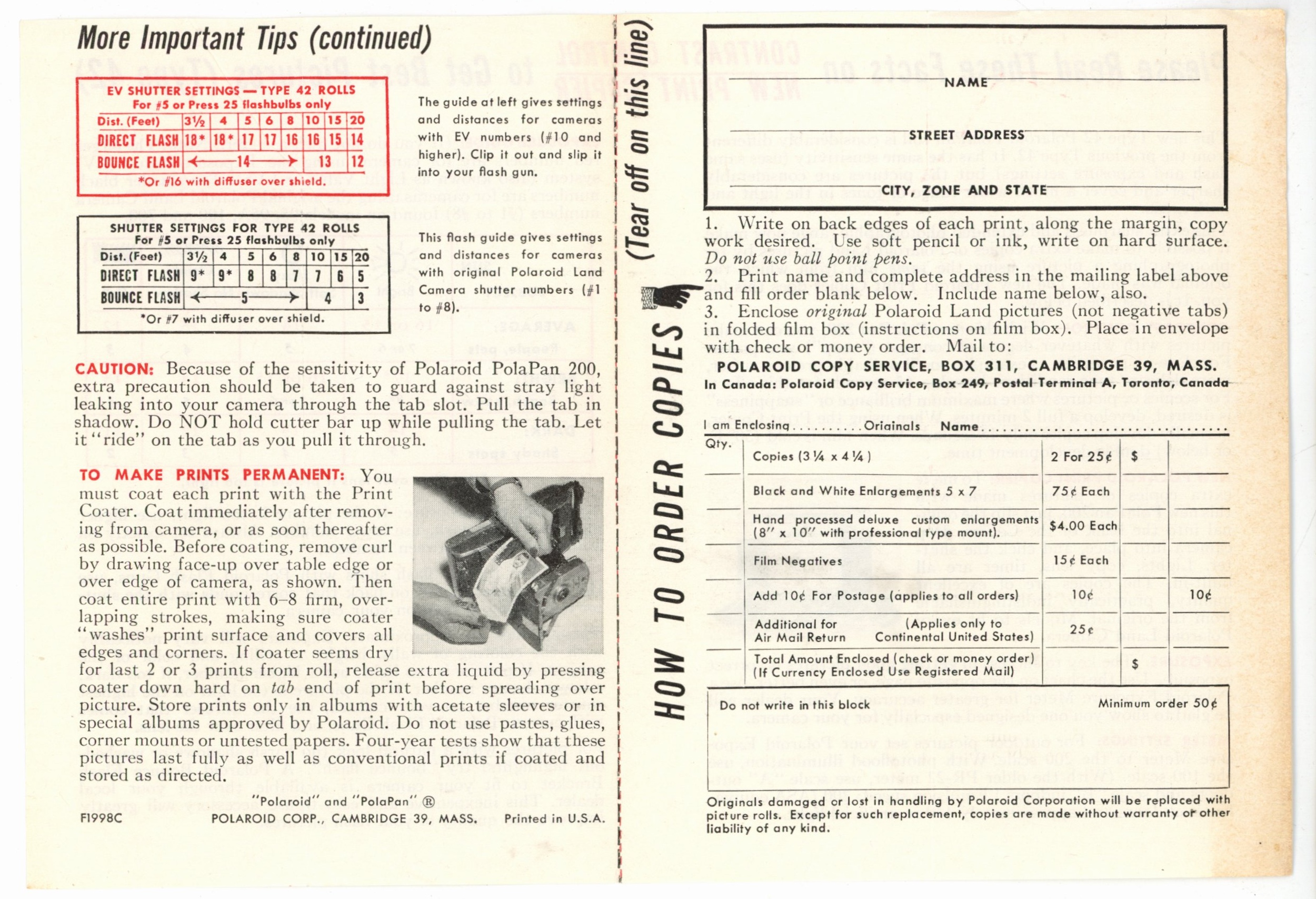
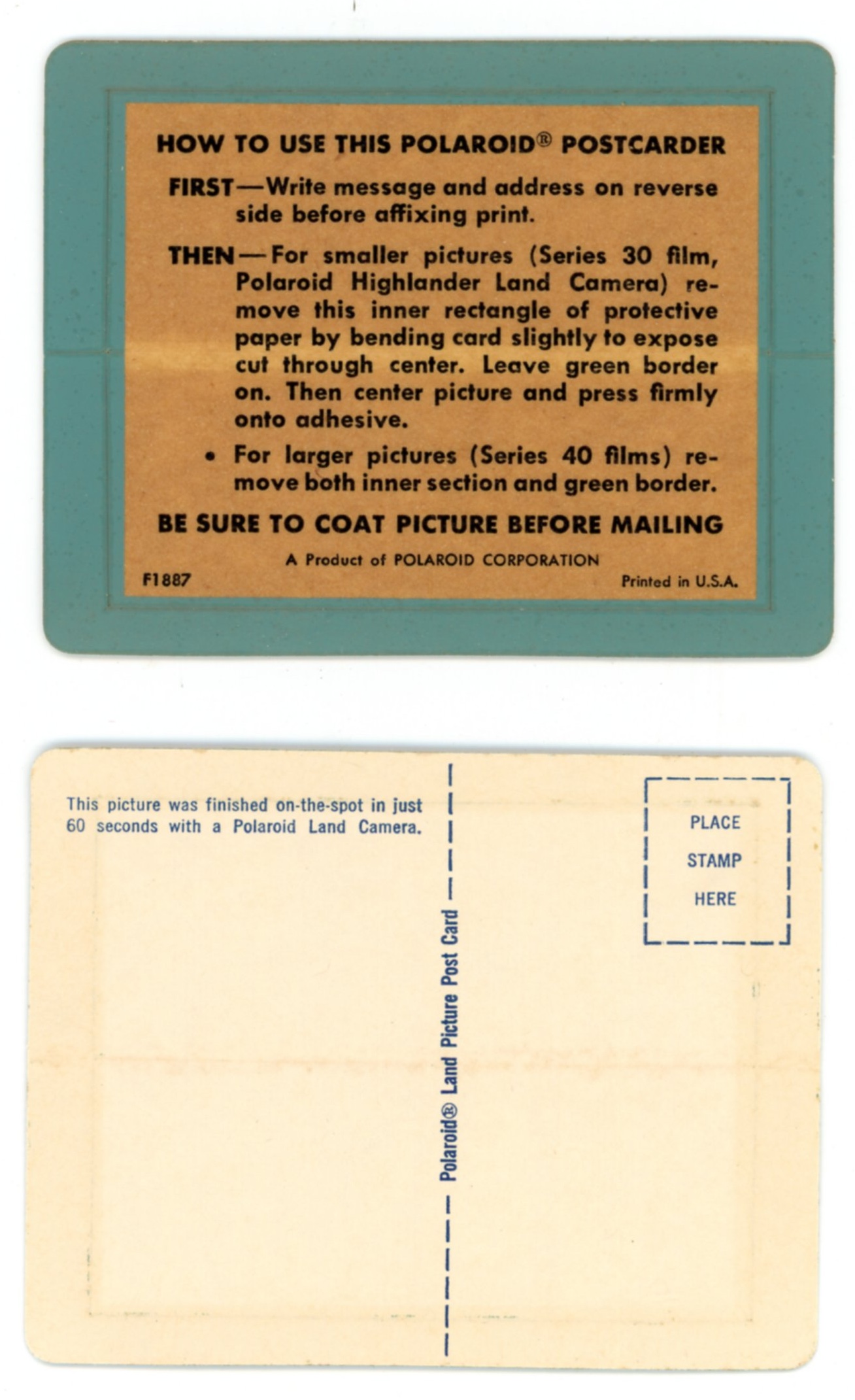
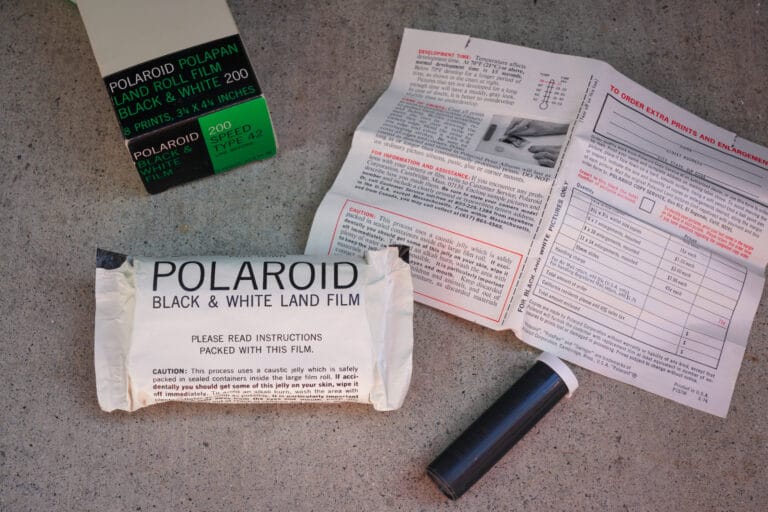
Original packs still surface occasionally in antique stores or online marketplaces, but they are long expired and rarely produce usable results. I’ve included the boxes & instructional booklets for some of these films below:
40-Series Roll Film:
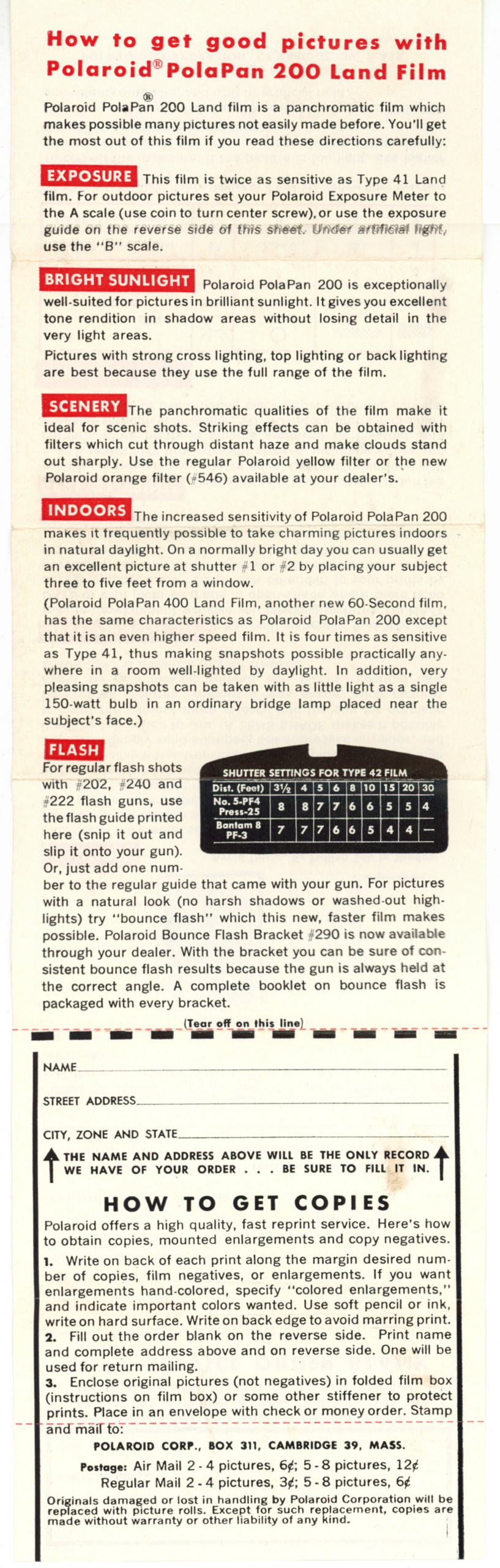
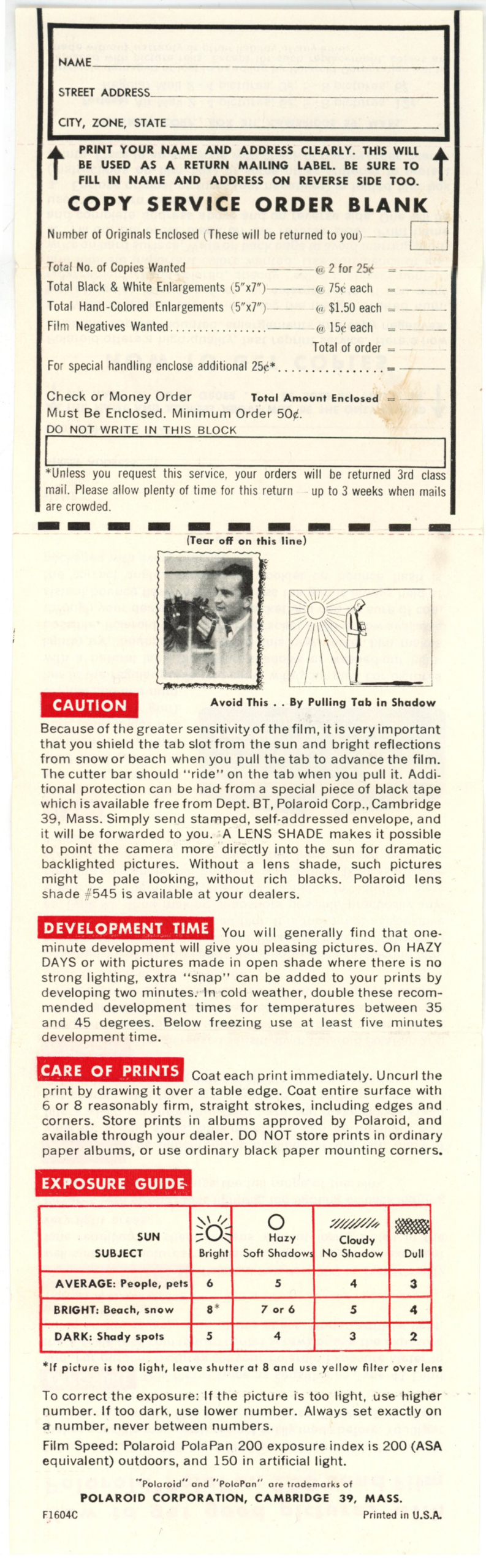
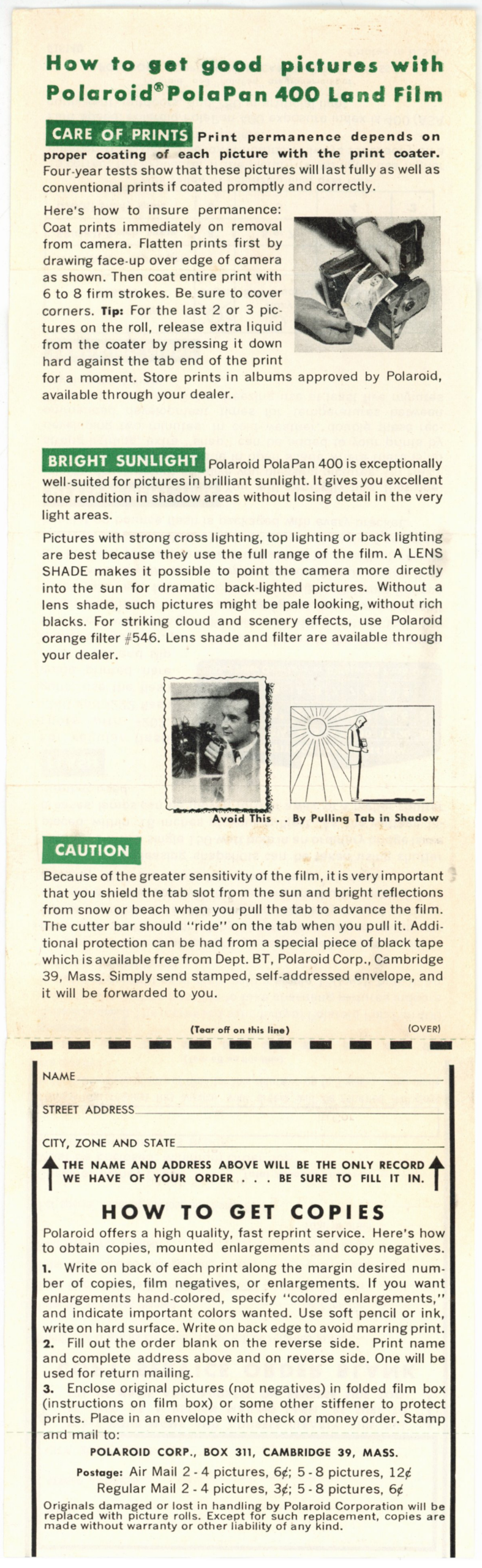
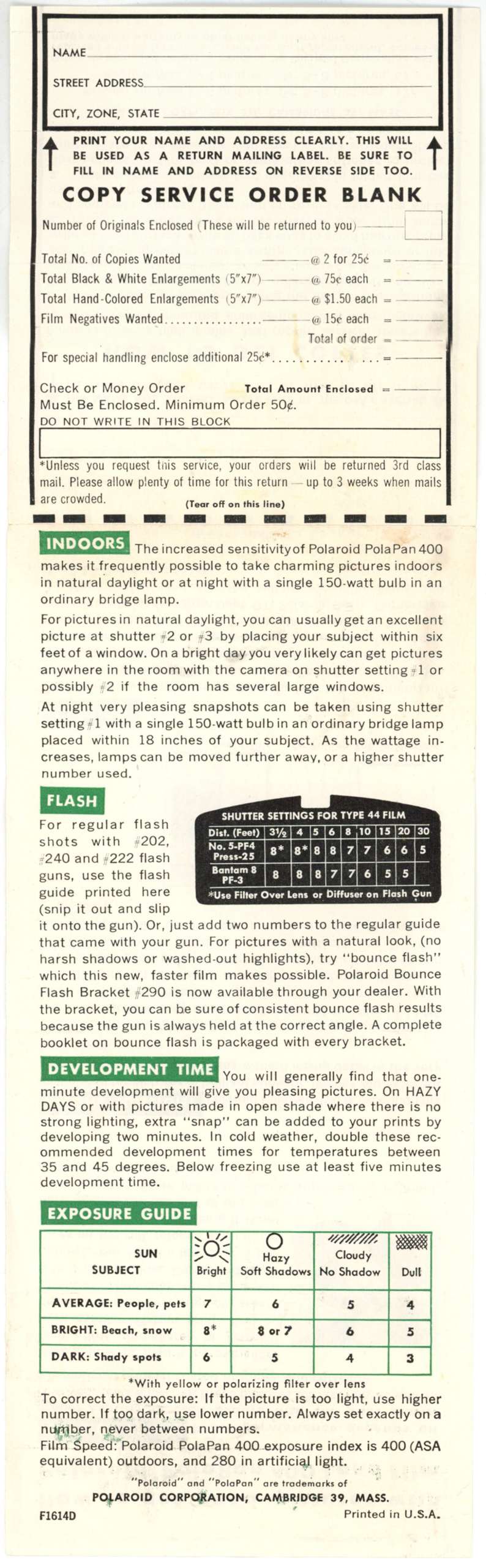
30-Series Roll Film:
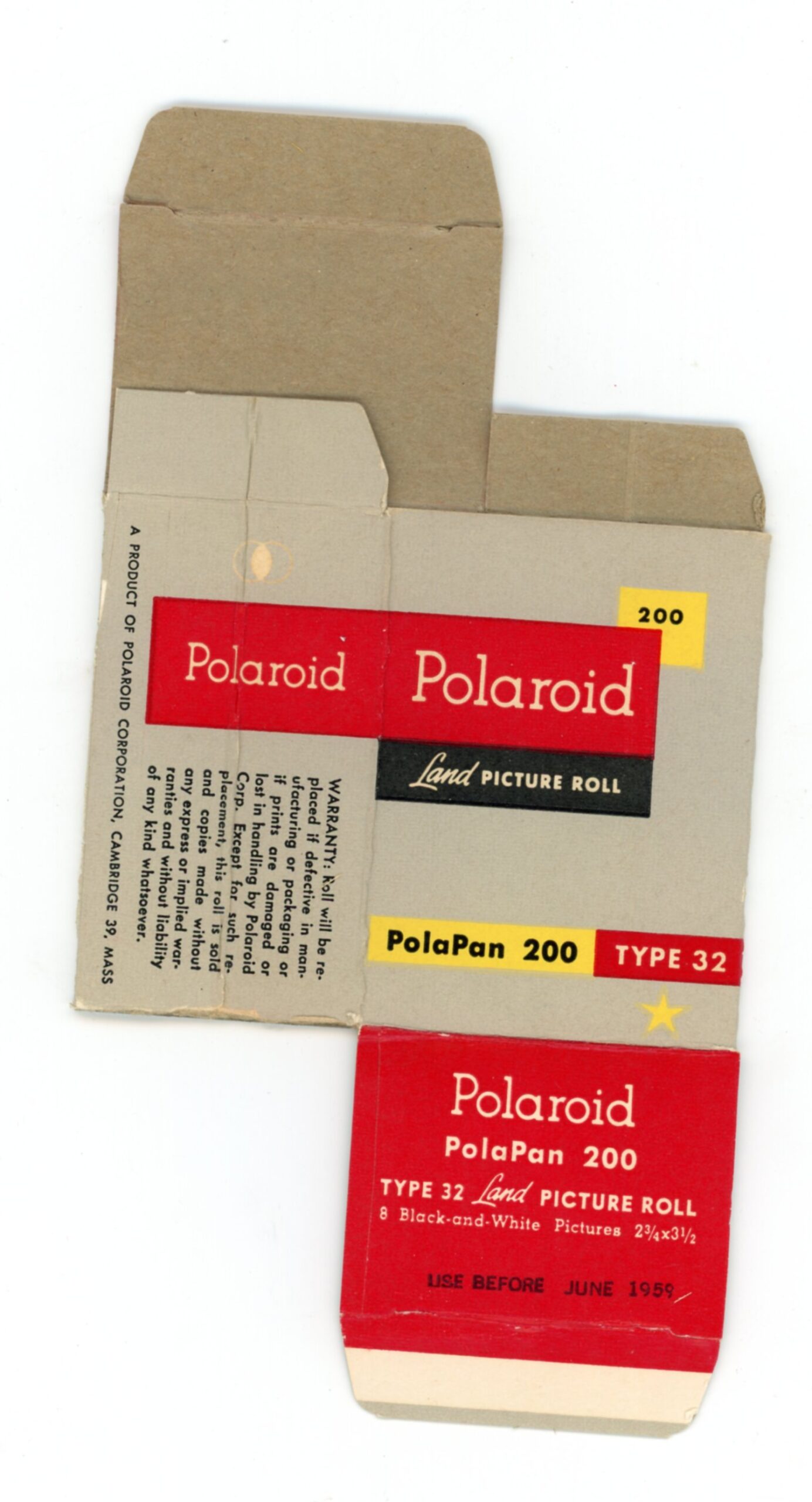
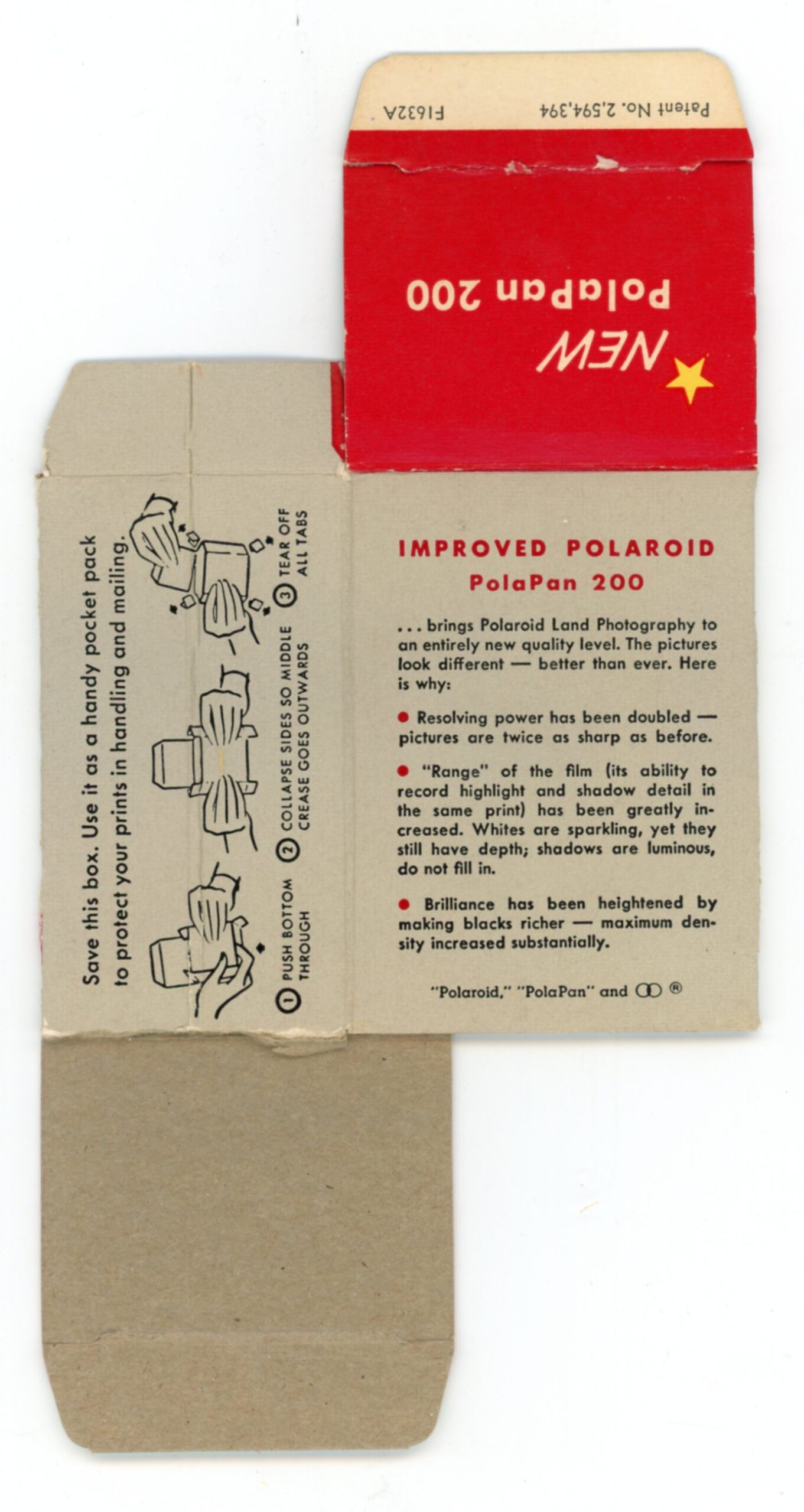
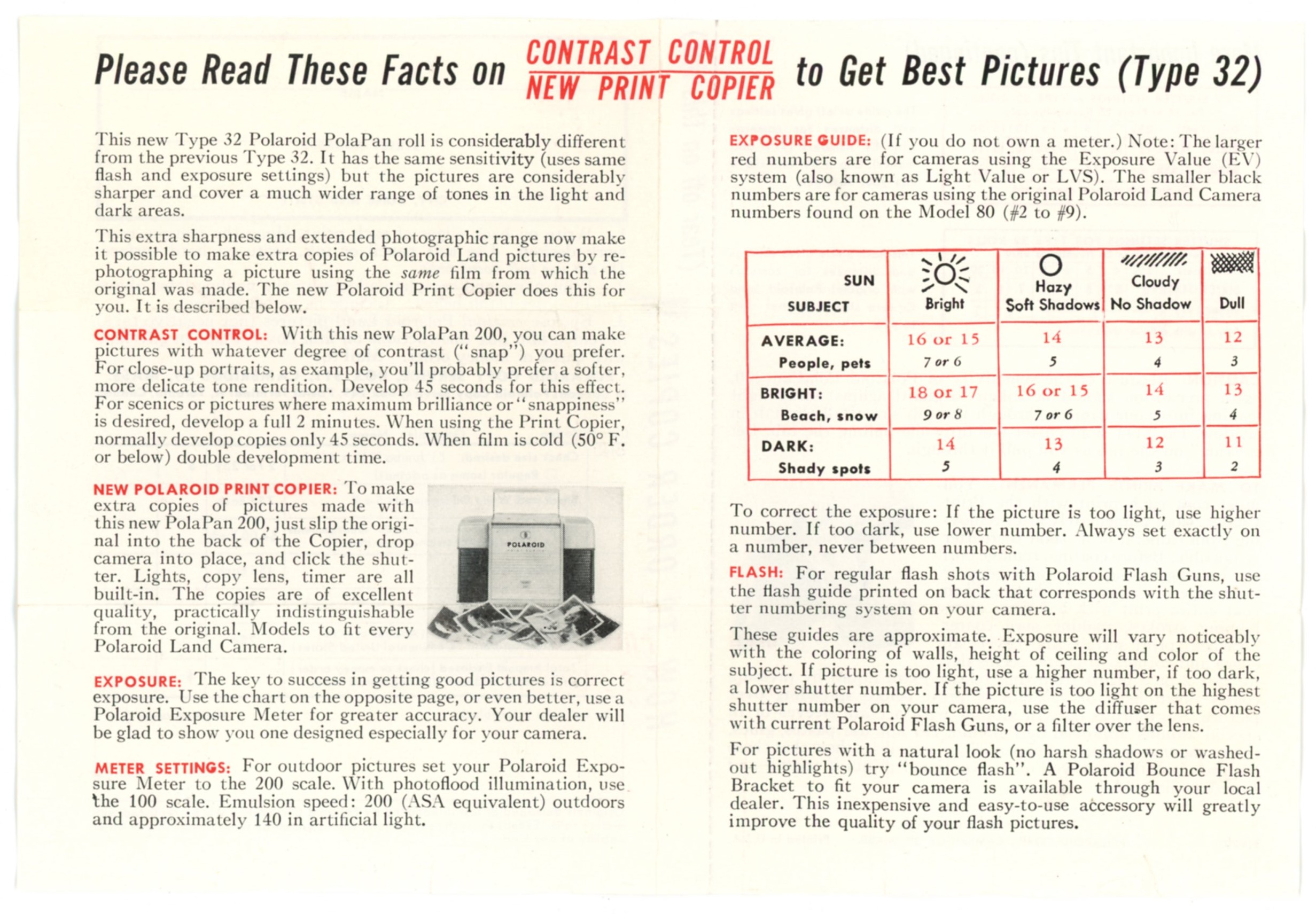
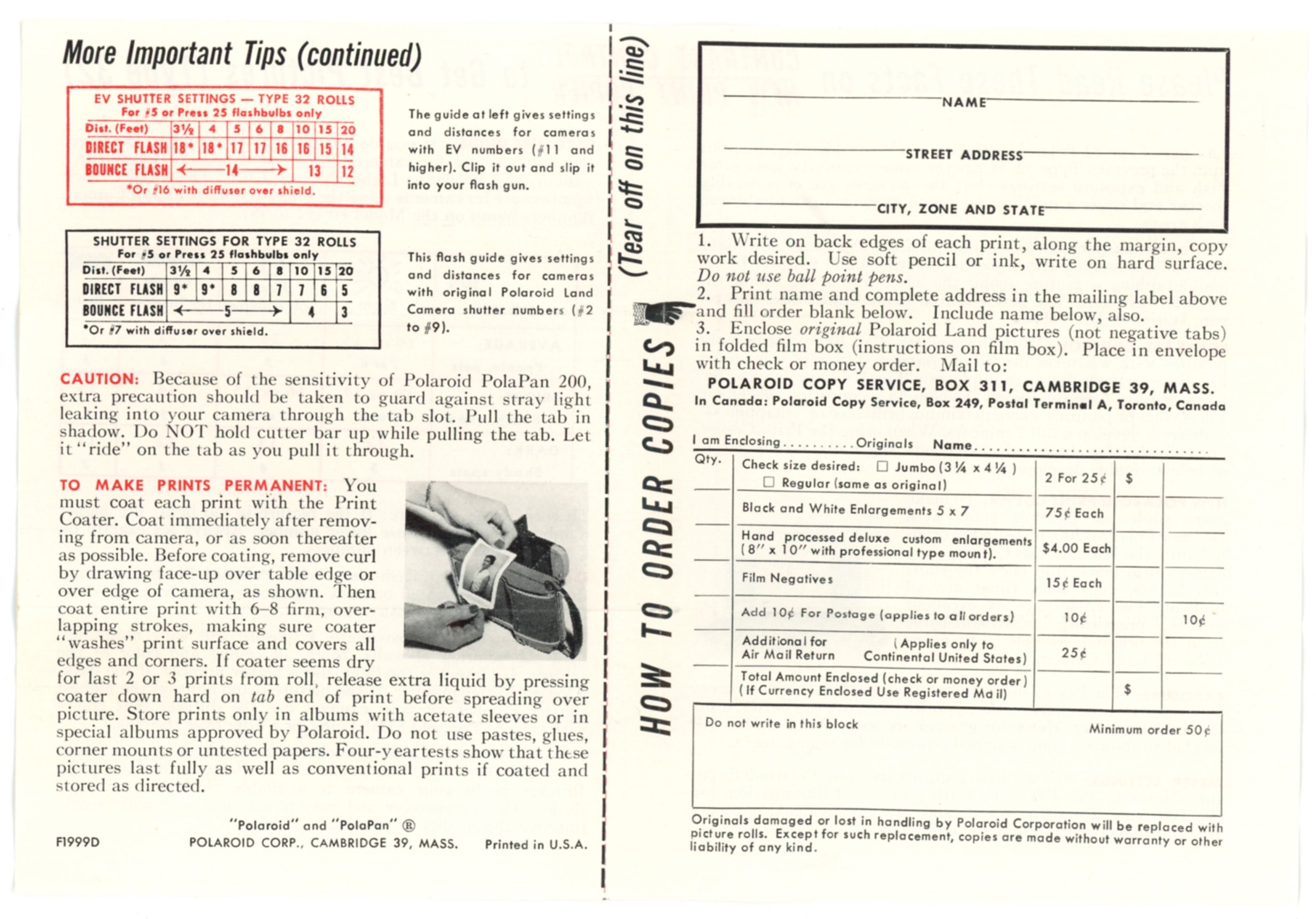
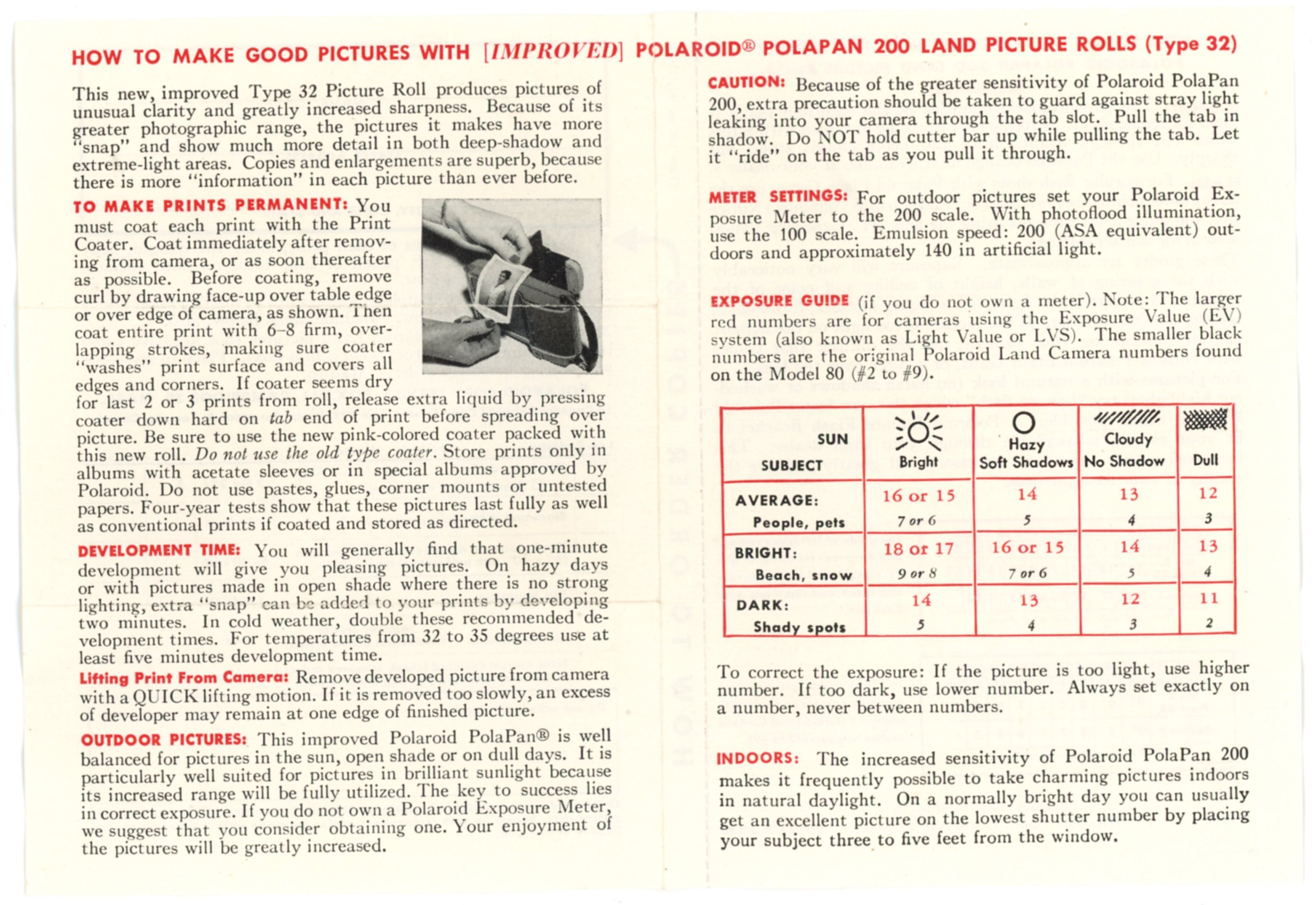
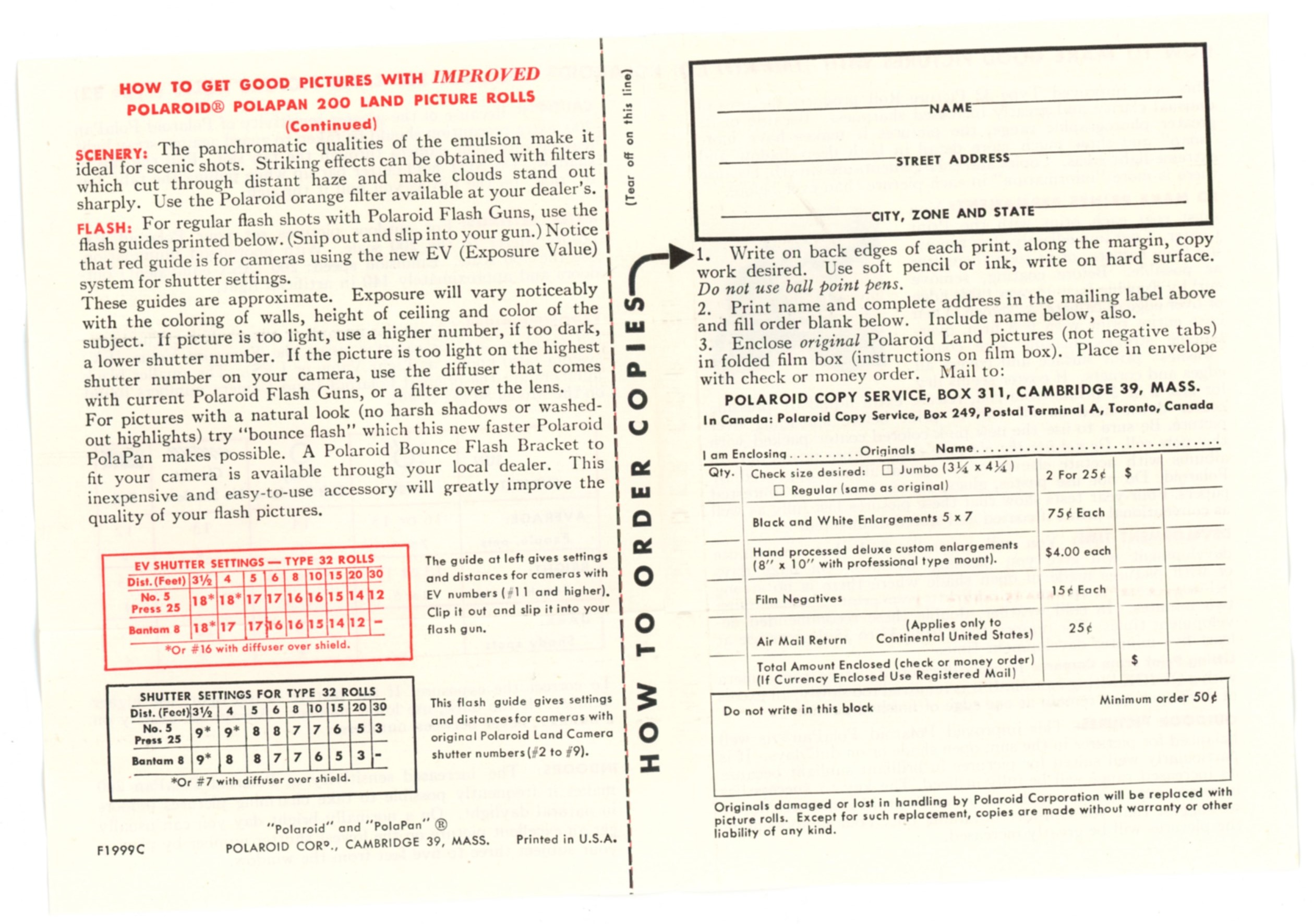
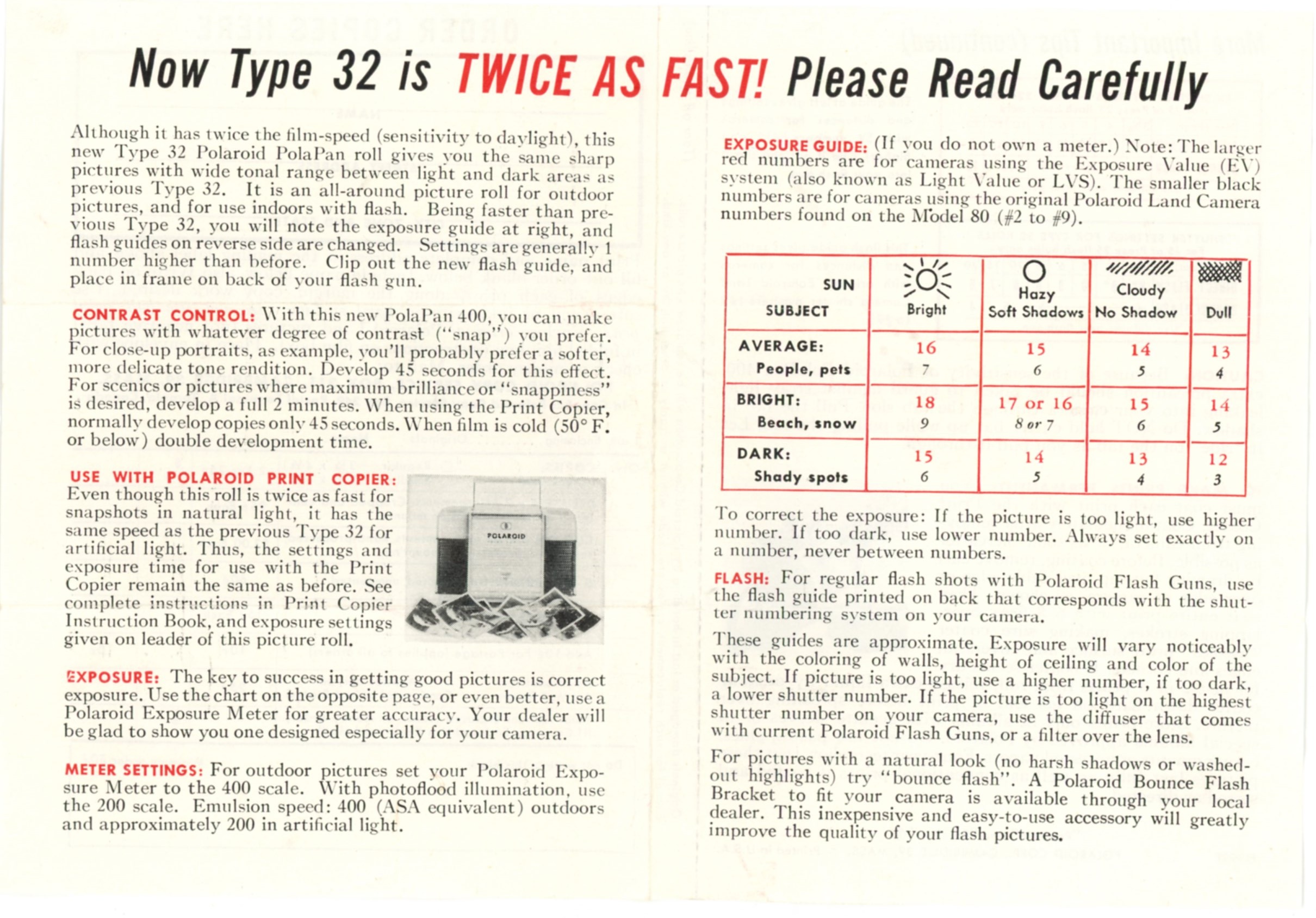
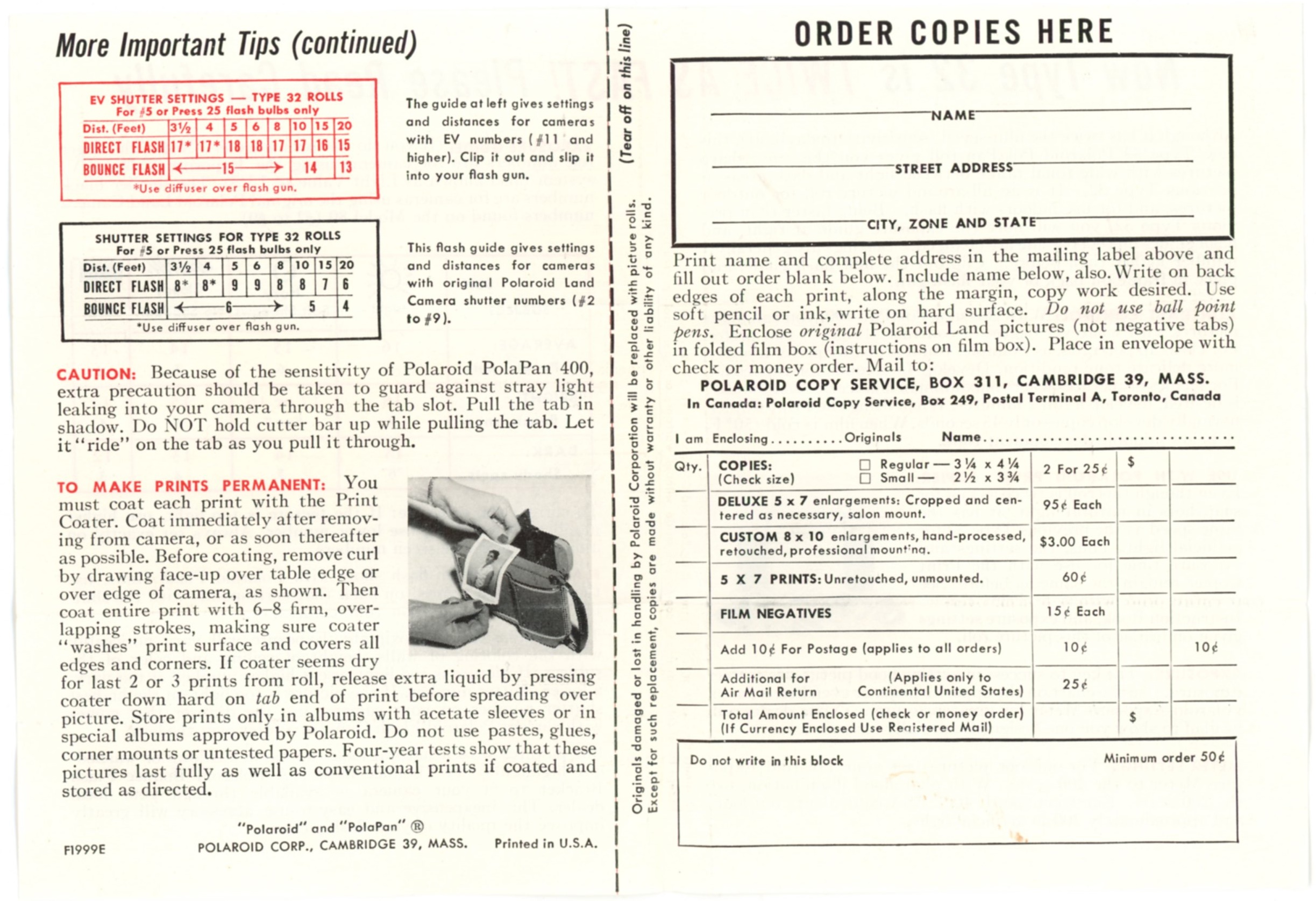
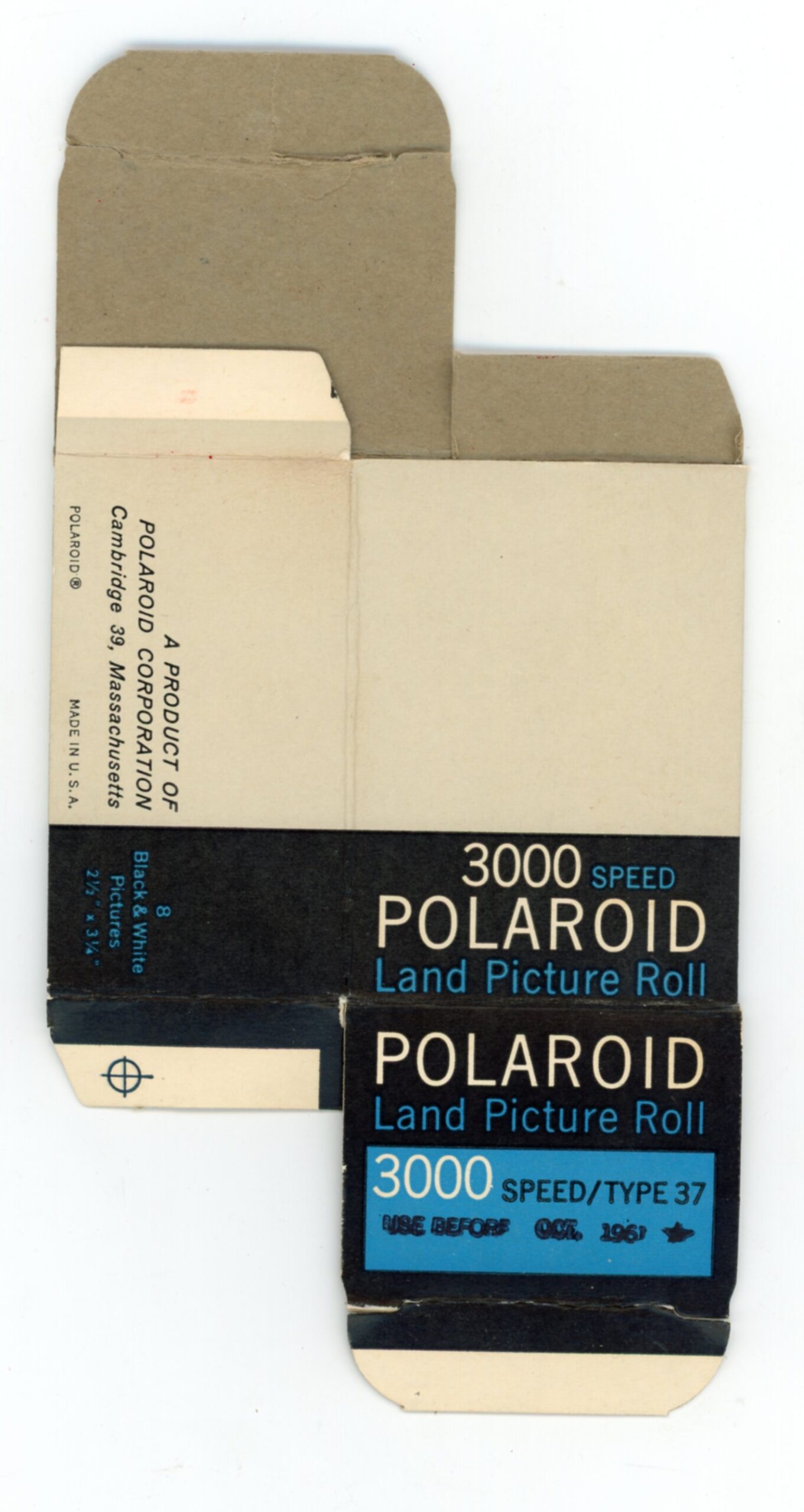
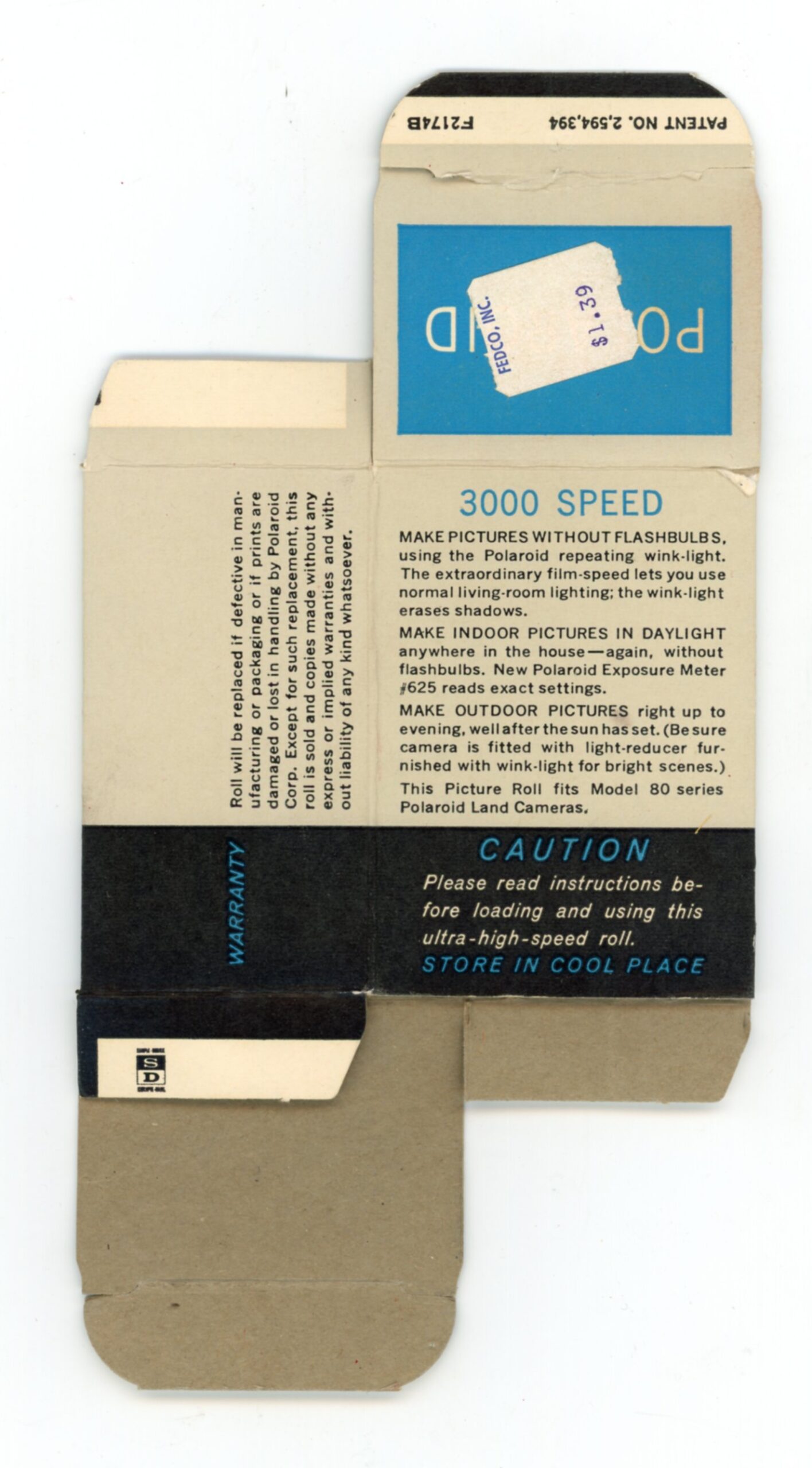
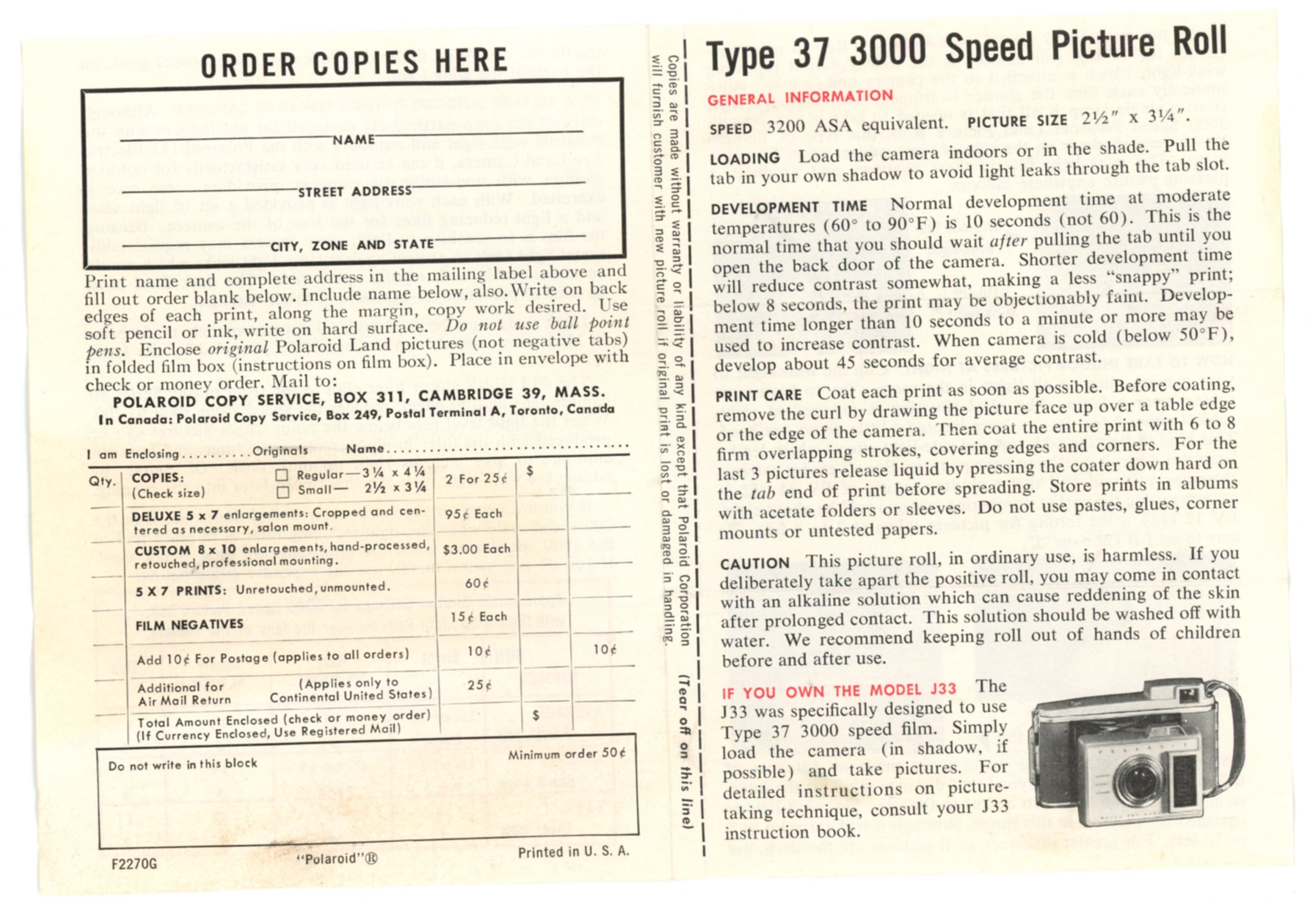
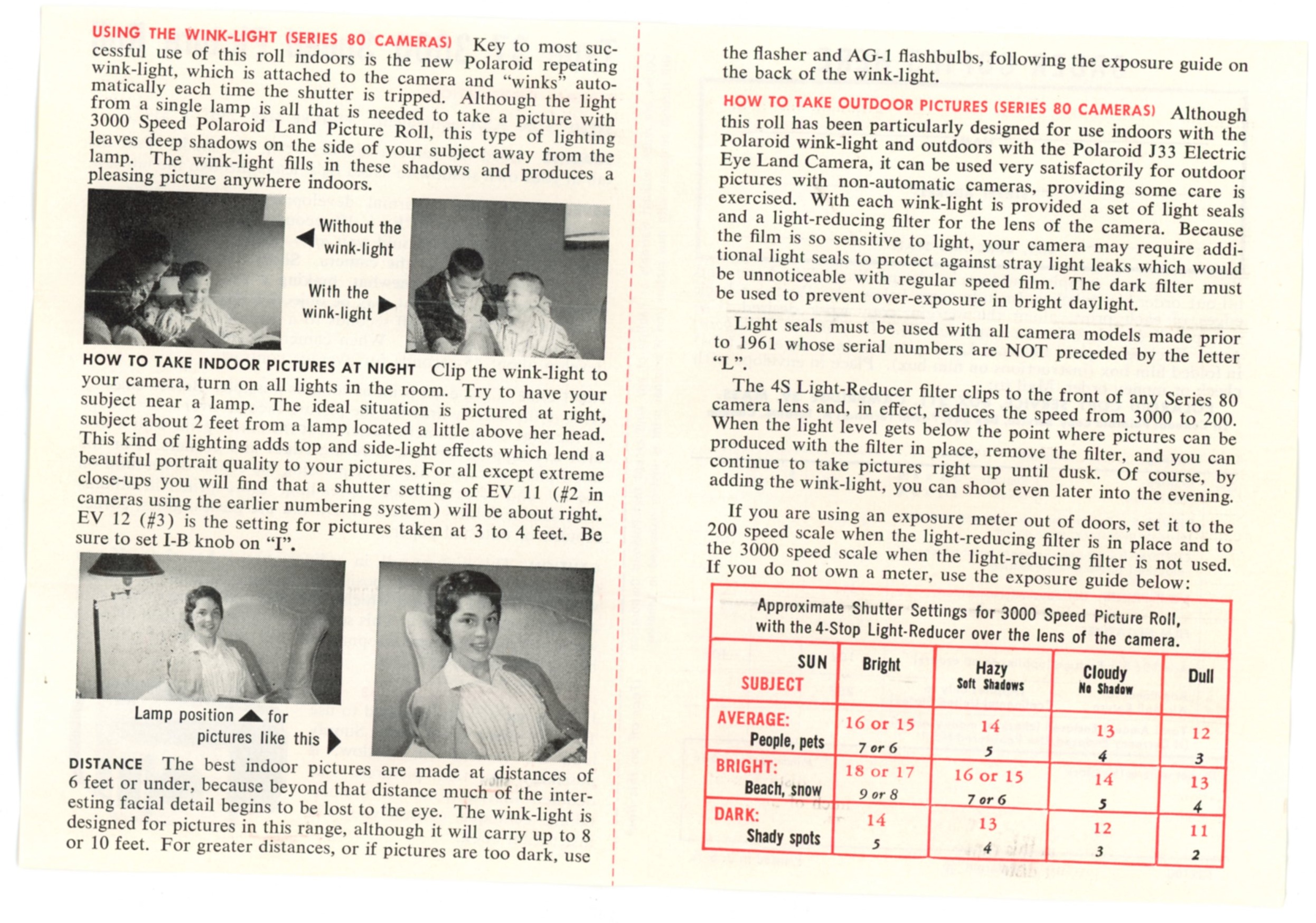
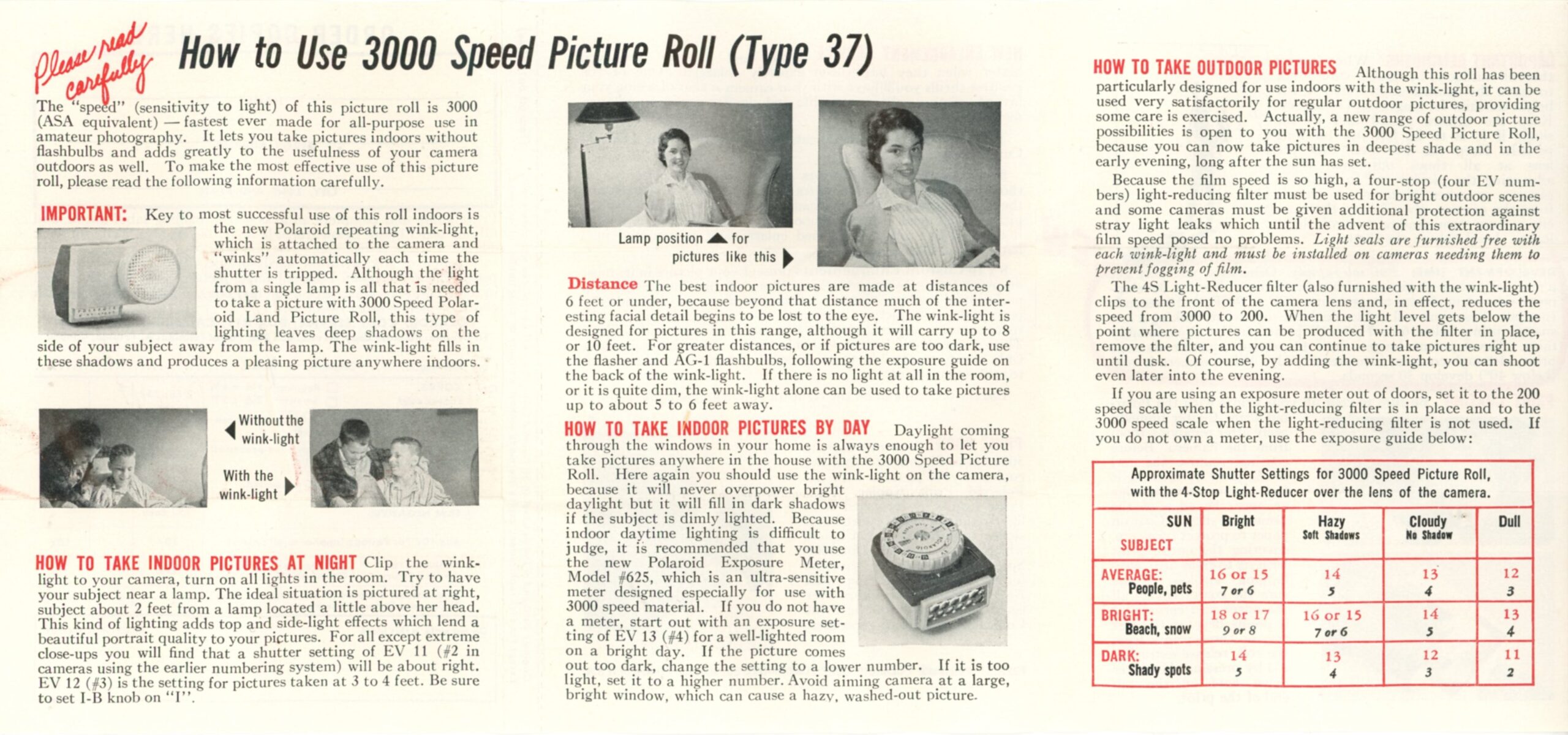
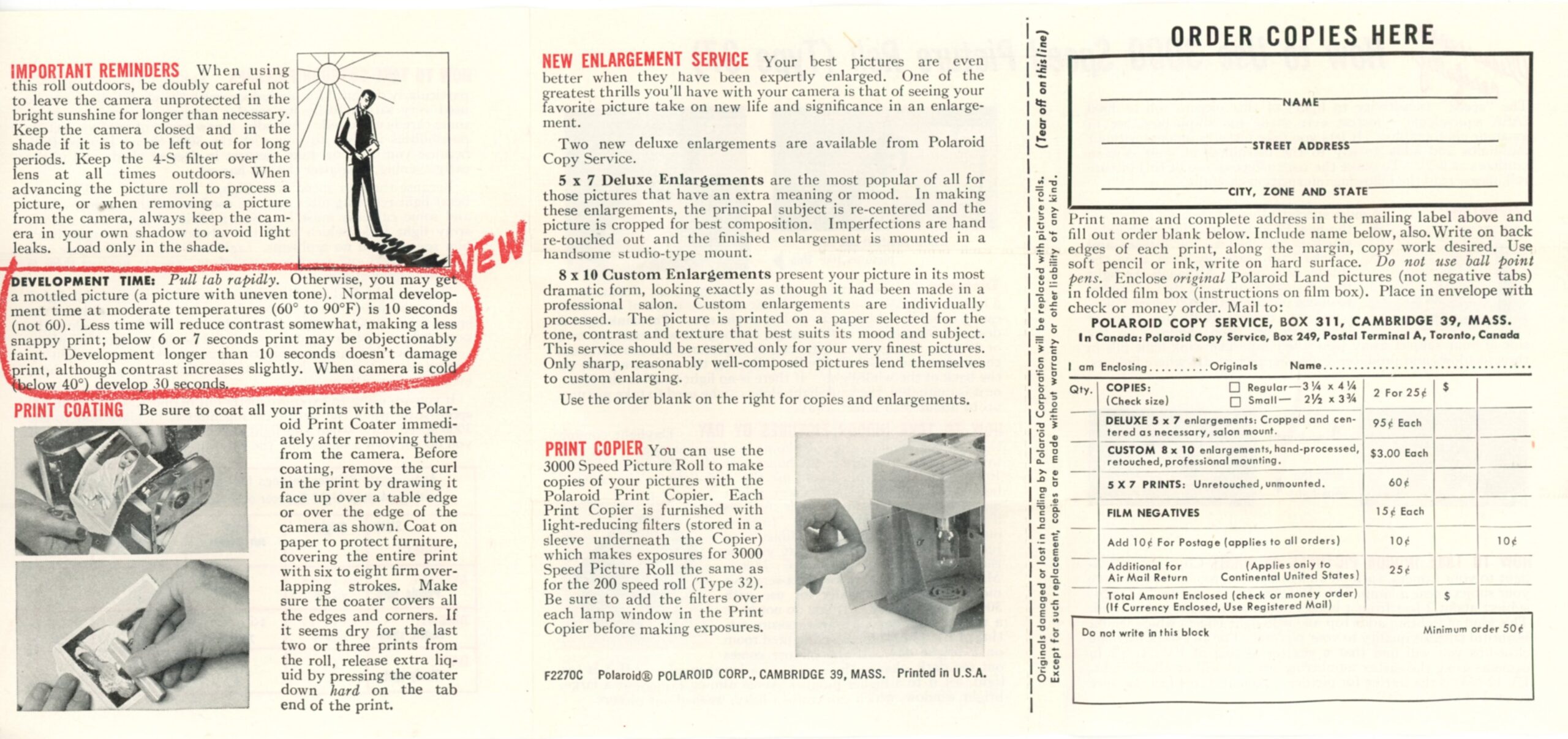
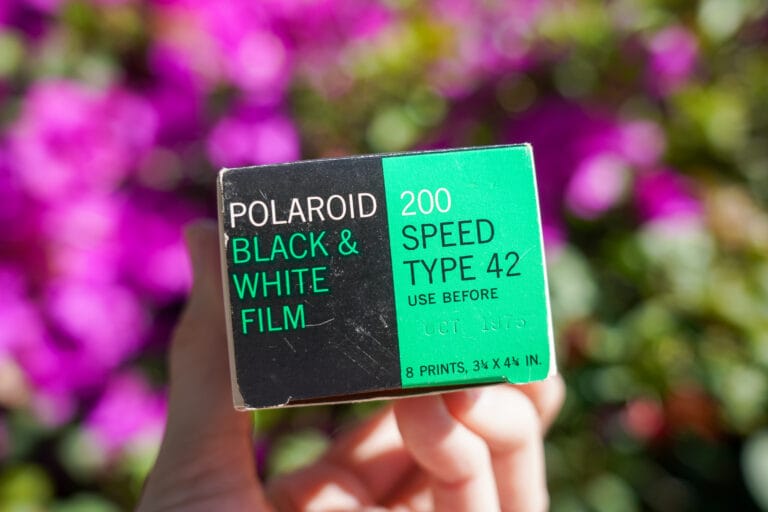
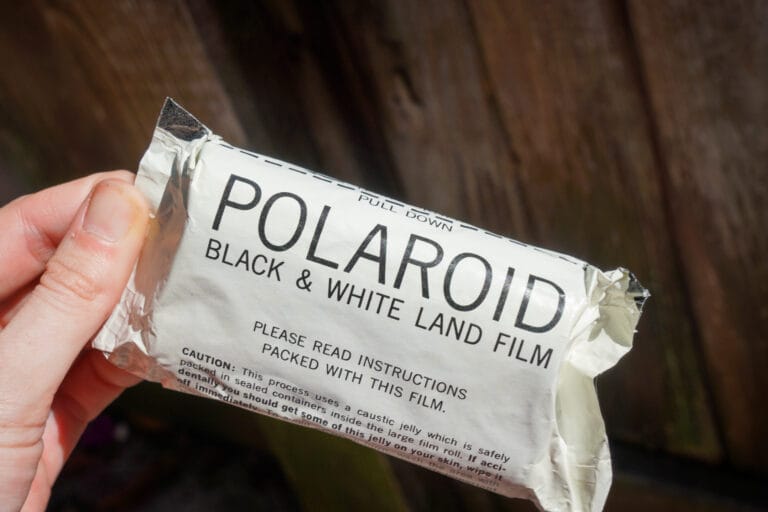
A Personal Find: At a local antique store, I recently found a single unopened pack of Polapan Land Roll Film — Black and White Type 42, ISO 200 — expired October 1975. It would theoretically produce eight prints. But rather than risk ruining it in one of my cameras, I decided to preserve it as a collector’s piece. Sometimes the history is more valuable than the gamble.
Modifying for Modern Film
For those determined to shoot with these cameras, there are a few workarounds! Although I have not tried these methods personally, I’ve seen many photographers who’ve found a way to bring their cameras back to life:
- Conversion to 120 Film: Many film hobbyists convert the cameras to use readily available 120 roll film, which requires modification to fit the spool and back. This process requires the user to process the film themselves using traditional darkroom methods.
- 4×5 Conversion: More complex and expensive modifications can convert some Land cameras to shoot 4×5 sheet film, though the lens on the Model 95 may not cover the entire 4×5 area well.
- Display Pieces: For many collectors (myself included), these early Land Cameras are best appreciated as historical artifacts, beautifully engineered relics of photography’s most innovative era.
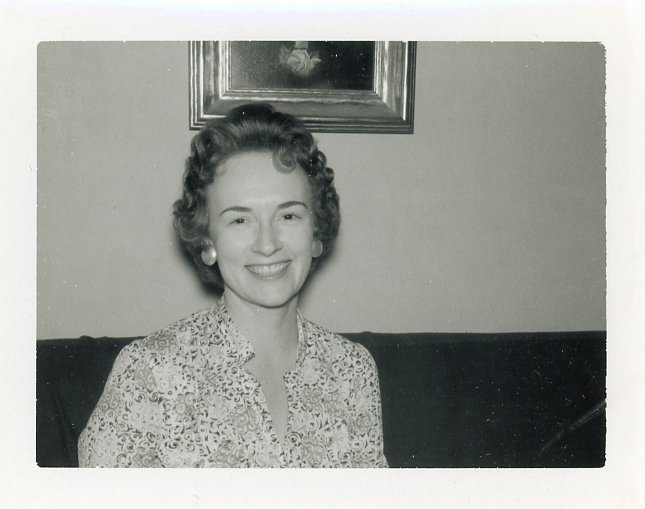
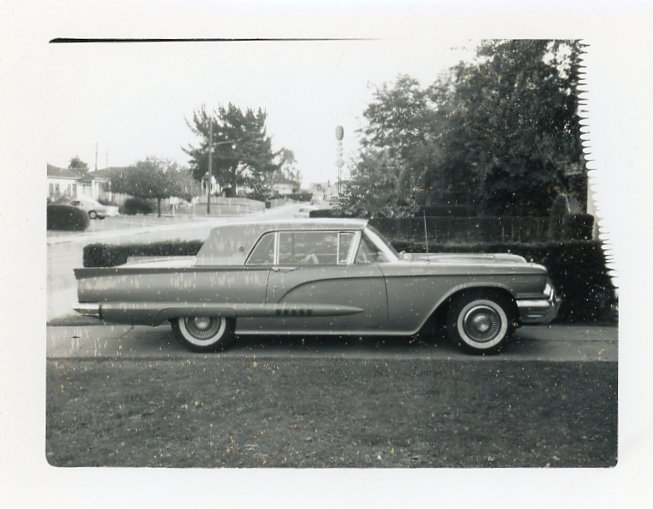
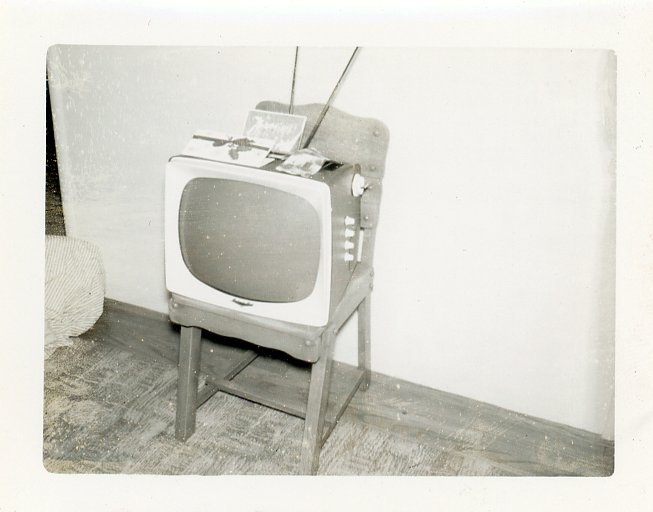
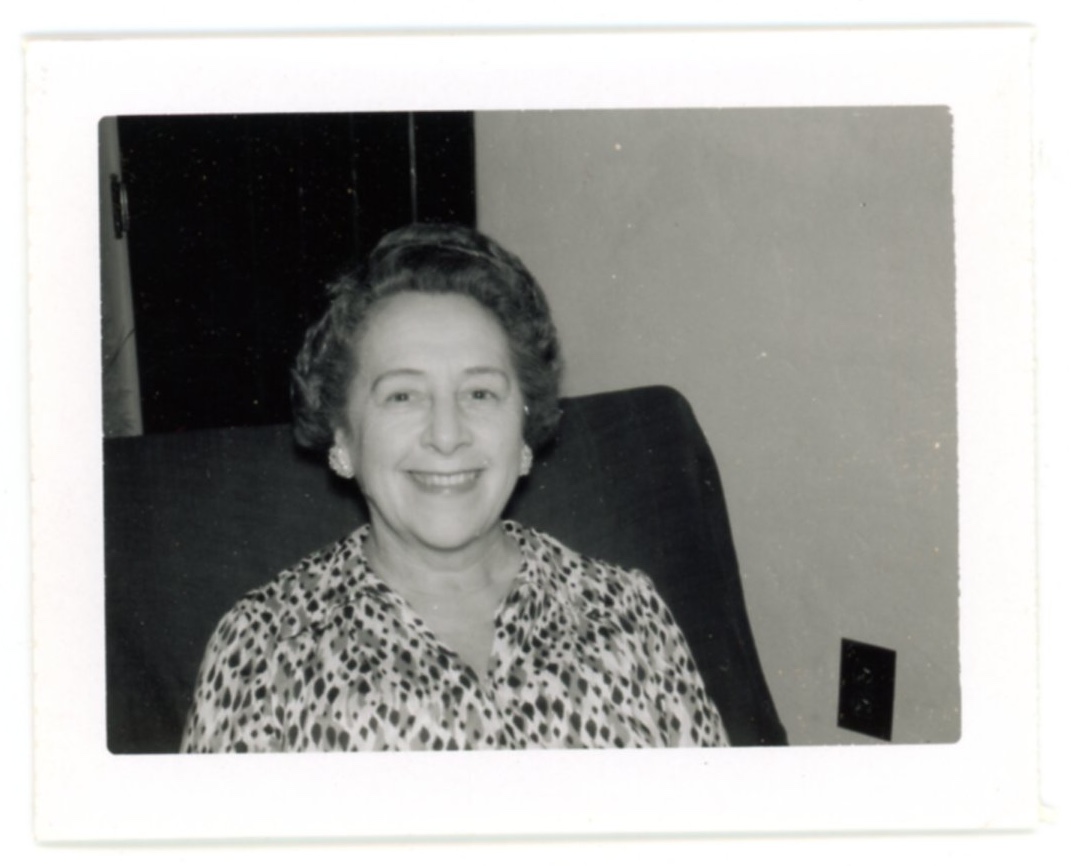
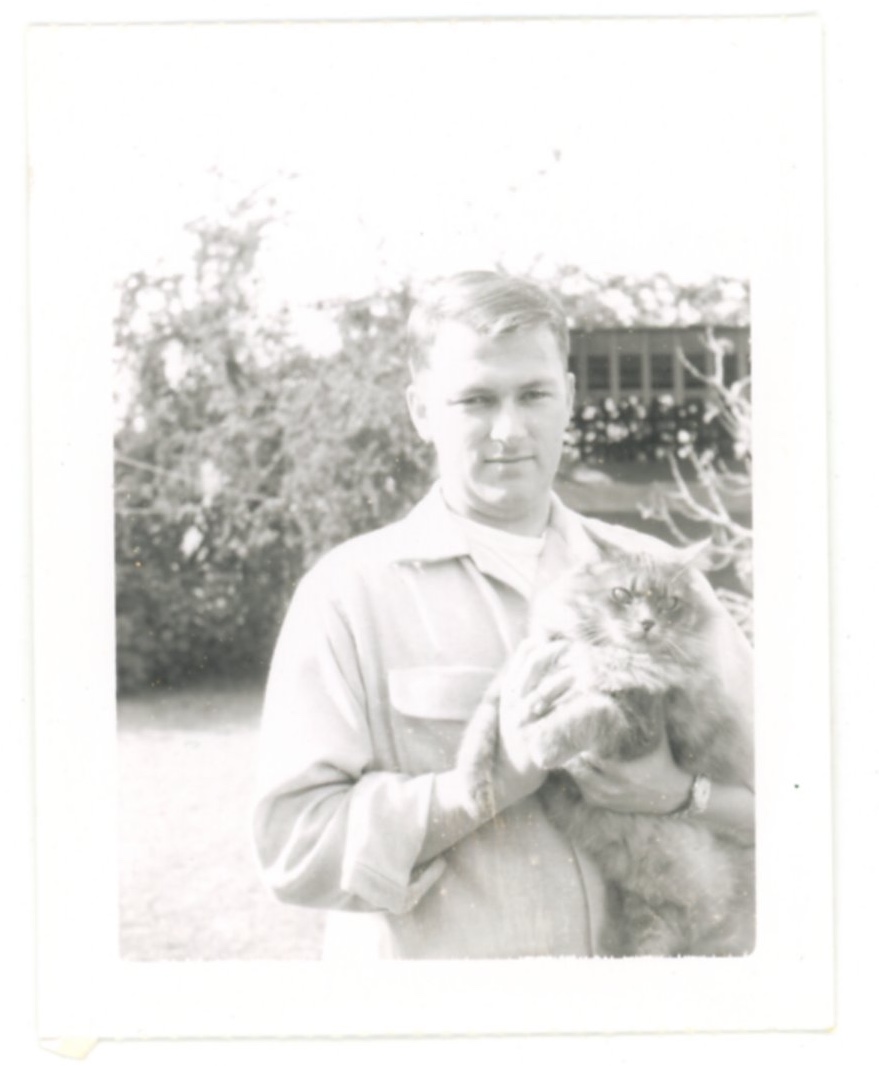
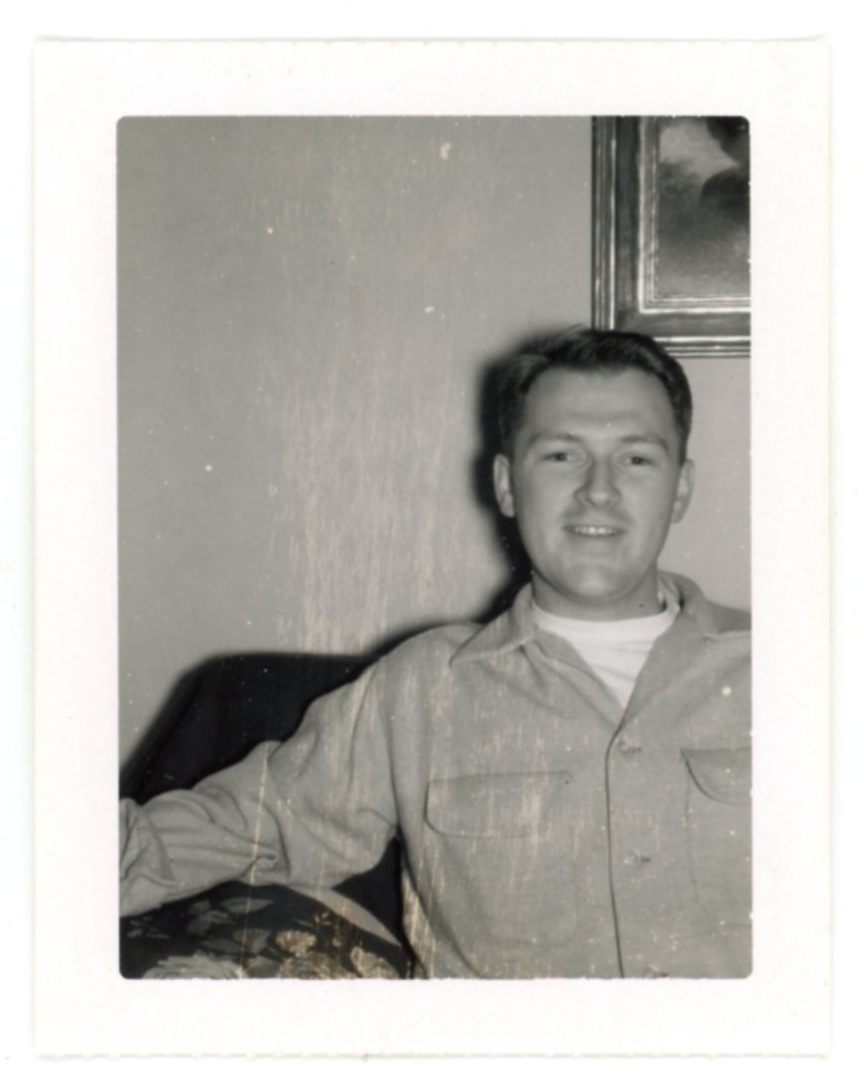
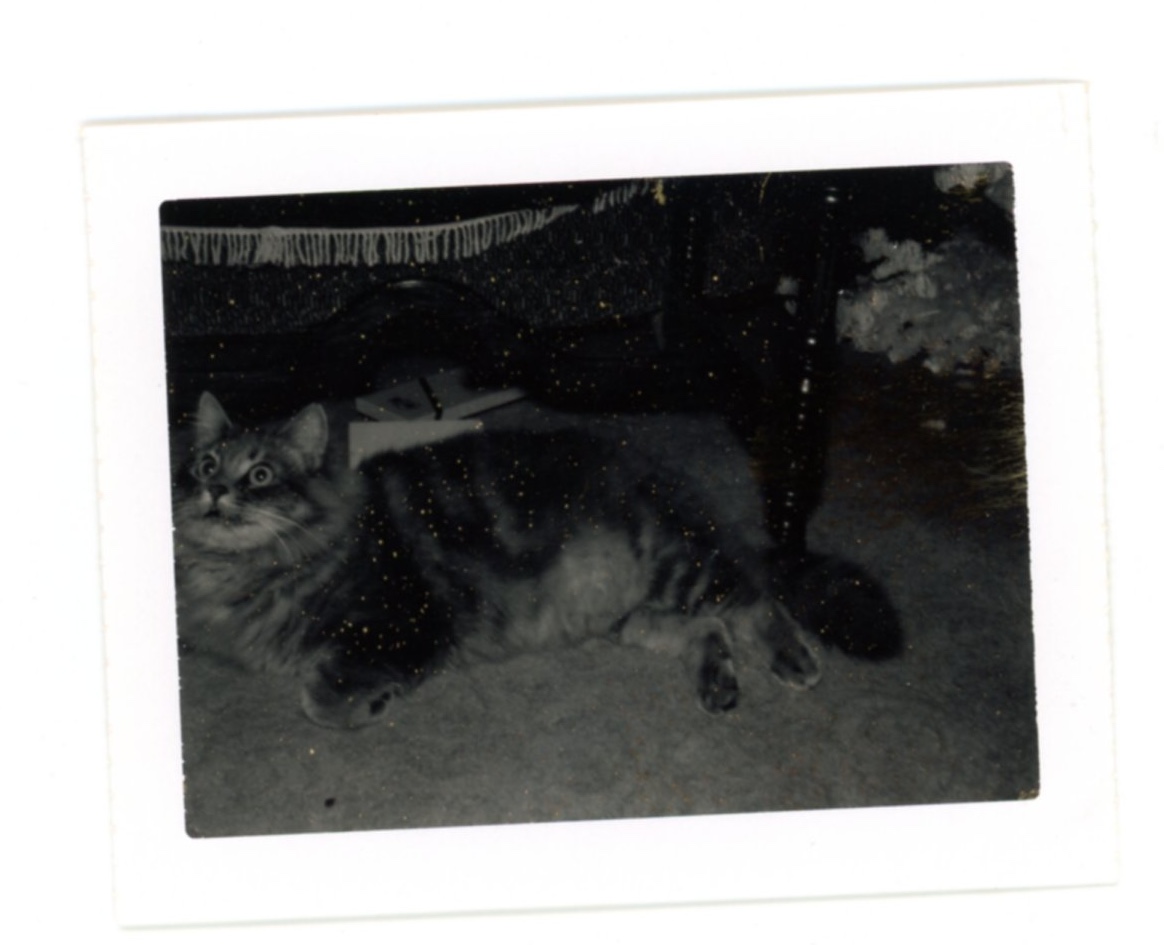
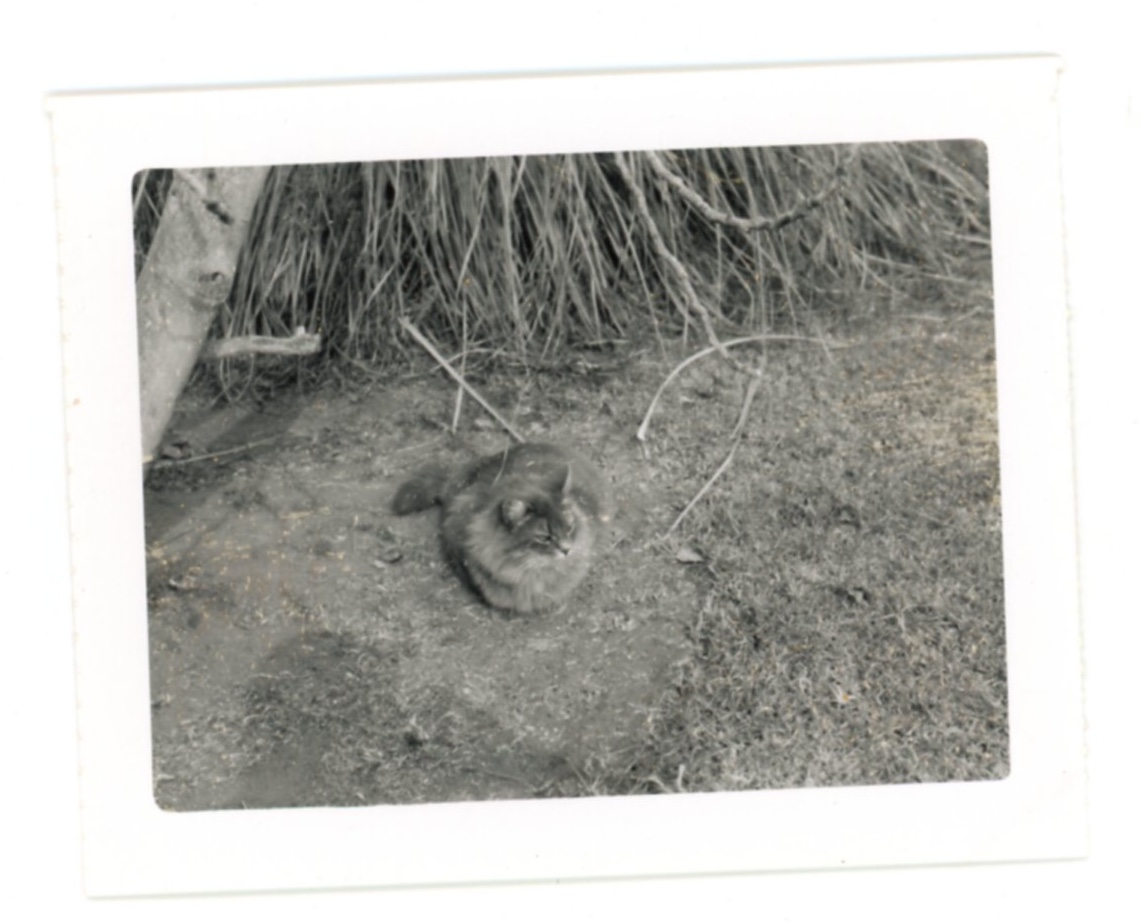
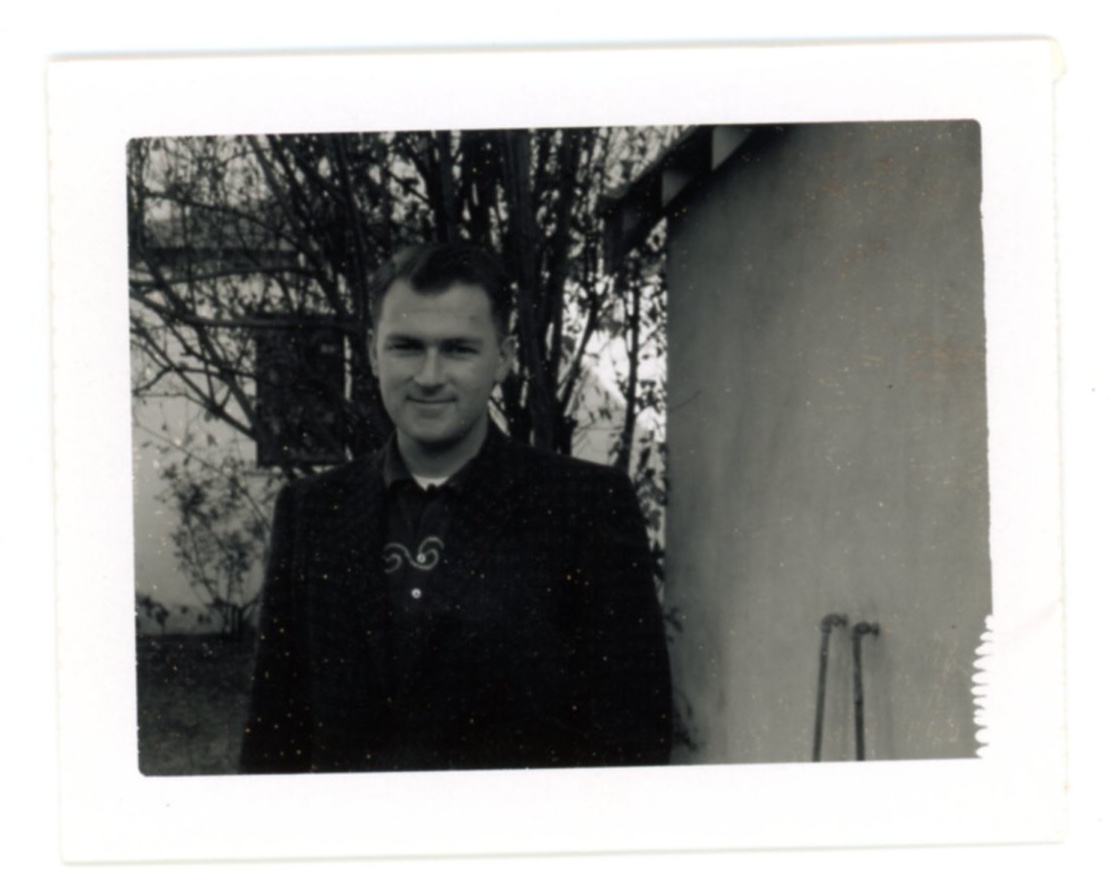
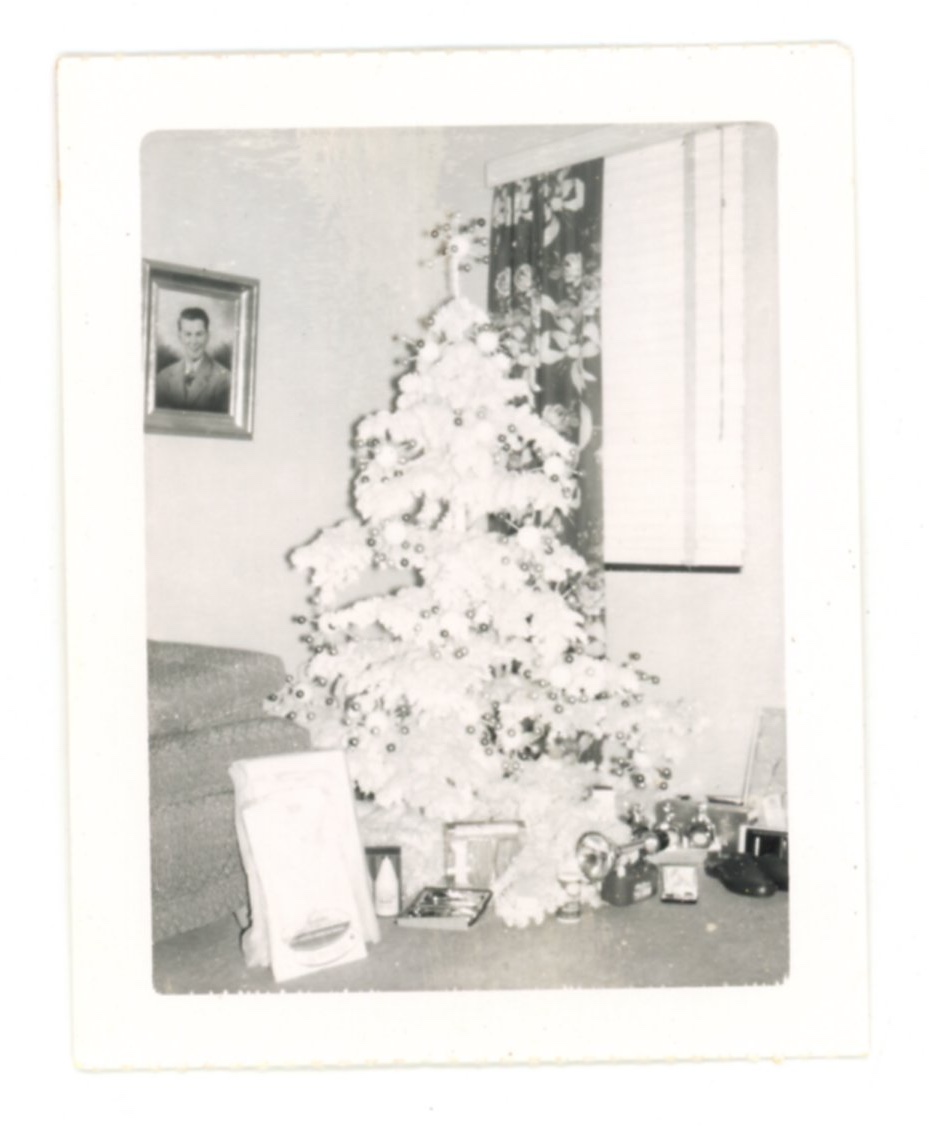
Bonus: 80A Sample Photos from Original Owner
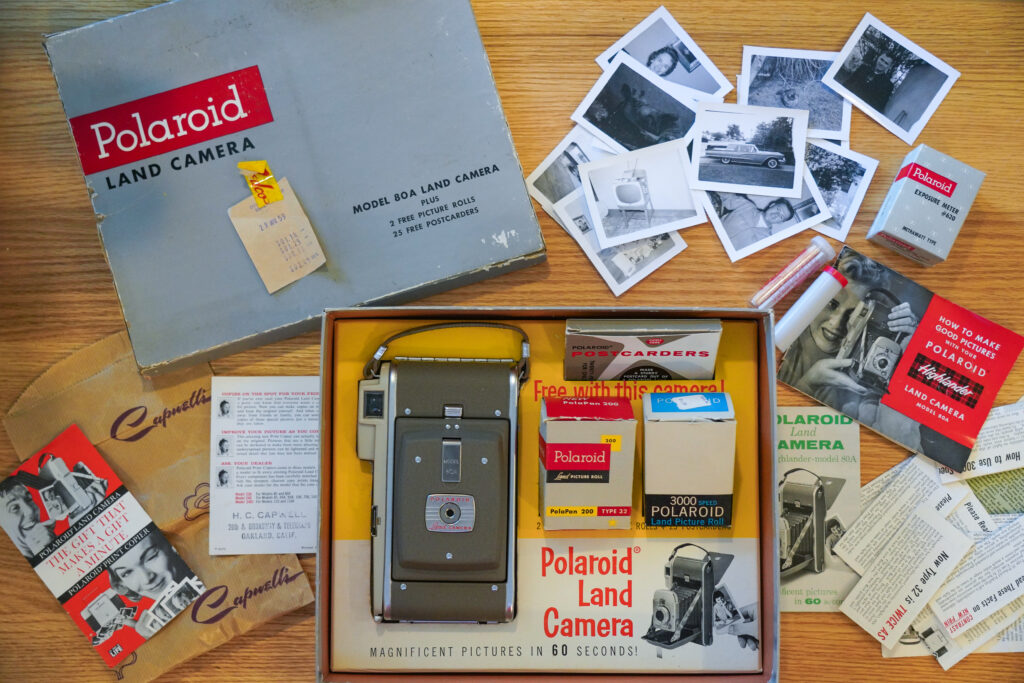
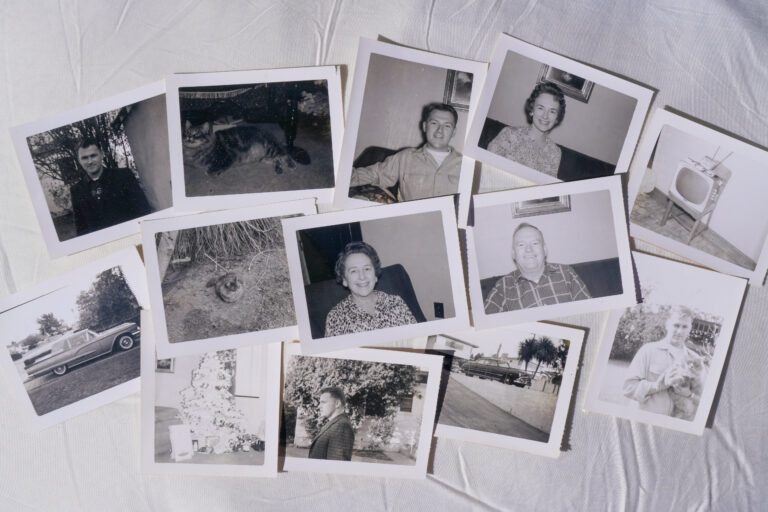
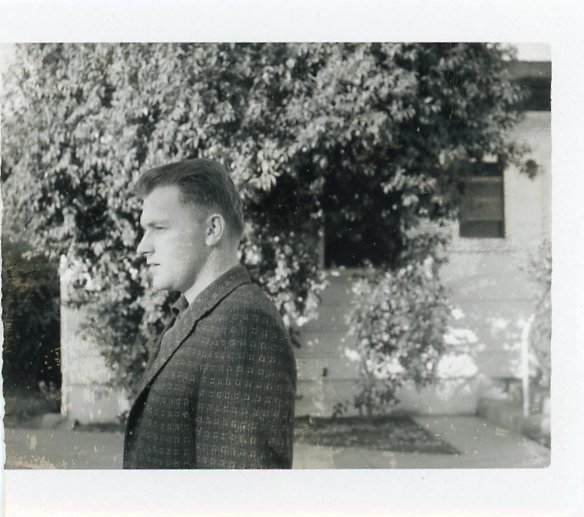
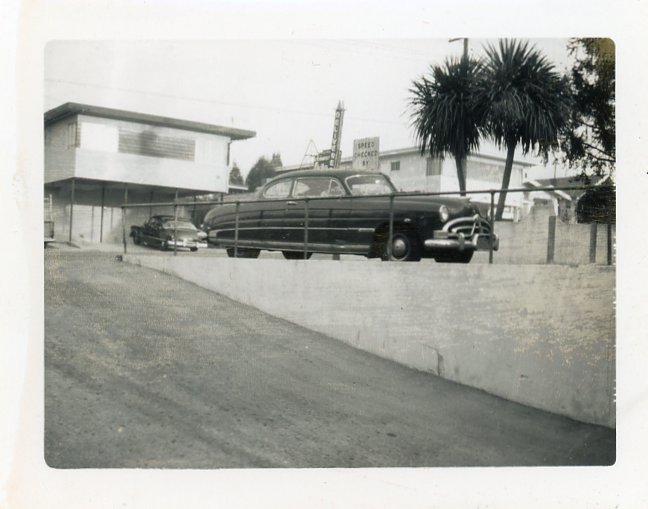
Included in the box for my 80A, I was ecstatic to discover several original photographs.
Based on clothing, cars, and environmental details, I believe they date to the 1960s. Holding them feels like stepping into someone else’s lived history.
At some point, I would love to track down the original owner’s family and return these images. Photographs deserve to find their way home.

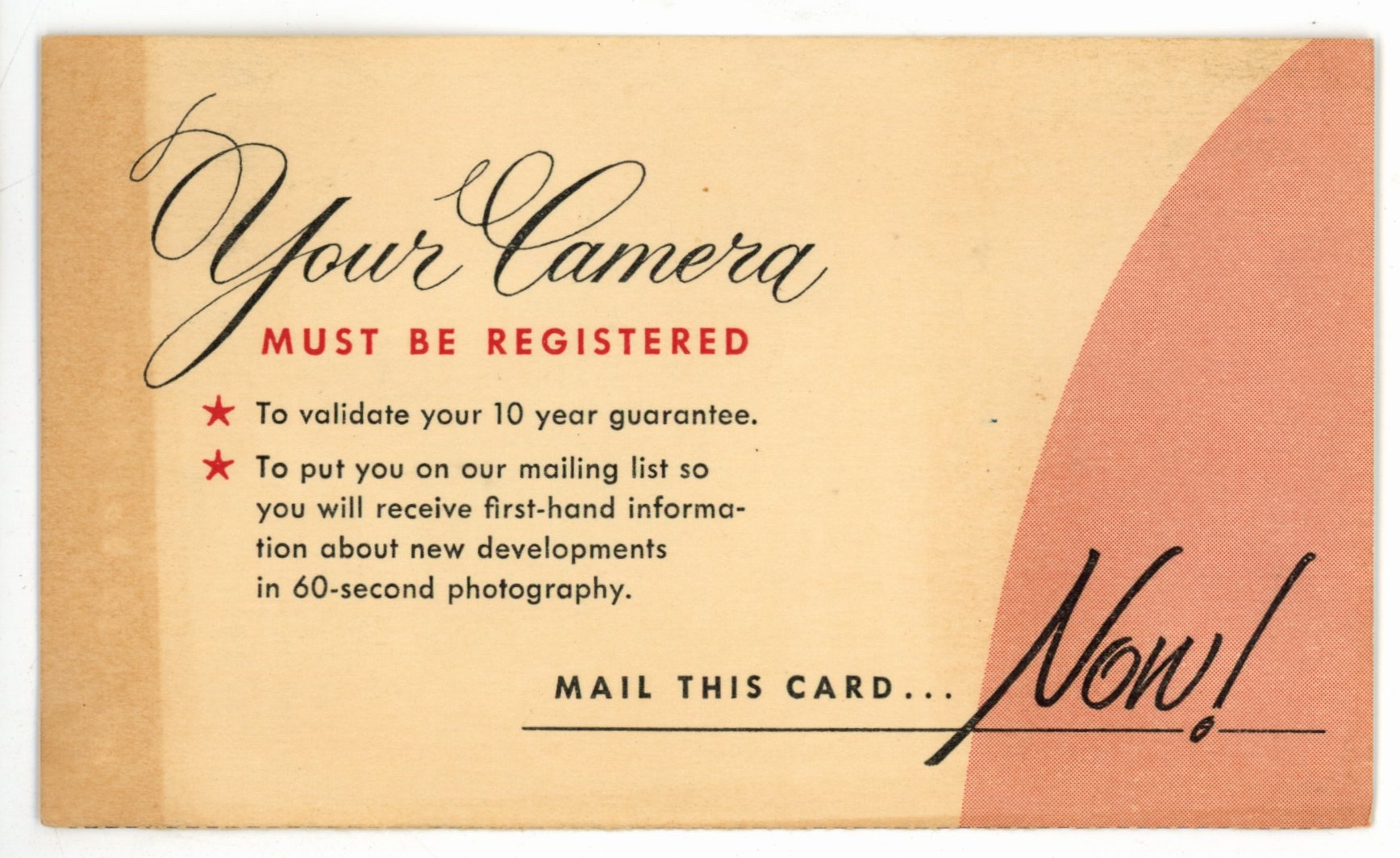
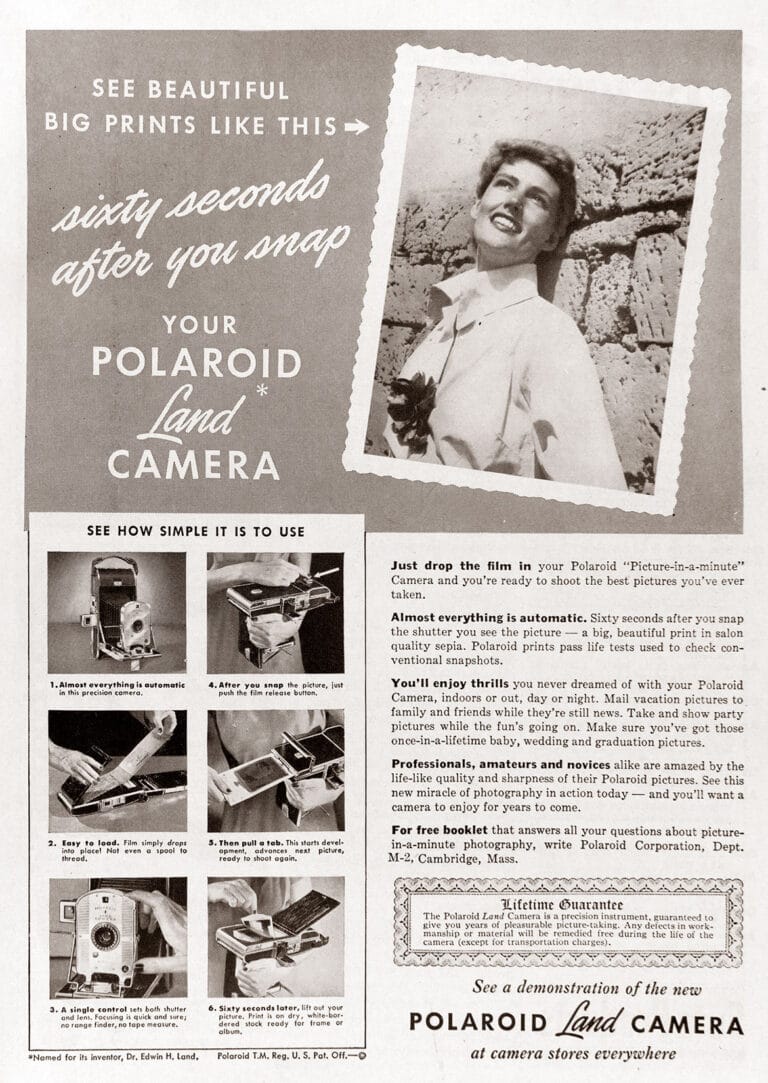
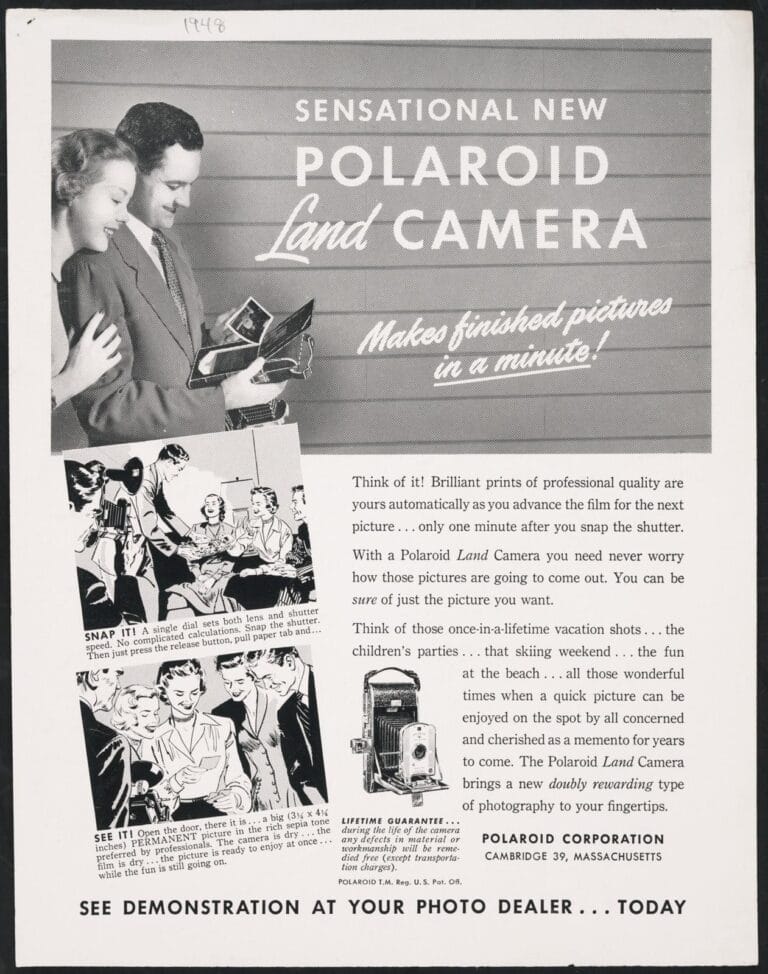
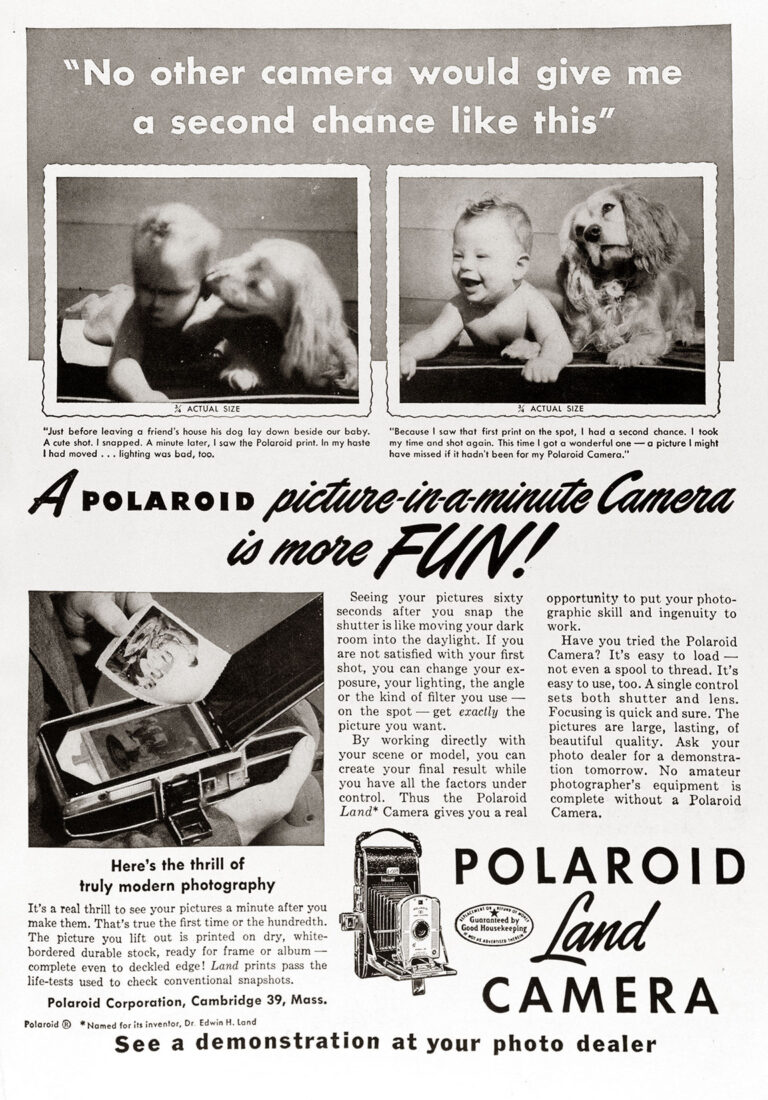
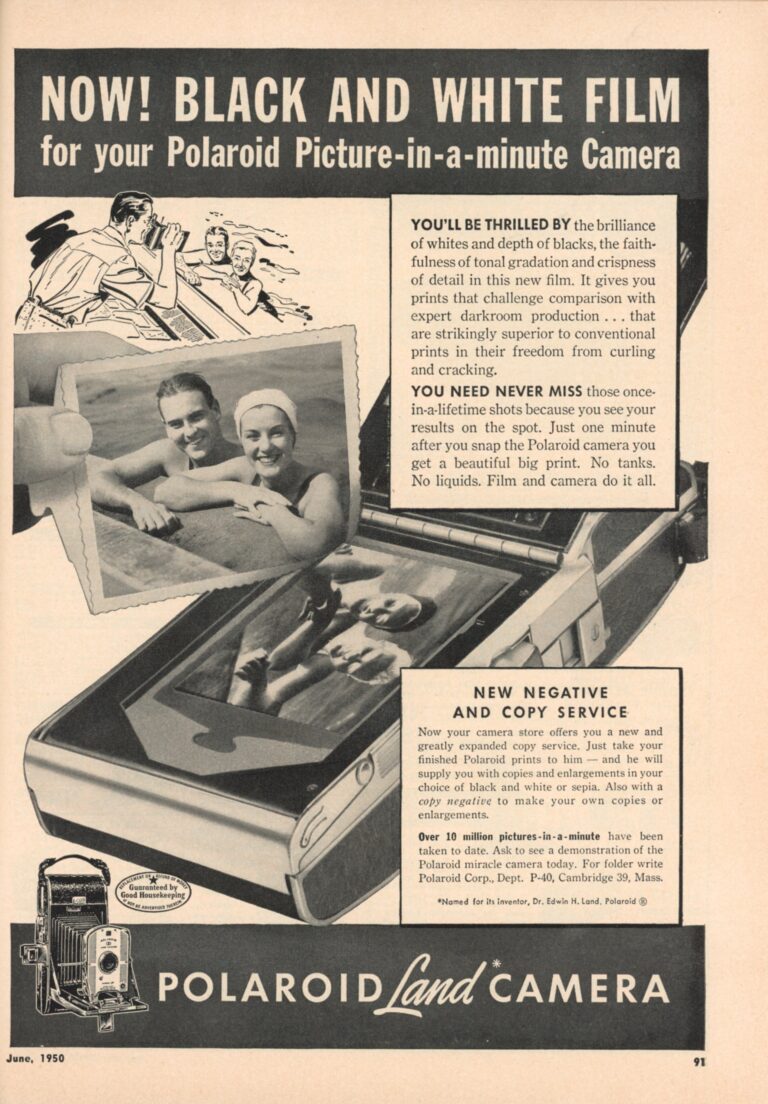
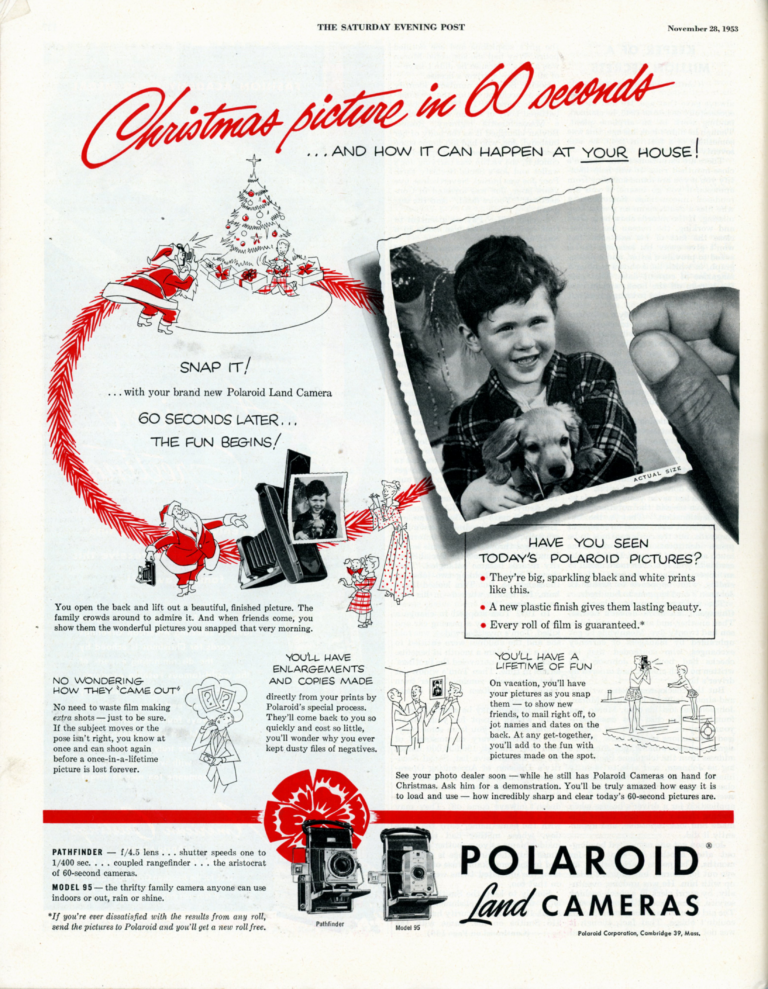
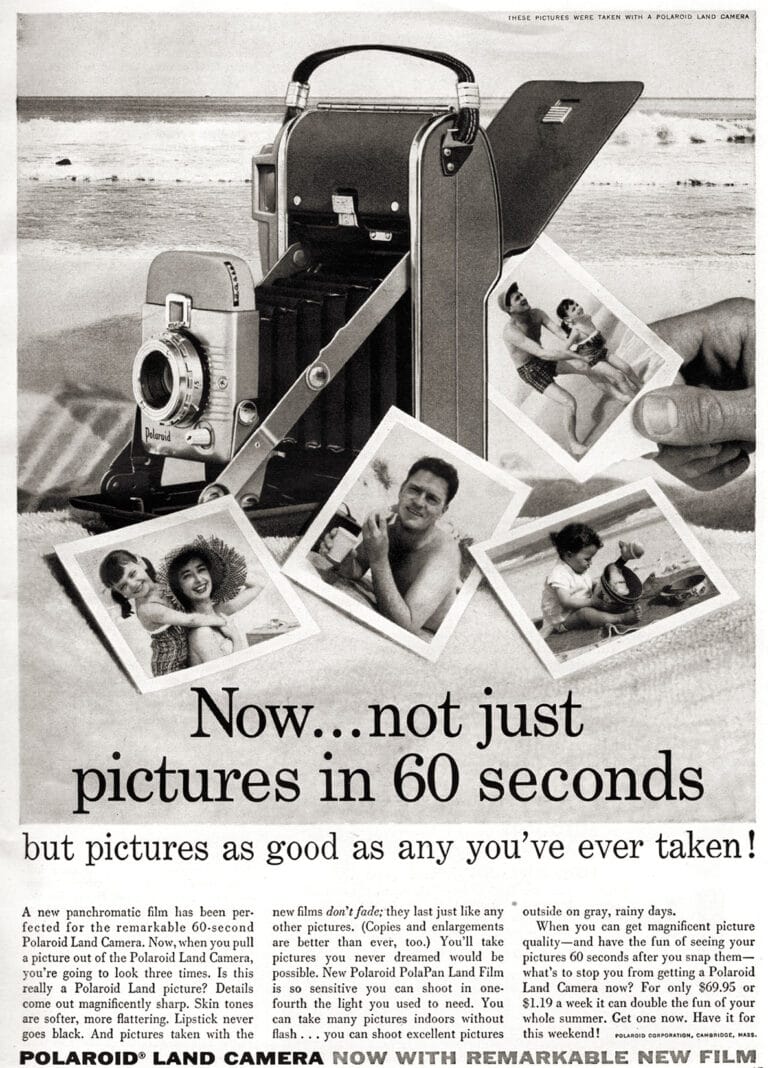
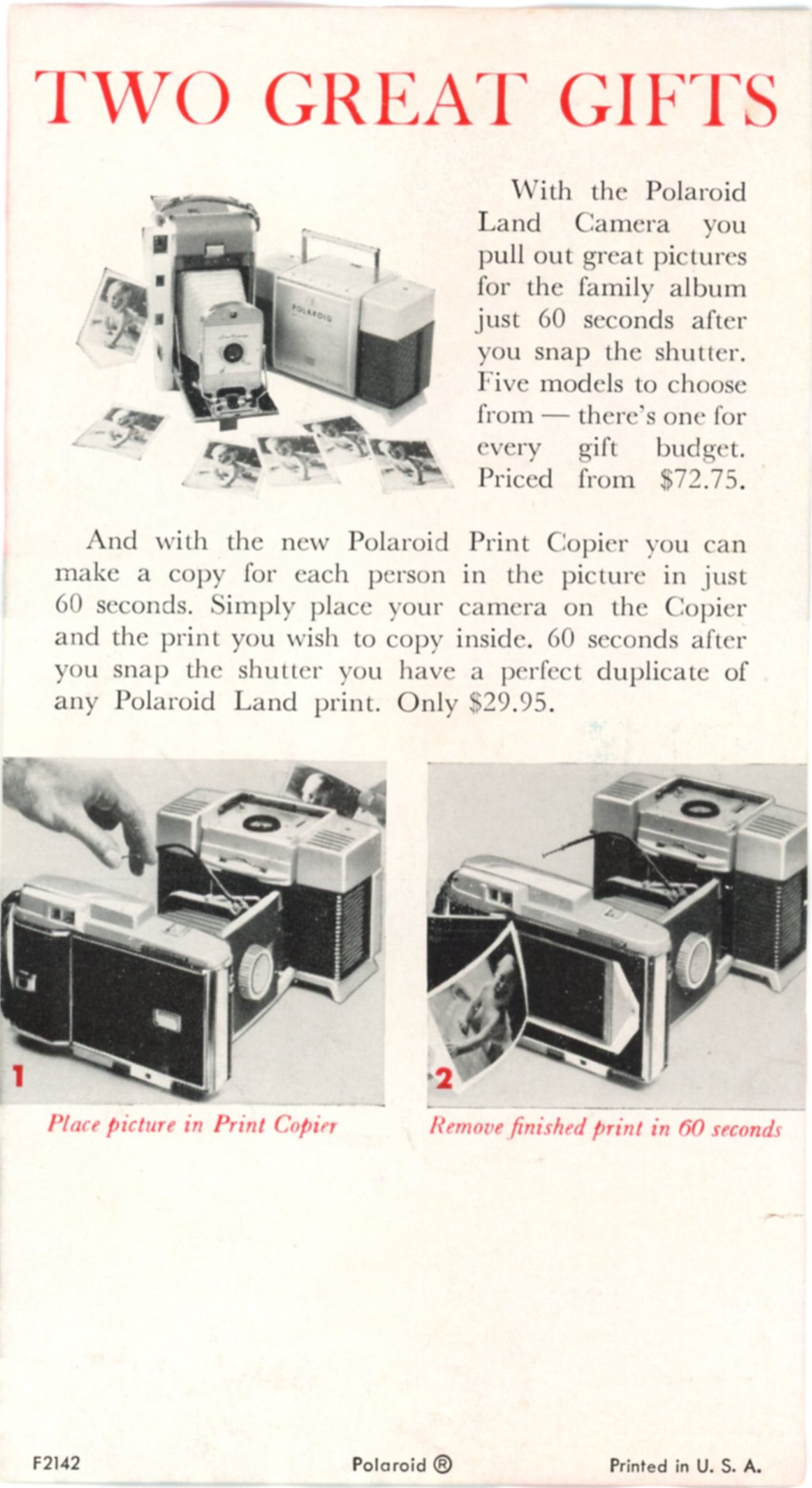
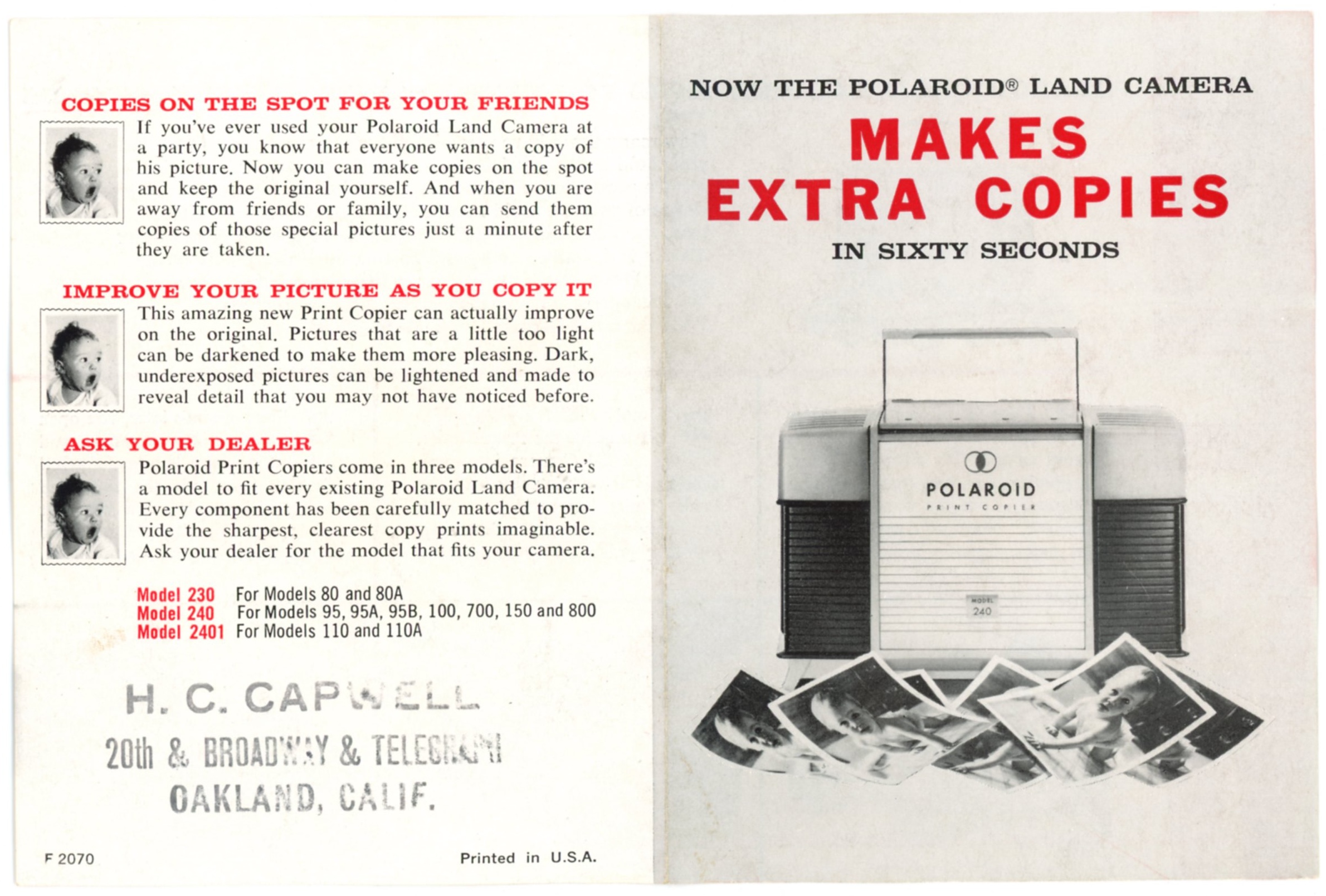
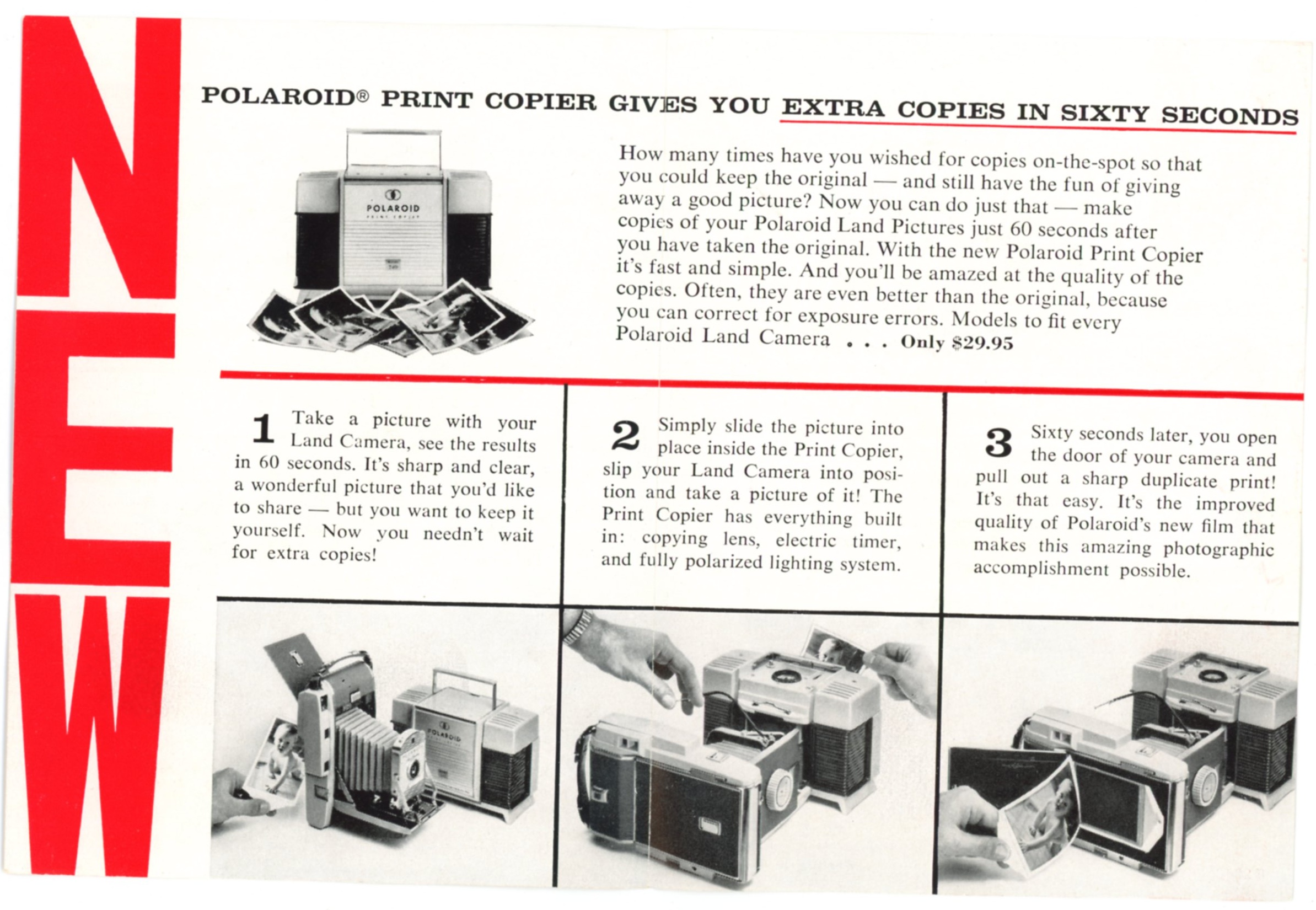
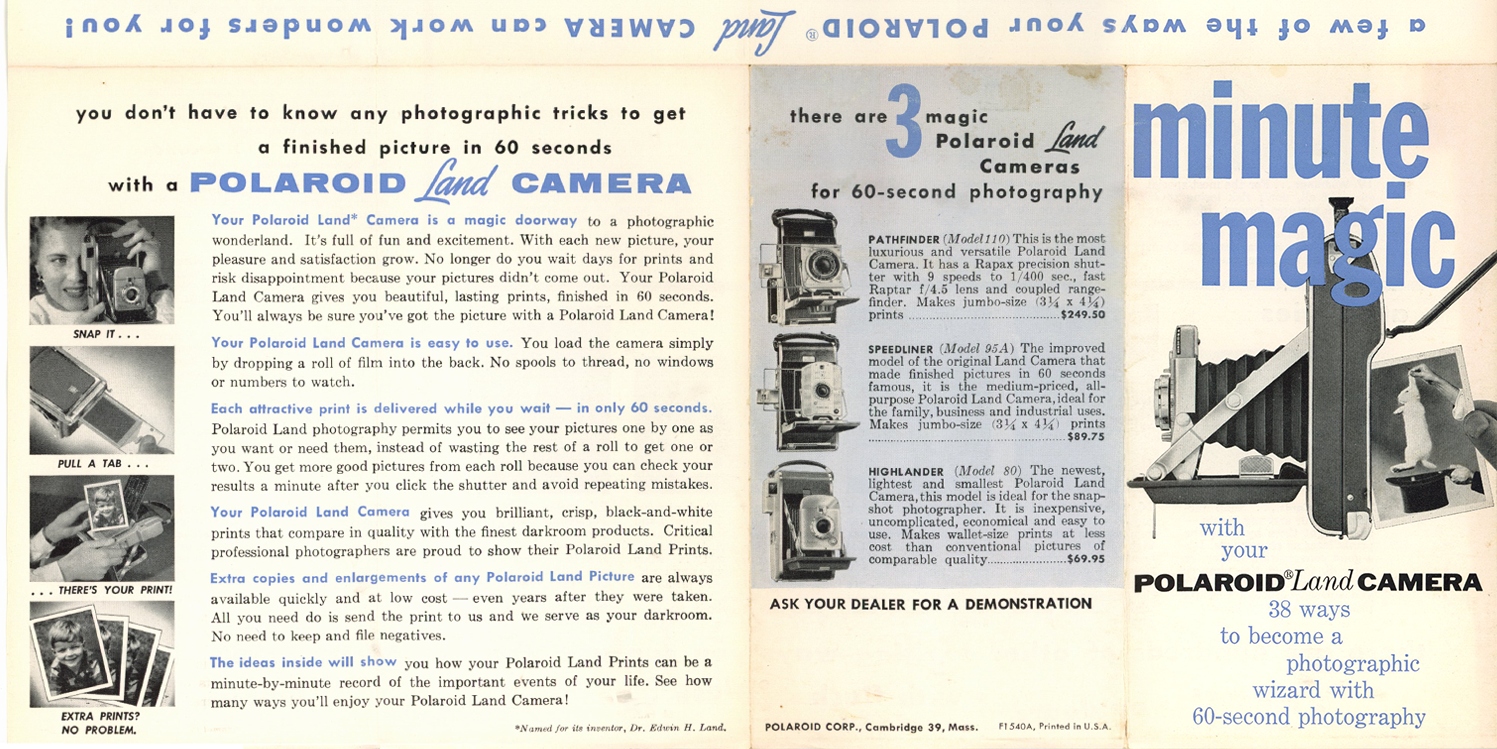
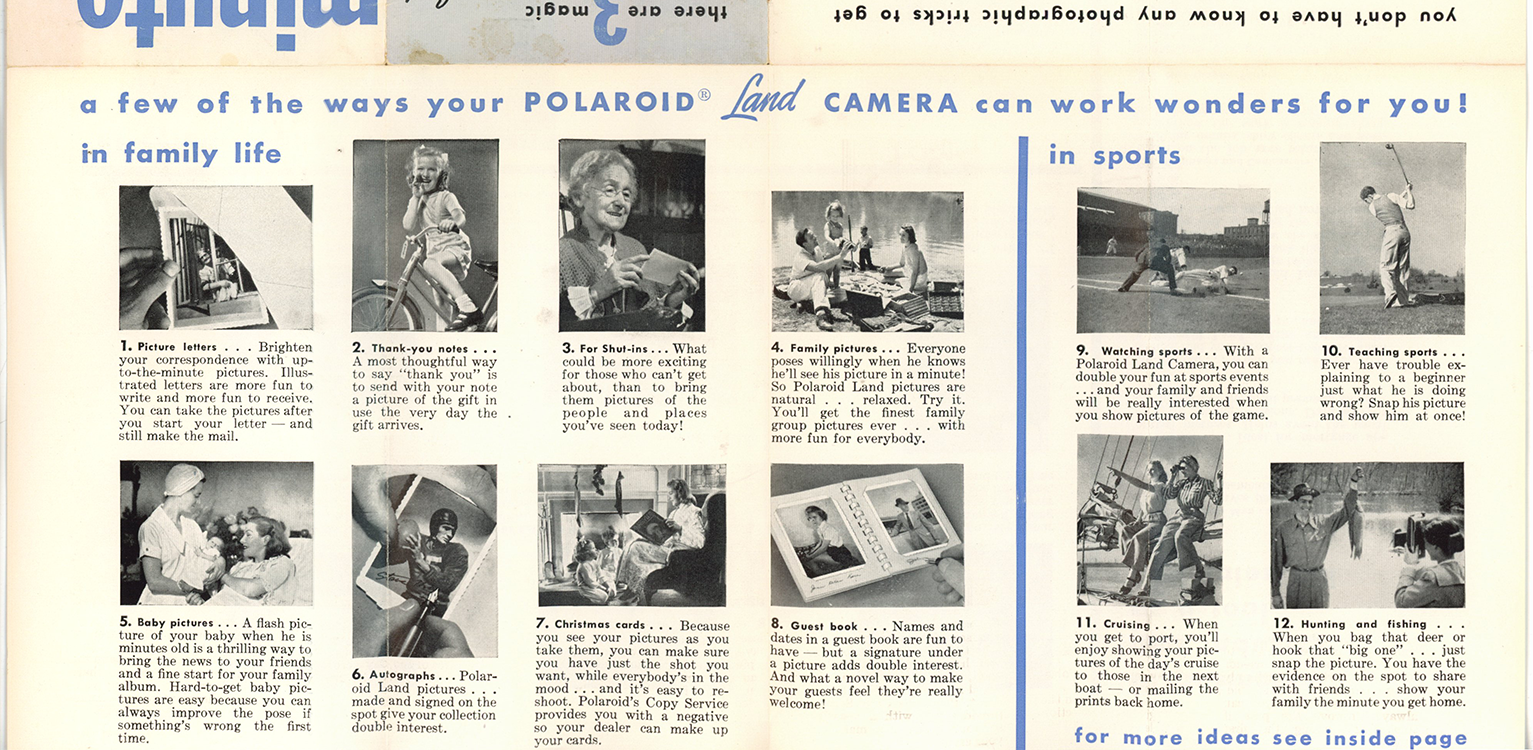
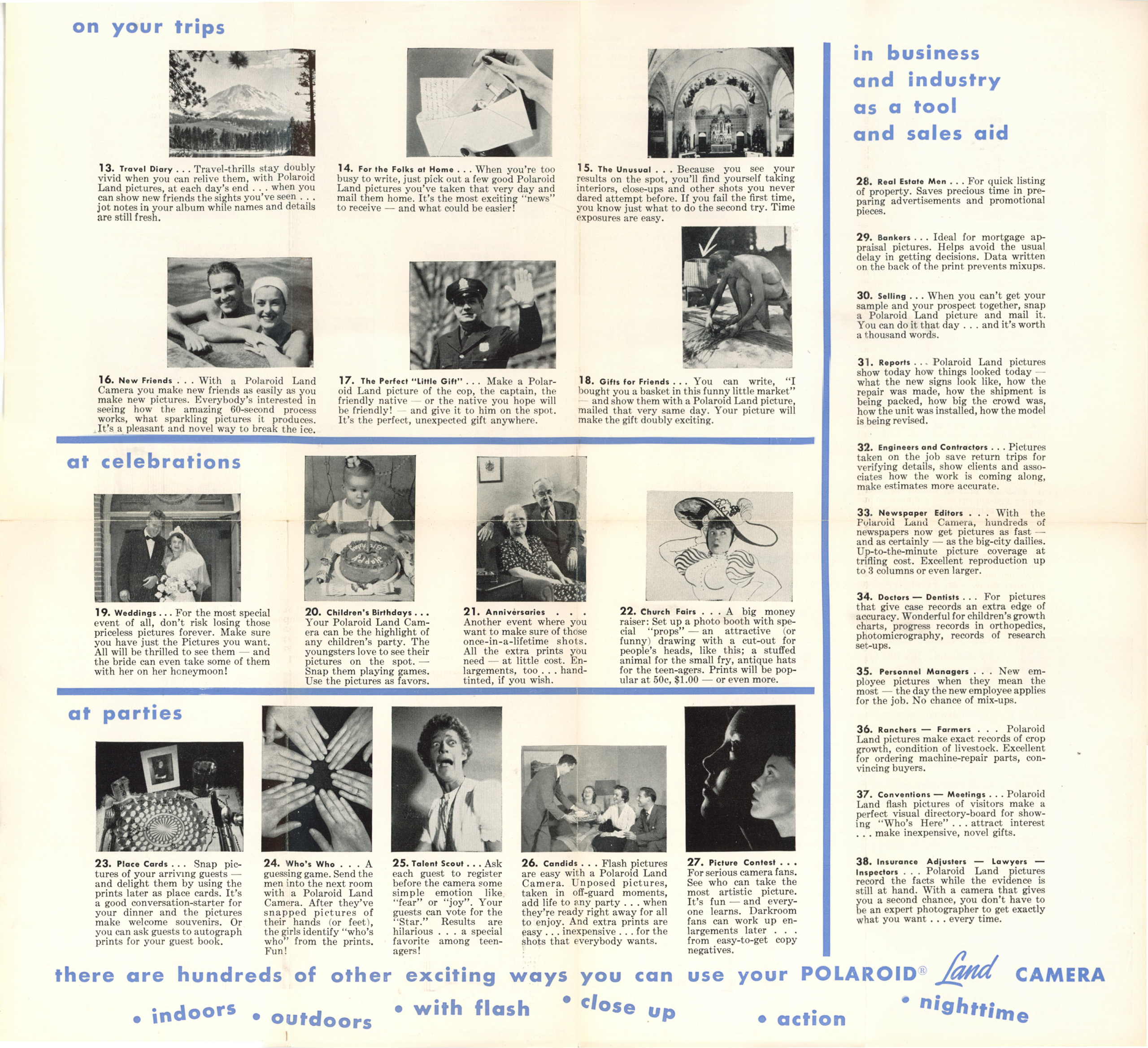
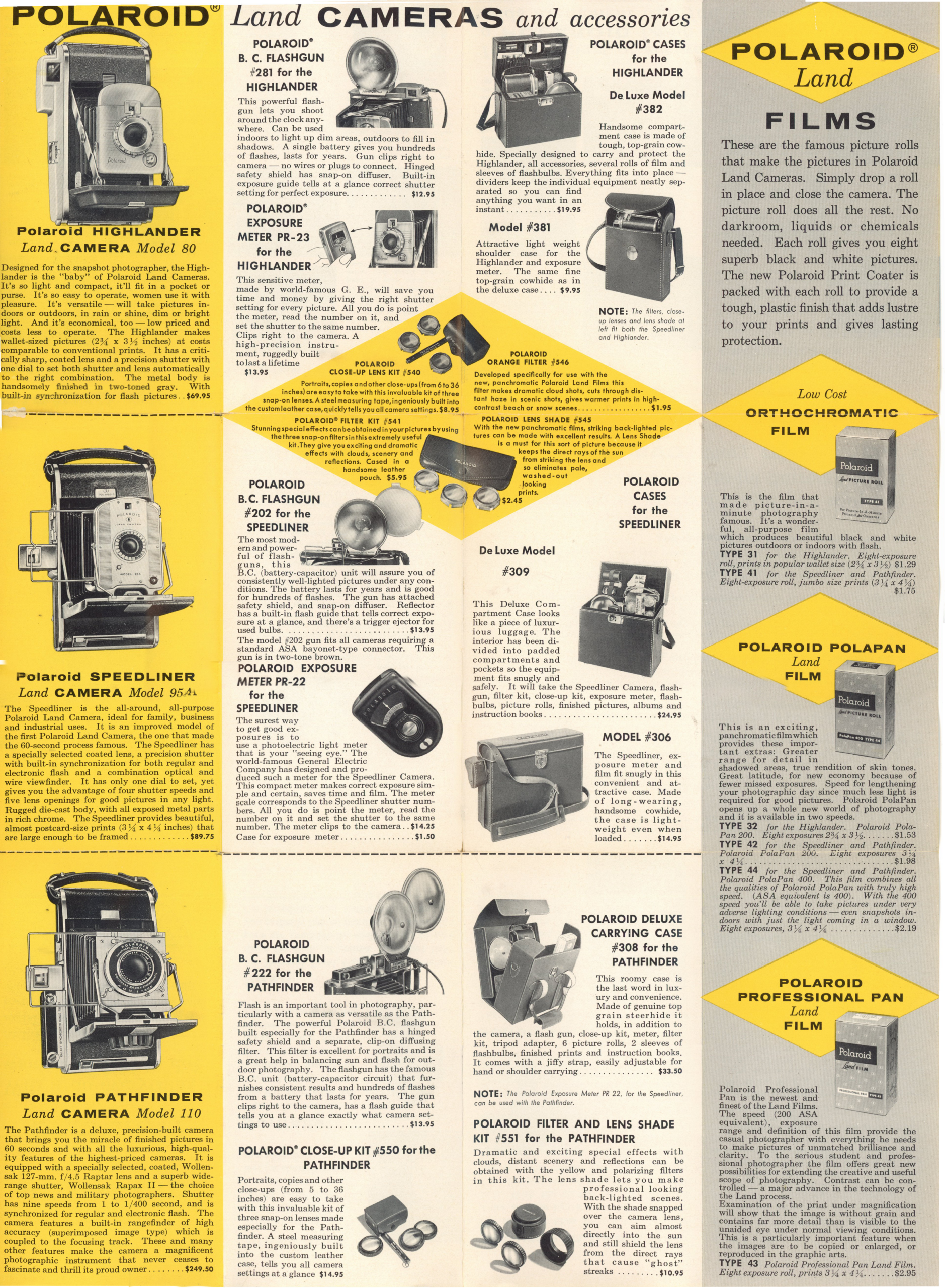
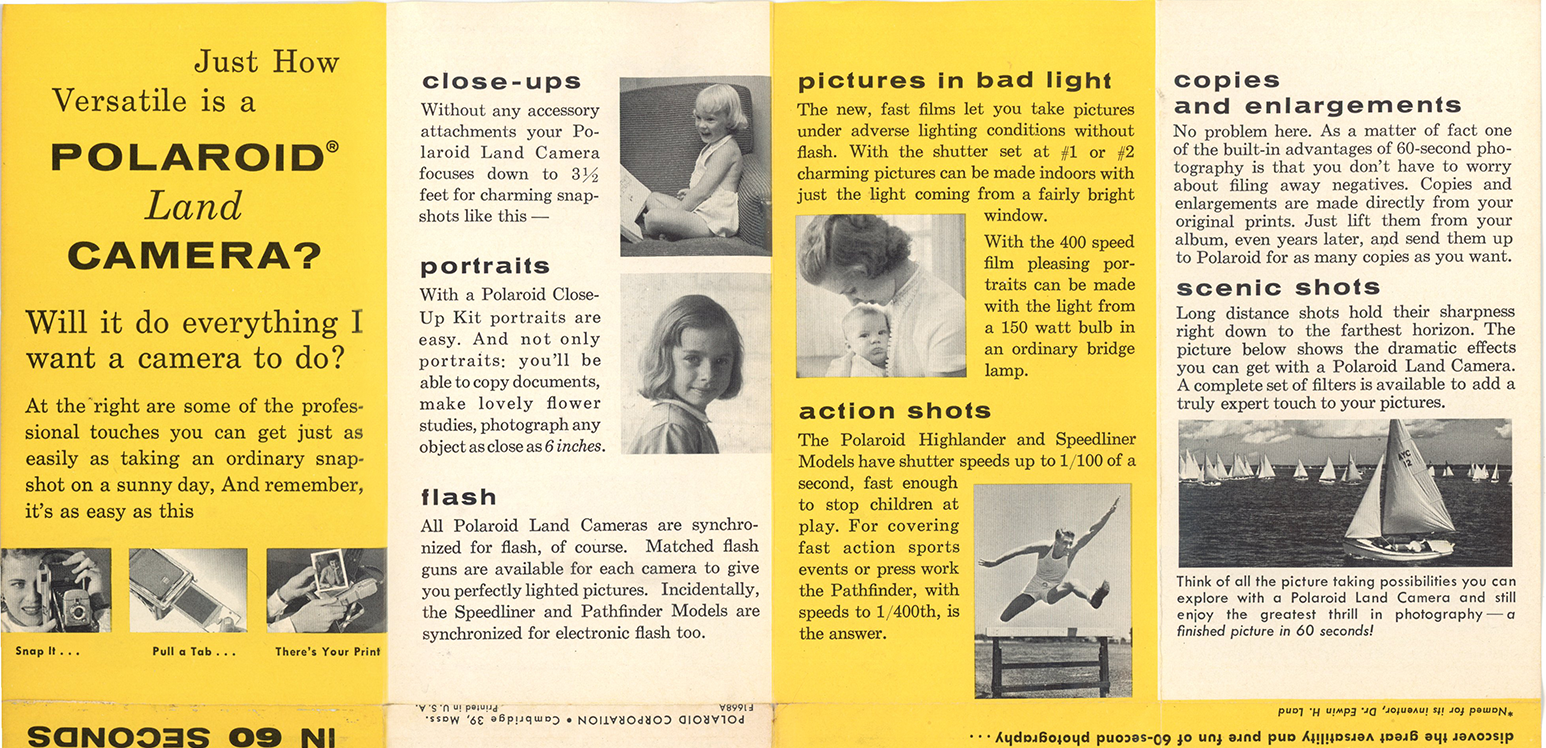
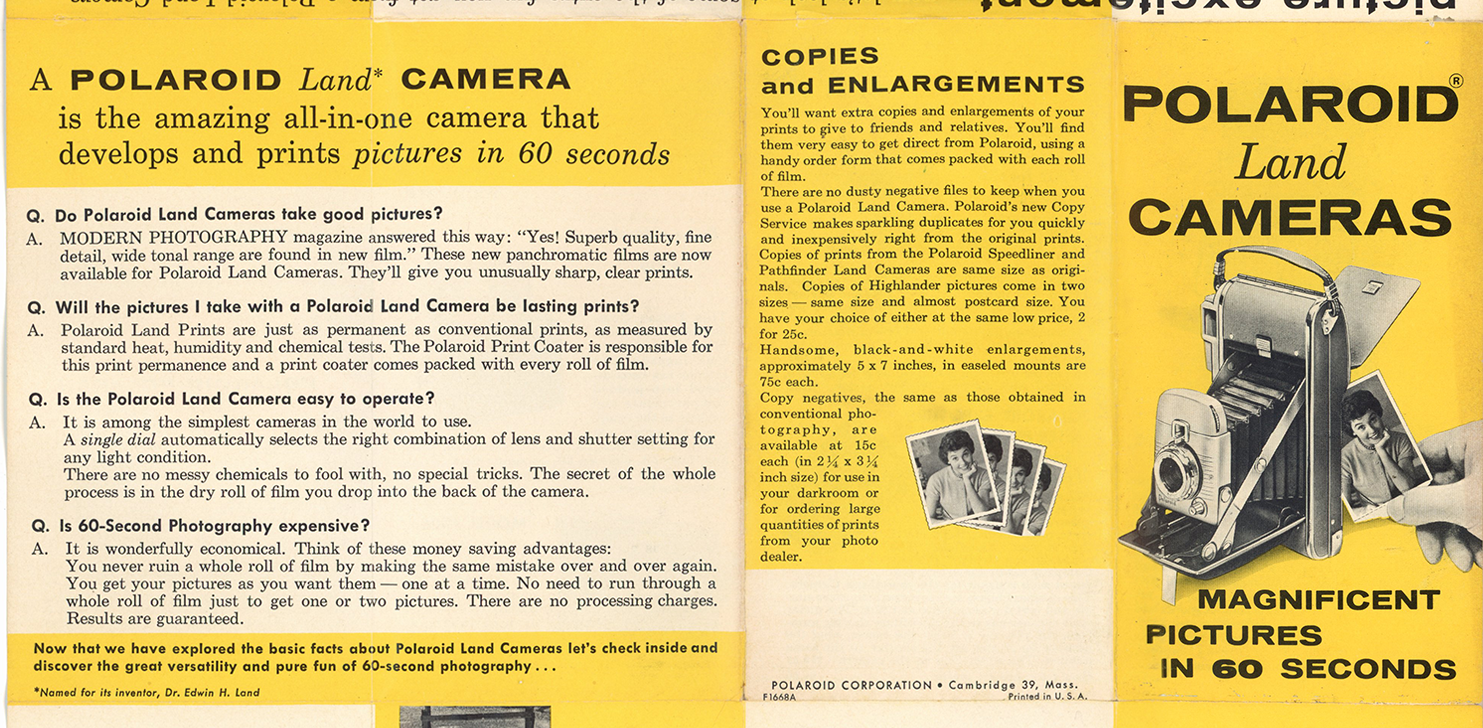
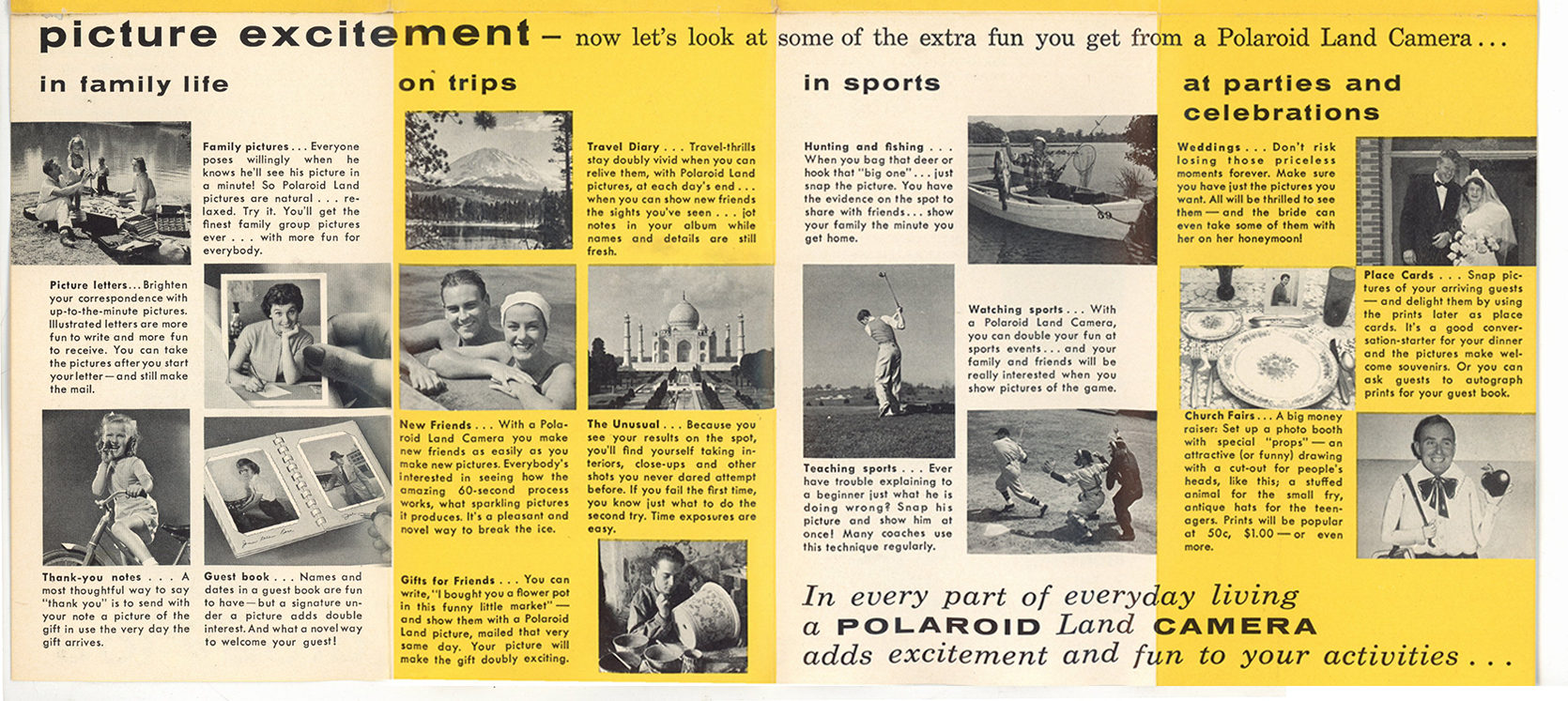
Advertising for the First Polaroids
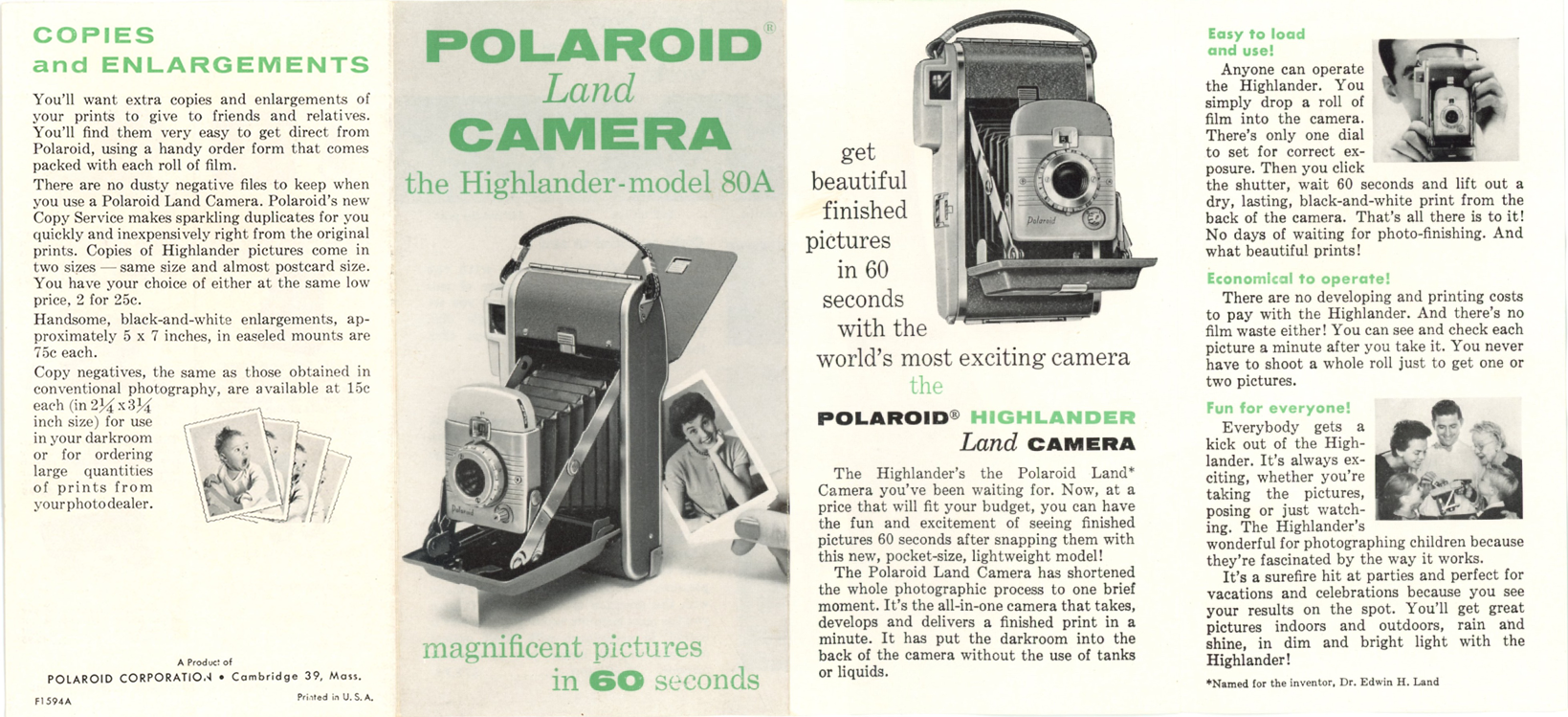
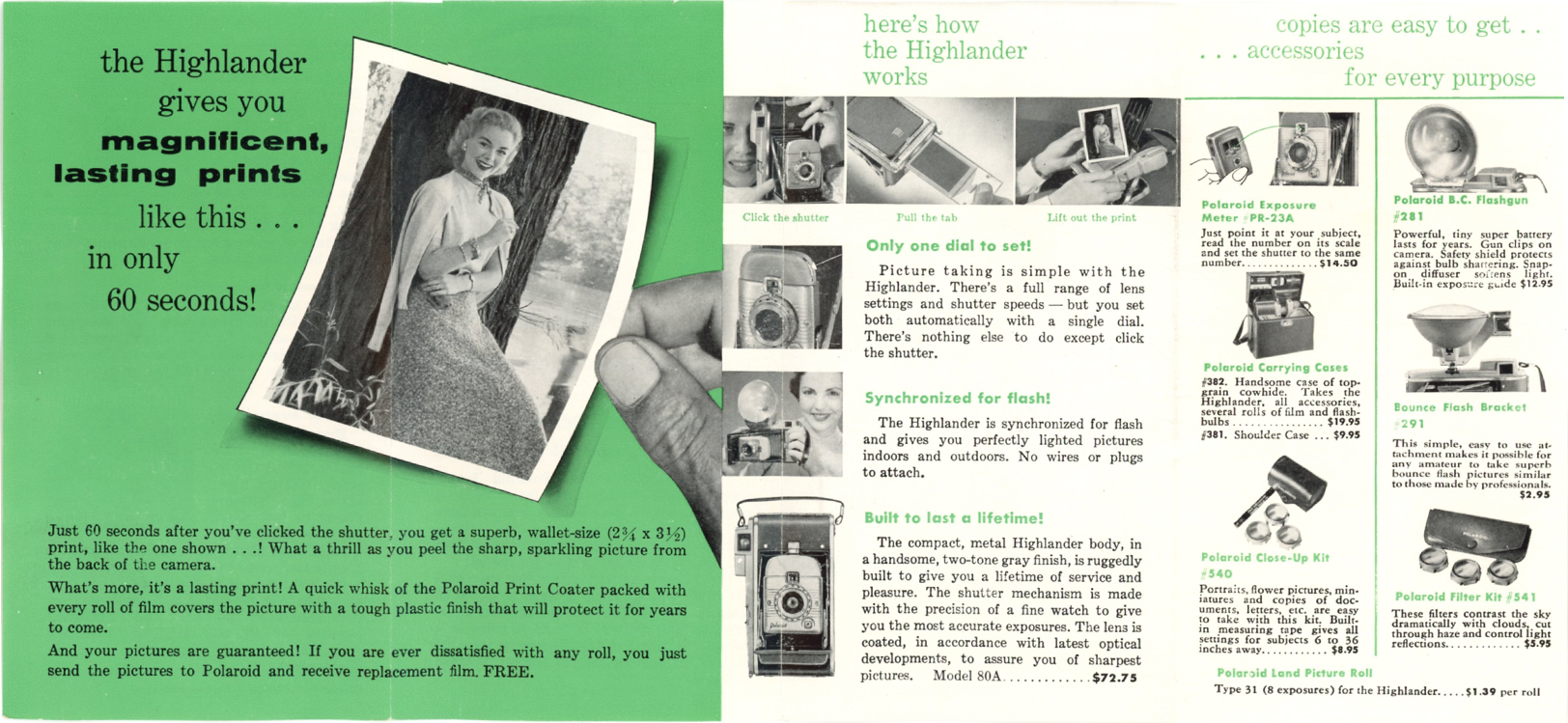
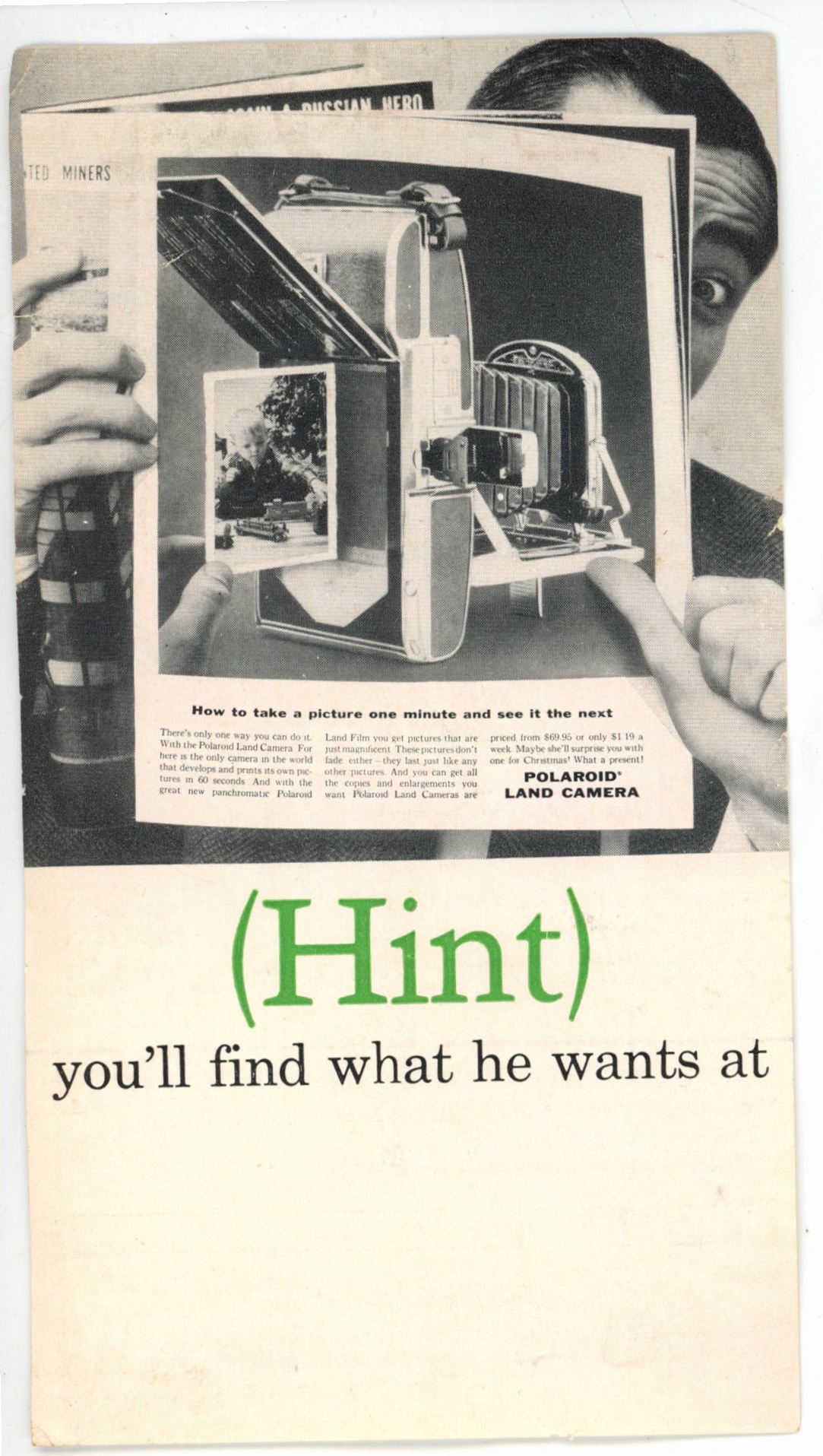
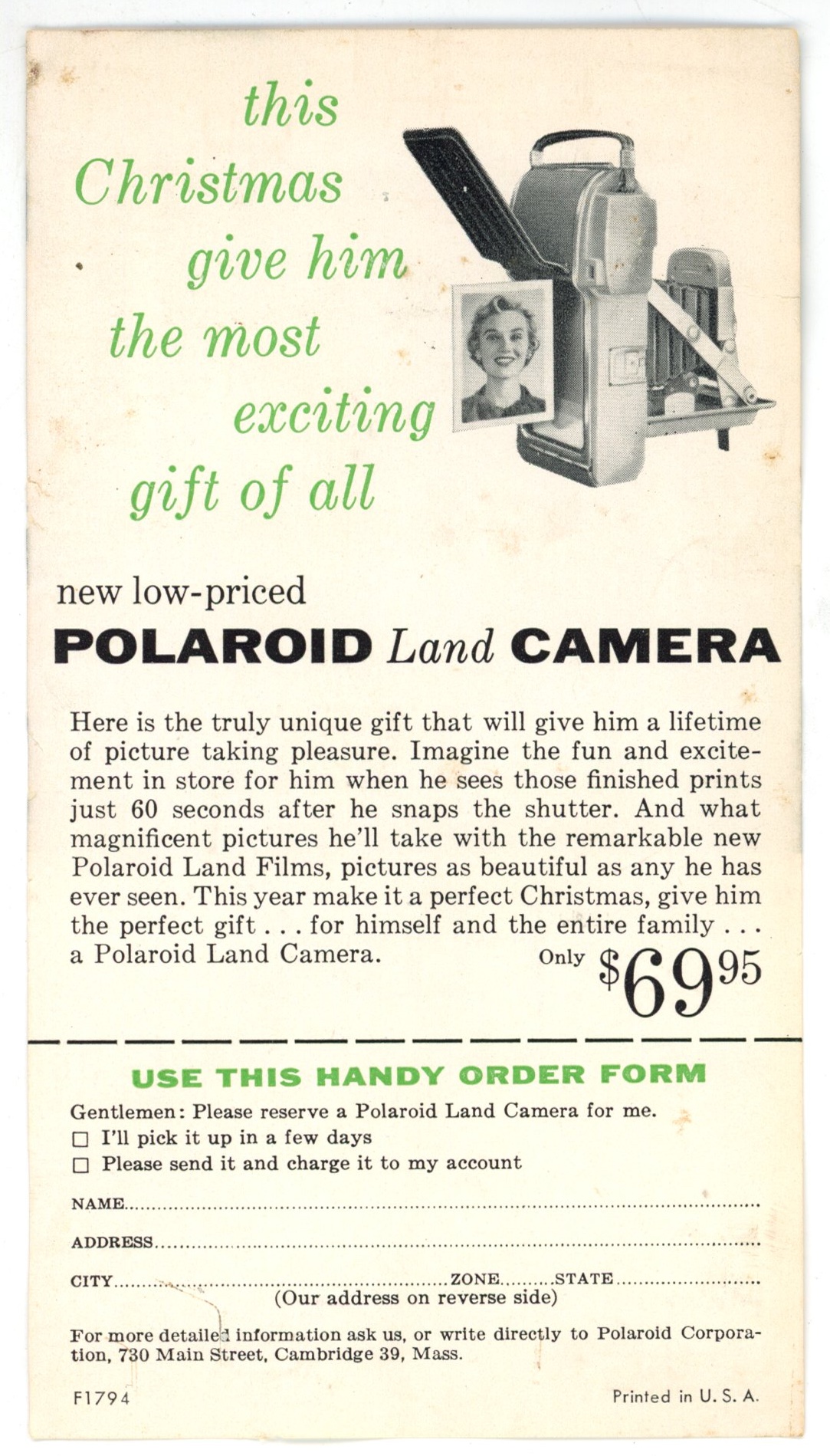
In addition to collecting vintage cameras, I also collect mid-century magazines and advertisements. As my collection grows, I’ve found original ads for the earliest Polaroid Land Cameras.
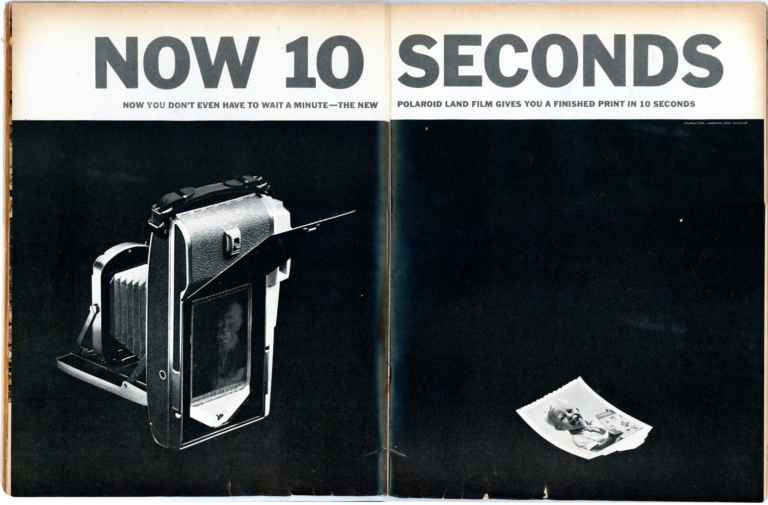
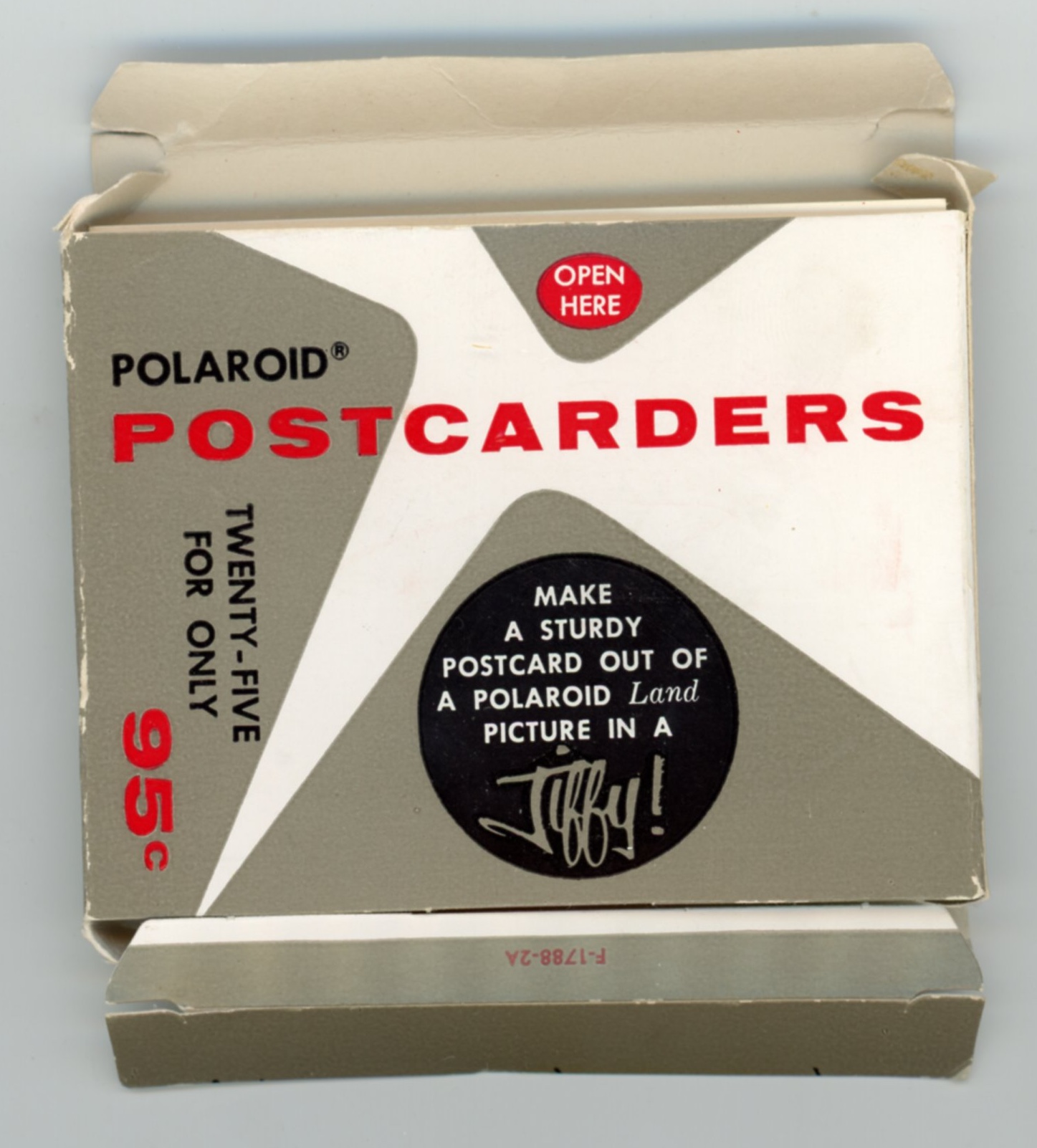
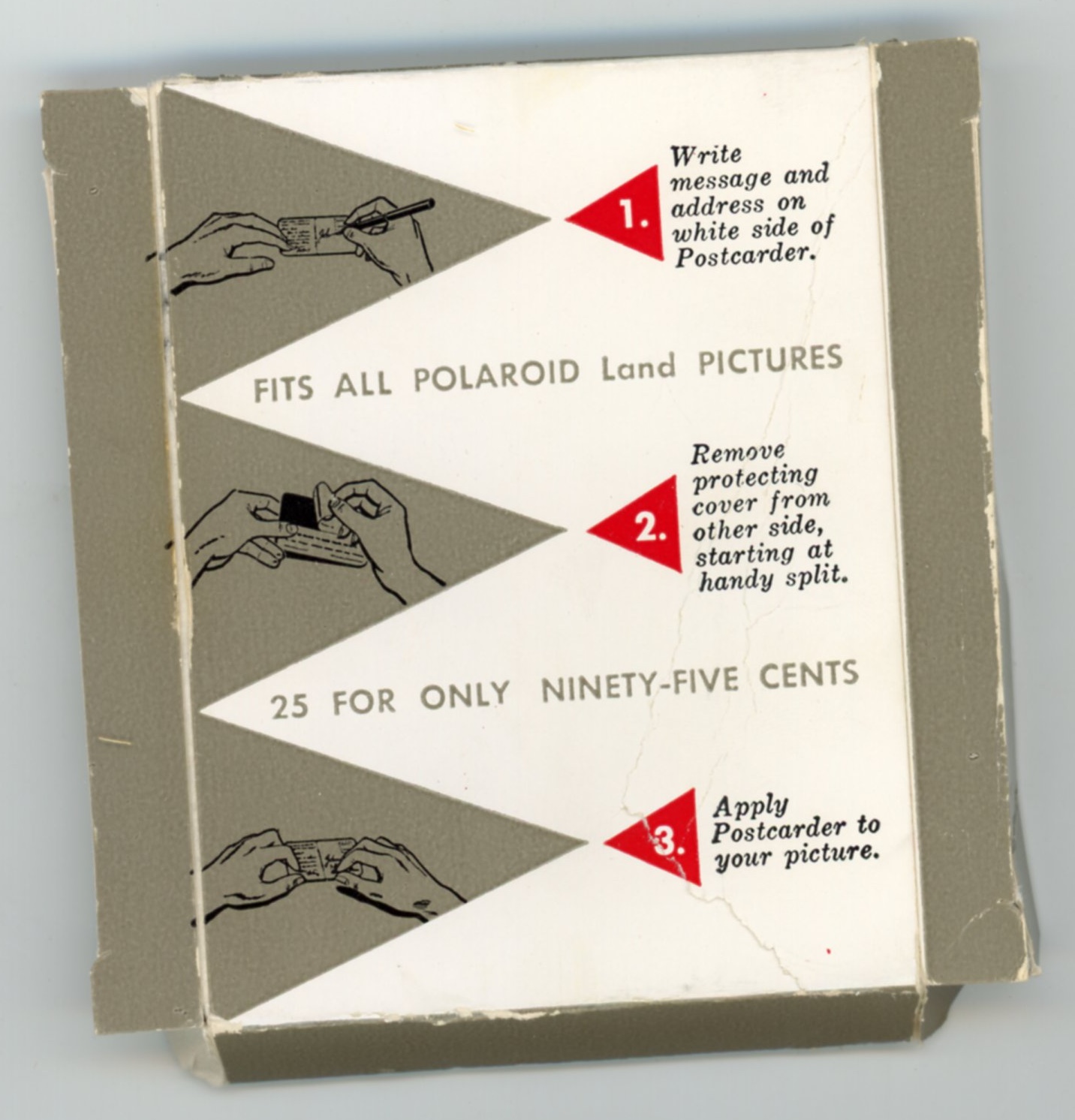
Misc Ads from the boxes:

Why These Early Polaroid Roll Film Cameras Still Matter
The Model 95 changed photography forever. The 80A and 80B refined that invention, making instant photography more portable and accessible.
Today, these cameras no longer function as originally intended — their roll films long discontinued. But they remain powerful artifacts of innovation. They mark the beginning of something that would shape visual culture for generations.
As a collector, I see them as more than cameras. They’re proof of how bold ideas, like developing a photograph in one minute, can redefine an entire medium. And even if they now live quietly on a shelf, their impact still echoes every time someone shakes a Polaroid print.
Warm regards,
Lexi
Resources & Further Reading
If you want to dig deeper into Polaroid Land Cameras, these were the most helpful references I found during my research:
- https://en.wikipedia.org/wiki/List_of_Polaroid_instant_cameras
- https://www.polaroidland.net/2012/06/10/instant-artifact-the-highlander-model-80a/
- https://mikeeckman.com/2020/10/polaroid-land-camera-model-95-1948/
- http://www.landlist.ch/landlist/landdcam-roll.htm
- https://www.youtube.com/watch?v=4qlLUL6pNRk&t=9
- https://www.youtube.com/watch?v=TDYQOwBF0UI&t=24
- https://collection.sciencemuseumgroup.org.uk/objects/co8085283/polaroid-land-camera-model-95
- https://www.reddit.com/r/Polaroid/wiki/buyersguide/
- https://filmphotographyproject.com/how-convert-your-polaroid-80-120-film-camera/