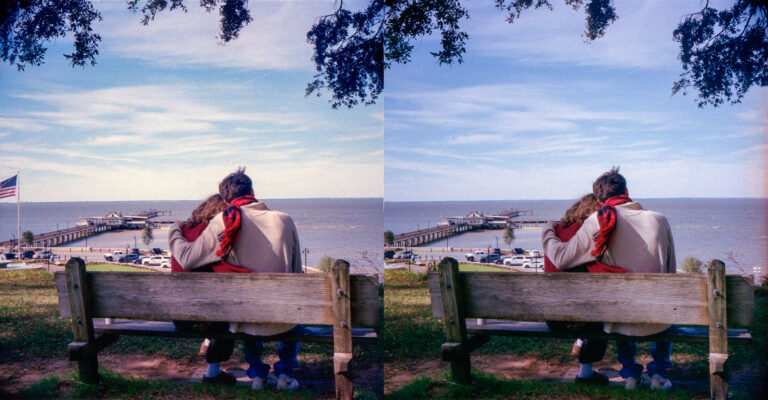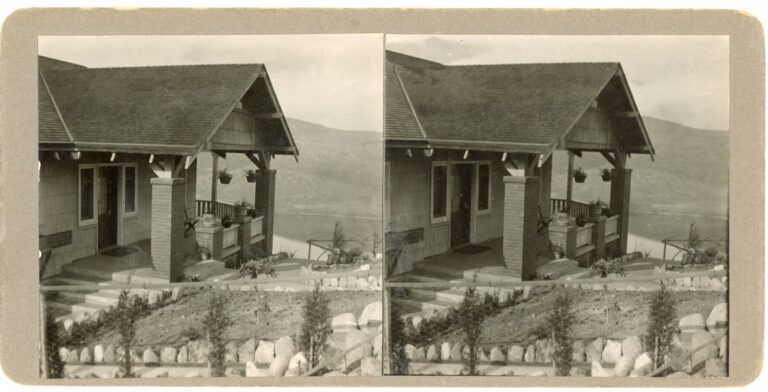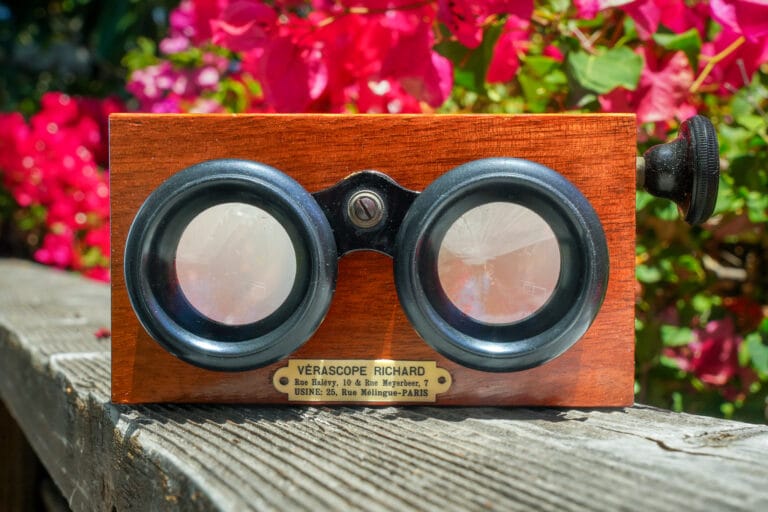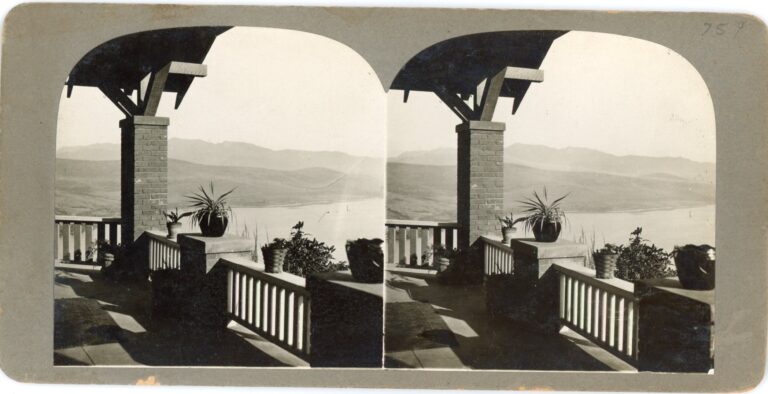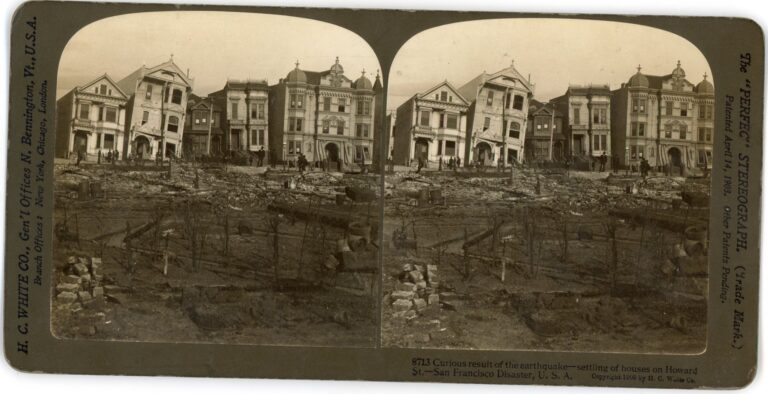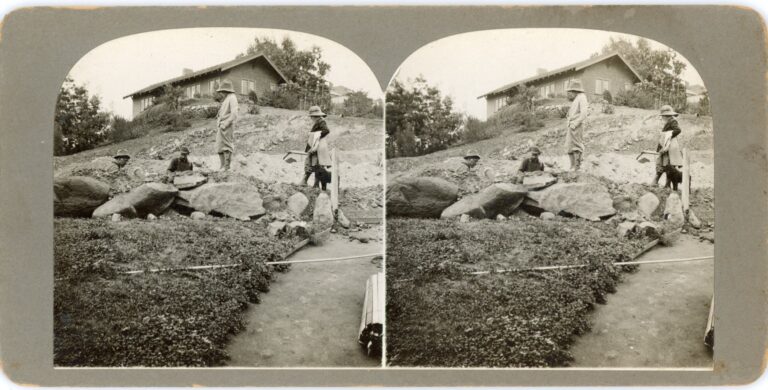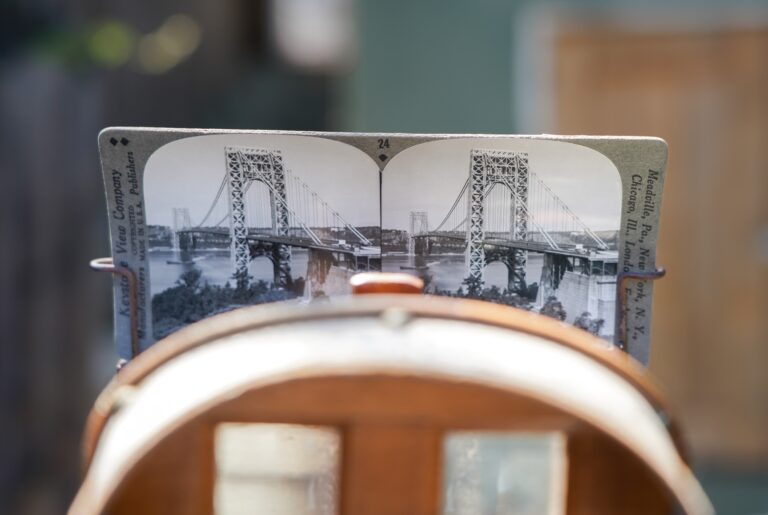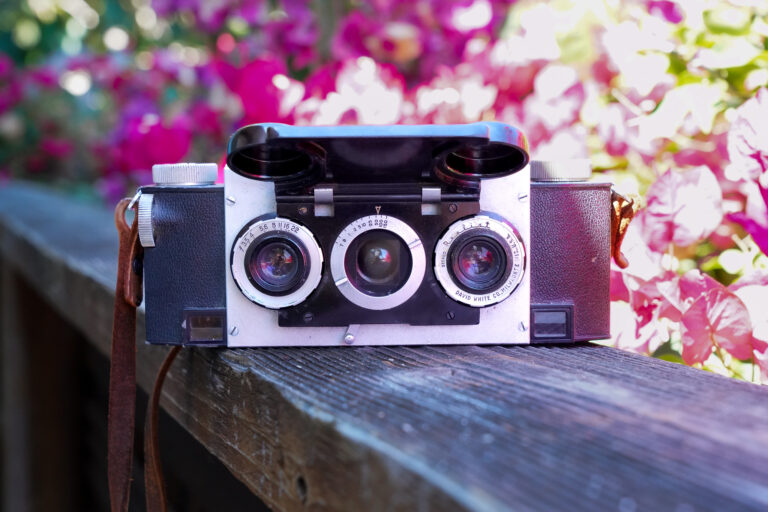
I do two things with 3D photography, and I’m a little obsessed with both. I shoot modern stereoscopic film on vintage stereo cameras like the Stereo Realist, and I collect and archive antique stereoview cards from the 1800s and early 1900s. This is the home base for all of it — my photos, my collection, and everything I’ve learned about seeing in 3D without a headset in sight.
What is stereoscopic 3D photography?
Stereoscopic photography is 3D photography, but it’s a lot older than you’d think. The idea is simple: your two eyes see the world from slightly different angles, and your brain fuses those two views into depth. A stereo camera does the same thing, capturing two nearly identical images a couple inches apart. View them the right way and the scene pops into 3D.
People have been doing this since the 1850s. Victorians were obsessed with it: stereoview cards were the “VR” of their day, a way to see the pyramids or a world’s fair from the parlor. The tech faded, came back for the View-Master, faded again, and never fully died. I got pulled in from both ends: the antique cards I kept finding, and the realization that I could still shoot new 3D film today on the same kind of cameras.
If you want the full history, I wrote a longer piece on where stereoscopes & stereoview cards came from:
What are Stereoscopes & Stereoview Cards: A Brief History of 19th Century 3D Photography

My Stereoscopic Film Photography
New 3D film photos shot on my Stereo Realist and other stereo cameras. Sunsets, dachshunds, weddings, palm trees, the occasional double exposure I meant to happen.
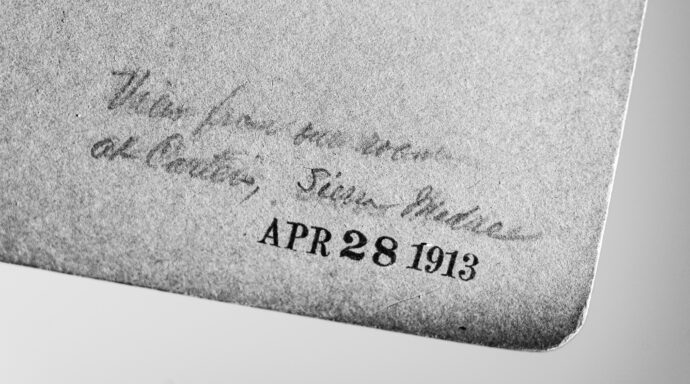
My 3D Stereograph Card Collection
An archive of antique stereoview cards, filterable by category -- the French Imperial Family, old New York, Chicago, San Francisco, and more. Early 3D photography of a world that's long gone.
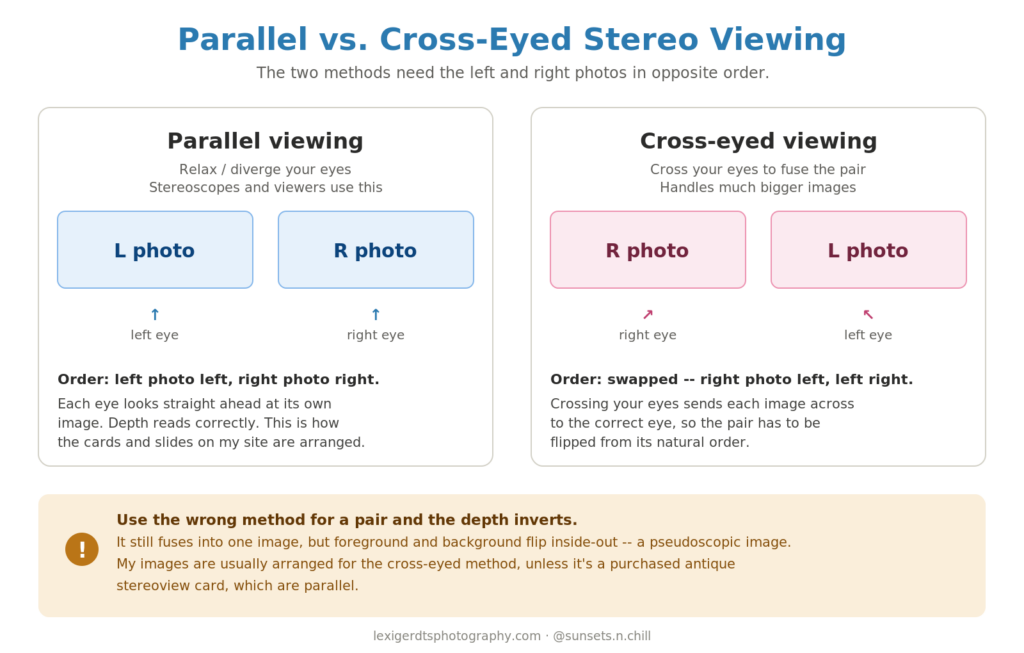
How to view these in 3D
Here’s the part everyone asks about: how do you actually see these in 3D? No special glasses required, just your eyes and a little practice. There are two methods, parallel and cross-eyed, and they aren’t interchangeable: each needs the two photos in the opposite left-right order.
My honest advice up front… unless you’ve got a stereoscope on hand, go with the cross-eyed method. It’s the one you can free-view on a screen with nothing but your eyes, and it’s how I arrange my own modern shots. My antique cards are parallel-arranged, the way they were made to be seen through a viewer. More on all of it below.
Parallel vs Cross-Eyed Stereo Viewing:
Test It Out Yourself:
Give it a shot yourself! Below are two stereo pairs, one for each method. Follow the quick prompt under each and see if it clicks.
On your phone? Turn your device sideways, and tap to zoom in so the image fills as much of the screen as it can. A bigger, wider target is much easier for your eyes to lock onto.
Cross Eyed Viewing:
Start here. This is one of my modern shots, arranged for cross-eyed viewing. Hold a fingertip in front of the image, cross your eyes until the halves overlap in the middle, then shift your focus to the image behind your finger until the 3D pops.
Parallel Viewing:
This one’s a real antique card, arranged the old-fashioned way for parallel viewing. It’s the trickier method to free-view on a screen, so don’t sweat it if it won’t click — it’s happiest through a stereoscope, or viewed small on your phone. If you do want to try: hold your screen close, relax your eyes like you’re looking through it, and slowly pull back until the two halves drift together.
I walk through both methods step by step, plus beginner tips and troubleshooting, on a page of its own:
Latest Stereo Blog Posts:
I’m always writing up new finds, test shoots, and history rabbit holes. Here’s what’s new:
Featured research: The Eugénie glass slides
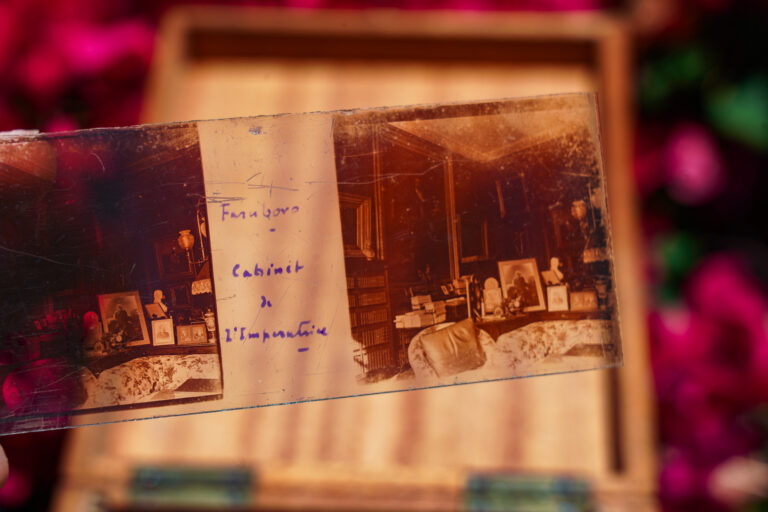
Every so often a collection finds you. I got hold of a box of antique glass stereoscopic slides that trace back to the household of Empress Eugénie of France — the last Empress, tied to Napoleon III. It’s the most involved research project I’ve taken on, and I’m still working through what these slides are and where they’ve been. If you like a good historical mystery with real 3D photography at the center of it, start here:
A Box of Antique Stereoscopic Slides Tied to Napoleon III & Empress Eugénie of France
The gear:
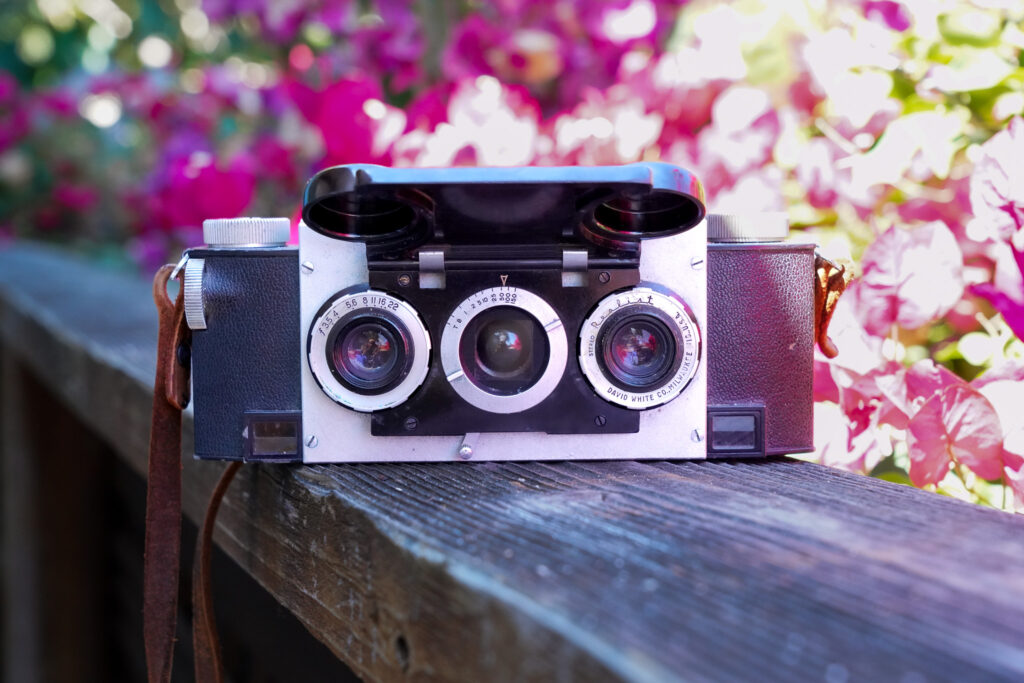
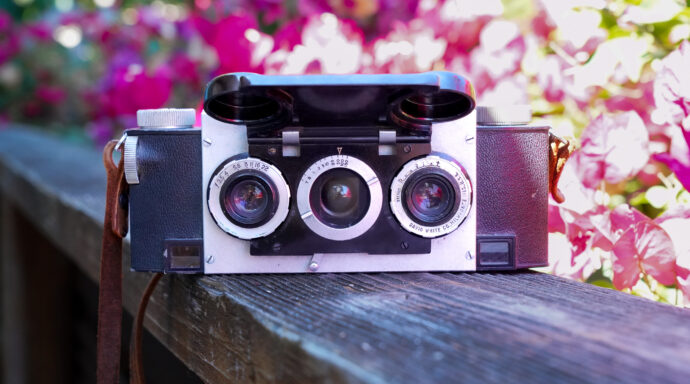
Stereo Realist
Most of my modern 3D work comes off the Stereo Realist, a 35mm stereo camera from the 1950s that shoots two frames at once. It’s the camera that got me into all of this. You can see it and the rest of my vintage gear in my camera collection:
Meet My Camera Collection
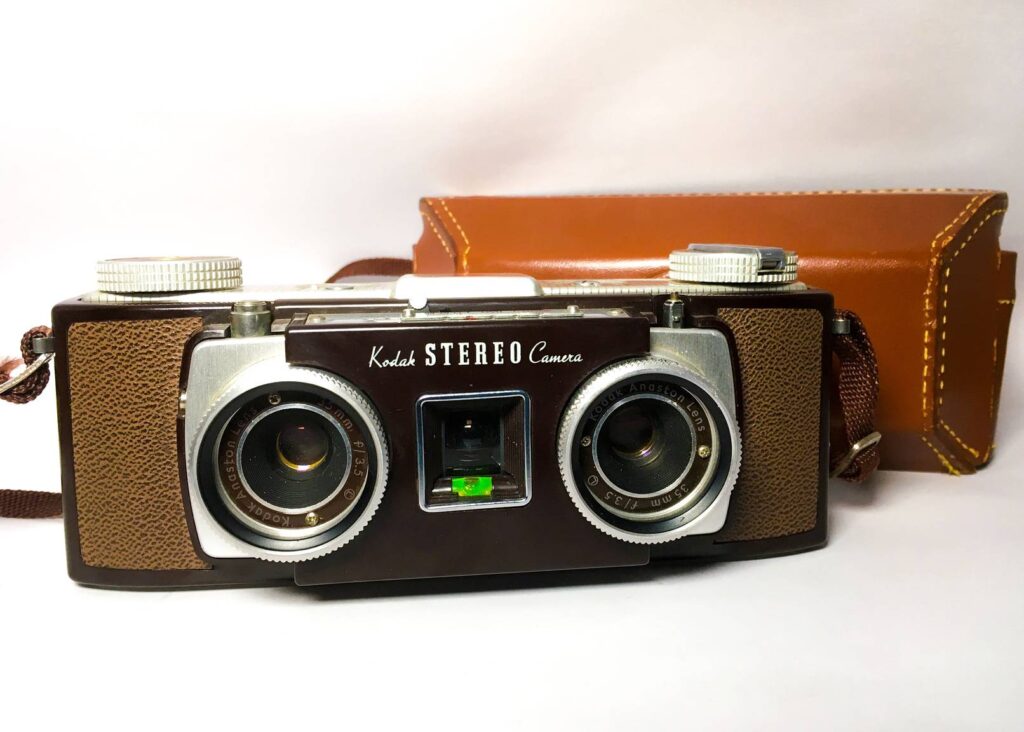
Kodak Stereo Camera
I also have recently acquired a Kodak Stereo Camera. I am in the middle of cleaning & test shooting this, and I will post about it soon!
FAQ
What is a stereograph?
How do you view stereoscopic photos in 3D?
What camera shoots 3D film?
Are old stereoview cards valuable?
Do I need a stereoscope to see them?
New photos and finds go up all the time. Follow along on Instagram @sunsets.n.chill, or reach out through my contact page if you’ve got a stereo question, a collection lead, or just want to nerd out about 3D.